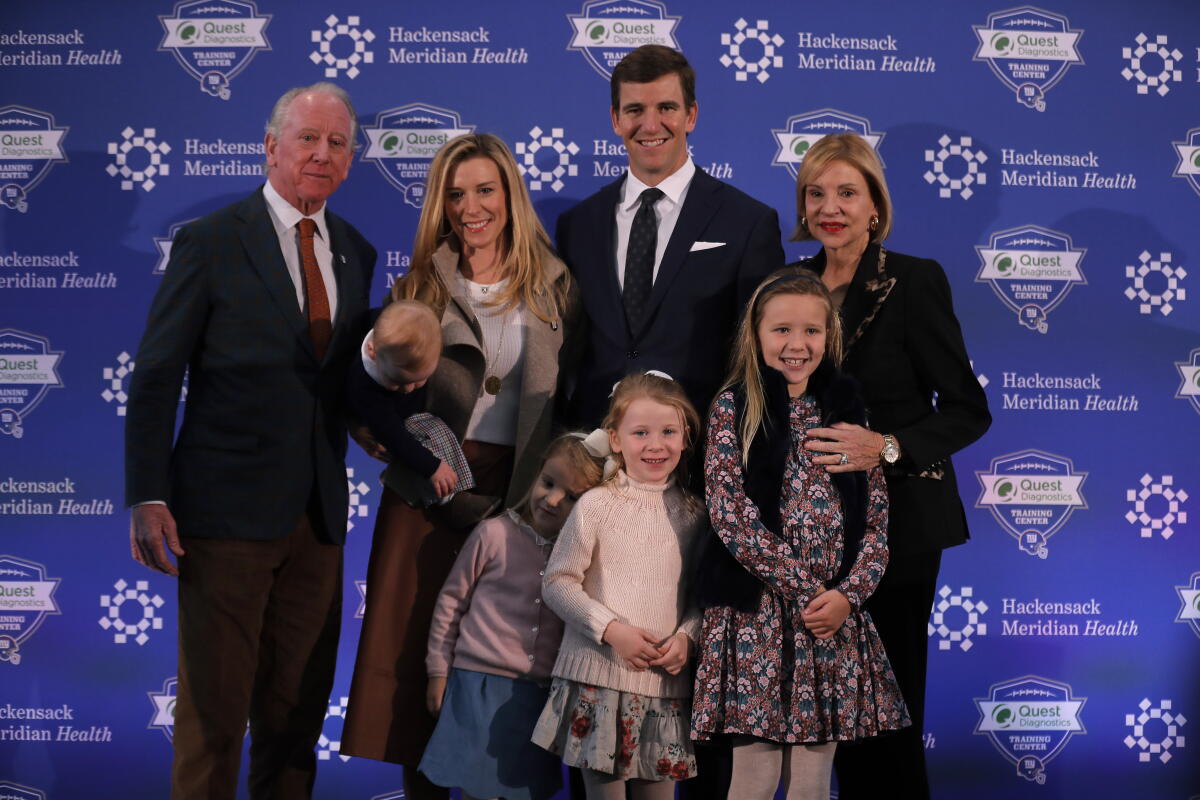
Archie Manning’s football career remains a cornerstone of American sports history, spanning from his legendary collegiate days at Ole Miss (1968–1970) to a resilient 13-season NFL tenure (1971–1984). Inducted into the College Football Hall of Fame, Manning is celebrated for his dual-threat athleticism and his leadership during the New Orleans Saints' formative years.
The Collegiate Legend: Archie Manning at Ole Miss (1968–1970)
The foundation of the Manning legacy was poured in Oxford, Mississippi. Archie Manning arrived at the University of Mississippi during a transformative era for Southern football. As a sophomore in 1968, he took the reins as the starting quarterback, quickly establishing himself as a player who could dismantle defenses with both his arm and his legs.
The 1969 Season and the "Archie Who?" Phenomenon
The year 1969 is perhaps the most iconic in Manning’s collegiate career. It was during this season that the "Archie Who?" buttons became a regional sensation. The phrase originated after a reporter questioned whether Archie was truly as good as the hype suggested; Mississippi fans responded with a surge of pride that defined a generation.
The pinnacle of this season was the October 4, 1969, clash against the University of Alabama. This game was the first prime-time national broadcast of a college football game. Manning put on a performance for the ages, passing for 436 yards and rushing for 104 yards. Despite Ole Miss losing a narrow 33–32 thriller, Manning’s individual brilliance cemented his status as a national superstar. He finished the 1969 season with 1,762 passing yards and 9 rushing touchdowns, leading the Rebels to a Sugar Bowl victory over Arkansas.
Final College Accolades and Legacy
In 1970, Manning’s senior year was hampered by a late-season arm injury, but his impact remained undeniable. He finished fourth in the Heisman Trophy voting in 1969 and third in 1970. By the time he left Oxford, he had set numerous school records, many of which stood for decades until broken by his own son, Eli Manning. Ole Miss eventually retired his jersey number, 18, and the speed limit on the university campus was set at 18 miles per hour in his honor—a tribute that remains in effect as of 2026.
Entering the Professional Ranks: The 1971 NFL Draft
As the 1971 NFL Draft approached, Archie Manning was one of the most coveted prospects in the nation. The New Orleans Saints, an expansion franchise that had struggled significantly since its inception in 1967, held the second overall pick. They saw Manning not just as a quarterback, but as the potential savior of the franchise.
The draft was headlined by three high-profile quarterbacks: Jim Plunkett (1st overall), Archie Manning (2nd overall), and Dan Pastorini (3rd overall). This "Quarterback Class of '71" was expected to redefine the league. When the Saints selected Manning, it sparked an unprecedented level of excitement in the Gulf South. Fans believed that Manning’s scrambling ability and deep-ball accuracy would finally bring a winning culture to New Orleans.
The New Orleans Saints Years (1971–1982)
Archie Manning’s time with the Saints is often viewed through the lens of "what might have been." While he was individualistically brilliant, the team around him lacked the depth, offensive line protection, and defensive stability required to compete for championships.
Resilience Under Fire
During the 1970s, the Saints were frequently at the bottom of the league standings. Manning was famously the most-sacked quarterback of his era, often running for his life behind a porous offensive line. In 1972 alone, he led the league in pass attempts and completions, but also took a staggering number of hits.
Despite the constant pressure, Manning’s talent was undeniable. He was a pioneer of the "scrambling quarterback" archetype long before it became a staple of the modern NFL. His ability to extend plays out of the pocket made him one of the most difficult players to defend, even when the rest of the Saints' offense was struggling.
Peak Performance: 1978 and 1979
The late 1970s marked Manning's statistical and professional peak. In 1978, he was named the NFC Offensive Player of the Year by United Press International (UPI). He threw for 3,416 yards and 17 touchdowns, leading the Saints to a 7–9 record—their best finish at that point in franchise history.
In 1979, Manning earned his second consecutive Pro Bowl selection. He threw for 3,169 yards and posted a career-high completion percentage. During these years, Manning proved that when given even a modicum of support, he could compete with the elite quarterbacks of the league, such as Roger Staubach and Terry Bradshaw.
Transitions: Houston Oilers and Minnesota Vikings (1982–1984)
By 1982, the Saints were looking to move in a different direction under coach Bum Phillips. In a move that stunned the New Orleans faithful, Manning was traded to the Houston Oilers midway through the season.
The Houston Oilers Tenure
Manning’s time in Houston was brief and difficult. Joining the Oilers during a strike-shortened season, he struggled to find rhythm in a new system. He played in only a handful of games before being moved again. This period highlighted the physical toll that years of being the NFL's most-sacked quarterback had taken on his body.
The Final Chapter: Minnesota Vikings
In 1983, Manning joined the Minnesota Vikings. He served primarily as a veteran presence and backup, starting a few games when needed. By 1984, the injuries and the wear and tear of 13 professional seasons led to his decision to retire. While his win-loss record as a starter did not reflect his talent, his peers and coaches consistently ranked him among the most physically gifted players of his generation.
Career Statistical Summary and Milestones
To understand the scope of Manning's career, it is helpful to look at the raw data across his college and professional years.
| Era | Team | Years | Key Achievement / Stat |
|---|---|---|---|
| College | Ole Miss Rebels | 1968–1970 | 4,753 Passing Yards, 56 Total TDs, College HOF Inductee |
| NFL | New Orleans Saints | 1971–1982 | 2x Pro Bowler (1978, 1979), NFC Offensive POTY (1978) |
| NFL | Houston Oilers | 1982–1983 | Mid-season trade; veteran leadership role |
| NFL | Minnesota Vikings | 1983–1984 | Concluded career with 23,911 total passing yards |
Archie Manning’s Impact on the Modern Game
As we look back from 2026, Manning’s influence on the NFL extends far beyond his own playing days. He fundamentally changed how the quarterback position was viewed in the South, and his resilience in New Orleans laid the groundwork for the franchise's eventual success under Sean Payton and Drew Brees decades later.
The Father of a Dynasty
Manning’s post-career life became defined by his role as a father and mentor to Peyton and Eli Manning. He managed their entry into the NFL with a level of expertise that ensured they did not face the same structural team failures he endured. Peyton’s cerebral approach and Eli’s clutch performances in Super Bowls are often attributed to the lessons learned at the dinner table with Archie.
Health and Advocacy
In his later years, Manning has been a vocal advocate for retired players' health, particularly regarding joint replacements and the long-term effects of football-related injuries. Having undergone numerous surgeries himself, his transparency has helped modern players navigate the transition from the field to retirement.
Historical Comparison: Manning vs. His Contemporaries
When evaluating Archie Manning’s professional career, it is essential to compare his stats within the context of the 1970s dead-ball era. Before the "Mel Blount Rule" and subsequent 1978 rule changes that favored the passing game, yardage totals were significantly lower than today's standards.
- Mobility: Manning was one of the few quarterbacks of the 70s who could reliably gain 200+ rushing yards in a season.
- Durability: Despite playing behind some of the worst-rated offensive lines in NFL history, he remained the face of his franchise for over a decade.
- Recognition: His two Pro Bowl nods (1978, 1979) came during an era where only three quarterbacks were selected per conference, meaning he was officially ranked among the top six signal-callers in the world.
Frequently Asked Questions
Why is Archie Manning in the College Football Hall of Fame but not the Pro Football Hall of Fame?
Archie Manning’s college career was statistically dominant and culturally significant, leading to his 1989 induction. His professional career, while marked by great individual skill, suffered from a lack of team success (no playoff appearances and a losing record as a starter). The Pro Football Hall of Fame heavily weighs postseason success and championships, which Manning was never able to achieve with the struggling Saints.
Did Archie Manning ever win a Super Bowl?
No, Archie Manning never won a Super Bowl or played in a postseason game during his 13-year NFL career. However, he attended multiple Super Bowls to watch his sons, Peyton and Eli, win a combined four championships.
What are Archie Manning’s final NFL career stats?
Manning finished his NFL career with 23,911 passing yards, 125 passing touchdowns, and 173 interceptions. He also rushed for 2,197 yards and 18 touchdowns, which was exceptionally high for a quarterback in that era.
How many times was Archie Manning sacked in his career?
While exact "sack" statistics were not tracked with modern precision in his earliest years, Manning was sacked 340 times in his 11-plus seasons with the Saints alone. He led the league in times sacked in 1971, 1972, and 1975.
Conclusion and Next Actions for Fans
Archie Manning's career is a testament to perseverance. He was a superstar at the collegiate level and a respected, high-level performer in the NFL despite playing in one of the most challenging environments in league history.
For those looking to explore more about the Manning legacy, the following actions are recommended:
- Visit the Mississippi Sports Hall of Fame: Located in Jackson, MS, it houses extensive memorabilia from his Ole Miss years.
- Watch the 1969 Alabama vs. Ole Miss Highlights: Available through various sports archives, this game is the definitive look at Manning in his prime.
- Research the "Manning Passing Academy": This annual camp, run by Archie and his sons, shows how he continues to influence the next generation of quarterbacks as of 2026.