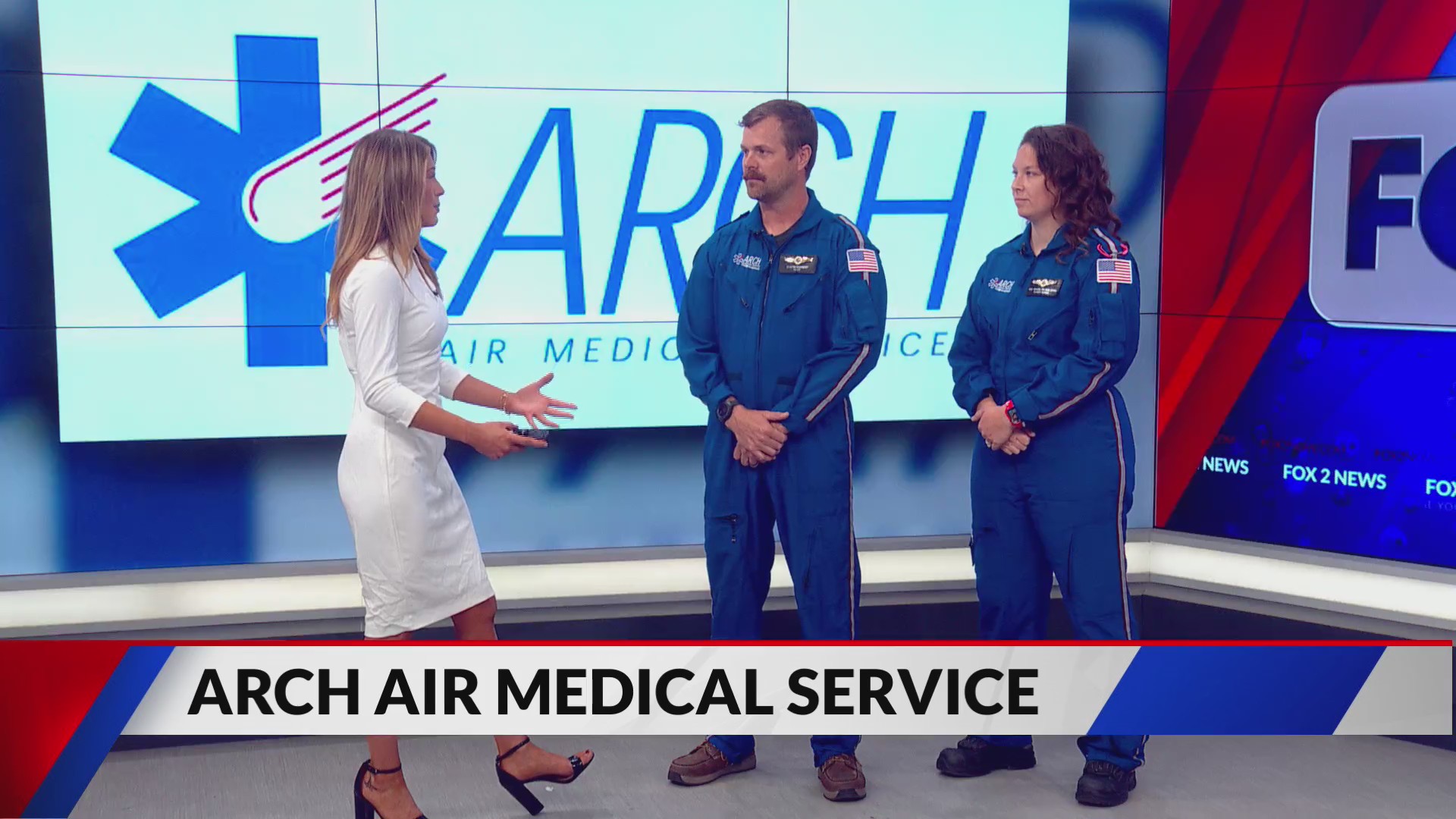
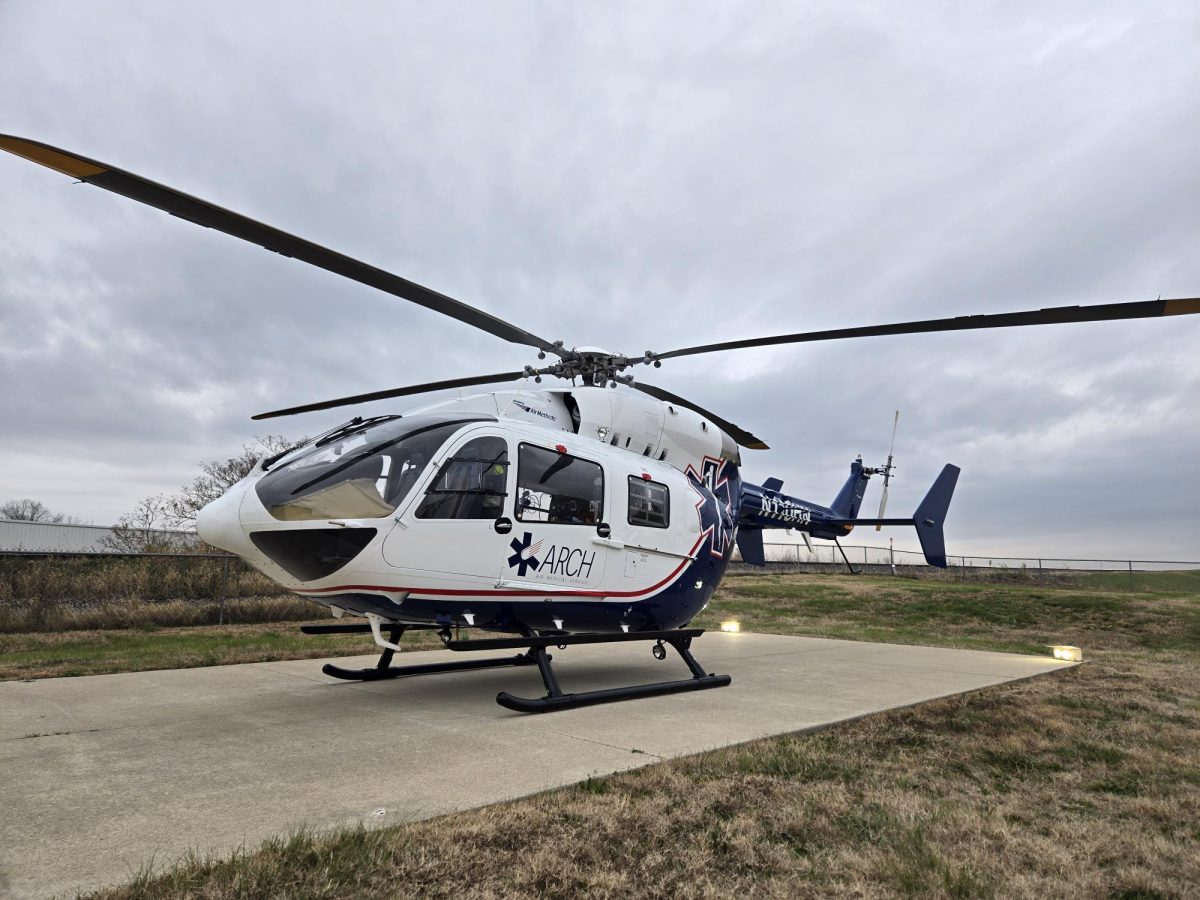
ARCH Air Medical Service functions as a critical provider of rotor-wing (helicopter) and fixed-wing (airplane) emergency medical transport, primarily serving the Midwest region of the United States. It operates as a vital link in the continuum of emergency care, facilitating the rapid transfer of critically ill or injured patients from accident scenes or smaller community hospitals to specialized trauma, cardiac, or stroke centers capable of providing definitive medical intervention.
The Role of ARCH Air Medical Service in Emergency Infrastructure
In emergency medicine, the "Golden Hour" remains a fundamental principle, suggesting that patient outcomes are significantly improved when trauma victims receive definitive surgical or specialized care within 60 minutes of injury. ARCH Air Medical Service bridges the gap between rural or underserved areas and tertiary care centers that possess the advanced diagnostic and surgical capabilities required for complex trauma, neurological emergencies, or pediatric intensive care.
The service utilizes a fleet of medically configured aircraft staffed by specialized flight crews. These crews typically consist of a flight nurse and a flight paramedic, both of whom possess advanced certification in trauma and critical care. By utilizing air transport, ARCH bypasses ground traffic, difficult terrain, and significant distances that would otherwise preclude a patient from reaching a Level I or Level II trauma center in a timely manner.
Operational Scope and Geographic Coverage
ARCH Air Medical Service has historically maintained a robust presence in the state of Missouri and surrounding regions, including parts of Illinois and Arkansas. The organization operates under a model that emphasizes high-readiness 24/7/365 availability.
The service operates in two distinct modes:
- Scene Response: Responding directly to the site of an emergency (such as a motor vehicle accident or remote outdoor injury) at the request of local first responders or dispatch centers.
- Inter-Facility Transport: Transferring patients from one medical facility to another when the receiving hospital offers a higher level of care (e.g., neonatal intensive care, neurosurgery, or specialized cardiac procedures) not available at the originating hospital.
Because air medical operations are heavily regulated by the Federal Aviation Administration (FAA) regarding flight safety and weather minimums, the availability of these services is dependent on meteorological conditions. If weather poses a risk to flight safety—such as icing conditions, severe thunderstorms, or low visibility—the service may transition to ground-based transport or inform requesting agencies that an air response is currently unavailable.
Prerequisites for Activation and Coordination
ARCH Air Medical Service is not a "dial-up" service for the general public in the way that a taxi or ride-share might be. It is an extension of the professional emergency response system. Access to the service follows a strict hierarchy of activation protocols:
- Requesting Agencies: Requests for air medical transport primarily originate from police departments, fire departments, emergency medical services (EMS) ground agencies, or physicians at rural hospitals who have determined that the clinical needs of their patient exceed the local facility's capacity.
- Medical Necessity: The transport must be medically necessary. This is determined by protocols that evaluate the nature of the injury or illness. Typical indicators include severe traumatic brain injury, multi-system trauma, acute myocardial infarction, stroke, or unstable respiratory distress.
- Clinical Communication: Once requested, the flight crew typically maintains communication with the sending facility to ensure the patient is stabilized for flight and to prepare the receiving hospital for the specific clinical requirements of the incoming patient.
Clinical Capabilities and Staffing Standards
The "medical" component of ARCH Air Medical Service is defined by the advanced skill sets of the crew members on board. Unlike standard ground ambulances, these flight teams are trained to perform interventions that are typically reserved for an Intensive Care Unit (ICU) environment.
Common clinical capabilities include:
- Advanced Airway Management: Rapid Sequence Induction (RSI) and mechanical ventilation.
- Hemodynamic Monitoring: Invasive and non-invasive monitoring of blood pressure, heart rhythm, and oxygen saturation.
- Pharmacological Intervention: Administration of vasoactive medications, thrombolytics, and advanced pain management protocols.
- Blood Product Administration: Many modern air medical services carry packed red blood cells to address life-threatening hemorrhage during the flight, significantly improving outcomes for trauma patients.
Financial Considerations and Insurance Coverage
The cost of air medical transport is significant due to the extreme overhead associated with maintaining high-performance aircraft, specialized medical equipment, 24/7 staffing, and aviation fuel. Patients or their guardians are typically billed through their health insurance providers.
However, the intersection of air medical services and insurance is complex. Key financial considerations include:
| Factor | Description |
|---|---|
| In-Network vs. Out-of-Network | Emergency services are often subject to "No Surprises Act" regulations, which limit how much a provider can charge a patient for out-of-network emergency services. |
| Medical Necessity Requirements | Insurance companies may audit claims to ensure the use of an aircraft was clinically justified rather than a convenience. |
| Membership Programs | Some air medical providers offer membership programs, which are not insurance but may cover out-of-pocket expenses (co-pays/deductibles) for transport. |
| Federal Regulation | Under the No Surprises Act, patients are protected from "balance billing" for emergency services provided by air ambulances, even if the service is out-of-network. |
It is important for patients to review their specific insurance policy regarding air ambulance coverage. While federal law provides protections against surprise billing, understanding the difference between a covered "emergency" and a "non-emergency transfer" is critical.
Comparative Analysis: Ground vs. Air Transport
The decision to utilize an air ambulance instead of a ground ambulance is governed by the "Time-Distance" analysis. Ground transport is safer and more cost-effective when the patient is within a short distance of a major trauma center. Air transport is reserved for scenarios where time is the primary enemy of patient survival.
- Efficiency: Helicopters typically travel at speeds exceeding 130–150 miles per hour, disregarding ground infrastructure like winding roads or traffic congestion.
- Terrain Constraints: In rural settings, a 30-mile journey that takes 60 minutes on winding, mountainous roads may take only 12–15 minutes via air.
- Cost: Air transport is substantially more expensive than ground ambulance transport.
- Clinical Safety: High-altitude flight or rapid acceleration/deceleration can sometimes impact a patient's physiological state, requiring specific flight-trained clinical expertise that is not required for standard ground transport.
Frequently Asked Questions (FAQ)
1. How do I request an ARCH Air Medical helicopter for an emergency? You should not attempt to contact an air medical service directly. Always dial 911 immediately. The emergency dispatcher or the local EMS agency on the scene is trained to assess the situation and request air medical support if it is medically necessary and appropriate for the current conditions.
2. Does insurance always pay for the full cost of an air ambulance? Insurance coverage varies by plan. While the No Surprises Act protects patients from being billed the difference between the billed amount and the allowed amount (balance billing), patients may still be responsible for their typical plan co-pays or deductibles.
3. Why would a helicopter be unable to fly to my location? Air medical services are subject to strict FAA safety regulations. Inclement weather, including low clouds, heavy fog, high winds, or severe storm activity, may ground the aircraft. Safety is the priority, and the pilot has the final authority to determine if a flight can be conducted safely.
4. What happens if the helicopter cannot fly due to weather? If a helicopter is unavailable, dispatchers will coordinate ground ambulance transport to the closest appropriate medical facility. In some cases, the dispatch center may utilize a different air medical provider if they have a different base location that is not impacted by the specific weather cell.
5. Are the medical crews on ARCH flights doctors? Most air medical crews consist of highly trained flight nurses and flight paramedics. While physicians may be part of the medical command team providing remote oversight or specialized transport teams, the standard operational crew is built around the advanced critical care nursing and paramedic model.
Conclusion and Next Actions
ARCH Air Medical Service represents a specialized segment of the healthcare infrastructure designed to save lives when minutes matter most. For patients and their families, the most important action is to understand that the system is fully automated through the 911 dispatch process. In the event of a critical illness or injury, focus entirely on calling for professional emergency responders. If you have questions regarding billing or insurance, contact your health insurance provider directly to request an explanation of your specific policy coverage for emergency air medical transport services under the current regulations.