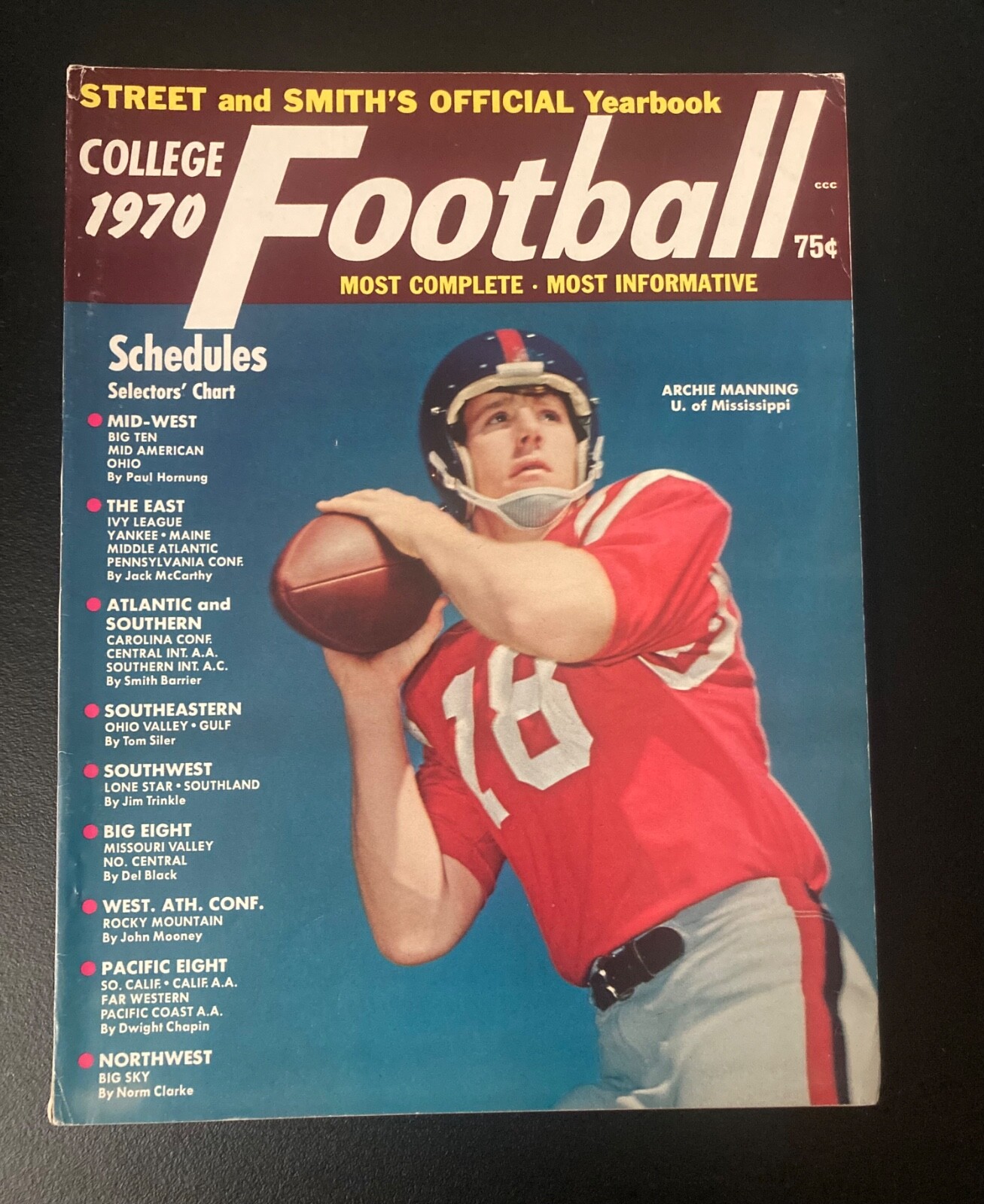
Archie Manning was born in the small town of Drew, Mississippi, on May 19, 1949. This Mississippi Delta upbringing served as the crucible for one of American sports' most enduring legacies. From his early multi-sport stardom at Drew High School to his legendary status at the University of Mississippi, Manning’s identity remains inextricably linked to his home state.
The Delta Roots: Growing Up in Drew, Mississippi
To understand the trajectory of Elisha Archibald "Archie" Manning III, one must first understand the environment of Drew, Mississippi. Located in Sunflower County, the heart of the Mississippi Delta, Drew was a quintessential Southern town during the 1950s and 60s. The Delta is known for its rich soil, its history of blues music, and its absolute devotion to high school and college athletics.
Archie’s father, Elisha Archibald "Buddy" Manning Jr., and his mother, Jane Elizabeth Manning, provided a stable, community-focused upbringing. Buddy Manning was a prominent local businessman who instilled a rigorous work ethic in his son. In a town like Drew, which had a population of only a few thousand people, sports were the primary source of community cohesion. Archie was not just a football player; he was a standout in baseball and basketball, reflecting the versatile athleticism that would later define his professional career.
The cultural landscape of Mississippi during Archie’s youth was complex and often turbulent, yet the football field served as a rare point of universal focus. Growing up in this environment, Archie developed a sense of resilience and a "hometown hero" persona that followed him to Oxford and beyond. The values of the Delta—persistence, humility, and loyalty—became the hallmarks of the Manning brand.
High School Stardom and the Transition to Oxford
By the time Archie Manning reached high school, his physical gifts were undeniable. At Drew High School, he became a local legend. While he is most remembered today for his arm, Manning was an exceptional all-around athlete. In fact, his proficiency in baseball was so great that he was drafted by the Atlanta Braves out of high school. However, his commitment to Mississippi remained firm, and he chose to attend the University of Mississippi (Ole Miss) in Oxford.
The transition from the flatlands of the Delta to the hills of Oxford was a significant milestone. In the late 1960s, Ole Miss was the epicenter of Mississippi social and political life. For a young man born in Mississippi, there was no higher honor than wearing the red and blue of the Rebels.
Archie’s arrival at Ole Miss coincided with a period of intense transition for the university and the state. He didn't just play quarterback; he became a symbol of hope and excellence. His style of play—scrambling out of the pocket, making plays with his feet, and throwing with precision—was ahead of its time. This was the era where the famous "Archie Who?" buttons began to circulate, a testament to his rising national profile despite being from a relatively small, rural state.
The "Archie Who?" Era: Legend at Ole Miss
Archie Manning’s collegiate career is the stuff of folklore in Mississippi. Standing 6'3" and weighing around 210 pounds during his playing days, he possessed the prototypical frame for a quarterback but the mobility of a much smaller player.
His most famous performance occurred in 1969 against the University of Alabama. In the first prime-time national telecast of a college football game, Manning put on a clinic. Despite a narrow 33-32 loss to the Crimson Tide, Manning accounted for 540 yards of total offense (436 passing and 104 rushing). This single game solidified his status as a national icon and remains one of the most talked-about performances in the history of the Southeastern Conference (SEC).
Key Career Milestones at Ole Miss:
- 1969 & 1970 All-SEC Selection: Manning dominated the conference, earning top honors for two consecutive years.
- Fourth in 1969 Heisman Trophy Voting: A rare feat for a player from a school that wasn't a perennial top-three powerhouse at the time.
- Third in 1970 Heisman Trophy Voting: He improved his standing as a senior, further cementing his legacy.
- Jersey Retirement: His number 18 was retired by Ole Miss, a rare distinction that speaks to his impact on the program.
His time in Oxford was also marked by personal tragedy. During his junior year, his father, Buddy Manning, passed away. This event forced Archie to mature rapidly, stepping into a leadership role not just for his team, but for his family. This resilience, forged in the fires of Mississippi hardship, would become a defining characteristic as he moved into the professional ranks.
Professional Career and the New Orleans Connection
While Archie Manning was born in Mississippi and played his college ball there, his professional career took him just across the state line to the New Orleans Saints. Selected second overall in the 1971 NFL Draft, Archie joined an expansion franchise that struggled significantly.
Despite playing behind offensive lines that offered little protection, Manning’s talent was evident. He spent the bulk of his career (1971–1982) with the Saints, earning two Pro Bowl selections (1978, 1979) and the NFC Player of the Year award in 1978. For fans in Mississippi, the Saints became the "de facto" home team because Archie was under center. The connection between Mississippi and the New Orleans Saints remains strong to this day, largely due to the Manning family's influence.
Comparing the Manning Generations
The significance of Archie Manning being born in Mississippi extends to his sons, Cooper, Peyton, and Eli. While Peyton and Eli were raised in New Orleans, their roots—and their father's mentorship—were deeply anchored in Mississippi values.
| Feature | Archie Manning | Peyton Manning | Eli Manning |
|---|---|---|---|
| Birthplace | Drew, Mississippi | New Orleans, Louisiana | New Orleans, Louisiana |
| College | Ole Miss | Tennessee | Ole Miss |
| NFL Draft Position | #2 Overall (1971) | #1 Overall (1998) | #1 Overall (2004) |
| Super Bowl Wins | 0 | 2 | 2 |
| Pro Bowl Selections | 2 | 14 | 4 |
| Mississippi Connection | Lifelong Native & Icon | Frequent Visitor/Philanthropist | 4-Year Starter at Ole Miss |
As seen in the table above, the "Mississippi Connection" is a thread that runs through the entire family. Eli Manning followed directly in his father's footsteps, attending Ole Miss and leading the Rebels to a Cotton Bowl victory, further entrenching the Manning name in Mississippi lore.
Life After Football: A Permanent Mississippi Ambassador
In 2026, Archie Manning continues to be viewed as the ultimate ambassador for the state of Mississippi. Although he resides primarily in New Orleans, his presence in Mississippi is constant. He is a frequent speaker at events in Jackson, Oxford, and the Delta.
His philanthropic efforts through the Manning Family Fund, in partnership with the University of Mississippi Medical Center (UMMC), have raised millions of dollars for health initiatives in the state. This partnership focuses on addressing health disparities in Mississippi, particularly in rural areas like the Delta where Archie was born. By giving back to the community that raised him, Archie has ensured that his legacy is not just about yards and touchdowns, but about tangible improvements in the lives of Mississippians.
Furthermore, the Manning Passing Academy, while held in Louisiana, draws thousands of young athletes from Mississippi every year. Archie, along with his sons, uses this platform to teach not only football skills but also the "Manning Way"—a philosophy of preparation, character, and sportsmanship that Archie first learned in Drew.
The Historical Significance of Drew, Mississippi
The town of Drew is more than just a footnote in Archie Manning's biography; it is a symbol of the rural Southern experience. During the mid-20th century, towns like Drew were the backbone of the American agricultural economy. The discipline required for farm life often translated to the football field.
For historians of the sport, Archie Manning represents a specific era of "Southern Football" where the quarterback was more than an athlete—he was a representative of his town’s pride. When Manning took the field for Ole Miss, he wasn't just playing for a university; he was playing for the people of the Delta. This deep-seated regional identity is why, even decades after his retirement, he remains the most beloved figure in Mississippi sports history.
Common Misconceptions About Archie Manning’s Origins
Because of his long association with the New Orleans Saints, many younger fans mistakenly believe Archie Manning was born in Louisiana. It is vital to clarify that his "Mississippi-born" status is a point of immense pride for the state.
Another common misconception is that his career was defined solely by the Saints' losing records during his tenure. In reality, football experts and his contemporaries often cite Manning as one of the most talented quarterbacks to ever play the game, arguing that on a more established team, he would have likely won multiple championships. His ability to maintain a high level of play despite the circumstances is a testament to the grit he developed as a youth in Mississippi.
FAQ: Frequently Asked Questions
Where exactly was Archie Manning born?
Archie Manning was born in Drew, Mississippi, a small town in the Mississippi Delta region. He grew up there and attended Drew High School before moving to Oxford to attend the University of Mississippi.
Did Archie Manning ever live in Mississippi after his NFL career?
While Archie Manning established his primary residence in New Orleans during and after his career with the Saints, he has maintained a constant presence in Mississippi. He owns property in the state and is frequently involved with the University of Mississippi and various charitable organizations based in Jackson and Oxford.
What is Archie Manning’s current relationship with Ole Miss?
As of 2026, Archie Manning remains one of the most active and influential alumni of the University of Mississippi. He is a frequent attendee at football games, a major donor to the athletic department, and his name is featured prominently across the campus, including on the street leading to the stadium (Manning Way).
How has Archie Manning contributed to the Mississippi Delta?
Through the Manning Family Fund for Health, Archie has targeted specific health and wellness initiatives in the Delta region. These efforts include improving access to primary care and supporting pediatric health services at the University of Mississippi Medical Center.
Was Archie Manning a multi-sport athlete in Mississippi?
Yes. At Drew High School, he was a standout in football, basketball, and baseball. He was so proficient in baseball that he was drafted four separate times by Major League Baseball teams, but he ultimately chose to pursue football at Ole Miss.
Practical Recommendations for Fans and Historians
For those looking to explore the legacy of Archie Manning and his Mississippi roots, several sites and resources are recommended:
- Visit Oxford, Mississippi: The University of Mississippi campus features numerous tributes to Manning, including his retired jersey displayed in the stadium and the "Archie Who?" memorabilia in the athletic offices.
- The Mississippi Sports Hall of Fame: Located in Jackson, Mississippi, this museum houses an extensive collection of Manning's gear, trophies, and historical photographs from his time in Drew and Oxford.
- Read "Manning: A Father, His Sons, and a Football Legacy": This book, co-authored by Archie Manning and Peyton Manning with John Ed Bradley, provides the most in-depth look at his early life in the Delta and how it shaped his family's future.
- Support the Manning Family Fund: For those looking to honor his legacy through action, contributing to the health initiatives at UMMC is the most direct way to support the cause Archie cares about most—the well-being of his fellow Mississippians.
Archie Manning’s story is a reminder that even the most legendary careers often have humble, small-town beginnings. By remaining loyal to his Mississippi roots, he has built a legacy that transcends the game of football, making him a permanent icon of the American South.