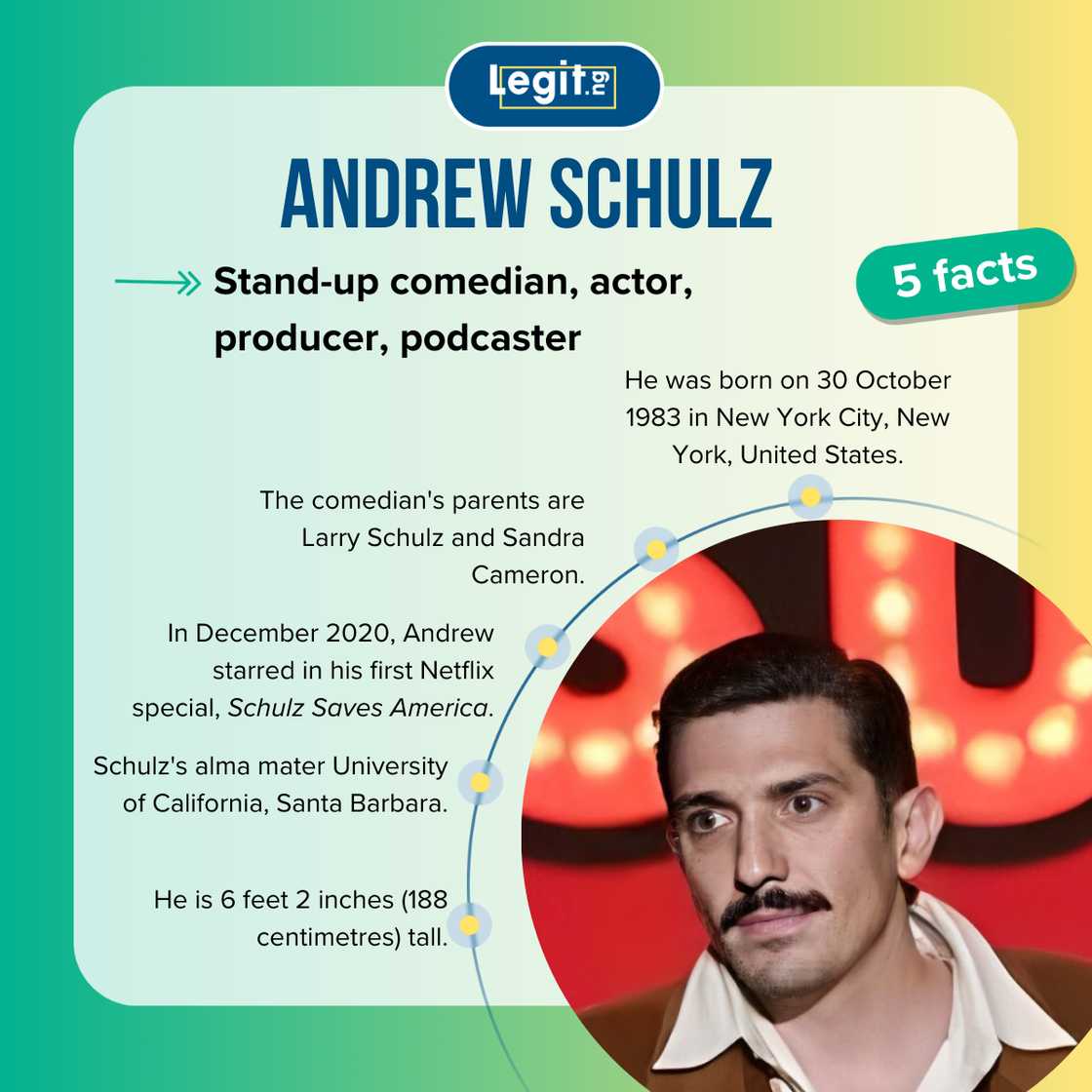
As of 2026, Andrew Schulz’s estimated net worth is approximately $10 to $12 million. This valuation is built upon his transition from traditional stand-up club circuits to a self-funded, independent digital distribution model, headlined by his highly successful podcast, Flagrant, and his aggressive use of social media clips to monetize global touring.
The Mechanics of Independent Comedy Economics
To understand Andrew Schulz’s financial profile, one must first recognize the shift in the economics of modern stand-up comedy. Historically, comedians relied on record labels, television network specials, and late-night guest spots to reach an audience. Schulz pioneered a different route, prioritizing direct-to-consumer digital engagement. By bypassing traditional gatekeepers, he shifted the power dynamic in his favor, allowing him to retain a significantly higher percentage of his earnings.
His financial model is built on three primary pillars: touring revenue, digital content monetization, and independent production. By leveraging the Flagrant podcast and his massive social media presence—specifically his use of short-form "clips" on platforms like Instagram, TikTok, and YouTube—Schulz creates an algorithmic funnel that drives ticket sales for his live shows. This strategy minimizes marketing spend while maximizing reach.
Analysis of Revenue Streams
Schulz’s income is not derived from a singular salary but rather a diversified portfolio of entertainment assets. His financial stability is a byproduct of his ability to pivot between different media formats.
1. Global Touring and Live Performance
Live touring remains the bedrock of his financial success. Unlike comedians who rely on major streaming platforms to host their specials, Schulz famously reclaimed his own masters. By producing his own specials—such as Infamous and Life Goes On—and hosting them on his own website before eventually licensing them elsewhere, he maintains control over the distribution rights. This allows him to generate revenue through direct digital sales, tiered subscription access, and high-margin live tour tickets.
2. Podcasting and Advertising
The Flagrant podcast, co-hosted with Akaash Singh, serves as a consistent revenue engine. Through platform-integrated advertising, sponsor reads, and premium content tiers, the podcast provides a predictable cash flow that differs from the feast-or-famine nature of touring. In 2026, the valuation of independent podcasting networks continues to rise, and Schulz’s ability to maintain high engagement levels ensures premium rates from advertisers.
3. Social Media Monetization
Schulz utilizes a "clip-first" strategy. By deconstructing his podcast episodes and stand-up performances into viral snippets, he maintains an omnipresent digital footprint. While the direct monetization of these clips through platform ad-revenue sharing is often secondary to their function as a marketing tool, they represent an invaluable asset in terms of brand equity, which indirectly inflates his booking fees for global tours.
Comparative Financial Context
To better understand where Schulz stands in the current entertainment landscape, it is useful to look at the different methods comedians use to structure their careers.
| Strategy | Primary Revenue Source | Pros | Cons |
|---|---|---|---|
| Traditional Studio Deal | Upfront Licensing Fee | Immediate capital, high exposure | Loss of creative control and long-term ownership |
| Independent/Self-Funded | Ticket Sales & Digital D2C | Full ownership, higher margins | High financial risk, operational burden |
| Hybrid Content Creator | Sponsorships & Ad Revenue | Consistent cash flow | Heavily dependent on algorithmic favor |
Schulz operates primarily in the "Independent/Self-Funded" category, with elements of the "Hybrid Content Creator." This blend is essential for mitigating the risks associated with the decline of cable television viewership.
Prerequisites for Financial Independence in Comedy
For an entertainer to achieve the level of financial independence Schulz has demonstrated, specific operational milestones are required. These are not merely artistic achievements but business requirements:
- Ownership of Intellectual Property: The ability to produce, own, and distribute specials independently of major studio licensing agreements.
- Audience Data Ownership: By utilizing direct-to-consumer mailing lists and dedicated web platforms, Schulz collects first-party data on his fans. This removes his dependence on third-party algorithms for concert promotion.
- Operational Scaling: Moving from small club runs to large-scale arena tours requires an infrastructure of agents, venue managers, and production crews. Schulz’s growth in net worth is directly tied to his successful transition to selling out large-scale venues.
Challenges and Market Limitations
While Schulz’s trajectory has been upward, his financial profile is subject to the inherent volatility of the entertainment industry. Market saturation in the podcasting space and the rising costs of production for high-quality live specials create ongoing overhead pressures. Furthermore, his independent model requires constant activity; unlike established television actors who might earn residuals from long-running series, Schulz’s income is highly tied to his ability to remain culturally relevant and consistently active in touring.
Frequently Asked Questions (FAQ)
Does Andrew Schulz own his own comedy specials? Yes. Following a well-publicized incident in 2022 where he chose to self-release his special Infamous after a streaming platform requested the removal of specific jokes, Schulz solidified his commitment to owning his content. This move allowed him to retain all digital sales revenue and licensing fees thereafter.
How does Andrew Schulz earn money from his podcast? His income from Flagrant is generated through a mix of dynamic ad insertion, host-read sponsorships, and a membership model that provides fans with exclusive content. These streams ensure that the podcast is profitable even during gaps in his touring schedule.
Why is his net worth estimated at $10-12 million? This estimate is an aggregation of reported tour grosses, estimated earnings from digital content sales, and the valuation of his production company assets. Because he operates as an independent entity, these numbers are extrapolated from ticket sales data, industry-standard advertising rates, and public reports of his sold-out international tours.
Does he have other investments? While details of his personal financial investments—such as stocks, real estate, or venture capital—are generally private, he has spoken about reinvesting his earnings back into his production company to improve the quality of his live recordings and digital media infrastructure.
How does his net worth compare to other top-tier comedians? Compared to legacy comedians who have been active for decades and possess deep catalogs of film and television roles, Schulz’s net worth is mid-tier. However, relative to comedians who primarily focus on stand-up and digital media, he is considered a high earner due to his lack of middleman expenses and high ticket-sales conversion rates.
Recommendation for Further Financial Insight
Readers interested in the business side of the creator economy should monitor the growth of independent distribution platforms. Schulz’s model suggests that for comedians, the path to sustained wealth is increasingly found in the "owner-operator" model rather than the "talent-for-hire" model. If you are tracking the financial health of public figures, focus on their ability to retain rights to their IP and the diversity of their income streams, as these are the most reliable indicators of long-term financial viability in the modern entertainment sector.