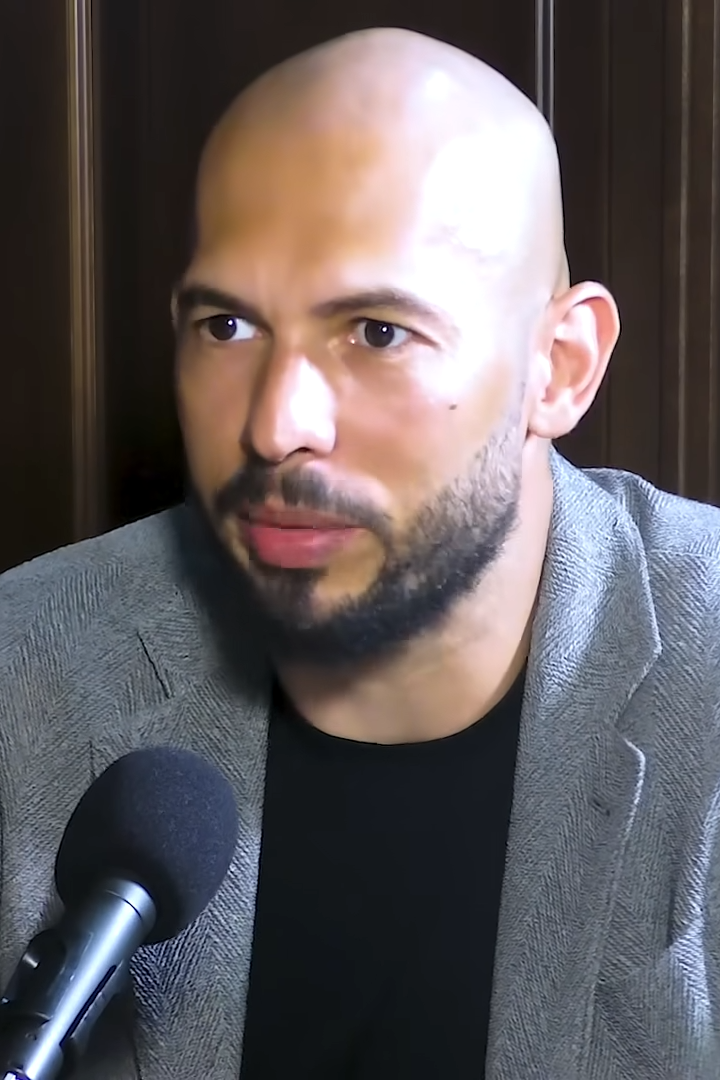
Andrew Tate was born on December 1, 1986, at the Walter Reed Army Medical Center in Washington, D.C., United States. Raised by an American father and a British mother, his early background is defined by a bicultural upbringing, a move from the U.S. to Luton, England, following his parents' divorce, and the profound intellectual influence of his father, a renowned chess grandmaster.
The American Roots: Birthplace and Early Childhood in Washington, D.C.
The origins of Emory Andrew Tate III—known globally as Andrew Tate—begin in the heart of the United States. Born in 1986, Tate’s early years were spent in the Washington, D.C. metropolitan area. His father, Emory Tate Jr., was an African-American military veteran and a legendary figure in the world of international chess. His mother, Eileen Tate, worked as a catering assistant.
Living in the United States during the late 1980s and early 1990s, the Tate family was immersed in a culture that prioritized competitive excellence, largely driven by Emory Tate’s chess career. Although the family was not wealthy, the environment was intellectually rigorous. Andrew was the eldest of three children, followed by his brother Tristan and his sister Janine.
The significance of his birthplace, Walter Reed Army Medical Center, points to his father’s military service. Emory Tate served in the United States Air Force, where his linguistic skills and intelligence were highly valued. This military background instilled a sense of discipline and hierarchy in the household from an early age—elements that Andrew Tate frequently references when discussing his "origin story."
The Influence of Emory Tate: A Legacy of Strategy and Discipline
To understand Andrew Tate’s early background, one must analyze the life of his father. Emory Tate was not just a chess player; he was an International Master known for his aggressive, creative, and fearless style of play. He defeated numerous Grandmasters and was a five-time United States Armed Forces Chess Champion.
For Andrew, his father was a towering figure of intellectual dominance. Emory taught Andrew and Tristan to play chess at a very young age, viewing the game not merely as a hobby but as a psychological battleground. The lessons learned over the chessboard—calculating risks, anticipating an opponent's moves, and maintaining emotional stoicism—became the bedrock of Andrew's future business and personal philosophy.
However, the elder Tate’s brilliance did not always translate into financial stability. The family often faced economic challenges, a reality that shaped Andrew’s early perception of money and the necessity of "hustling." The tension between intellectual wealth and material scarcity is a recurring theme in Tate’s narrative of his childhood in America.
Relocation to the United Kingdom: The Move to Luton
The most pivotal shift in Andrew Tate’s origin occurred when he was approximately 10 or 11 years old. Following the divorce of his parents, his mother, Eileen, made the decision to return to her native United Kingdom. She settled in Luton, a large town in Bedfordshire, England, taking her three children with her.
This transition represented a significant culture shock and a socioeconomic downgrade. In the United States, they had lived a relatively middle-class life tied to the military and the chess circuit. In Luton, they moved into a council estate (public housing). Andrew has often described this period as one of "relative poverty," noting that his mother worked hard to provide basic necessities while the children adjusted to a rougher, more urban British environment.
Luton in the late 1990s was a multicultural, working-class town with a reputation for being "gritty." For Andrew and Tristan, being biracial Americans in a British council estate meant they had to learn to navigate a new social hierarchy. This environment forced them to develop toughness and social adaptability. It was during these formative years in Luton that the bond between Andrew and Tristan became unbreakable, as they viewed themselves as outsiders who had to rely on one another for protection and success.
Educational Background and Early Academic Life
Andrew Tate attended local schools in Luton, eventually enrolling in Luton Sixth Form College. Despite his later criticisms of traditional education systems, Tate was recognized by peers and teachers as being exceptionally bright. His academic performance was strong, particularly in subjects that required logic and strategic thinking.
During his time at Sixth Form, Tate began to display the entrepreneurial spirit that would later define his career. He was less interested in the prospect of a standard university degree and a 9-to-5 career and more focused on finding ways to generate income. The realization that his father’s genius had not led to wealth made Andrew determined to find a different path—one where his competitive drive would result in tangible financial rewards.
While many of his contemporaries were preparing for university, Tate was already looking toward the world of professional combat sports and business. He viewed the traditional educational path as a "trap," a sentiment that has remained a cornerstone of his messaging well into 2026.
The Genesis of a Fighter: Transitioning into Kickboxing
The transition from a strategic chess player to a world-class kickboxer is perhaps the most distinctive part of Tate’s early background. While living in Luton, he began training at local gyms. His entry into combat sports was not just about physical fitness; it was an extension of the competitive drive instilled by his father.
Tate’s "origin" as a fighter began at the Storm Gym in Luton, under the tutelage of coach Amir Subasic. He applied the same analytical approach to fighting that he had used in chess. He was known for being a "thinking fighter," using his long reach and psychological warfare to outmaneuver opponents.
His professional career began in the mid-2000s. By 2009, he was ranked as one of the top kickboxers in the UK. His background in Luton, combined with the discipline of his American military-influenced upbringing, provided the perfect crucible for a championship career. He eventually won four world titles under the International Sport Kickboxing Association (ISKA) across two different weight classes.
Comparison of Early Life Phases: USA vs. UK
The following table highlights the key differences and transitions during Andrew Tate’s formative years, illustrating how his environment shaped his eventual persona.
| Feature | United States (Birth – Age 11) | United Kingdom (Age 11 – Early Adulthood) |
|---|---|---|
| Location | Washington, D.C. / Maryland area | Luton, Bedfordshire, England |
| Household | Dual-parent, military influence | Single-parent (Mother), Council Estate |
| Socioeconomic Status | Lower-Middle Class | Working Class / Low Income |
| Primary Influence | Emory Tate (Father / Chess Master) | Eileen Tate (Mother) / Local Peers |
| Key Activity | Scholastic Chess / Academic Growth | Kickboxing / Early Entrepreneurship |
| Social Dynamics | Military community, American culture | Urban UK culture, "Outsider" status |
| Outcome | Developed strategic mindset | Developed physical toughness and "hustle" |
Family Dynamics and the Role of Siblings
The early background of Andrew Tate is inseparable from his relationship with his younger brother, Tristan Tate. Throughout their childhood in Luton, the two were nearly inseparable. This partnership is a key component of their origin story, as they often recount stories of sharing a single meal or working together to overcome the challenges of their environment.
Their sister, Janine Tate, followed a different path. While Andrew and Tristan moved toward combat sports and the limelight, Janine remained more private, eventually becoming a lawyer in the United States. The divergence in their paths highlights the different ways the Tate siblings processed their upbringing; while Andrew and Tristan embraced a high-risk, high-reward lifestyle, Janine chose a more traditional, stable route.
Andrew’s relationship with his mother, Eileen, remained complex. While he has often praised her work ethic and the sacrifices she made to raise them in Luton, he also used his early success in kickboxing and business to retire her from her job as a dinner lady, a move he frequently cites as one of his proudest achievements.
Cultural Identity and the "Self-Made" Narrative
A significant portion of Tate’s origin is tied to his biracial identity and his status as a "transatlantic" individual. Growing up with an African-American father and a White British mother, and moving between the two countries, gave him a unique perspective on race and class. However, Tate has consistently downplayed the role of race in his life, instead emphasizing a "meritocratic" worldview where individual effort is the only relevant factor.
His early background in Luton provided the "rags-to-riches" narrative that he would later use to build his massive online following. By 2026, this narrative—moving from a council estate in England to a life of extreme luxury—remains the central pillar of his brand. He credits the harshness of his early life in Luton with giving him the "mental fortitude" required to succeed in the competitive worlds of professional fighting and international business.
Summary of Key Life Events
- 1986: Born in Washington, D.C.
- Early 1990s: Learns chess from his father and begins competing at a high level for his age.
- Late 1990s: Parents divorce; moves with his mother and siblings to Luton, England.
- Early 2000s: Attends Luton Sixth Form College; begins training in kickboxing.
- 2005-2008: Rises through the ranks of the amateur and professional kickboxing circuits in the UK.
- 2009: Wins first major championship, establishing himself as a world-class athlete.
Frequently Asked Questions
Where was Andrew Tate exactly born?
Andrew Tate was born at the Walter Reed Army Medical Center in Washington, D.C. This facility is a major U.S. Army tertiary care hospital, reflecting his father’s status as a veteran of the United States Air Force.
Is Andrew Tate American or British?
He holds dual citizenship. He was born in the United States to an American father, making him a U.S. citizen by birth. However, because he moved to the United Kingdom as a child and was raised there by his British mother, he also holds British citizenship and identifies strongly with both cultures.
What did Andrew Tate’s father do for a living?
Emory Tate Jr. was a professional chess player and an International Master. He also served in the U.S. Air Force, where he was a linguist. He is widely considered one of the greatest African-American chess players in history and had a profound influence on Andrew’s competitive mindset.
What was Andrew Tate’s first job?
Before his kickboxing career took off, Andrew Tate worked several jobs in Luton. One of his first significant roles was in television advertising sales and production. He has often spoken about how learning to sell over the phone in his early 20s was a foundational skill for his later business success.
Did Andrew Tate grow up wealthy?
No. While his early childhood in the U.S. was relatively stable, his life in Luton, England, following his parents' divorce was characterized by financial struggle. He grew up in a council estate and has frequently discussed the "hunger" that poverty instilled in him, which drove him to pursue wealth aggressively.
What school did Andrew Tate attend?
In the UK, he attended local schools in Luton and eventually graduated from Luton Sixth Form College. He did not pursue a traditional university degree, opting instead to enter the workforce and the professional fighting circuit immediately after his college years.
Practical Takeaway: Understanding the "Tate Origins"
For those researching Andrew Tate’s background, it is essential to distinguish between the persona he projects today and the factual milestones of his youth. His origin is a blend of American military discipline, the high-level strategy of international chess, and the grit of working-class British life. This unique combination of influences created a personality that values competition, stoicism, and financial independence above all else. Whether analyzing his business ventures or his social commentary in 2026, these early experiences in Washington, D.C., and Luton remain the most accurate predictors of his worldview and actions.