Acquiring amusement park equipment requires a strategic balance between capital expenditure, structural engineering compliance, attendee safety standards, and long-term maintenance logistics. Whether you are launching a new family entertainment center, expanding an existing regional theme park, or upgrading legacy flat rides, navigating the commercial market demands rigorous evaluation of manufacturer certifications, total cost of ownership, and regulatory frameworks.
Understanding the Amusement Park Equipment Market
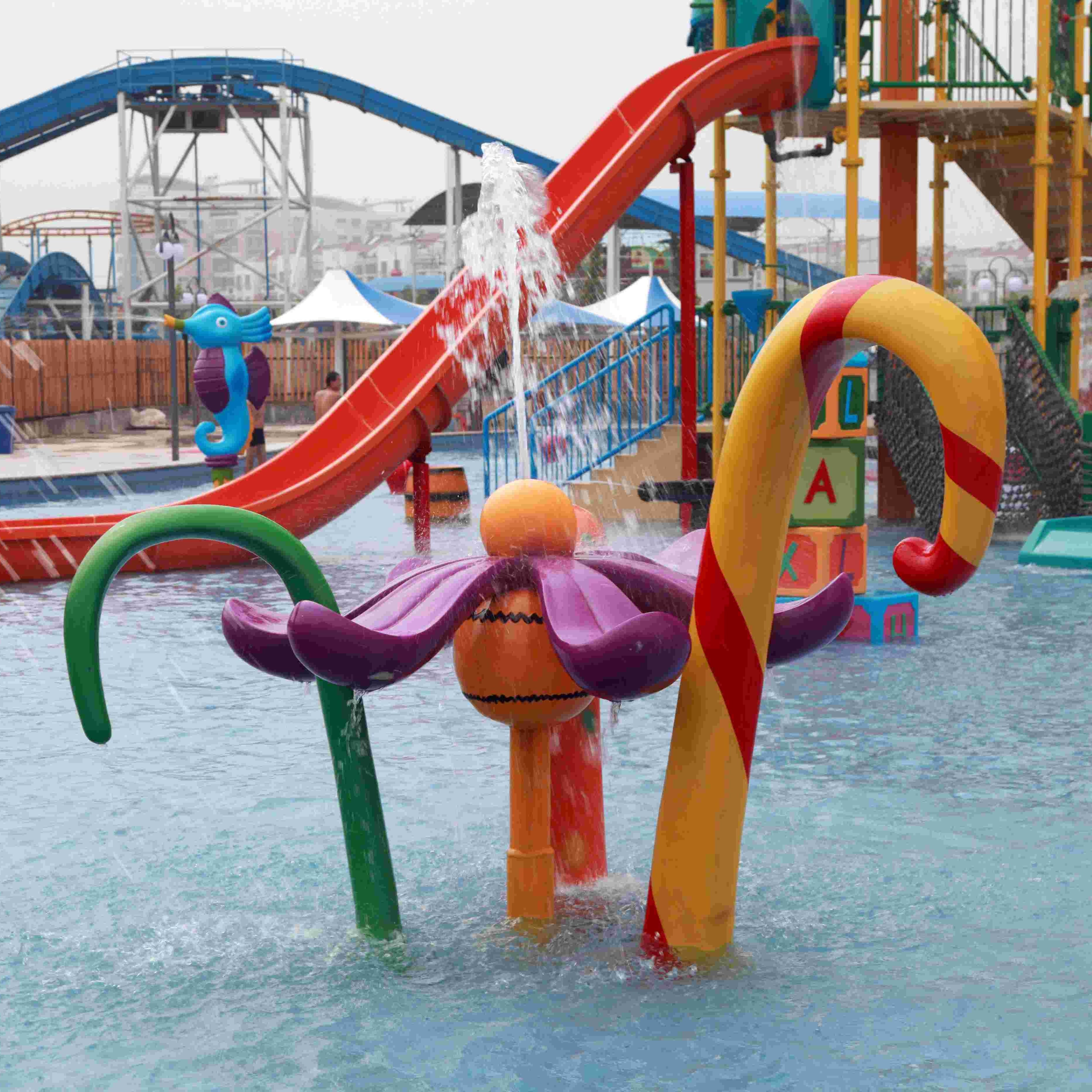
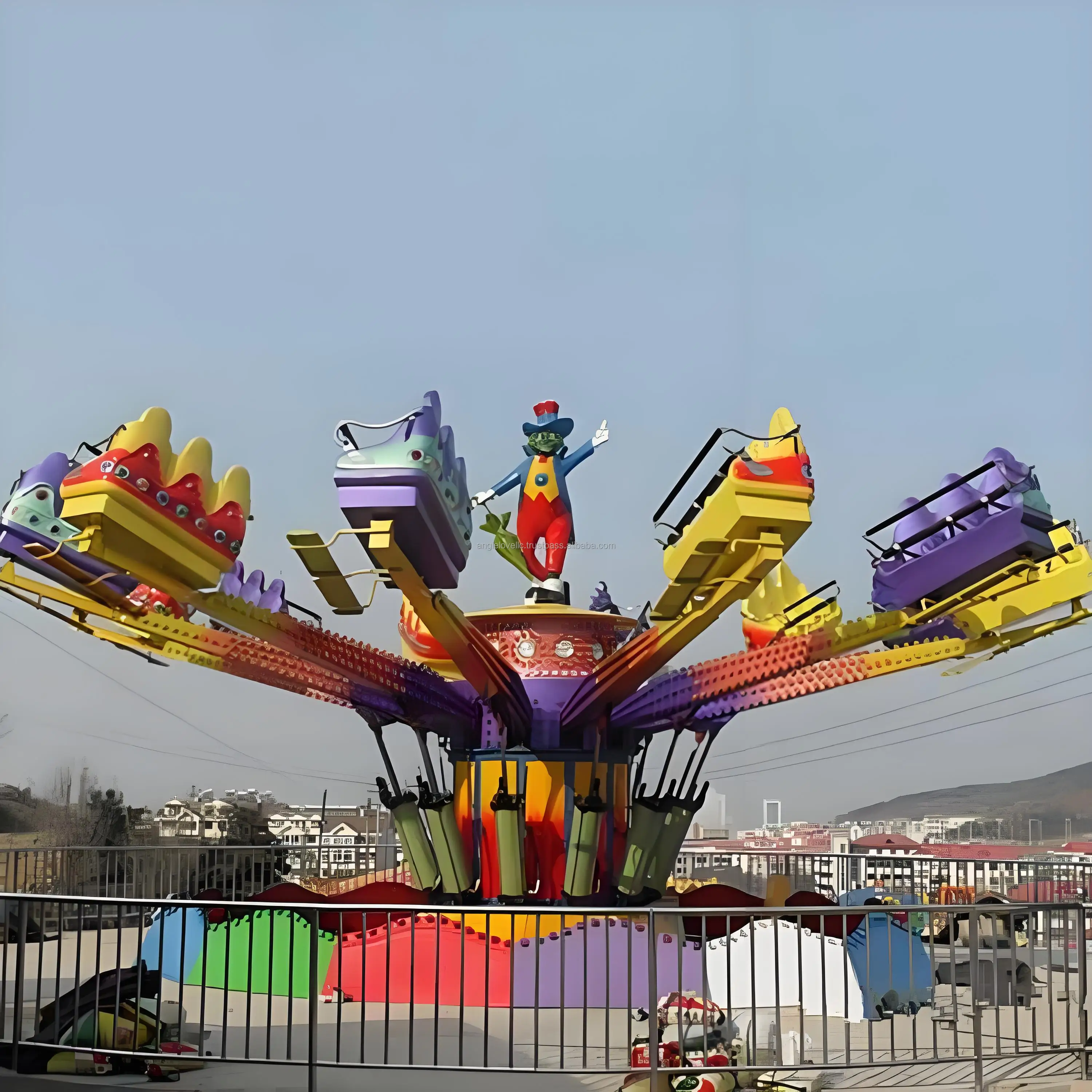
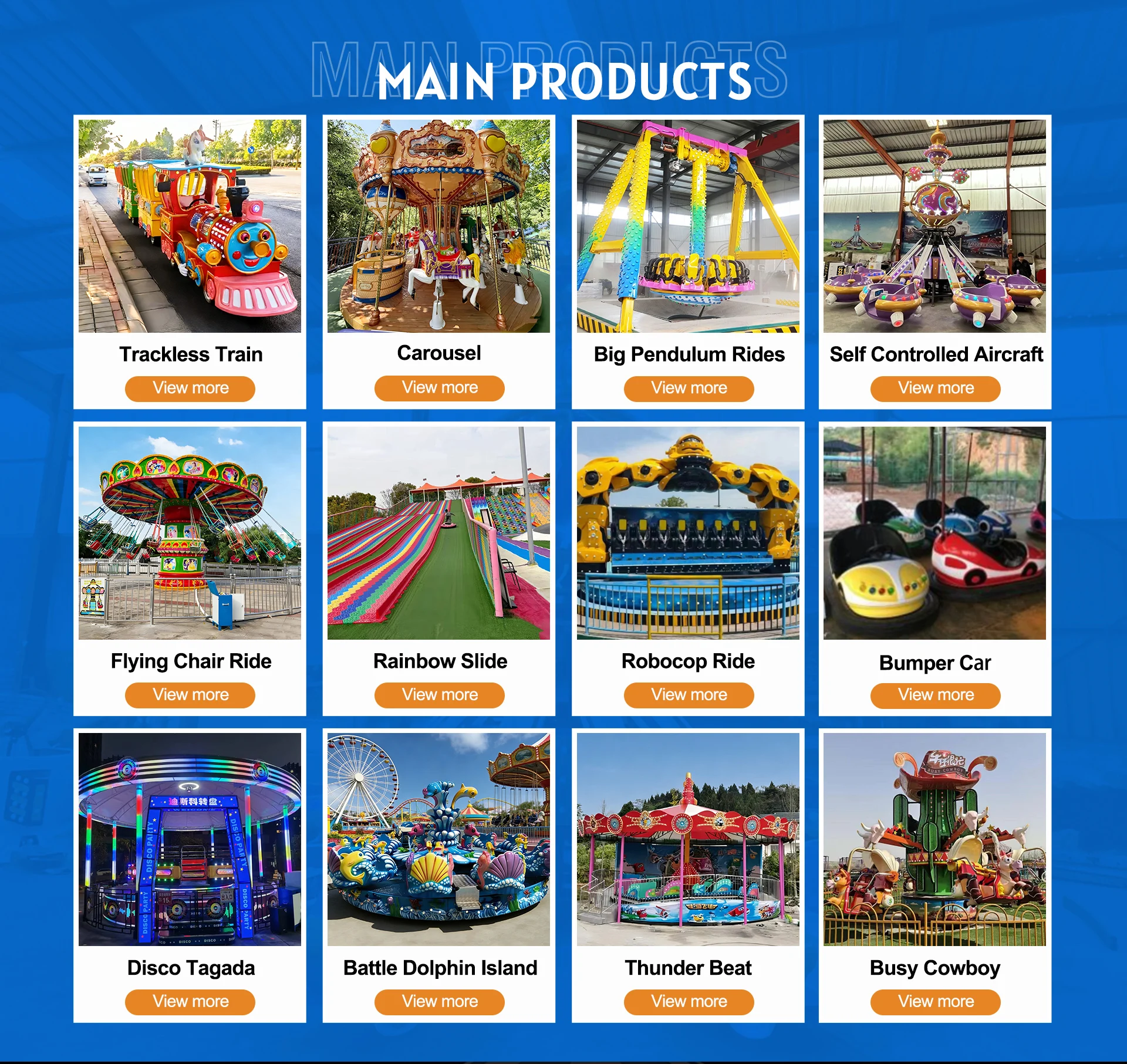
The market for commercial amusement park equipment encompasses a vast array of assets, ranging from traditional mechanical flat rides and family roller coasters to interactive water attractions and modern virtual reality simulators. Buyers generally approach this market through two primary avenues: purchasing brand-new machinery directly from original equipment manufacturers (OEMs) or acquiring certified pre-owned, refurbished, or second-hand equipment through specialized brokers and liquidation sales.
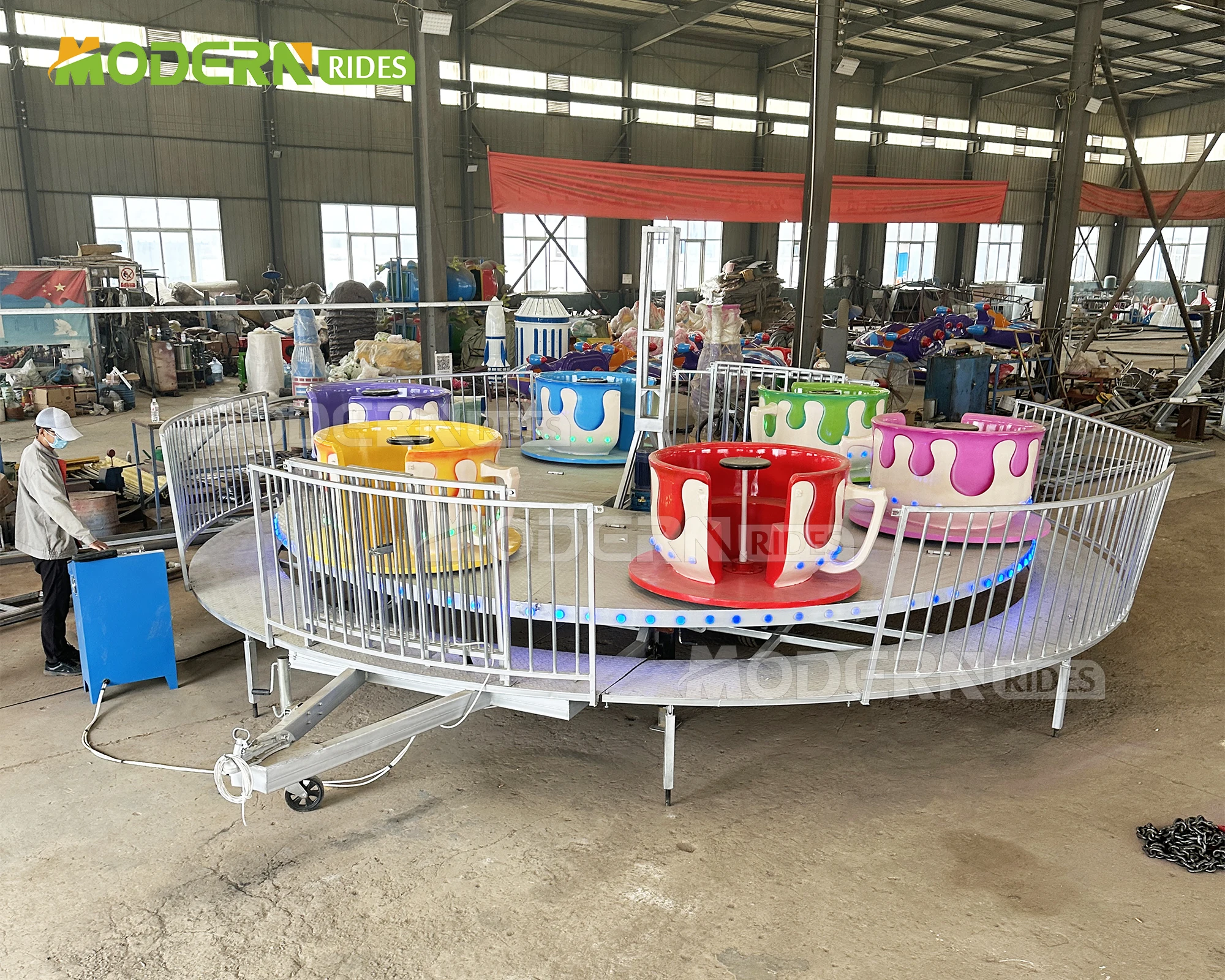
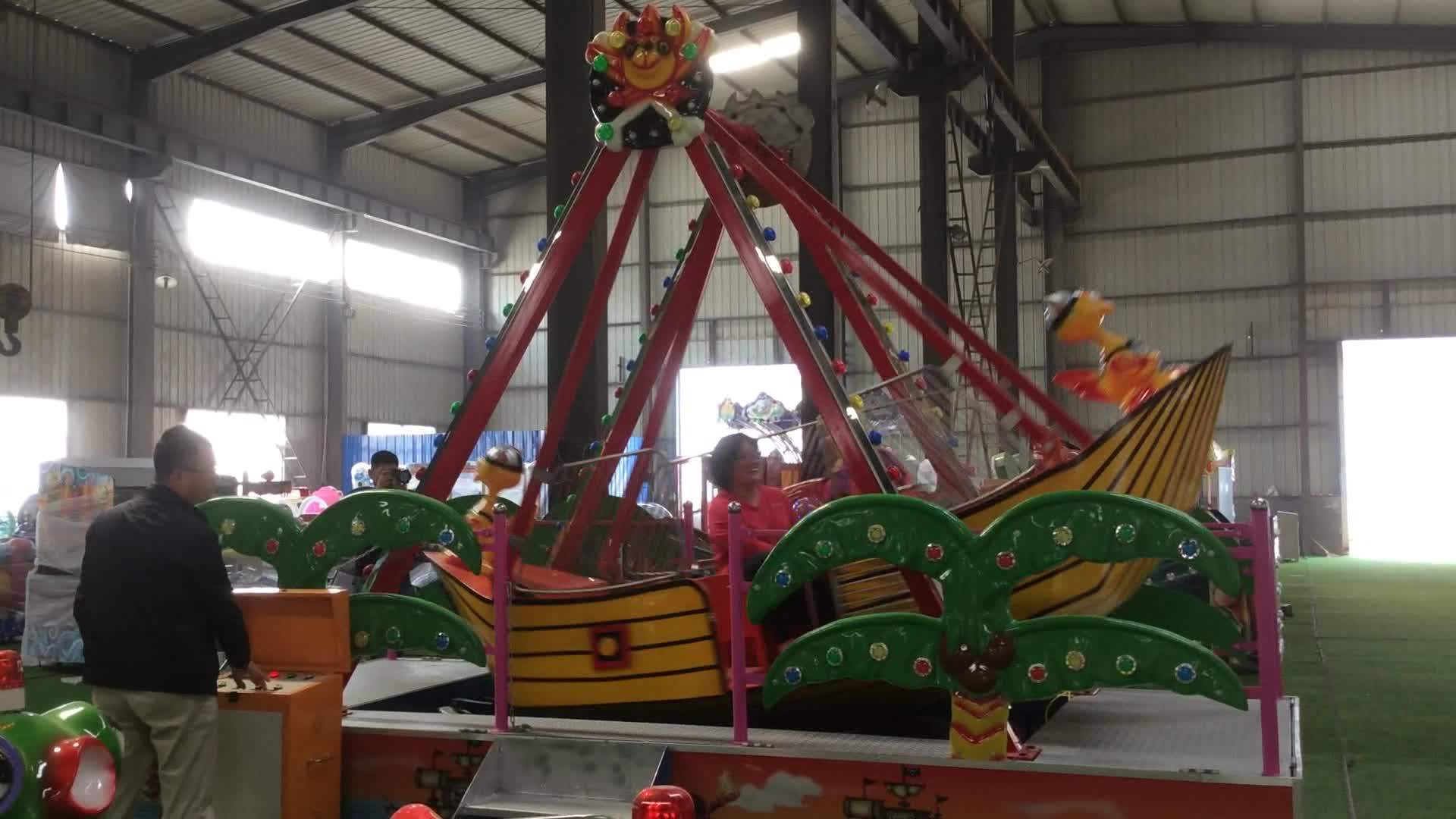
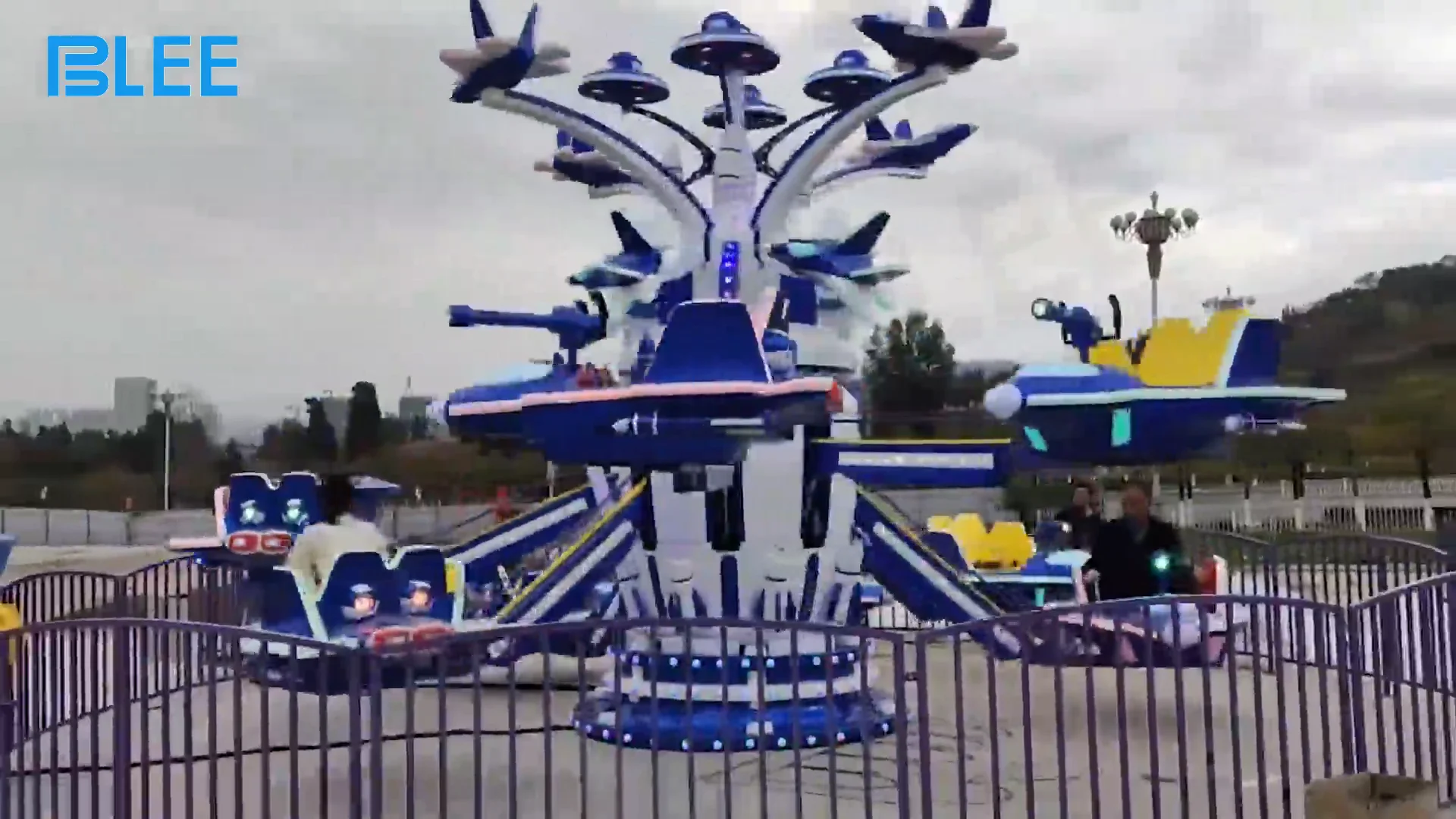
When analyzing listings labeled for amusement park equipment sale, distinction must be made between temporary portable carnival machinery and permanent, heavy-duty park installations. Permanent installations require extensive site preparation, specialized concrete foundations, high-voltage electrical infrastructure, and customized thematic integration. Conversely, portable models are engineered for rapid assembly, disassembly, and transport on semi-trailers, which influences their mechanical design, weight distribution, and structural fastening systems.
Furthermore, supply chain dynamics heavily dictate purchasing timelines. Custom-engineered roller coasters and high-capacity dark rides often feature lead times ranging from 12 to 36 months from initial contract signing to final commissioning. Standard mass-produced family rides, such as carousel units or bumper cars, may be available via existing inventory or shorter manufacturing windows. Understanding these timelines is vital for business plan execution, seasonal grand opening projections, and financing milestones.
New Versus Used Equipment: Weighing the Trade-Offs
Choosing between brand-new amusement rides and second-hand equipment represents one of the most critical capital allocation decisions an operator will make. Both paths carry distinct financial advantages, operational risks, and regulatory hurdles.
Purchasing New Equipment from OEMs
Investing in brand-new equipment guarantees access to modern control systems, state-of-the-art safety protocols, and full manufacturer warranties. New machinery complies with the latest iterations of international safety standards, such as ASTM F24 standards in North America or EN 13814 standards in Europe. Additionally, buyers can frequently customize the thematic elements, color schemes, and seating configurations to match their park's specific branding.
- Pros: Extended warranties, cutting-edge technology, maximum operational lifespan, customizable design, and predictable initial maintenance schedules.
- Cons: Significantly higher capital investment, longer manufacturing lead times, and potential depreciation risks if market demand shifts.
Purchasing Used or Refurbished Equipment
The secondary market offers attractive entry points for independent operators seeking to reduce startup costs or expand ride portfolios rapidly. Auctions, park closures, and brokerage listings often feature rides at a fraction of their original cost. However, purchasing used equipment requires absolute due diligence.
- Pros: Lower upfront capital requirements, immediate availability, and established historical performance data.
- Cons: Shorter remaining lifecycle, potential lack of readily available spare parts for discontinued models, absence of manufacturer warranties, and the potential need for expensive retrofitting to meet current safety codes.
| Evaluation Metric | New OEM Equipment | Used / Refurbished Equipment |
|---|---|---|
| Initial Capital Cost | High to Very High | Moderate to Low |
| Lead Time | 12 to 36 Months | Immediate to 3 Months |
| Warranty Coverage | Comprehensive (1–2 Years) | Limited or None (As-Is) |
| Compliance Status | Guaranteed Current Standards | May Require Modernization |
| Lifespan Expectancy | 20 to 30+ Years | Variable (Dependent on History) |
Regulatory Compliance, Safety Standards, and Due Diligence
No amusement park equipment purchase can proceed without strict adherence to statutory safety standards and engineering oversight. Regulatory frameworks govern every phase of acquisition, from structural calculations to final state or municipal inspections.
Engineering Reviews and Non-Destructive Testing (NDT)
When evaluating used equipment, an independent third-party structural engineer must perform a comprehensive inspection. This evaluation includes reviewing original manufacturing data books, maintenance logs, and modification histories. For metallic structures, Non-Destructive Testing (NDT)—such as magnetic particle inspection, ultrasonic testing, or eddy current testing—is mandatory to detect fatigue cracks, stress fractures, or hidden corrosion within high-stress load-bearing welds.
International and Regional Standards
Operators must ensure that any equipment purchased conforms to the governing bodies of their operating jurisdiction. Key standards include:
- ASTM F24 Committee on Amusement Rides and Devices: The primary authority in North America setting design, manufacturing, operation, and maintenance standards.
- EN 13814: The European standard specifying the safety requirements for design, calculation, manufacturing, and operation of fairground and amusement park machinery.
- ISO Standards: International Organization for Standardization guidelines covering specific mechanical and electrical safety parameters.
Financial Planning, Insurance, and Total Cost of Ownership
The purchase price listed in an advertisement or catalog represents only a fraction of the total investment required to bring an amusement ride online. Prudent financial planning must account for the full lifecycle cost of the asset.
Hidden and Peripheral Expenses
- Shipping and Logistics: Moving oversized or heavy structural components often requires specialized heavy-haul transport, escort vehicles, and international customs clearance for imported rides.
- Site Preparation and Installation: Civil engineering work, reinforced concrete foundations, underground utility routing, and crane rentals for assembly represent substantial capital outlays.
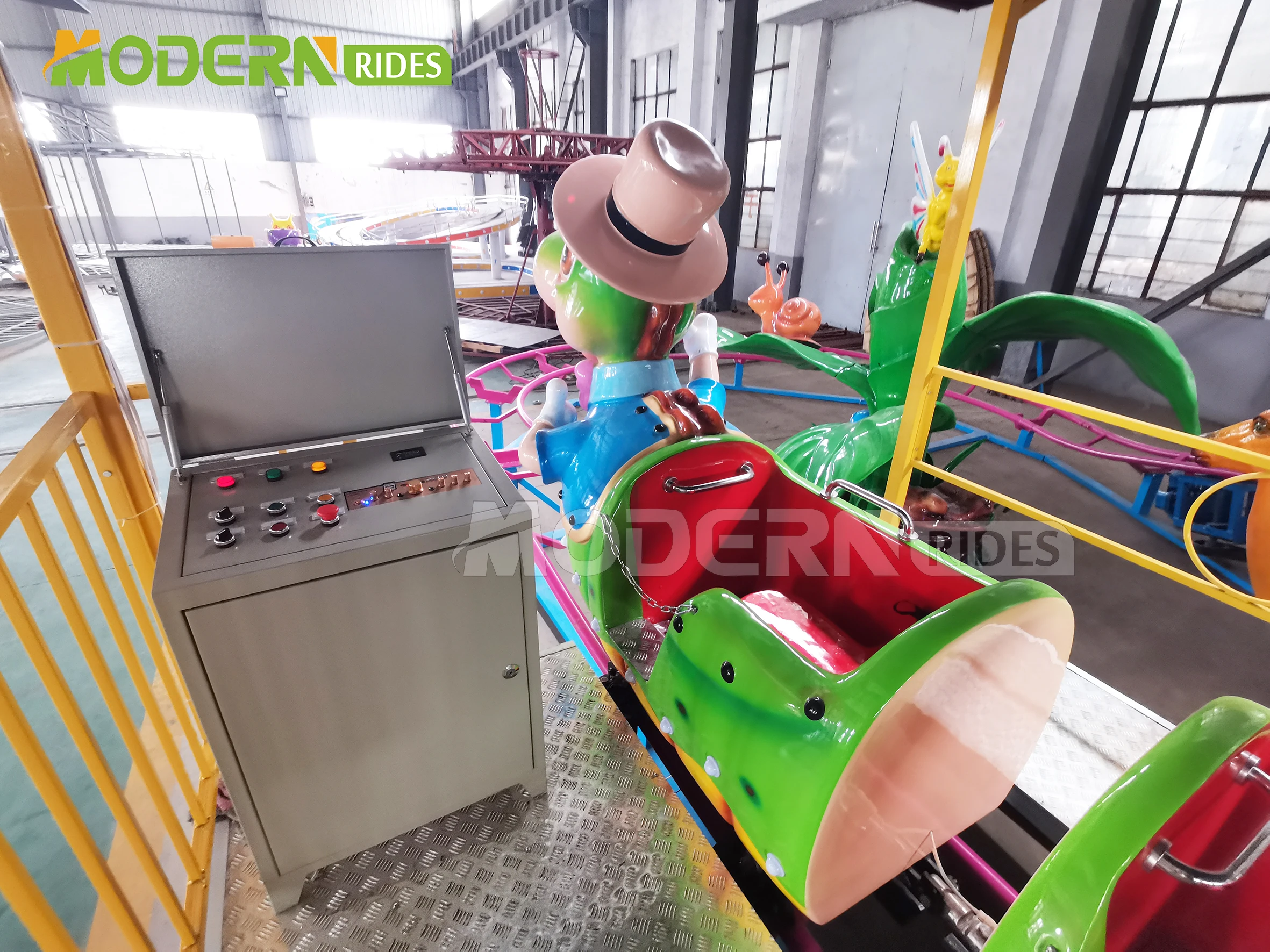
- Electrical and Control Upgrades: Integrating the ride into the park’s central power grid and safety interlocking systems frequently requires custom PLC (Programmable Logic Controller) programming and electrical panel retrofits.
- Staff Training and Certification: Operating personnel must undergo rigorous training programs provided by the manufacturer or certified safety specialists before the ride opens to the public.
Insurance Underwriting
Securing liability insurance for amusement park operations is contingent upon demonstrating a flawless safety culture, documented daily inspection protocols, and proof of compliance with recognized engineering standards. Underwriters will scrutinize the maintenance logs of used equipment, often refusing coverage for uncertified or heavily modified legacy machinery.
Frequently Asked Questions
What documents should I request when buying used amusement park equipment?
Always demand the complete ride file, including the original manufacturing data book, structural calculations, electrical schematics, complete maintenance and repair logs, inspection certificates, and any bulletins issued by the manufacturer regarding safety updates or modifications.
How long does it take to install and commission a major amusement ride?
While a simple flat ride can be assembled and tested in two to four weeks, complex roller coasters or multi-tier water attractions require anywhere from three to nine months of civil engineering, mechanical assembly, electrical wiring, and independent third-party safety testing.
Are replacement parts readily available for older amusement rides?
For rides manufactured by active, reputable global companies, replacement parts are generally accessible. However, if the OEM has gone out of business, operators must rely on specialized third-party engineering firms to custom-fabricate replacement mechanical components and control systems.
Can international equipment be easily imported and approved for domestic use?
Importing equipment requires verifying that electrical control voltages match local grids, structural designs account for local environmental loads (such as high wind zones or seismic activity), and the machinery can be certified by domestic engineering inspection bodies.
What is the most critical step before finalizing any equipment purchase agreement?
Never transfer funds or sign a binding contract without conducting an independent on-site physical inspection and reviewing structural non-destructive testing (NDT) reports executed by a certified amusement ride inspector.
Strategic Next Steps for Buyers
To successfully execute an amusement park equipment acquisition, begin by establishing a definitive technical specification sheet detailing your capacity requirements, space limitations, target demographic, and budget ceilings. Engage with licensed structural engineers and insurance brokers early in the sourcing phase to vet potential machinery before entering contract negotiations. By prioritizing safety compliance, transparent maintenance histories, and realistic total cost projections, operators can build a resilient, high-performing attraction portfolio that delivers long-term profitability and guest satisfaction.