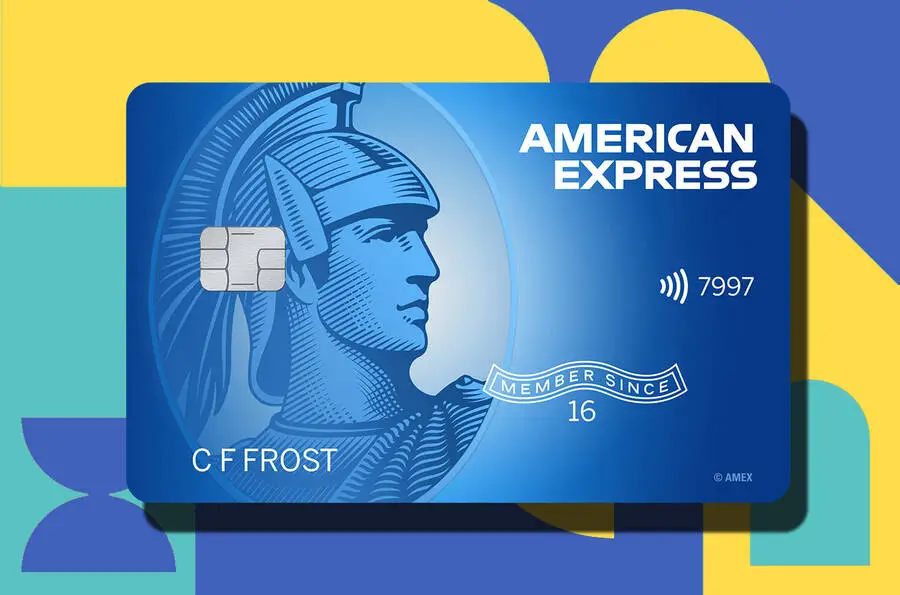
An American Express card is not a Visa or Mastercard because American Express operates as both a card issuer and a payment network, whereas Visa and Mastercard are strictly payment networks that do not issue cards directly to consumers. This distinction affects merchant acceptance, fee structures, and the specific rewards programs available to cardholders.
In the world of personal finance, the logos on the corner of your credit card represent far more than just brand identity. They signify the underlying infrastructure that processes your transactions, the entities responsible for your credit line, and the level of acceptance you can expect at a checkout counter. While many consumers use the terms interchangeably, the functional reality of an American Express (Amex) card is fundamentally different from a Visa or Mastercard.
As of 2026, the gap in merchant acceptance has narrowed significantly, but the structural differences between these financial giants remain a critical factor for consumers choosing their primary payment method. Understanding these differences requires looking at the "loop" systems that govern global payments.
The Structural Divide: Closed-Loop vs. Open-Loop Networks
The primary reason an American Express card is not a Visa or Mastercard lies in the business model of the payment network. Financial experts categorize these entities into two main types: closed-loop and open-loop networks.
The American Express "Closed-Loop" System
Traditionally, American Express has operated as a closed-loop network. In this model, American Express acts as both the payment network and the issuing bank. When you swipe an Amex card, the company handles the transaction from start to finish. They provide the credit to the consumer, process the payment through their own proprietary technology, and settle the funds with the merchant.
Because American Express controls both sides of the transaction—the cardholder relationship and the merchant relationship—they have access to a wealth of data regarding consumer spending habits. This "end-to-end" control is why Amex has historically been able to offer highly targeted rewards and premium customer service, as they do not have to coordinate with a third-party bank to resolve disputes or verify transactions.
The Visa and Mastercard "Open-Loop" System
Visa and Mastercard operate on an open-loop network. These companies do not actually issue credit cards, set interest rates, or collect annual fees from consumers. Instead, they act as the "middleman" technology that connects various financial institutions.
When you have a "Chase Visa" or a "Citi Mastercard," the bank (Chase or Citi) is the entity lending you money and managing your account. Visa or Mastercard simply provides the digital rails that allow the bank’s data to communicate with the merchant’s bank. This model allows Visa and Mastercard to achieve massive scale, as thousands of different banks worldwide can issue cards that run on their networks.
Merchant Acceptance and the Cost of Processing
One of the most visible differences for cardholders is where they can actually use their cards. Historically, "Do you take Amex?" was a common question because American Express was accepted at fewer locations than Visa or Mastercard.
Why Merchants Treat Amex Differently
The reason for lower acceptance isn't a lack of popularity, but rather the merchant discount rate—the fee a business pays to process a transaction. For decades, American Express charged merchants higher fees (often between 2.5% and 3.5%) compared to Visa and Mastercard (often between 1.5% and 2.5%).
American Express justified these higher fees by arguing that their cardholders were higher spenders on average. For a luxury retailer, the higher fee was worth it to attract affluent customers. However, for a small "mom-and-pop" shop or a grocery store with thin profit margins, the extra 1% fee was a significant deterrent.
The Landscape in 2026
By 2026, the acceptance gap in the United States has largely vanished. Through initiatives like the OptBlue program, American Express enabled third-party processors to set rates for small businesses, making it more affordable for local shops to accept the card. According to industry data, Amex is now accepted at roughly 99% of U.S. merchants that accept credit cards.
However, international acceptance remains a point of divergence. In many European, Asian, and African markets, Visa and Mastercard maintain a dominant lead. Travelers often find that while major hotels and international brands accept Amex, smaller local vendors abroad almost exclusively prefer Visa or Mastercard due to the lower cross-border processing costs associated with open-loop networks.
Issuer vs. Network: Who Owns the Relationship?
To understand why your American Express experience feels different from a Visa experience, you must look at who provides the customer service and the perks.
- With American Express: If you have a billing dispute or need a card replacement, you call American Express directly. They own the entire lifecycle of the card.
- With Visa or Mastercard: If you have an issue, you do not call Visa or Mastercard; you call the bank that issued the card (e.g., Wells Fargo, Capital One, or Bank of America).
Because Visa and Mastercard are just networks, the "benefits" on the card are often a mix of network-provided perks (like basic car rental insurance) and bank-provided perks (like specific cash-back categories). This leads to a wide variance in quality. A "Visa Infinite" card has a high baseline of luxury benefits set by Visa, but the specific rewards points are still managed by the issuing bank.
American Express, by contrast, manages its own rewards ecosystem: Membership Rewards. Because they control the network and the issuance, they can create a seamless integration between spending and redeeming points that is often more consistent across their entire card portfolio.
Technical Comparison of Card Networks
The following table summarizes the key operational differences between American Express, Visa, and Mastercard as of 2026.
| Feature | American Express | Visa | Mastercard |
|---|---|---|---|
| Primary Role | Issuer & Network | Network Only | Network Only |
| Business Model | Closed-Loop (mostly) | Open-Loop | Open-Loop |
| U.S. Acceptance | Very High (~99%) | Near Universal | Near Universal |
| Global Acceptance | Moderate to High | Very High | Very High |
| Typical Merchant Fees | Higher (2.3% - 3.5%) | Lower (1.4% - 2.5%) | Lower (1.5% - 2.6%) |
| Premium Tiers | Centurion, Platinum | Visa Infinite, Signature | World Elite, World |
| Rewards Management | Internal (Amex MR) | Bank-Dependent | Bank-Dependent |
The "Charge Card" Legacy
Another reason American Express is distinguished from Visa and Mastercard is its historical reliance on charge cards. While Amex offers many traditional credit cards today, its most famous products—the Green, Gold, and Platinum cards—were originally designed as charge cards.
Credit Cards vs. Charge Cards
A traditional credit card (which describes almost all Visa and Mastercard products) allows you to carry a balance from month to month while paying interest on the revolving debt. You are given a specific credit limit that you cannot exceed.
A charge card, the hallmark of the American Express brand, traditionally required the balance to be paid in full every month. In exchange, these cards often came with "no preset spending limit." This didn't mean unlimited spending, but rather that the limit adjusted dynamically based on your spending patterns, credit record, and financial resources.
In 2026, the line has blurred. American Express has introduced "Pay Over Time" features on its charge cards, effectively allowing them to function like credit cards for certain purchases. However, the underlying philosophy remains: Amex encourages a "spend-centric" model where the card is a tool for transactions and rewards rather than a long-term debt vehicle. Visa and Mastercard issuers, conversely, have built their businesses largely on the interest generated from revolving balances.
Tiered Benefits and Branding
Visa and Mastercard use a tiered system to communicate the "prestige" and benefit level of a card to both the consumer and the merchant. For example:
- Visa: Traditional, Signature, and Infinite.
- Mastercard: Standard, World, and World Elite.
When a bank issues a "Visa Infinite" card, they must pay Visa a higher fee, but the cardholder receives high-end perks like primary rental car insurance and concierge services. Merchants also pay a higher swipe fee for these premium tiers.
American Express does not need these sub-labels because the brand itself is tiered by color and material (Green, Gold, Platinum, and the invitation-only Black/Centurion). Because Amex is the issuer, they have total discretion over these benefits. They do not need to follow a "network standard" set by an outside entity; they set the standard for themselves. This allows for more "lifestyle" perks, such as Centurion Lounge access or specific retail credits (e.g., Equinox or Saks Fifth Avenue), which are harder for a network-only entity like Visa to coordinate across thousands of different member banks.
Frequently Asked Questions
Is American Express harder to get than a Visa or Mastercard?
Generally, yes. Because American Express acts as the lender and takes on the full risk of the consumer's credit, they tend to maintain higher credit score requirements compared to the broad range of Visa and Mastercard products. While you can find "secured" Visa cards for people with poor credit, American Express typically targets consumers with "Good" to "Excellent" credit profiles.
Why do some small businesses still refuse American Express in 2026?
Even though Amex has lowered its fees through programs like OptBlue, it is still often the most expensive card for a merchant to accept. Some small businesses with very low margins—such as local cafes or discount wholesalers—may choose to block Amex to save on the roughly 0.5% to 1.0% difference in transaction costs.
Can a card be both an American Express and a Visa?
No. A credit card can only run on one processing network at a time. A card is either an American Express, a Visa, a Mastercard, or a Discover card. However, you might see an American Express card issued by a different bank (like the Navy Federal More Rewards American Express® Card). In this rare case, the bank is the issuer, but it uses the American Express network instead of the Visa or Mastercard network.
Does American Express offer better protection than Visa or Mastercard?
American Express is widely regarded for its superior purchase protection, return protection, and dispute resolution. Because they are the "end-to-end" provider, they have the authority to reverse a charge immediately without waiting for a third-party bank’s approval. While high-end Visa Infinite cards offer similar protections, the claims process is often managed by a third-party insurance administrator, which can be more cumbersome for the user.
Is Discover more like American Express or Visa?
Discover is more like American Express. It is also a closed-loop network that acts as both the issuer of the cards and the processor of the transactions. Like Amex, Discover had to fight for merchant acceptance for years, though it is now accepted at the vast majority of U.S. retailers.
Practical Recommendation for Consumers
When deciding whether to carry an American Express card versus a Visa or Mastercard in 2026, the best strategy is diversification.
If you value premium travel perks, high-end customer service, and integrated rewards, an American Express card (like the Platinum or Gold) is often the superior choice for primary spending. However, due to the occasional merchant refusal—especially when traveling outside of North America—you should always carry at least one Visa or Mastercard as a backup.
By carrying a Visa or Mastercard (specifically one with no foreign transaction fees), you ensure that you have "universal" payment capability, while your American Express card serves as your primary tool for earning rewards and accessing lifestyle benefits. Always check your credit score before applying for an Amex, as their internal "approval odds" are generally stricter than those of mid-tier Visa or Mastercard issuers.