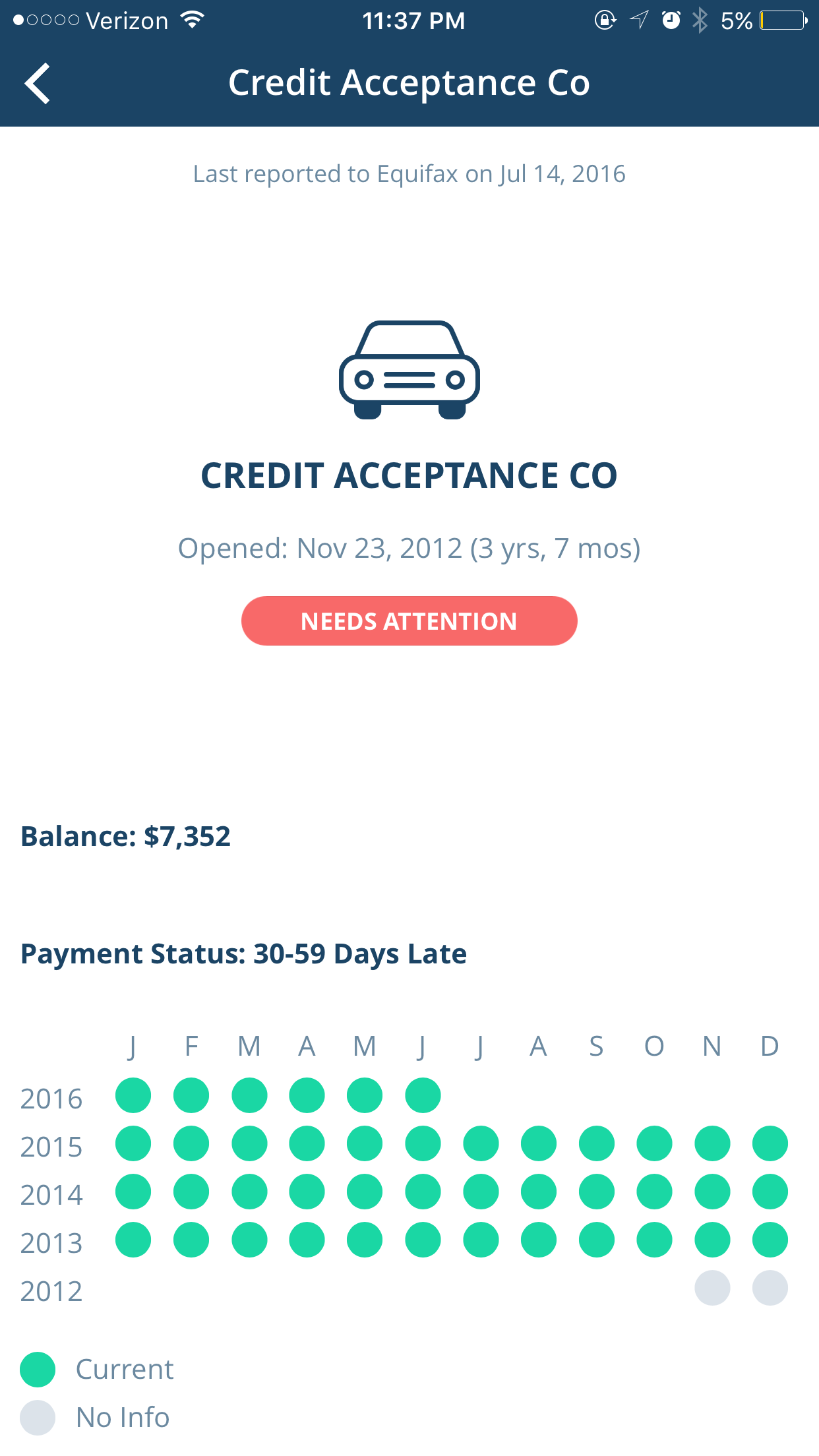
American Credit Acceptance (ACA) is a national indirect subprime auto finance company that partners with franchise and independent dealerships to provide vehicle loans to consumers with emerging or challenging credit profiles. Because ACA operates as an indirect lender, you cannot apply for a loan directly through their website; instead, you must visit a participating dealership that utilizes ACA’s lending programs to secure financing for a vehicle purchase.
Understanding the Role of American Credit Acceptance
American Credit Acceptance (ACA) occupies a specific niche in the automotive finance ecosystem: the subprime and deep-subprime market. Unlike traditional banks or credit unions that typically cater to "prime" borrowers with high credit scores and established financial histories, ACA specializes in providing liquidity to those who may have been turned away elsewhere. In 2026, as vehicle prices and interest rates remain key factors in household budgeting, understanding how these specialized lenders operate is crucial for making an informed financial decision.
As an indirect lender, ACA does not interface with the consumer at the start of the loan process. Instead, they provide a proprietary credit-scoring platform to dealerships. When a customer with a lower credit score visits a dealership, the dealer’s finance manager submits the customer’s application through various lending portals. If the applicant fits ACA’s risk profile, the lender provides an "approval" to the dealer, who then presents the terms—such as the interest rate, down payment requirement, and monthly payment—to the customer.
This relationship means that while your monthly payments will eventually go to ACA, your initial negotiation and contract signing happen at the dealership. This distinction is vital because it means you cannot get a "pre-approval" letter from ACA to take with you while car shopping in the same way you might with a traditional bank.
Eligibility Requirements and Borrower Profiles
While American Credit Acceptance is known for its flexibility, they still maintain specific underwriting criteria to mitigate the risks associated with subprime lending. In 2026, these requirements focus heavily on "ability to pay" rather than just a three-digit credit score.
Income and Employment Verification
For most ACA loans, proof of steady income is a primary requirement. While traditional lenders might require a standard W-2, ACA is often more amenable to alternative income sources, such as 1099 earnings, Social Security benefits, or disability payments. However, they typically require documentation such as bank statements or recent pay stubs to verify that the debt-to-income (DTI) ratio remains within a sustainable range.
Residency and Stability
Lenders in the subprime space often look for "stability markers." This includes how long you have lived at your current address and how long you have been with your current employer. Frequent moves or "job hopping" can be seen as risk factors, though ACA’s automated systems are designed to weigh these against other positive factors in the application.
The Down Payment Factor
One of the most significant hurdles for borrowers working with ACA is the down payment. Because the lender is taking a higher risk on the borrower’s creditworthiness, they often require a substantial "skin in the game" investment. In the 2026 market, down payments for ACA-backed loans often range from 10% to 25% of the vehicle’s value, depending on the specific risk tier of the applicant.
The Application and Car-Buying Process
Navigating an American Credit Acceptance loan requires a different strategy than a standard auto loan. Because you are working through a third party (the dealer), the steps are integrated into the vehicle selection process.
- Identify a Participating Dealer: Not every dealership works with ACA. Generally, large franchise dealers (those selling brands like Ford, Toyota, or Chevrolet) and high-volume independent lots are the most likely to have an ACA partnership.
- Submit a Credit Application: At the dealership, you will fill out a standard credit application. The finance manager will then send this data to multiple lenders, including ACA.
- Review the Callback: ACA will send a "callback" to the dealer. This is not just a "yes" or "no," but a set of conditions. For example, they might approve a loan for a specific vehicle but only if the customer provides a $2,000 down payment and limits the loan term to 60 months.
- Vehicle Selection Restrictions: It is important to note that ACA approvals are often tied to specific vehicle attributes. They may refuse to finance cars over a certain age (e.g., more than 10 years old) or those with excessive mileage (e.g., over 120,000 miles). This is to ensure the collateral—the car—retains enough value throughout the life of the loan.
- Closing the Deal: Once a vehicle is chosen and the terms are agreed upon, you sign the retail installment contract at the dealership. Shortly thereafter, the loan is "funded," and your account is moved into ACA’s servicing system.
Interest Rates and Total Cost of Ownership
Borrowers must be aware that subprime loans carry significantly higher Annual Percentage Rates (APRs) than prime loans. As of 2026, while a prime borrower might see interest rates between 5% and 8%, an ACA customer might face rates ranging from 18% to the state-mandated maximum (usury limit), which in some jurisdictions can exceed 25%.
The reason for these high rates is the statistical likelihood of default within the subprime segment. However, the impact on the borrower is a much higher total cost of ownership. Over a 72-month term, a high-interest loan can result in the borrower paying nearly double the car's original price when accounting for interest. It is essential to use an auto loan calculator to understand the long-term financial commitment before signing.
| Feature | American Credit Acceptance (ACA) | Traditional Bank / Credit Union | Buy-Here-Pay-Here (BHPH) |
|---|---|---|---|
| Credit Requirement | Low / Emerging / Poor | Good to Excellent | No Credit Check (Often) |
| Application Type | Indirect (Via Dealer) | Direct or Indirect | Direct (At Dealer) |
| Interest Rates | High (Subprime) | Low to Moderate | Very High |
| Credit Reporting | Reports to Major Bureaus | Reports to Major Bureaus | Often Does Not Report |
| Vehicle Selection | Wide (Dealer Inventory) | Unlimited | Limited to Dealer's Lot |
| Down Payment | Required (Moderate to High) | Optional to Low | Usually Required |
Managing Your ACA Loan and the Customer Portal
Once the loan is finalized, your relationship with the dealership effectively ends, and your relationship with American Credit Acceptance begins. ACA provides a digital infrastructure for account management, which is critical for maintaining a positive payment history and improving your credit score.
The ACA Customer Portal
The primary way to manage your loan is through the American Credit Acceptance customer portal. This platform allows borrowers to:
- Set up one-time or recurring payments (AutoPay).
- View current balances and payoff amounts.
- Access historical statements and payment receipts.
- Update contact information and communication preferences.
Payment Methods and Fees
ACA offers multiple ways to pay, including online payments, phone payments, and through third-party services like Western Union or MoneyGram. However, borrowers should be cautious: some payment methods, particularly "pay-by-phone" or third-party retail locations, may incur additional processing fees. To minimize costs, setting up ACH transfers from a checking account is usually the most economical option.
Late Payments and Repossession
Because ACA deals with high-risk loans, they tend to have strict collections policies. While most loans have a standard 10-to-15-day grace period before a late fee is assessed, consistent delinquency can quickly lead to repossession efforts. In the subprime industry, lenders may use "starter interrupt" technology or GPS tracking on vehicles to facilitate recovery if payments are missed. It is vital to contact ACA’s customer service department immediately if you anticipate a financial hardship.
Pros and Cons of Using American Credit Acceptance
Choosing a subprime lender is always a balance between the necessity of transportation and the cost of the debt.
Advantages
- Credit Accessibility: ACA provides a path to vehicle ownership for individuals who are otherwise "unbankable." This can be a lifeline for those needing transportation to maintain employment.
- Credit Building: Unlike some "Buy-Here-Pay-Here" lots, ACA reports payment history to the major credit bureaus (Equifax, Experian, and TransUnion). Consistent, on-time payments can significantly improve a borrower’s credit score over 24 to 36 months.
- Inventory Variety: Because they work with franchise dealers, borrowers often have access to better-maintained, newer vehicles than they would find at independent sub-prime lots.
Disadvantages
- High Interest Costs: The APRs are among the highest in the industry, which can lead to "negative equity" (owing more on the car than it is worth) for much of the loan term.
- Strict Terms: There is very little room for negotiation on the loan terms once the "callback" is received.
- Indirect Model Confusion: The lack of a direct application process can make it difficult for consumers to know if they are getting the best possible subprime deal without visiting multiple dealerships.
The Importance of Refinancing Later
For many borrowers, an American Credit Acceptance auto loan should be viewed as a temporary "bridge" rather than a permanent financial arrangement. Because ACA reports to credit bureaus, a borrower who makes every payment on time for 12 to 18 months will likely see an increase in their credit score.
In 2026, the strategy for ACA customers should be to "buy and refinance." Once your credit score has migrated from the subprime range into the "near-prime" or "fair" range, you should actively seek to refinance the loan with a credit union or a direct lender. Even a 5% reduction in your interest rate can save thousands of dollars over the remaining life of the loan. However, check your original contract for any "prepayment penalties," though these are increasingly rare in modern consumer auto finance.
Verified Reputation and Consumer Protection
When dealing with subprime lenders, it is important to check their standing with regulatory bodies. American Credit Acceptance is a long-standing entity in the finance world. As of 2026, they maintain an active profile with the Better Business Bureau (BBB), where they typically hold an A+ rating, despite having a high volume of customer complaints.
It is important to distinguish between complaints regarding "high interest rates" (which are a function of the borrower's credit and the contract signed) and complaints regarding "unethical servicing." Most negative reviews for ACA center on the aggressive nature of subprime collections and the high costs of the loans. Prospective borrowers should read the Consumer Financial Protection Bureau (CFPB) database to understand common issues reported by other consumers in the subprime auto space.
FAQs About American Credit Acceptance Auto Loans
Can I apply for a loan directly on the ACA website?
No, American Credit Acceptance does not offer direct-to-consumer loans. You must apply through a dealership that is part of their partner network. The dealership's finance office handles the submission and communication with ACA.
Does American Credit Acceptance report to credit bureaus?
Yes, ACA reports your payment activity to the three major credit bureaus: Experian, Equifax, and TransUnion. This makes their loans a viable option for those looking to rebuild their credit through consistent, on-time monthly payments.
What is the minimum credit score for an ACA auto loan?
ACA does not publicly disclose a "hard" minimum credit score. They specialize in deep-subprime lending, meaning they often approve borrowers with scores in the 400s and 500s. Their decision is based on a combination of credit history, income, down payment, and the specific vehicle being purchased.
Can I refinance my American Credit Acceptance loan?
Yes, you can refinance your loan at any time with a different lender. There are generally no restrictions from ACA's side that prevent you from paying off the loan early with a new, lower-interest loan from another institution once your credit score improves.
How do I find a dealer that works with American Credit Acceptance?
While ACA does not always provide a public list of every dealer, most large franchise dealerships (e.g., AutoNation, Penske, or local Ford/Chevy dealers) have access to ACA’s lending platform. You can ask the dealership's Finance and Insurance (F&I) manager specifically if they work with American Credit Acceptance.
Does ACA allow for payment deferrals or extensions?
ACA may offer hardship assistance or payment extensions on a case-by-case basis. If you are facing financial difficulty, you must contact their customer service department before you miss a payment. Note that extensions often result in additional interest charges over the life of the loan.
Practical Recommendation for Borrowers
If you are considering an American Credit Acceptance auto loan in 2026, your primary goal should be verification and calculation. Before signing the contract at the dealership, ensure you have seen the Truth in Lending Act (TILA) disclosure, which clearly states the APR, the total finance charge, and the total of all payments. Compare the total cost of the loan against the value of the vehicle. If the interest rate is exceptionally high, commit to a strict schedule of on-time payments for 12 months with the specific goal of refinancing the loan as soon as your credit score improves. Always ensure you have a "paper trail" of every payment made to protect yourself in the event of a servicing discrepancy.