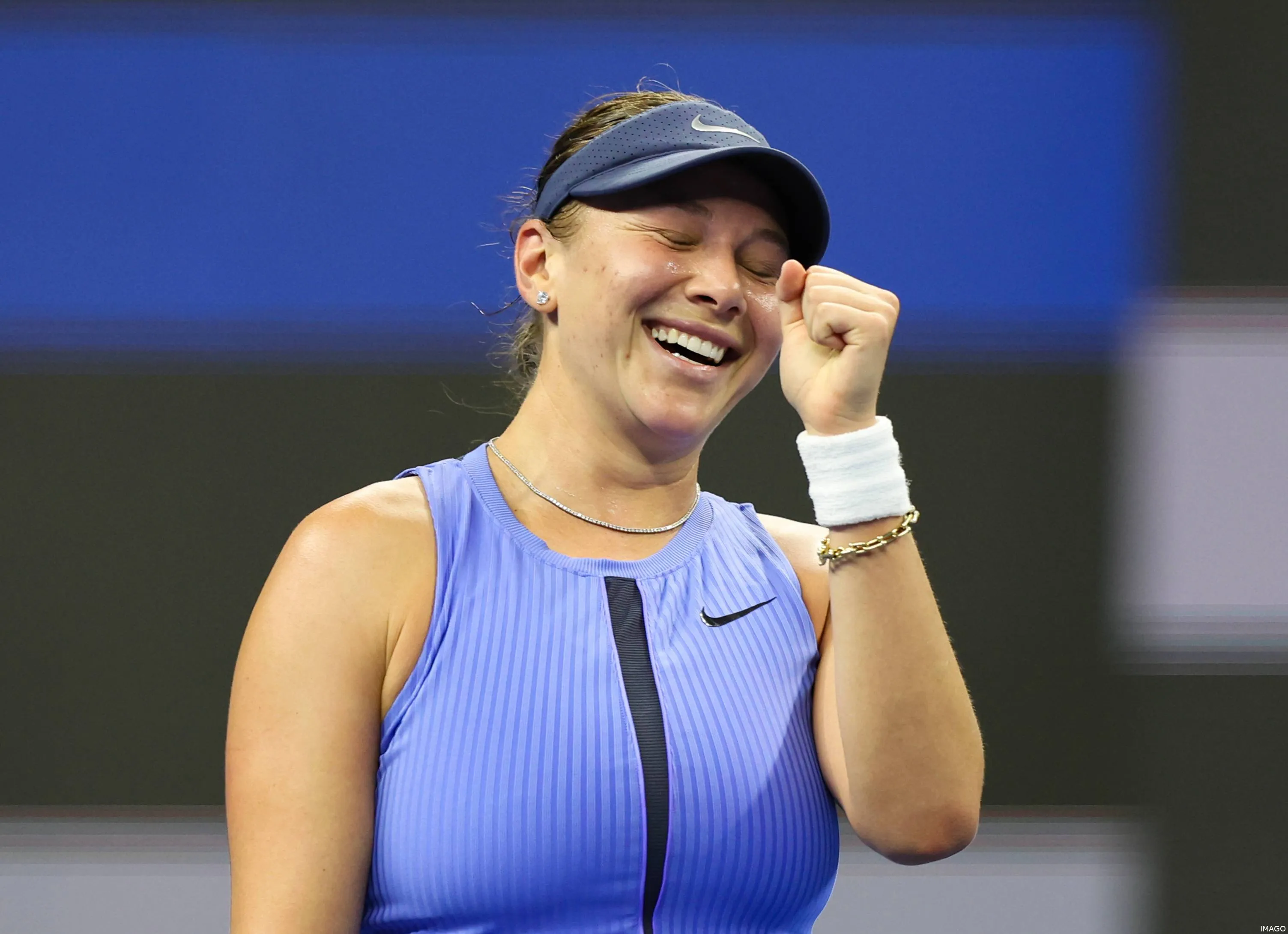
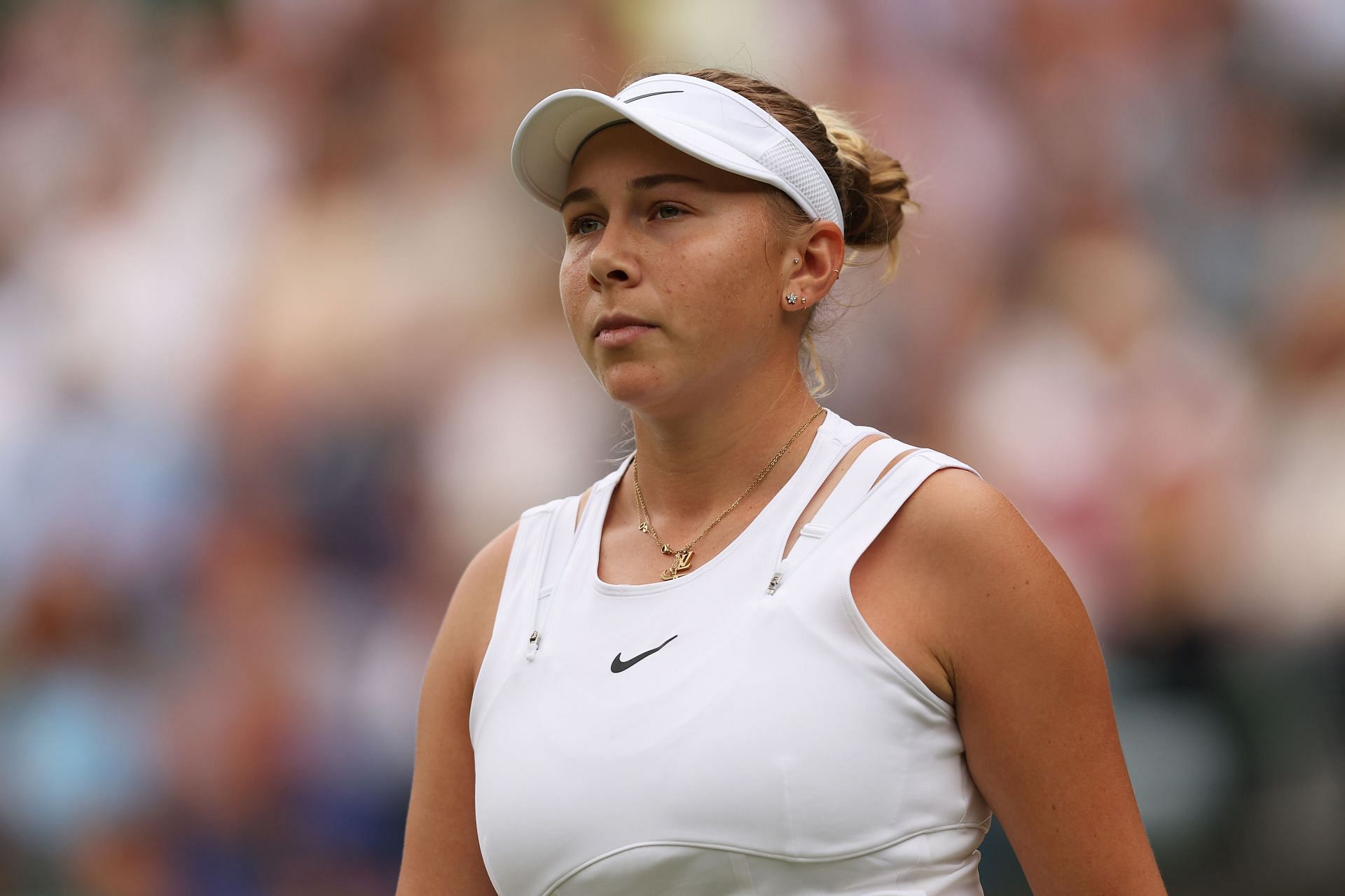
As of 2026, Amanda Anisimova’s career earnings are estimated to be between $8 million and $10 million, combining her professional WTA prize money with a lucrative portfolio of endorsement deals. Her on-court prize money alone exceeds $5.2 million, while her long-term partnership with Nike remains the primary driver of her off-court wealth.
The financial trajectory of Amanda Anisimova is a case study in the high-reward, high-risk world of professional tennis. Since her professional debut, the American star has balanced significant competitive success—including a historic semifinal run at Roland Garros—with periods of absence for personal reasons and injury. Despite these fluctuations, her marketability as a young, charismatic American player has ensured a steady stream of income that often outpaces her annual tournament winnings. To understand the full scope of Anisimova's earnings, one must analyze the interplay between performance-based prize money, the "Nike effect," and the substantial overhead costs associated with maintaining a top-tier professional tennis career.
The Structure of On-Court Prize Money
In the WTA (Women's Tennis Association) circuit, earnings are strictly performance-based. Unlike team sports with guaranteed contracts, Anisimova’s on-court income depends entirely on how far she progresses in tournament draws.
Grand Slam Impacts
Grand Slams (Australian Open, Roland Garros, Wimbledon, and the US Open) offer the highest payouts in the sport. Anisimova’s financial foundation was largely built during her breakout 2019 season. By reaching the semifinals of the French Open at just 17 years old, she secured a single-tournament payout of approximately $660,000.
Subsequent deep runs, such as reaching the fourth round of the Australian Open in 2022 and 2024, and the quarterfinals of Wimbledon in 2022, have provided consistent infusions of capital. In 2026, Grand Slam prize money for a first-round exit typically starts around $80,000, meaning that even during periods of lower performance, maintaining a high enough ranking to enter the main draw of these four events provides a baseline annual income of roughly $320,000.
WTA Tour Levels and Consistency
Beyond the Slams, Anisimova competes in WTA 1000, 500, and 250 level events.
- WTA 1000s: Winning a 1000-level event can yield over $1 million, while reaching the quarterfinals usually earns a player between $150,000 and $200,000.
- WTA 500s/250s: These events offer smaller purses but are essential for ranking points. Anisimova’s titles, such as the 2019 Bogota Open and the 2022 Melbourne Summer Set 2, contributed mid-five-figure sums to her career totals.
As of early 2026, her cumulative prize money reflects her status as a consistent Top 50 threat when active. According to official WTA Tour records, she crossed the $4 million milestone in prize money by mid-2023, with subsequent earnings in the 2024 and 2025 seasons pushing her toward the $5.5 million mark.
Off-Court Earnings and Endorsements
For a player of Anisimova’s profile, off-court earnings frequently eclipse prize money. In the tennis industry, "marketability" is often tied to a player’s home country, age, and playing style. As a high-profile American athlete, Anisimova is highly attractive to global brands looking to capture the U.S. market.
The Nike Partnership
Anisimova’s most significant financial asset is her long-term clothing and footwear contract with Nike. In 2019, following her success in Paris, she signed a deal reportedly worth millions, drawing comparisons to the massive contracts previously held by Maria Sharapova and Serena Williams. Unlike smaller "merchandise-only" deals given to lower-ranked players, Anisimova’s contract includes a substantial base retainer plus performance bonuses for ranking milestones and tournament wins. Even during her 2023 hiatus, the structural nature of such high-level Nike contracts often provides a degree of financial security, though they typically include "reduction clauses" if a player falls below a certain ranking or fails to play a minimum number of tournaments.
Equipment and Lifestyle Sponsors
- Babolat: Anisimova has used Babolat rackets throughout her career. Equipment deals generally include a mix of free gear, travel stipends, and bonuses for television exposure (reaching quarterfinals or better).
- Therabody: Anisimova has served as an ambassador for Therabody (makers of Theragun), aligning her brand with fitness and recovery technology.
- Gatorade: Her association with Gatorade placed her alongside the elite tier of global athletes, providing both a lucrative endorsement fee and significant media exposure through commercials and social media campaigns.
The Digital Economy
In 2026, social media monetization has become a non-negligible part of a tennis player's revenue. With hundreds of thousands of followers across Instagram and TikTok, Anisimova can command significant fees for sponsored posts. Industry estimates suggest that a player with her reach can earn between $10,000 and $30,000 per high-engagement branded post.
Estimated Prize Money Breakdown by Season
The following table outlines the estimated prize money earnings for Anisimova across key phases of her career. Note that these figures represent gross prize money before taxes and expenses.
| Career Phase | Primary Performance Highlights | Estimated Annual Prize Money |
|---|---|---|
| Breakout (2018-2019) | French Open Semifinal, Bogota Title | $1,200,000 - $1,500,000 |
| Steady Top 30 (2020-2022) | Wimbledon QF, Melbourne Title | $800,000 - $1,100,000 |
| Transition & Hiatus (2023) | Limited Schedule / Mental Health Break | $150,000 - $250,000 |
| Comeback (2024-2025) | Australian Open 4th Round, Top 50 Return | $700,000 - $950,000 |
| Current Status (2026) | Cumulative Prize Money Total | ~$5,200,000+ |
The Financial Realities: Gross vs. Net Earnings
It is a common misconception that a player’s "prize money" equals their bank balance. Professional tennis players operate as small businesses, and their "Net Worth" is significantly impacted by the high cost of doing business.
Taxes
Tennis players are taxed in the country where the money is earned. For example, earnings from the US Open are subject to U.S. federal and state taxes (which can exceed 40% for high earners), while earnings in France or Australia are subject to their respective foreign withholding taxes. Managing these multi-jurisdictional tax obligations requires expensive specialized accounting services.
Coaching and Staff Expenses
To stay competitive, a player like Anisimova must employ a dedicated team.
- Full-time Coach: Salaries for top-tier WTA coaches can range from $2,500 to $5,000 per week, plus a percentage of prize money (usually 5-10%).
- Physiotherapists/Fitness Trainers: Maintaining physical health requires traveling with a specialist, costing upwards of $2,000 a week plus travel expenses.
- Travel and Lodging: While some tournaments provide hospitality for the player, the player is usually responsible for the airfare and hotels for their entire team. On the global WTA tour, annual travel expenses can easily exceed $200,000.
The "Net" Result
If Anisimova earns $1 million in prize money in a year, she may only keep 30-40% of that after taxes, coaching fees, and travel. This is why endorsement deals are so critical; they provide the "profit margin" that allows a player to build long-term wealth while prize money covers the operating costs of the tour.
Marketability and Future Earning Potential
Looking forward from 2026, Anisimova’s earning potential remains high. In the sports marketing world, she occupies a specific "sweet spot." She is an American player in a sport that is aggressively expanding its commercial footprint in North America and Asia.
The introduction of the "WTA Strategic Plan" in recent years has aimed to achieve prize money parity with the ATP at more events, which naturally inflates the earnings of all top-tier female players. If Anisimova can break into the Top 10 or win a Grand Slam, her endorsement value could triple overnight. For context, American players who have won Slams, such as Coco Gauff or Sofia Kenin, saw immediate and massive increases in their off-court portfolios, often reaching the $10 million to $20 million annual income bracket.
Frequently Asked Questions
What is Amanda Anisimova's net worth in 2026?
While private financial data is not public, Amanda Anisimova’s estimated net worth in 2026 is approximately $8 million to $10 million. This includes her $5.2M+ in prize money and several years of multi-million dollar endorsement contracts, adjusted for taxes and career expenses.
How much does Nike pay Amanda Anisimova?
While the exact terms of the Nike contract are confidential, industry insiders and reports from outlets like Forbes have characterized it as a "long-term, multi-million dollar" deal. It is estimated to be worth between $1 million and $2 million annually, with significant upside bonuses for high rankings and tournament victories.
Did her 2023 break affect her earnings?
Yes, significantly in the short term. By not playing for much of 2023, she forfeited prize money and likely triggered reduction clauses in some endorsement contracts. However, the WTA’s "Special Ranking" and "Injury Protected Ranking" rules allowed her to enter high-paying tournaments upon her return in 2024 without having to start from the lowest levels of the sport.
How do Anisimova's earnings compare to other American players?
Anisimova’s earnings are substantial but currently sit below the tier of players like Coco Gauff and Jessica Pegula. Gauff's earnings are significantly higher due to more consistent Top 5 finishes and a US Open title, while Pegula’s wealth is bolstered by her family's multi-billion dollar estate. However, Anisimova remains one of the top earners in the 20-25 age demographic in U.S. women’s tennis.
What are the main sources of her income?
Her income is split into three main categories:
- Tournament Prize Money: Earned through match wins.
- Endorsement Retainers: Guaranteed annual payments from brands like Nike and Babolat.
- Performance Bonuses: Extra payments from sponsors for achieving specific goals, like winning a title or reaching a Top 20 ranking.
Practical Recommendation for Fans and Analysts
When evaluating the financial status of a tennis player like Amanda Anisimova, it is essential to look beyond the "Prize Money" ticker seen on television. The true indicator of a player's financial health is their endorsement longevity. For Anisimova, the fact that major brands like Nike and Gatorade remained with her through periods of inactivity suggests a high degree of "brand equity."
For those tracking her career, the most important metrics for her future earnings are her Grand Slam performance and her year-end ranking. Staying inside the Top 30 is the threshold for maintaining "Elite" status in sponsor contracts. If she maintains her current trajectory through 2026, she is well on her way to becoming one of the wealthiest American female athletes of her generation.