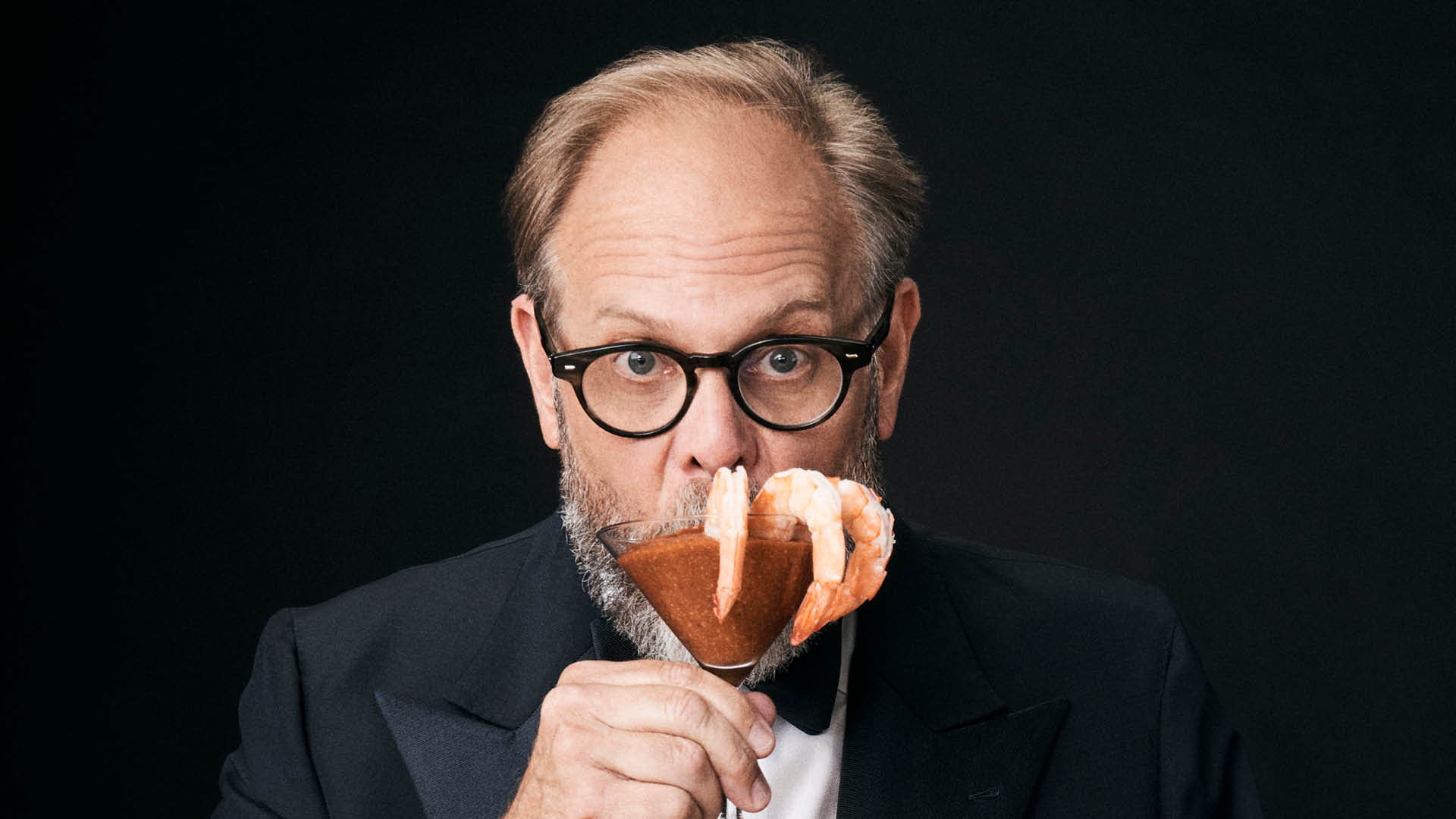
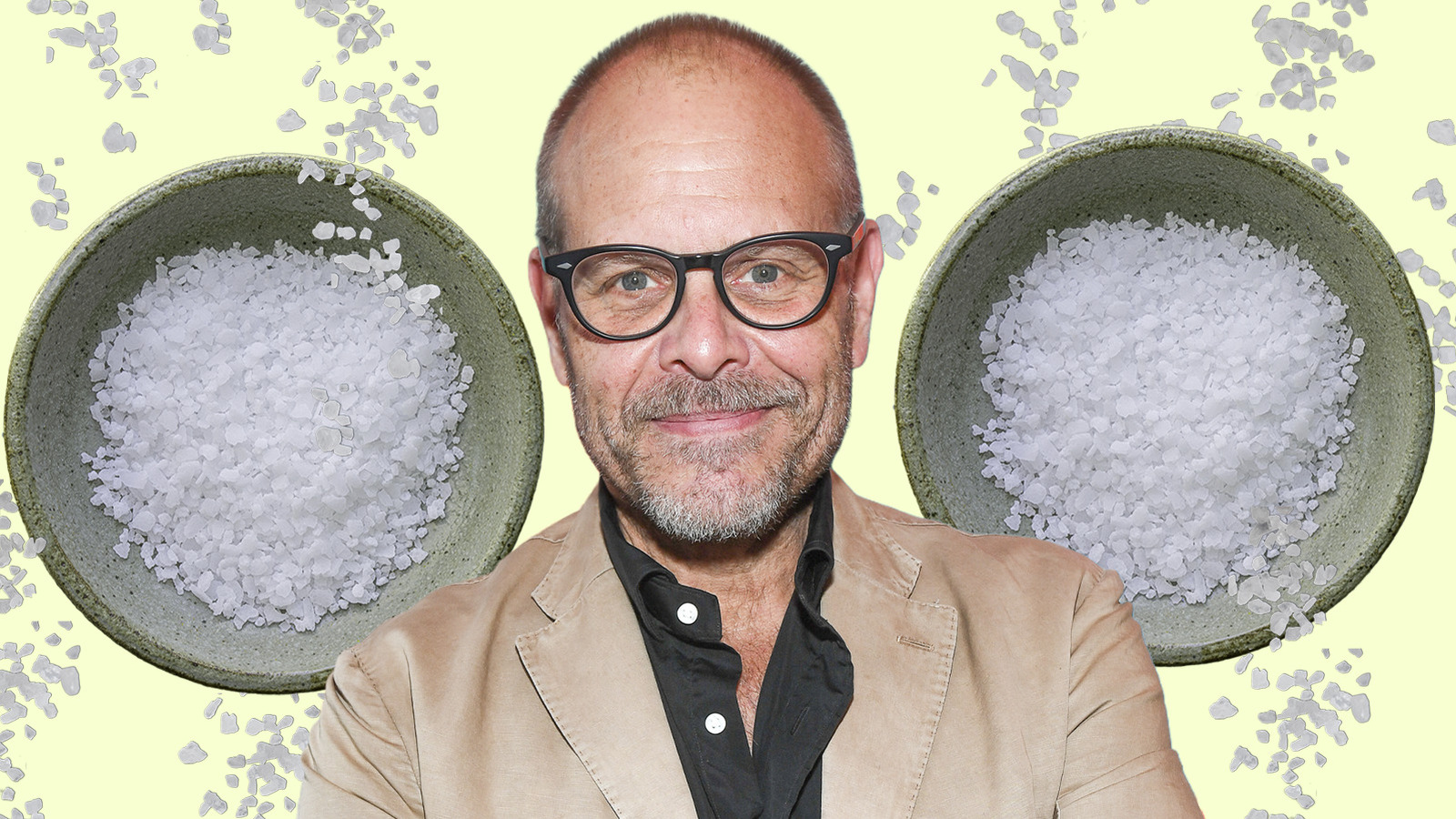
Alton Brown has never owned or operated a traditional commercial restaurant because he views himself as a filmmaker and culinary educator rather than a professional chef. By prioritizing media production, live performance, and intellectual property over the high-overhead hospitality industry, Brown has built a more scalable and personally controlled brand.
For decades, fans of Food Network’s Good Eats and Iron Chef America have asked the same question: Where is Alton Brown’s restaurant? In an industry where celebrity status is almost always leveraged into a global chain of bistros, steakhouses, or burger joints, Brown remains a notable outlier. As of 2026, his portfolio remains strictly focused on digital content, literature, and live variety shows. This deliberate exclusion of a brick-and-mortar dining presence is not a failure of opportunity, but a calculated business decision rooted in his unique philosophy regarding food, science, and storytelling.
The Philosophical Divide: Culinary Communicator vs. Line Chef
To understand why Alton Brown has no restaurants, one must first understand his professional identity. Brown did not attend culinary school to become a chef; he attended the New England Culinary Institute (NECI) specifically to learn how to produce a better cooking show. Before his culinary turn, Brown was a cinematographer and video director. He famously observed that the cooking shows of the 1990s were boring and lacked the scientific "why" behind the recipes.
Brown’s approach to food is academic and theatrical. In a restaurant setting, the primary goal is consistency and volume—replicating a specific dish hundreds of times a night to satisfy a local clientele. In Brown’s world, the goal is the "Eureka!" moment. He treats the kitchen like a laboratory and a stage. Once a technique is mastered, documented, and filmed, he moves on to the next subject. The repetitive nature of a commercial kitchen—often referred to as "the grind"—conflicts with his need for creative variety and intellectual exploration.
Furthermore, Brown has frequently criticized the "cult of the chef." He prefers the term "culinary communicator." By avoiding restaurant ownership, he avoids the trap of being tied to a specific location or a specific menu. This freedom allows him to pivot from the science of sourdough to the history of nutmeg without needing to worry about how those shifts affect a restaurant’s brand identity or food costs.
The Economic Realities of the Restaurant Industry
From a technical SEO and business analysis perspective, the decision to avoid restaurants is highly logical. The hospitality industry is notoriously volatile, characterized by thin profit margins, high labor costs, and significant real estate risks.
Margin Comparison: Media vs. Hospitality
| Feature | Media/Publishing (Brown's Model) | Restaurant Ownership (Traditional Model) |
|---|---|---|
| Scalability | High: One video/book reaches millions. | Low: Limited by physical seating capacity. |
| Overhead | Fixed: Production costs are upfront. | Ongoing: Rent, utilities, and spoilage. |
| Labor Needs | Project-based: Crew hired for specific shoots. | Permanent: Large, multi-shift staff required. |
| Brand Risk | Controllable: Managed through editing/PR. | High: Dependent on individual server/cook performance. |
| Profit Margin | Typically 20% to 50% for IP owners. | Typically 3% to 10% for full-service restaurants. |
By focusing on books (such as his I'm Just Here for the Food and EveryDayCook series) and television, Brown captures a much higher percentage of revenue as pure profit. A restaurant requires a massive initial capital expenditure (CapEx) for kitchen equipment and interior design, followed by grueling operational expenses (OpEx). In contrast, Brown’s production company, Brain Food, allows him to own the means of production, ensuring that he retains the rights to his content—a far more valuable long-term asset than a lease on a building.
The "Good Eats" Production Model as a Virtual Kitchen
For many fans, Good Eats served as a surrogate restaurant. The show's meticulous attention to detail, the use of specialized hardware (and the famous "no unitaskers" rule), and the deep dives into ingredient chemistry provided a level of engagement that a 45-minute dinner at a restaurant could not match.
Brown's "service" happens through the screen. By the time 2026 arrived, the rise of high-quality digital streaming and interactive social media further diminished the need for a physical location. His YouTube presence and live-streamed cooking sessions (notably the Quarantine Quitchen series) allowed him to interact with his audience in real-time, providing the "hospitality" feel without the logistical nightmares of managing a dining room.
Live Tours: The Pop-Up Alternative
While he eschews permanent locations, Brown has successfully mastered the "live culinary variety show." His tours, such as Eat Your Science and Beyond the Eats, are essentially pop-up restaurant experiences combined with a rock concert and a chemistry lecture.
These tours allow Brown to:
- Control the Environment: He performs in theaters with controlled lighting, sound, and audiences.
- Achieve Massive Reach: A single night in a major city can reach 3,000 fans, more than most restaurants serve in a week.
- Monetize Directly: Ticket sales and merchandise provide immediate cash flow without the "perishable goods" risk of a standard menu.
In these shows, he often uses massive, custom-built kitchen contraptions to demonstrate food science. These devices would be impractical and illegal under standard health codes in a commercial kitchen, but they work perfectly in a theatrical setting. This reinforces the idea that Brown is a performer whose medium is food, not a cook whose business is service.
The Risk of "Celebrity Chef" Dilution
Many of Brown's contemporaries, such as Bobby Flay or Gordon Ramsay, have built vast restaurant empires. However, this often leads to a "dilution" of the personal brand. When a celebrity chef has 50 restaurants, the public knows the chef isn't actually in the kitchen. This can lead to criticism regarding quality control and authenticity.
Alton Brown has maintained a remarkably "pure" brand. Because there is no "Alton Brown’s Bistro," there are no Yelp reviews complaining about cold fries or slow service. His reputation is tied entirely to the quality of his information and his entertainment value. By staying out of the kitchen, he has preserved his status as an objective authority on food science. He can criticize a technique or a piece of equipment without worrying about how it affects his own restaurant’s operations or partnerships.
Technical Training and the NECI Foundation
It is a common misconception that Brown lacks the skills to run a restaurant. His training at the New England Culinary Institute was rigorous and professional. He understands the "French Brigade" system and the technical requirements of high-end service. However, his time there only reinforced his desire to stay on the media side of the industry.
During his culinary education, Brown focused on the "why" of the kitchen. While his classmates were practicing their knife skills to work a 12-hour shift at a Michelin-starred establishment, Brown was taking notes on how to best explain the Maillard reaction to a television audience. His technical depth is used for pedagogy, not production.
The 2026 Perspective: The Creator Economy Wins
In the current landscape of 2026, Brown’s decision looks more prescient than ever. The "Creator Economy" has proven that influential individuals can generate more wealth and impact through owned media and direct-to-consumer products than through traditional service models. Brown’s "restaurants" are his cookbooks, his gear recommendations, and his digital archives.
He has successfully avoided the "restaurant trap" that has seen many other Food Network stars face bankruptcy or litigation. By remaining a "man of letters" in the culinary world, he has built a legacy that is immune to the fluctuations of the restaurant market.
Frequently Asked Questions
Has Alton Brown ever worked in a professional kitchen? Yes. As part of his training at the New England Culinary Institute, Brown completed various stages (internships) and worked in commercial environments to earn his degree. However, he transitioned immediately into media production upon graduation rather than seeking a position as a sous chef or executive chef.
Does Alton Brown have any food-related businesses? Yes, but they are not restaurants. He owns Brain Food, a production company that creates his television shows, digital content, and live tours. He also generates significant revenue through book publishing, brand endorsements, and his own line of merchandise and coffee collaborations.
Why doesn't he open a "Good Eats" themed cafe? Brown has addressed this in interviews, stating that the reality of running even a small cafe would distract him from his primary passion: creating content. He believes that the "magic" of Good Eats is best preserved in a controlled, scripted environment rather than a chaotic service environment.
Does Alton Brown cook his own food at home? Yes. Brown is an avid home cook and frequently shares his personal meals and "fridge raids" on social media. He treats his home kitchen as his primary laboratory for testing the recipes that eventually appear in his books and videos.
Will Alton Brown ever open a restaurant in the future? While never saying "never," Brown has consistently expressed a lack of interest in the hospitality industry. Given his current focus on digital platforms and the success of his live tours, it is highly unlikely he will pivot to a traditional restaurant model at this stage of his career.
Summary of Key Findings
- Identity: Brown is a filmmaker and educator first, a cook second.
- Business Logic: High-margin media is more sustainable than low-margin hospitality.
- Scalability: Books and videos reach a global audience; restaurants are local.
- Brand Integrity: Avoiding restaurants prevents service-related brand damage.
- Alternative Venues: Live tours provide the "performance" of cooking without the overhead of a kitchen.
Practical Recommendation for Fans and Professionals
For those looking to experience "Alton Brown’s food," the best course of action is to engage with his official cookbooks and authorized digital content. Rather than searching for a physical location, fans should utilize his "AB Methods" to replicate his scientifically-vetted recipes in their own kitchens. For professionals, Brown’s career serves as a case study in intellectual property management, demonstrating that a culinary career can be incredibly successful without ever opening a single restaurant door.