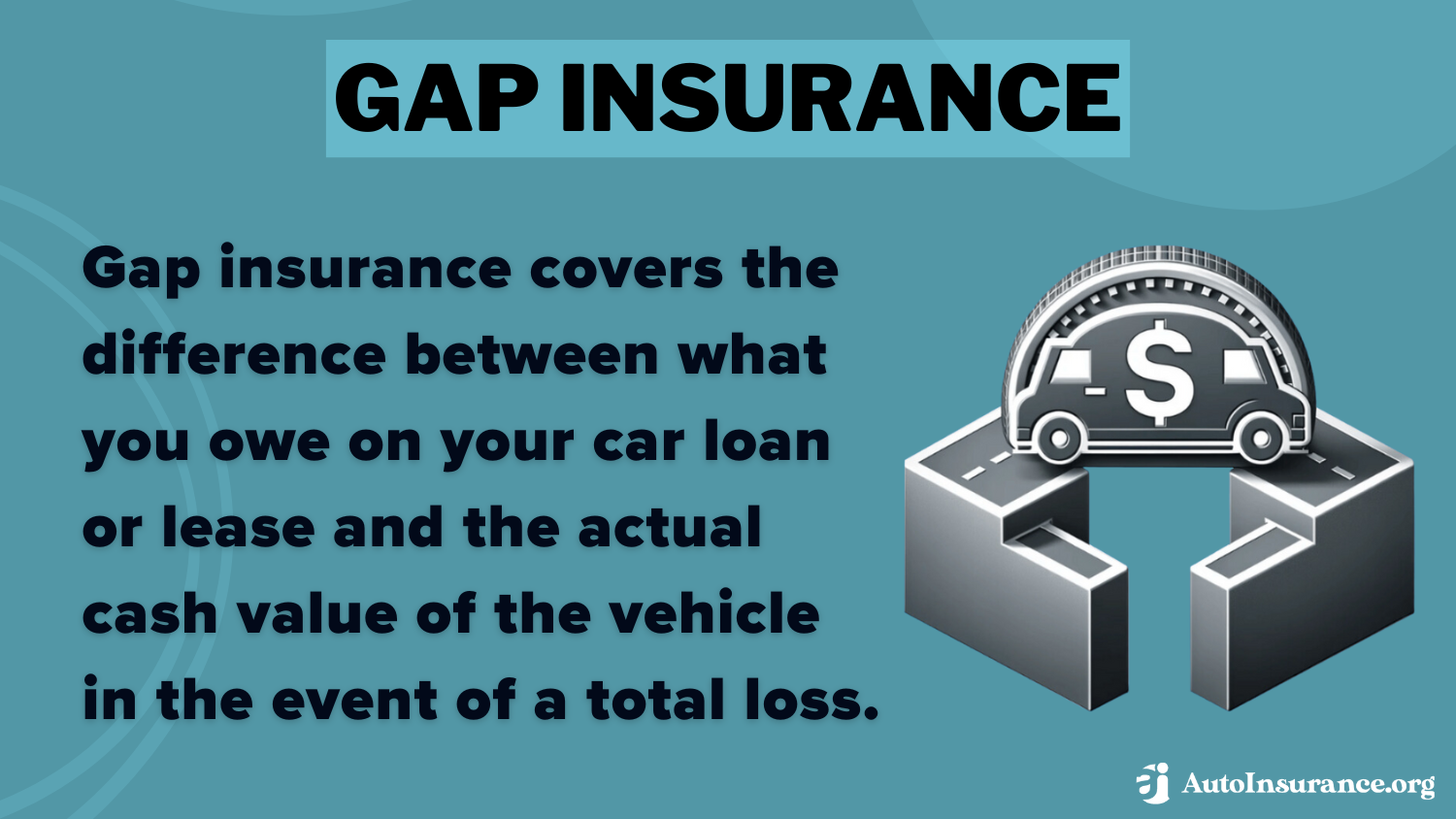
When you finance or lease a vehicle through Ally Financial, gap insurance acts as a vital financial safety net designed to bridge the difference between your primary auto insurance settlement and the remaining balance on your loan or lease. If your vehicle is declared a total loss due to an accident, fire, theft, or natural disaster, this coverage prevents you from being burdened with debt for a vehicle you can no longer drive. Understanding how these protections function, their specific limitations, and the prerequisites for claiming benefits is essential for managing your long-term automotive financial health.
The Purpose of Guaranteed Asset Protection (Gap) Insurance
Auto financing involves a period during the early years of a loan where the vehicle’s market value depreciates faster than the principal balance is reduced. This creates a state of "negative equity." If your vehicle is totaled during this window, standard comprehensive and collision insurance policies—which only cover the Actual Cash Value (ACV) of the vehicle at the time of the loss—will not be sufficient to pay off the lender.
Ally Financial’s gap protection is designed to settle this "gap." It ensures that your remaining loan or lease balance is covered, often including the primary insurance deductible up to a specified limit. By neutralizing the financial risk associated with depreciation, this product protects your credit score and prevents the need for large out-of-pocket payments during an already stressful event.
Core Coverage Components and Functionality
While specific policy terms can vary based on individual contracts and state-specific regulations, Ally-offered gap insurance generally functions by addressing the deficiency between the insurance payout and the outstanding balance.
1. Handling the Outstanding Balance
The primary function is the waiver or payment of the difference between the primary insurance settlement and the net payoff amount of your loan or lease. This includes the outstanding principal and any accrued interest up to the date of the loss.
2. Insurance Deductible Coverage
Many gap agreements provided through finance contracts include provisions to cover your primary insurance deductible. If your policy has a $1,000 deductible, the gap coverage may assist in covering this amount, ensuring you do not lose that liquidity when replacing your vehicle. It is vital to verify if your specific contract includes this benefit, as coverage limits often range between $500 and $1,000.
3. Coverage for Total Losses
Coverage is triggered when a vehicle is deemed a "total loss" by your primary insurance provider. This occurs when the cost of repairs exceeds a predetermined percentage of the vehicle's market value, or if the vehicle is stolen and not recovered within a reasonable timeframe as defined by the policy.
Important Limitations and Exclusions
It is a common misconception that gap insurance covers every expense associated with a totaled vehicle. In reality, strict limitations apply to what the policy will cover.
- Delinquent Payments and Late Fees: Gap insurance does not cover missed payments, late fees, or interest accrued due to past-due account status. Your loan must be in good standing to qualify for the full benefit.
- Excluded Deductibles: If your primary insurance deductible is higher than the limit specified in your gap contract, you remain responsible for the difference.
- Repossession and Voluntary Surrender: Gap protection does not apply if the vehicle is repossessed by the lender. It is strictly for accidental loss scenarios.
- Modifications and Aftermarket Equipment: If your vehicle had custom modifications (such as high-end audio systems, non-factory suspension, or paint jobs), these are typically not covered unless they were included in the original financed amount and specifically disclosed.
- Jurisdictional Limits: Some states have specific regulations regarding the maximum amount a gap provider can waive. These legal caps may supersede the limits listed in your standard contract.
Comparison: GAP Coverage vs. Primary Auto Insurance
| Feature | Primary Auto Insurance (Comprehensive/Collision) | Ally-Offered Gap Insurance |
|---|---|---|
| Primary Goal | Repair or replace vehicle based on market value | Protect against negative equity |
| Payout Basis | Actual Cash Value (ACV) | Outstanding loan/lease balance |
| Deductible | Yes, you pay this amount | May cover this amount (up to limit) |
| Total Loss Event | Mandatory requirement | Optional financial safety net |
How to Verify Your Coverage Status
Before a loss occurs, you should verify whether you currently hold gap protection. You can do this by reviewing your original financing paperwork. Look specifically for a "Guaranteed Asset Protection" addendum or a line item on your purchase contract.
If you are unsure if you have this coverage, contact your Ally Financial account representative. They can confirm the details of your contract, the effective dates of your coverage, and the maximum payout limits associated with your specific finance agreement. Having this information stored in a secure location alongside your insurance documents is a best practice for any vehicle owner.
Navigating a Total Loss Claim
If your vehicle is totaled, you must act with precision to ensure your gap claim is processed correctly. The process generally follows these steps:
- Notify Your Primary Insurer: File a claim with your comprehensive and collision insurance provider immediately.
- Obtain a Valuation: Ensure the insurance adjuster provides an accurate assessment of the vehicle’s ACV.
- Secure Documentation: Request a letter from your primary insurance carrier confirming the "Total Loss" status and the specific settlement amount.
- Contact Ally Financial: Once the primary insurance payout is determined, reach out to the provider of your gap protection to initiate the claim. You will likely need to provide the settlement statement and your final loan payoff statement.
- Monitor the Balance: Continue making scheduled payments on your loan until the gap claim is finalized to avoid late fees or credit damage.
Frequently Asked Questions
Does gap insurance cover the replacement cost of a new vehicle? No. Gap insurance only covers the difference between your loan balance and the market value of the totaled vehicle. It does not provide additional funds for the down payment or the higher cost of purchasing a brand-new vehicle.
What happens if I trade in my car early? If you trade in your vehicle or pay off your loan early, you may be entitled to a pro-rated refund of the unused portion of your gap insurance premium. Contact your lender to inquire about the cancellation and refund process.
Can I purchase gap insurance after I have already financed my car? Generally, gap insurance must be purchased at the time of financing. However, some insurance companies offer "loan/lease payoff" endorsements that act similarly to gap insurance. Check with your primary auto insurance provider to see if they offer this as an alternative.
Are there limits on the type of vehicles covered? Yes. Some vehicles, such as those used for commercial purposes or high-performance cars, may be excluded from standard gap protection plans. Always verify the vehicle eligibility clause in your specific contract.
Practical Recommendations
To maintain optimal financial protection:
- Review Your Policy Annually: As your loan balance decreases, your need for gap insurance may diminish. If you have paid off a significant portion of your principal, you might be at a point where your vehicle's market value exceeds your loan balance, rendering gap insurance redundant.
- Keep Records Accessible: Store a digital copy of your financing contract and any gap insurance addendums in a cloud storage account. In the event of a total loss, you will need these documents immediately to file your claim.
- Maintain Full Coverage: Remember that gap insurance is not a substitute for full coverage auto insurance. You must maintain comprehensive and collision insurance as required by your lender to keep your gap coverage valid.
By understanding these nuances, you can ensure that you are neither over-insured nor left exposed to unnecessary financial risk. If you suspect your current coverage does not match your vehicle’s depreciation curve or your financial situation has changed, contact your lender to discuss your options.