Allstate provides state-mandated minimum liability auto insurance in every state where it operates, ensuring drivers meet legal requirements for bodily injury and property damage. This basic coverage pays for the other party’s medical expenses and vehicle repairs if you are found at fault in a collision, protecting your legal right to drive.
The landscape of auto insurance in 2026 continues to be shaped by evolving state regulations and rising repair costs. For many drivers, the primary goal is maintaining legal compliance at the lowest possible price point. Allstate, as one of the largest insurance providers in the United States, offers these bare-minimum policies tailored to the specific statutes of each jurisdiction. However, understanding what these policies do—and, more importantly, what they do not cover—is essential for any vehicle owner.
Understanding State-Mandated Minimum Liability Insurance
State-mandated minimum liability insurance is the foundational level of financial responsibility required by law. In 2026, almost every state (with very few exceptions like New Hampshire or Virginia under specific conditions) requires drivers to carry a minimum amount of liability coverage. This insurance does not protect you or your vehicle; rather, it protects the public from the financial consequences of your actions behind the wheel.
Liability insurance is typically divided into two categories:
Bodily Injury Liability (BI)
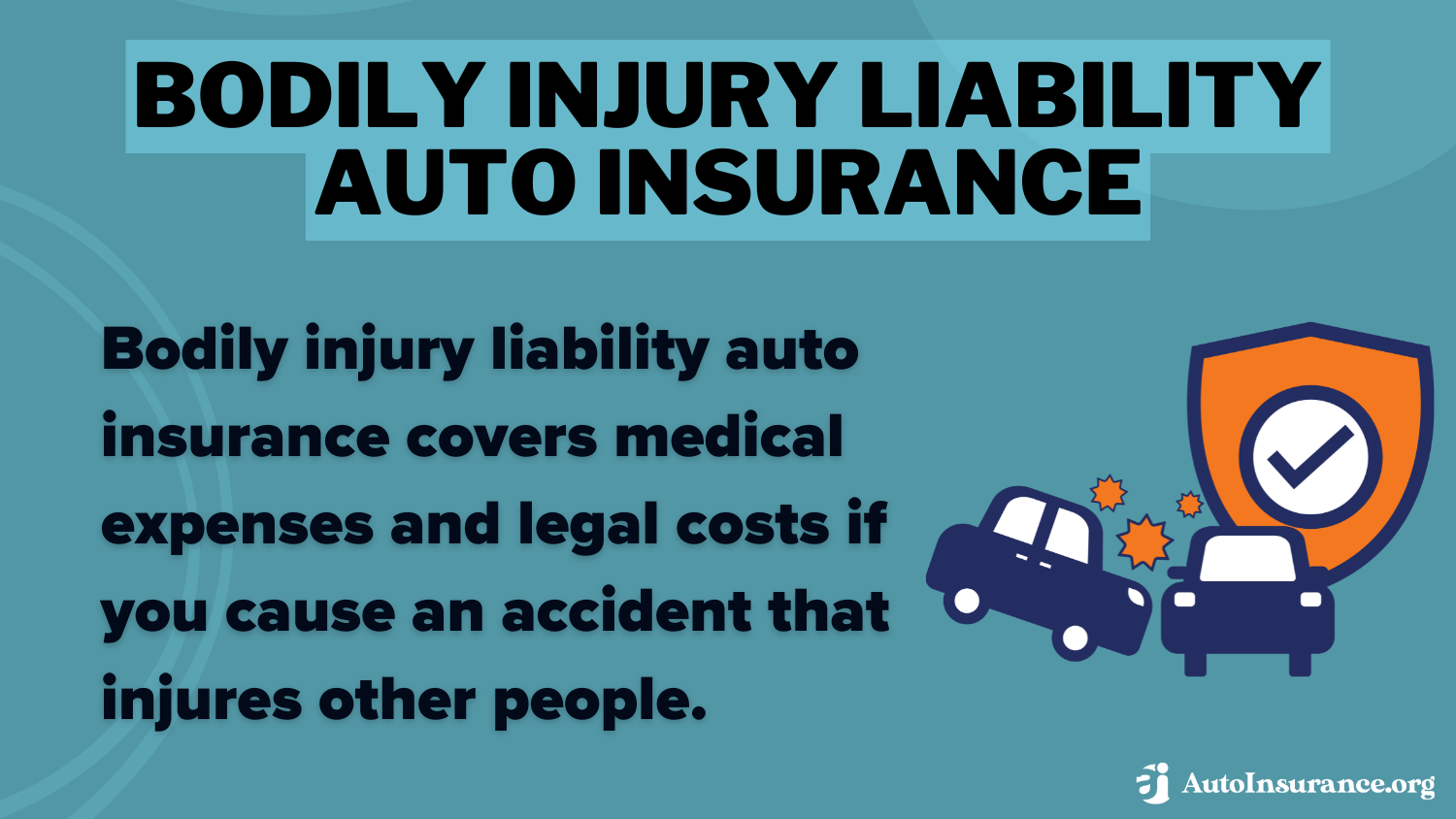
This component covers costs associated with injuries or death that you cause to another person while operating your vehicle. In a 2026 context, medical costs remain a significant driver of insurance premiums. Bodily injury liability helps pay for:
- Emergency room visits and hospital stays for the impacted parties.
- Follow-up medical treatments, physical therapy, and rehabilitation.
- Lost wages if the injured person is unable to work.
- Legal fees if you are sued as a result of the accident.
- Funeral expenses in the event of a fatal collision.
Property Damage Liability (PD)
Property damage liability pays for the repair or replacement of another person’s property. While this most commonly refers to the other driver's vehicle, it also extends to:
- Public property, such as lamp posts, street signs, and guardrails.
- Private property, including fences, storefronts, or homes.
- Personal items inside the other driver's vehicle that were damaged during the crash.
How Allstate Structures Minimum Liability Policies
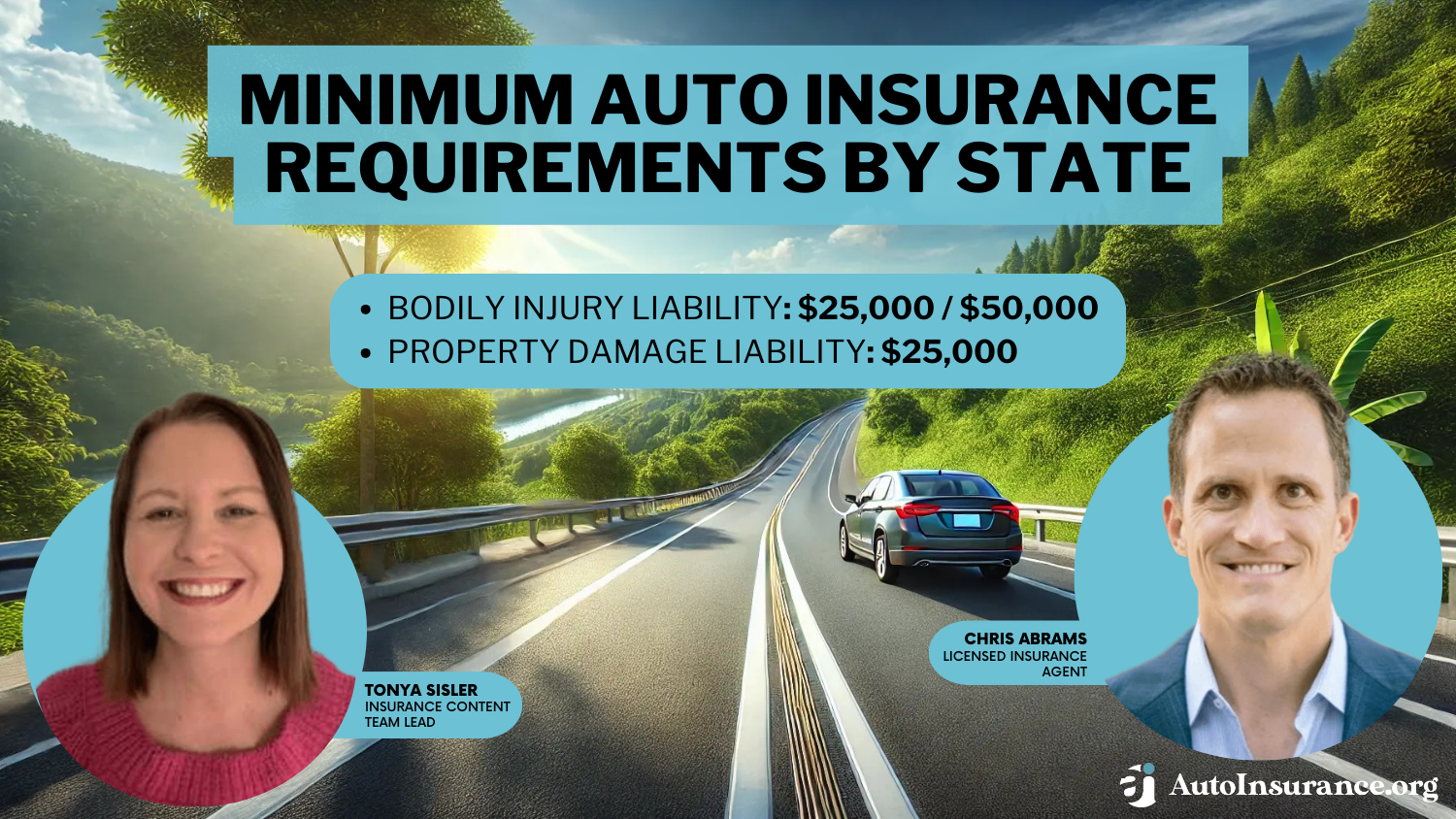
Allstate uses a standardized "split-limit" system to define its liability policies, which is the industry standard in 2026. When you view a quote for minimum liability, you will often see three numbers separated by slashes, such as 25/50/25.
- The First Number (Individual Bodily Injury): This is the maximum amount Allstate will pay for injuries to a single person in an accident. If the state minimum is $25,000 and the other driver's medical bills are $30,000, you may be personally responsible for the remaining $5,000.
- The Second Number (Total Bodily Injury per Accident): This is the total cap Allstate will pay for all people injured in a single accident. If multiple people are hurt, this limit is reached quickly.
- The Third Number (Total Property Damage): This is the maximum amount Allstate will pay to repair property you damaged. With the average cost of new vehicles exceeding $50,000 in 2026, a $25,000 property damage limit often falls short of covering a totaled modern car.
Allstate’s agents and digital platforms are programmed to automatically update these numbers based on the state where the vehicle is registered. If a state legislature increases the minimum requirements during your policy term, Allstate typically adjusts the policy to meet the new legal threshold.
Comparing State Minimum Requirements in 2026
Minimum requirements vary significantly across the country. Some states have historically low limits that offer minimal protection, while others have increased their mandates to reflect the modern cost of healthcare and vehicle technology.
| State | Bodily Injury (Per Person) | Bodily Injury (Per Accident) | Property Damage |
|---|---|---|---|
| California | $15,000 | $30,000 | $5,000 |
| Texas | $30,000 | $60,000 | $25,000 |
| New York | $25,000 | $50,000 | $10,000 |
| Florida | $10,000 (BIL*) | $20,000 (BIL*) | $10,000 (PDL) |
| Ohio | $25,000 | $50,000 | $25,000 |
*Note: Florida utilizes a unique No-Fault system where Personal Injury Protection (PIP) is also a primary mandate. In many cases, Bodily Injury Liability is only required for specific drivers or after certain accidents.
For the most current data on your specific jurisdiction, the National Association of Insurance Commissioners (NAIC) provides comprehensive resources on state-specific insurance regulations.
Why Minimum Liability May Be Financially Risky
While an Allstate minimum liability policy fulfills your legal obligation to the state, it often leaves you "underinsured" in the face of a serious accident. In 2026, the cost of a modern electric vehicle (EV) or a vehicle equipped with advanced driver-assistance systems (ADAS) means that even a minor fender bender can result in repair bills exceeding $10,000 due to expensive sensors and calibration requirements.
The Risk of Personal Assets
If you are at fault in an accident and the damages exceed your Allstate policy limits, the injured party can sue you for the difference. This puts your personal savings, future wages, and even your home at risk. For example, if you carry a $25,000 property damage limit but total a $60,000 SUV, you are technically liable for the $35,000 deficit.
Lack of First-Party Coverage
A "minimum liability" policy from Allstate does not include:
- Collision Coverage: Allstate will not pay to fix your car if you hit another vehicle or object.
- Comprehensive Coverage: You are not protected against theft, vandalism, fire, or weather damage.
- Uninsured Motorist Coverage: In some states, this is an optional add-on, but without it, you may have no recourse if an uninsured driver hits you.
- Medical Payments (MedPay): Minimum liability does not cover your own medical bills or those of your passengers.
Factors Influencing Allstate Premiums for Minimum Coverage
Even when purchasing the bare minimum, your premium at Allstate is not a flat rate. In 2026, several key factors determine what you will pay for a state-mandated policy:
- Location and ZIP Code: Rates are higher in urban areas with high traffic density and higher rates of litigation.
- Driving History: Allstate heavily weights your recent driving record. Multiple moving violations or at-fault accidents in the last three to five years will significantly increase the cost of even a minimum policy.
- Credit-Based Insurance Scores: In states where it is legally permitted, Allstate uses your credit history as a predictor of risk.
- Vehicle Type: While liability insurance covers damage to others, the type of car you drive can still influence the rate based on its historical likelihood of being involved in accidents or the severity of the damage it typically causes.
- Insurance Gap History: Maintaining continuous coverage is vital. If you have a lapse in insurance, Allstate may classify you as a high-risk driver, leading to higher premiums for the same minimum coverage.
To verify how these factors apply to your specific situation, the Insurance Information Institute (III) offers detailed breakdowns of how insurers calculate risk and premiums.
How to Obtain an Allstate Minimum Liability Quote
Getting a policy that meets state mandates through Allstate is a streamlined process in 2026. You can initiate this through three primary channels:
Digital Application
The Allstate website and mobile app allow users to enter their vehicle identification number (VIN) and driver's license information to receive an instant quote. The system is designed to automatically suggest the "State Minimum" as a baseline option. This is often the fastest way for tech-savvy drivers to secure proof of insurance.
Exclusive Agents
Allstate operates through a network of local agents. These professionals can provide context that a website cannot, such as explaining specific state laws or identifying discounts you might have missed. For drivers in complex insurance markets like Michigan or New Jersey, speaking with an agent ensures that the policy meets all nuances of state law.
Telephone Enrollment
For those who prefer direct communication without visiting an office, Allstate’s central call centers can finalize a policy and email digital ID cards within minutes. This is particularly useful for drivers at a dealership who need immediate coverage to drive a new purchase off the lot.
Managing Your Minimum Policy via the Allstate Mobile App
In 2026, digital proof of insurance is accepted by law enforcement and DMV offices in nearly every state. Allstate’s mobile platform provides:
- Digital ID Cards: Instant access to your insurance card, even when offline.
- Quick Payments: Scheduling autopay to ensure the policy never lapses.
- Policy Documents: Easy viewing of your specific BI and PD limits to verify you are still in compliance with state law.
- Claim Reporting: If you are involved in an accident, you can upload photos and details immediately, which is crucial for liability defense.
Common Misconceptions About Allstate Minimum Coverage
There are several persistent myths regarding state-mandated insurance that can lead to significant financial distress for Allstate policyholders.
Myth: "Full Coverage" is a legal requirement. "Full coverage" is not a legal term. It typically refers to a combination of liability, collision, and comprehensive insurance. While the state only mandates liability, your lienholder (the bank or leasing company) will almost certainly require collision and comprehensive coverage if you do not own the vehicle outright.
Myth: The minimum is always the cheapest option in the long run. While the monthly premium is lower, the "out-of-pocket" cost after one accident can be life-altering. Increasing your limits from 25/50/25 to 100/300/100 often costs only a few dollars more per month but provides quadruple the protection.
Myth: Allstate will cover me if I use my car for business. A standard personal minimum liability policy usually excludes coverage for commercial activities. If you are driving for a ride-share service or delivering food in 2026, you must notify Allstate to ensure your liability coverage remains valid during those periods.
Frequently Asked Questions
Does Allstate offer minimum liability for high-risk drivers?
Yes, Allstate provides coverage for high-risk drivers, though premiums will be significantly higher. In some cases, Allstate may steer high-risk applicants toward their subsidiary, National General, which specializes in non-standard auto insurance while still meeting all state mandates.
Can I get an SR-22 through Allstate with minimum liability?
Allstate can file an SR-22 (or FR-44 in some states) on your behalf. An SR-22 is not insurance; it is a document filed with the state to prove you carry the mandated minimum liability coverage. This is typically required after a DUI or a series of major violations.
What happens if I drive to another state with Allstate minimum coverage?
Allstate policies generally include an "out-of-state coverage" provision. If you have a policy that meets the minimums in your home state (e.g., $15,000 in California) but you have an accident in a state with higher requirements (e.g., $30,000 in Texas), Allstate will typically adjust your limits upward for that specific incident to meet the other state's legal requirements.
Does minimum liability cover my passengers?
In most states, liability insurance covers injuries to people in other cars and pedestrians. It may not cover passengers in your own vehicle unless your state specifically requires Personal Injury Protection (PIP) or Medical Payments (MedPay) as part of its mandated minimums.
Can I cancel my Allstate minimum policy at any time?
Yes, you can cancel your policy, but doing so without immediately replacing it can lead to a "lapse in coverage." In 2026, most state DMVs are electronically linked to insurance carriers. If Allstate notifies the state that your policy has been canceled, your vehicle registration may be suspended automatically.
Does Allstate's minimum liability include roadside assistance?
No. Roadside assistance is an optional add-on and is not part of a state-mandated liability package. You must specifically request and pay for this feature.
Practical Recommendation
If you are seeking to satisfy legal requirements while managing a tight budget in 2026, Allstate’s state-mandated minimum liability insurance is a viable solution for maintaining your driving privileges. However, it is highly recommended that you request a "stepped-up" quote during the application process.
Compare the cost of the absolute minimum against a policy with slightly higher limits (such as 50/100/50). Often, the difference in premium is negligible—less than the cost of a single meal out per month—yet it provides a much more robust safety net against the high cost of medical care and vehicle technology in 2026. Always ensure you have your digital ID card downloaded to your phone via the Allstate app to avoid "failure to provide evidence of insurance" citations during traffic stops.