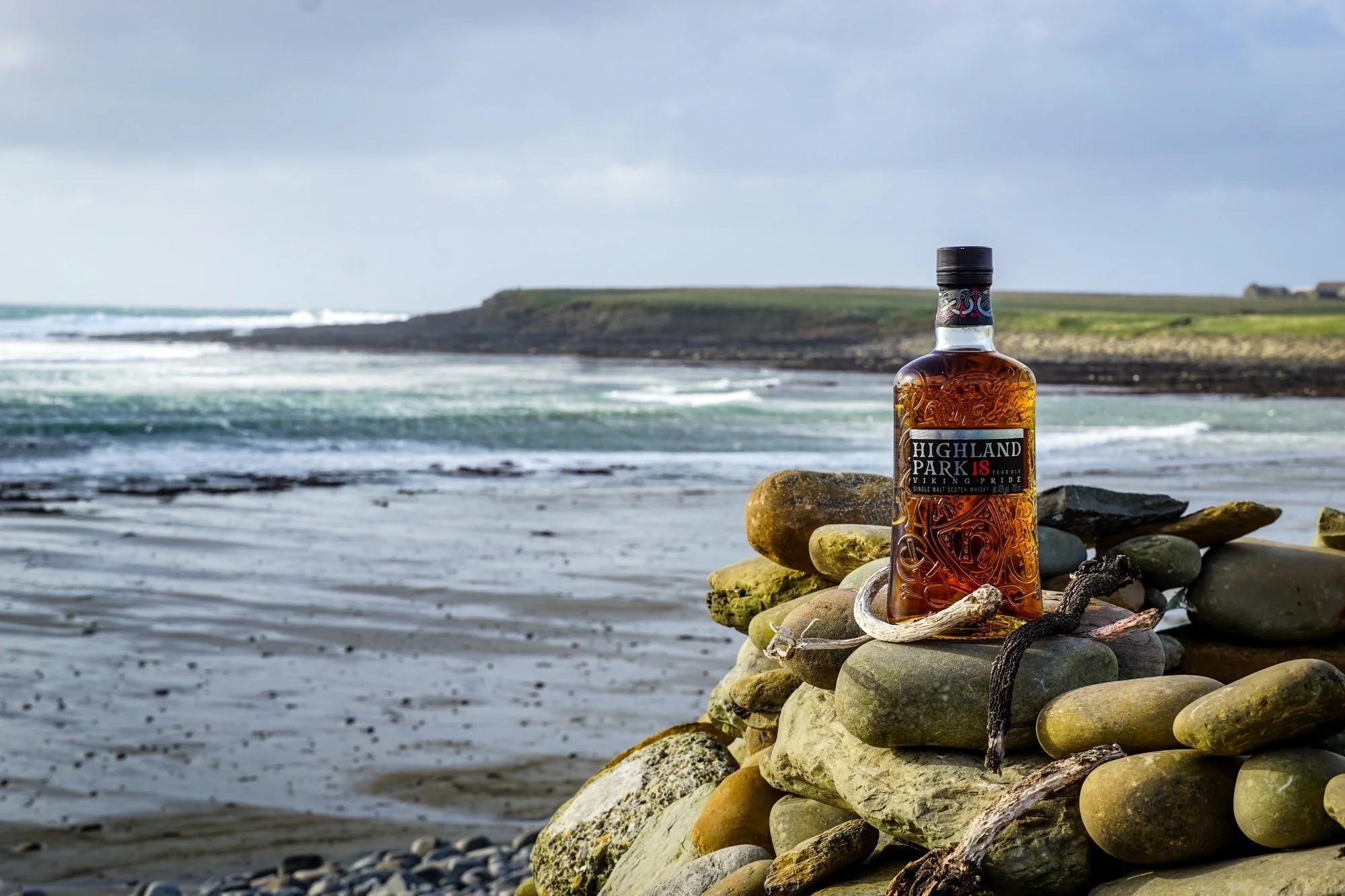
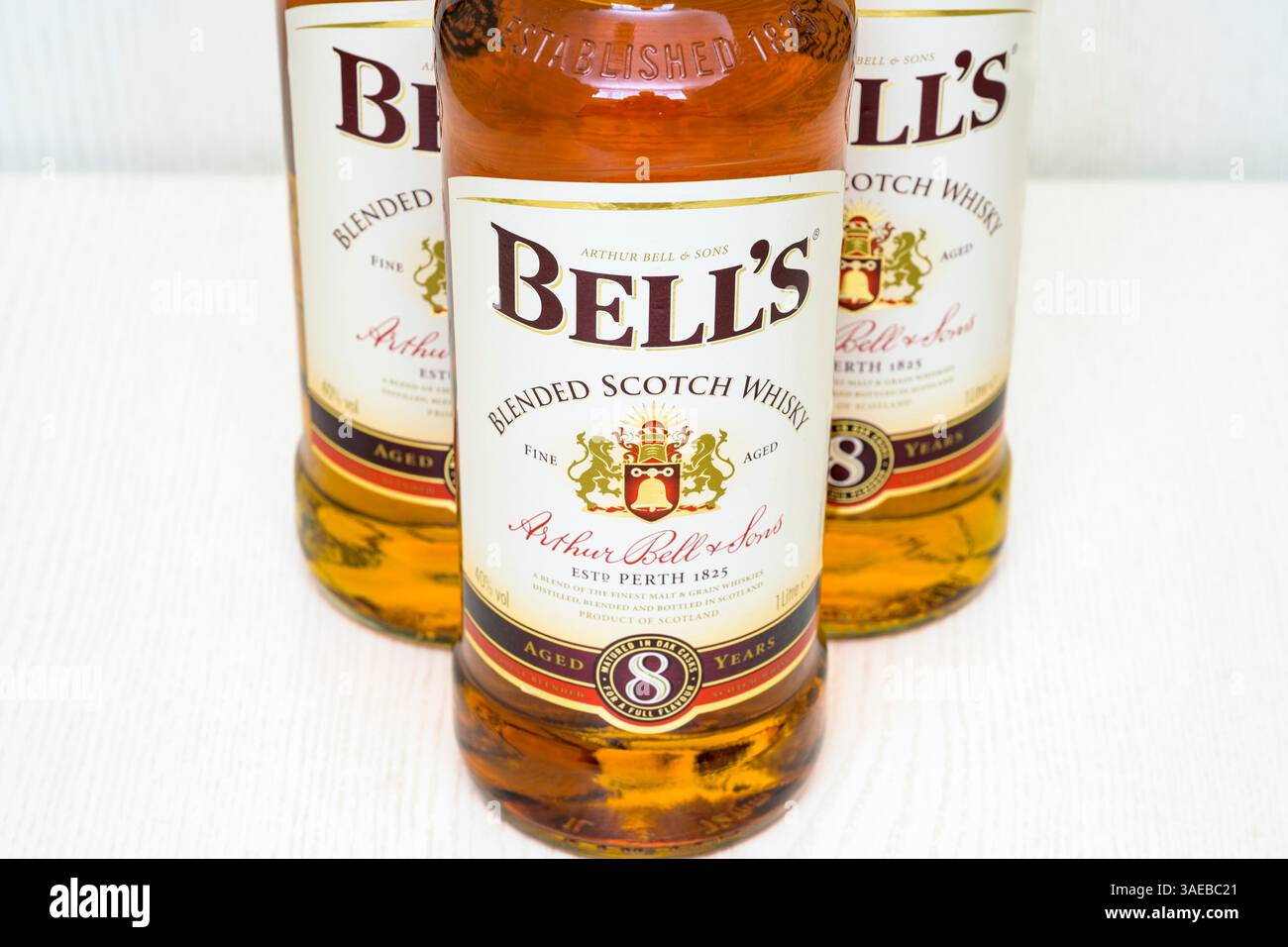
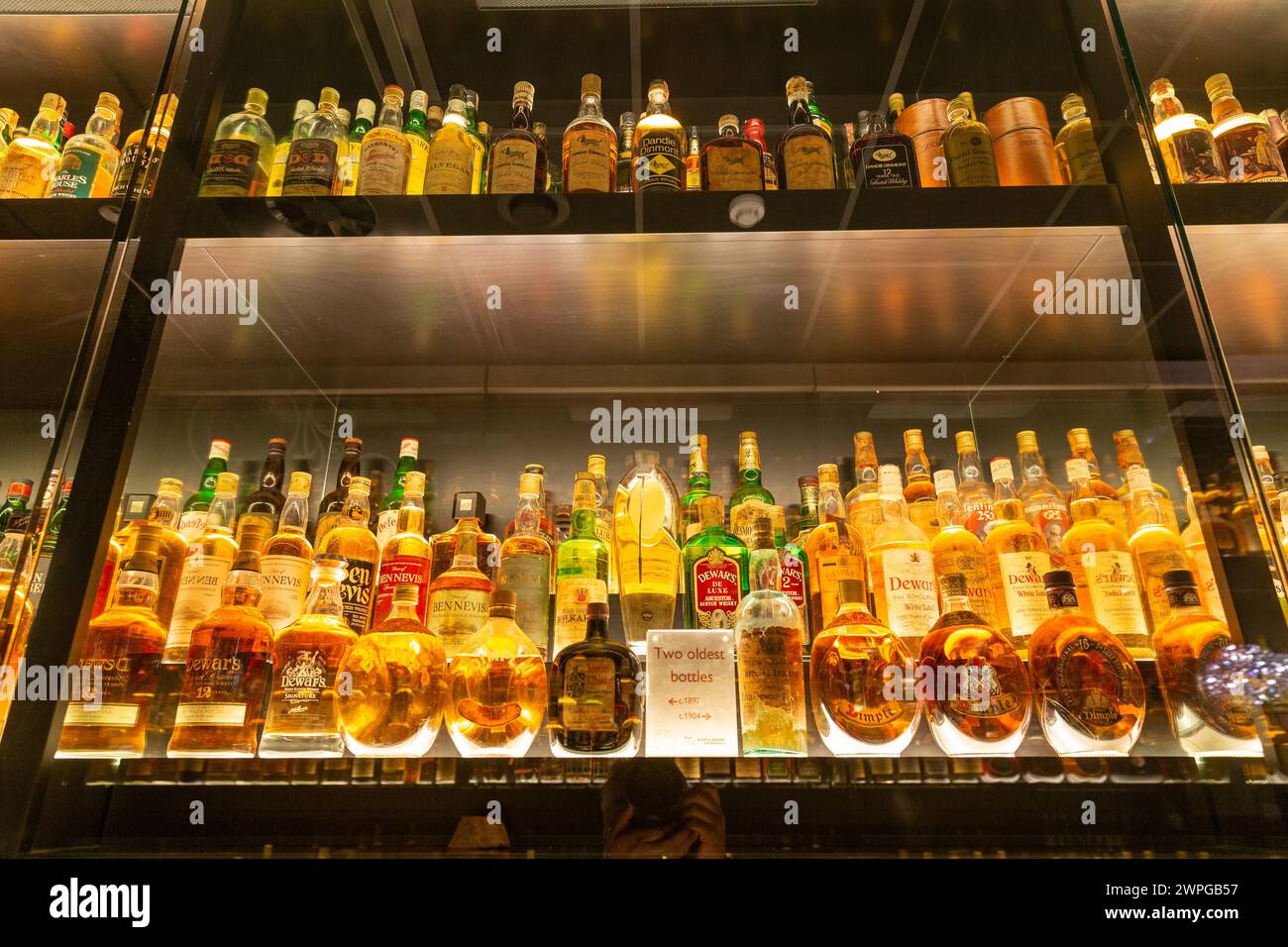
To be legally labeled as Scotch Whisky, the spirit must be produced, matured, and distilled entirely within Scotland. This requirement is mandated by the Scotch Whisky Regulations 2009, which define the geographical boundaries, production methods, and maturation standards necessary for a whisky to carry the protected name "Scotch" in international trade.
The distinction between "whisky" and "Scotch" is not merely a matter of tradition or marketing; it is a strict legal classification. Much like Champagne must come from the Champagne region of France or Cognac from the Cognac commune, Scotch Whisky is a protected Geographical Indication (GI). As of 2026, these regulations remain the gold standard for spirit authenticity, ensuring that every bottle labeled as Scotch has a verifiable lineage tracing back to Scottish soil, water, and air.
The Legal Framework: The Scotch Whisky Regulations 2009
The primary legislation governing the production of Scotch is the Scotch Whisky Regulations 2009. These regulations replaced earlier, less comprehensive laws and provided a robust framework that the UK government and the Scotch Whisky Association (SWA) use to protect the industry from counterfeit products and "style" imitations.
Under these rules, for a spirit to be called Scotch, it must meet several non-negotiable criteria:
- Distillation Location: It must be distilled at a distillery in Scotland from water and malted barley (to which only whole grains of other cereals may be added).
- Enzymatic Conversion: All conversion of starch to fermentable substrate must take place at that distillery by endogenous enzyme systems.
- Fermentation: The fermentation must occur only by the addition of yeast.
- Distillation Strength: It must be distilled at an alcoholic strength by volume (ABV) of less than 94.8% so that the distillate has an aroma and taste derived from the raw materials used.
- Maturation: The spirit must be matured in an excise warehouse in Scotland in oak casks of a capacity not exceeding 700 liters for at least three years.
- Additives: No substances other than water and plain caramel coloring (E150A) may be added.
- Minimum Bottling Strength: The final product must have a minimum alcoholic strength by volume of 40%.
If a whisky is produced using the exact same methods in Japan, the United States, or Australia, it may be a high-quality "single malt whisky," but it can never be labeled as Scotch.
The Role of Geography and Terroir in Scotch Production
The requirement that Scotch be made in Scotland is rooted in the concept of terroir—the environmental factors that affect a crop's phenotype. While the ingredients of whisky are relatively simple, the Scottish environment provides specific variables that are difficult to replicate elsewhere.
Water Sources
Scotland’s geology is incredibly diverse, ranging from the ancient Precambrian rocks of the Highlands to the peat-rich soils of the islands. Distilleries often highlight their specific water source, such as a particular burn (stream) or spring. The soft water found in much of Scotland is ideal for the mashing process, affecting the extraction of sugars from the malted barley.
The Scottish Climate
The maturation process is where the geography of Scotland plays its most significant role. The "three-year rule" is the minimum, but many Scotch whiskies age for 12, 18, or 25 years. Scotland’s cool, maritime climate results in a slow, steady interaction between the spirit and the wood of the oak cask.
In warmer climates, such as those found in Kentucky (for Bourbon) or India, the spirit expands and contracts into the wood more aggressively, leading to faster maturation but also higher rates of evaporation, known as the "Angel's Share." In Scotland, the Angel's Share is typically only 1% to 2% per year, allowing for the long-term maturation that develops the complex, subtle esters and phenols associated with high-end Scotch.
The Five Categories of Scotch Whisky
The 2009 Regulations also clearly defined the five categories of Scotch. Every bottle must fall into one of these classifications, further ensuring that consumers know exactly what they are purchasing.
- Single Malt Scotch Whisky: Distilled at a single distillery from water and malted barley without the addition of any other cereals, and by batch distillation in pot stills.
- Single Grain Scotch Whisky: Distilled at a single distillery from water and malted barley with or without whole grains of other malted or unmalted cereals. It does not meet the definition of Single Malt (often because it is made in a continuous column still).
- Blended Malt Scotch Whisky: A blend of two or more Single Malt Scotch Whiskies from different distilleries.
- Blended Grain Scotch Whisky: A blend of two or more Single Grain Scotch Whiskies from different distilleries.
- Blended Scotch Whisky: A blend of one or more Single Malt Scotch Whiskies with one or more Single Grain Scotch Whiskies. This is the most common type of Scotch sold globally.
Why "Scotch Style" Is Not Scotch
A common point of confusion arises when producers in other countries use traditional Scottish methods. For instance, Japanese whisky has historically followed the Scotch model closely, even importing Scottish barley and using similar pot still designs. However, the Scotch Whisky Association aggressively protects the name.
In recent years, the international community has moved toward stricter labeling. In 2021, the Japan Spirits & Liqueurs Makers Association announced new internal labeling standards to distinguish "Japanese Whisky" from spirits that were merely bottled in Japan but distilled elsewhere (often in Scotland). This move mirrored the Scottish requirement for transparency, reinforcing that the "Scotch" name is tied to a specific place of origin.
Comparison of Scotch vs. Other Major Whiskies
To understand the uniqueness of the Scottish requirements, it is helpful to compare them to other major whisky-producing regions as of 2026.
| Feature | Scotch Whisky | Bourbon (USA) | Irish Whiskey |
|---|---|---|---|
| Location | Scotland Only | United States Only | Ireland/Northern Ireland |
| Primary Grain | Malted Barley (Malt) | Corn (at least 51%) | Barley (Malted/Unmalted) |
| Cask Type | Oak (often used) | New Charred Oak | Oak |
| Min. Maturation | 3 Years | 2 Years (for "Straight") | 3 Years |
| Distillation | Pot or Column Still | Mostly Column Still | Mostly Pot (Triple Distilled) |
| Additives | Water & Caramel (E150A) | Water only (for Straight) | Water & Caramel |
The Impact of Regionality Within Scotland
Even within the borders of Scotland, the location of production is so critical that the law recognizes five distinct regions. While all are "Scotch," the sub-regional labeling is also protected.
1. Speyside
Home to the highest density of distilleries, Speyside whiskies are generally known for being fruity, floral, and elegant. They often use sherry cask maturation to impart flavors of dried fruits and spice.
2. Islay
Islay is famous for its heavily peated whiskies. The salt spray of the Atlantic Ocean and the use of local peat during the malting process give these whiskies a distinctive smoky, medicinal, and briny character.
3. The Highlands
The largest region geographically, the Highlands offer a wide variety of styles, from the light and grassy whiskies of the north to the more robust and nutty spirits of the east.
4. The Lowlands
Traditionally known for triple distillation (though not exclusively), Lowland whiskies are often lighter, more citrusy, and "grassy," making them popular as aperitifs.
5. Campbeltown
Once the "Whisky Capital of the World," Campbeltown now has only a handful of distilleries, but it remains a protected region due to its unique, oily, and slightly salty profile.
Common Misconceptions Regarding Scotch Production
Can Scotch be bottled outside of Scotland?
For Single Malt Scotch Whisky, the answer is a firm no. Since 2012, regulations have required that all Single Malt Scotch be bottled within Scotland. This was enacted to prevent "bulk exports" where the quality could potentially be compromised or the spirit tampered with before reaching the consumer. However, Blended Scotch Whisky can still be exported in bulk and bottled in other countries, provided the spirit itself was entirely produced and matured in Scotland according to the law.
Does the barley have to be grown in Scotland?
Surprisingly, no. While many distilleries prioritize local Scottish barley for marketing or flavor reasons, the law only requires that the distillation and maturation occur in Scotland. Barley can be sourced from England, Europe, or even further afield, as long as it is processed in a Scottish distillery.
Does the cask have to be Scottish oak?
Again, no. In fact, most Scotch is matured in used American White Oak (Ex-Bourbon) or European Oak (Ex-Sherry) casks. The use of "virgin" Scottish oak is rare because the wood is notoriously difficult to work with and can impart overly aggressive tannins. The requirement is simply that the cask be made of oak.
How to Verify Your Bottle
When purchasing a bottle in 2026, consumers can verify the authenticity of Scotch by looking for several key indicators on the label:
- The Category: It must state "Single Malt," "Blended," etc.
- The Region: (Optional but common) Speyside, Islay, etc.
- The Statement of Origin: It must clearly say "Product of Scotland" or "Distilled and Matured in Scotland."
- ABV: It must be at least 40%.
- Age Statement: If an age is listed (e.g., 12 Years), it must refer to the youngest whisky in the bottle.
The UK Government’s Spirit Drinks Verification Scheme ensures that every stage of the supply chain is audited, from the distillery to the bottling plant, to maintain the integrity of the Scotch label.
Frequently Asked Questions
Can I make "Scotch" in my home if I live in Scotland?
Technically, if you had a commercial license and followed all the 2009 Regulations, yes. However, home distilling of spirits is illegal in the UK without a license from HM Revenue and Customs. Furthermore, to be called "Scotch," it must be matured for three years in an excise-approved warehouse.
Why is Scotch so expensive compared to other spirits?
The cost is driven by the legal requirement for long maturation. While vodka or gin can be sold immediately after distillation, Scotch producers must pay for storage, insurance, and the "Angel's Share" loss for at least three years (and often decades). This tied-up capital and the high tax (excise duty) on spirits in the UK contribute to the premium price.
What happens if a company sells "Scotch" made in Canada?
The Scotch Whisky Association (SWA) employs a legal team that monitors global markets. If a product is found using the term "Scotch" while being produced outside Scotland, the SWA will initiate legal action for trademark infringement and consumer deception. They have successfully won hundreds of cases worldwide to protect the GI status.
Is "Whisky" always Scotch?
No. Whisky (or whiskey) is a broad category of grain-based spirits. Scotch is a specific type of whisky. All Scotch is whisky, but not all whisky is Scotch. Note that the Scottish spelling omits the "e," whereas Irish and American producers typically use "whiskey."
Summary of Next Actions for Enthusiasts
If you are looking to explore the world of authentic Scotch, your next step should be to look for the Geographical Indication markers on your next purchase. Start by comparing a Single Malt from a coastal region like Islay with one from the inland Speyside region to truly understand how the Scottish environment influences the final product. For those interested in the legalities, the official website of the Scotch Whisky Association provides updated lists of verified distilleries and detailed breakdowns of current export laws as of 2026.