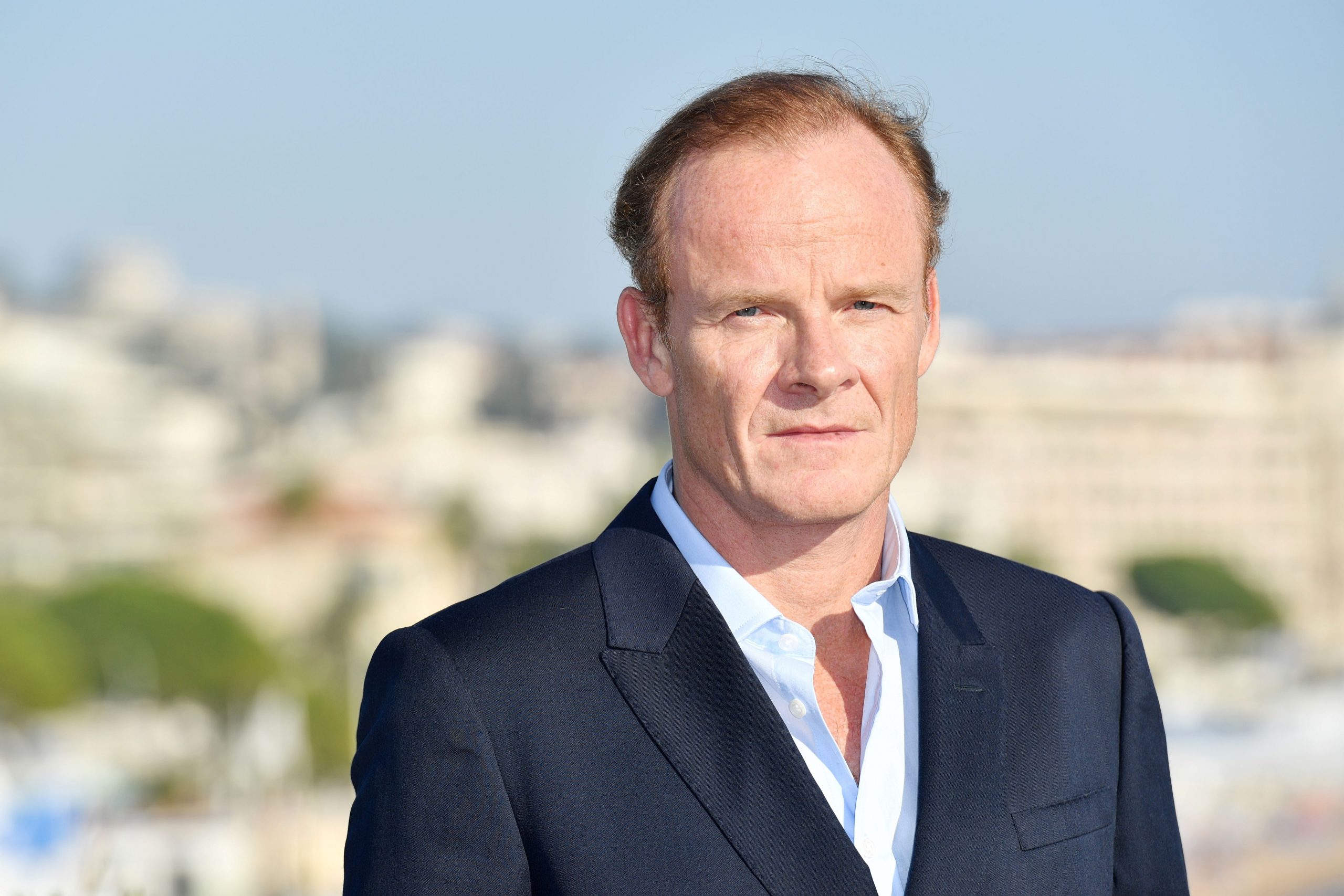
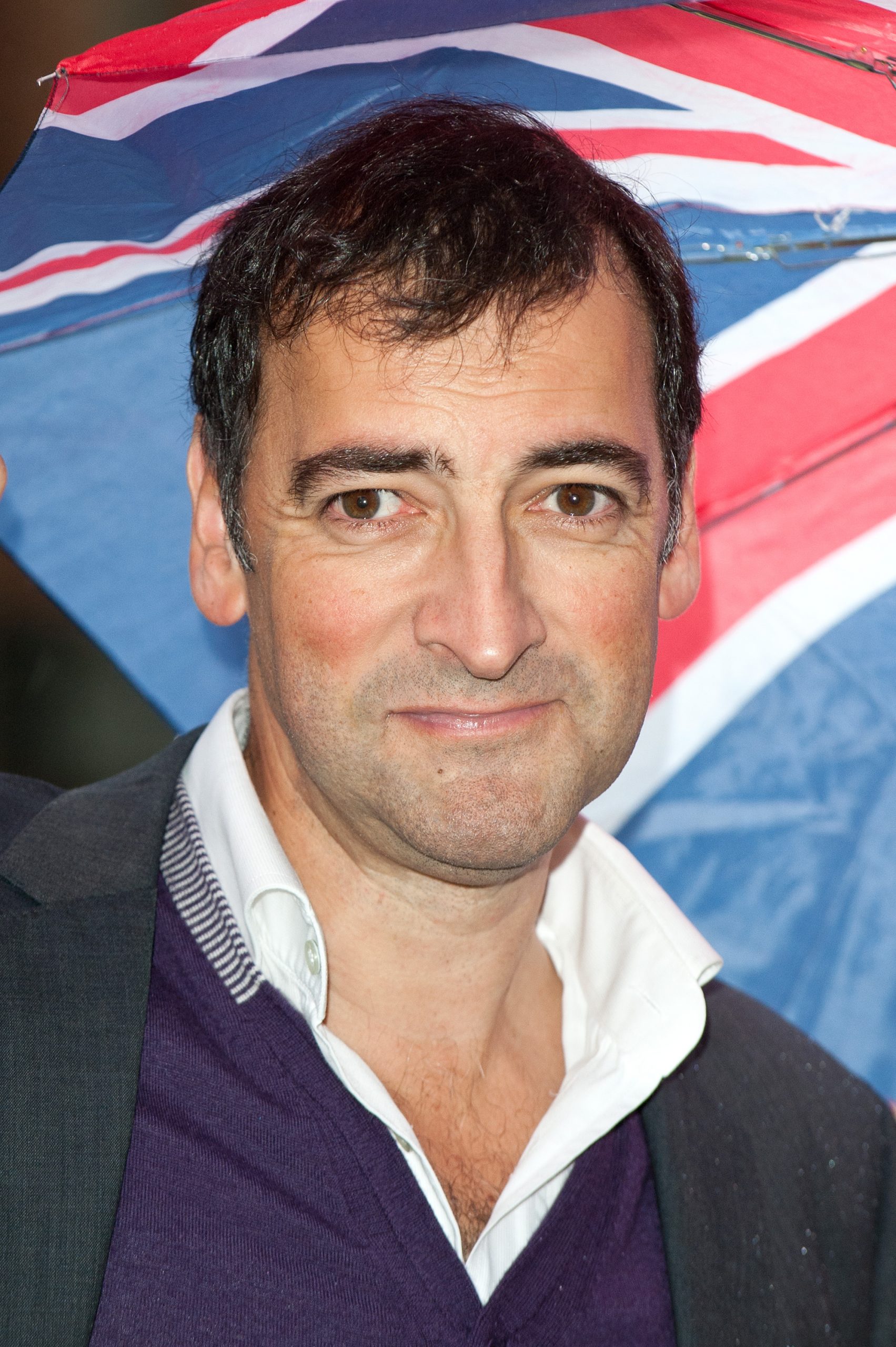
Alistair Elliott's net worth is estimated to be between £15 million and £25 million as of 2026. This valuation is based on his 38-year tenure at Knight Frank, including nearly a decade as Senior Partner and Group Chairman, where he benefited from the firm’s lucrative Limited Liability Partnership (LLP) profit-sharing structure.
The financial standing of high-level real estate executives often remains shielded from the public eye, particularly when they lead private partnerships rather than publicly traded corporations. However, by analyzing the annual profit distributions of Knight Frank, Alistair Elliott’s historical compensation packages, and his subsequent roles in prestigious organizations like The Crown Estate, we can construct a comprehensive profile of his wealth and professional influence.
The Professional Architecture of Alistair Elliott’s Career
Alistair Elliott is synonymous with the modern evolution of Knight Frank, one of the world’s most prestigious real estate consultancies. To understand his net worth, one must first understand the longevity and depth of his involvement with the firm. Elliott joined Knight Frank in 1983, straight out of university, and remained with the company until his retirement from the partnership in 2022.
In the corporate world, such longevity is rare. Elliott did not merely "occupy" a seat; he ascended through the ranks during a period of unprecedented global expansion for the firm. By 1995, he was a partner, and by 2006, he was leading the commercial division. In 2013, he was elected Senior Partner and Group Chairman, a role he held for nine years. During his leadership, Knight Frank solidified its position as a global powerhouse, competing directly with publicly listed giants like Savills, JLL, and CBRE, while maintaining its independent partnership status.
The Significance of the Senior Partner Role
Being the Senior Partner of Knight Frank is not equivalent to being a standard CEO. In an LLP structure, the Senior Partner is the "first among equals." They are responsible for the strategic direction of the global network, which includes over 16,000 people across nearly 500 offices.
Elliott’s era was defined by a focus on "private wealth" and "global connectivity." He steered the firm through the volatility of the Brexit referendum and the global COVID-19 pandemic, consistently delivering strong financial results. This performance is directly linked to his personal wealth, as LLP partners receive a "draw" or share of the firm's total profits rather than a fixed salary.
Understanding the Financial Structure of Knight Frank LLP
Knight Frank operates as a Limited Liability Partnership. This distinction is vital when discussing Alistair Elliott’s net worth. Unlike a Public Limited Company (PLC) where executive pay is often a mix of salary, bonuses, and stock options, an LLP distributes a significant portion of its annual profits to its equity partners.
In the final years of Elliott’s chairmanship, Knight Frank reported record-breaking figures. For the financial year ending March 2021, the firm reported a group profit of approximately £153.7 million. For the year he stepped down (2022), the results were even more robust, with turnover increasing significantly as the global property market rebounded.
How Profit Sharing Impacts Net Worth
As the Senior Partner, Elliott would have held a significant number of "equity units" within the partnership. While the exact distribution remains confidential, historical data from comparable UK-based LLPs suggests that the top-earning partner often receives a share several times larger than the average partner.
- Annual "Draws": During peak years, it is estimated that the Senior Partner at Knight Frank could take home between £2.5 million and £4 million annually in profit distributions.
- Retained Equity: Over a 38-year career, the accumulation of these distributions, combined with smart personal investments, forms the bedrock of a multi-million-pound net worth.
- Capital Contributions: Partners also have capital tied up in the firm, which is typically repaid upon retirement, providing a significant liquidity event.
Estimating Alistair Elliott’s Net Worth in 2026
By 2026, Alistair Elliott has transitioned from his full-time executive role at Knight Frank into a portfolio career consisting of advisory roles and board memberships. His net worth is not a static figure but an accumulation of decades of high-level earnings and asset appreciation.
Breakdown of Wealth Components
- Partnership Distributions (1995–2022): The primary source of his wealth. Having spent 27 years as a partner, the compounding effect of annual profit shares is substantial.
- Property Portfolio: As a veteran of the real estate industry, it is a near-certainty that Elliott holds significant private real estate investments. Given his expertise, these are likely high-yield commercial or prime residential assets in London and the Home Counties.
- Advisory and Non-Executive Fees: Since 2022, Elliott has served in high-profile roles, including as a Commissioner for The Crown Estate. These roles carry prestigious stipends and keep him at the center of the UK's financial ecosystem.
- Pension and Reinvestment: Decades of maximizing tax-efficient investment vehicles and private equity placements common among high-net-worth individuals in the UK.
| Financial Indicator | Estimated Value / Impact |
|---|---|
| Estimated Net Worth (2026) | £15M – £25M |
| Peak Annual Earnings (Est.) | £2.5M – £4.0M |
| Total Years at Knight Frank | 38 Years |
| Primary Wealth Source | LLP Profit Participation |
| Current Board Roles | The Crown Estate, various advisory |
| Industry Standing | FRICS (Fellow of the Royal Institution of Chartered Surveyors) |
Post-Retirement Roles and Continued Influence
Alistair Elliott’s departure from Knight Frank in April 2022 did not signal a retreat from the professional world. Instead, it marked his transition into a "statesman" of the property industry. His appointment as a Commissioner for The Crown Estate is particularly noteworthy.
The Crown Estate Appointment
The Crown Estate is one of the largest property managers in the UK, managing a portfolio worth over £15 billion, including the entirety of Regent Street and the UK’s seabed. Being appointed as a Commissioner by the Treasury is a testament to Elliott’s reputation and integrity. While these roles are not designed to generate massive wealth in the same way a partnership does, they provide a steady income and maintain the "social capital" that often leads to further lucrative private advisory opportunities.
Other Board and Charitable Engagements
Elliott has historically been involved with the LandAid charity and various industry bodies. In 2026, he remains a vocal advocate for the built environment, often providing commentary on urban regeneration and the future of office spaces. These activities ensure his "brand" remains valuable, leading to speaking engagements and consultancy contracts that supplement his core wealth.
Comparative Analysis: How He Stacks Up
To put Alistair Elliott’s net worth into perspective, it is useful to compare him with other leaders in the real estate sector.
- Public Company CEOs: CEOs of firms like Savills (e.g., Mark Ridley) often have higher "visible" pay because of public disclosures. However, the LLP model used by Knight Frank allows for high levels of wealth accumulation without the same level of public scrutiny regarding daily fluctuations in stock price.
- The "Independent" Advantage: Because Knight Frank remains independent, Elliott was never subject to the short-term pressures of quarterly earnings calls in the same way his peers at JLL or CBRE were. This allowed for long-term strategic decisions that prioritized the partnership’s health—and by extension, the partners' long-term wealth.
Factors That Could Influence His Financial Standing
While the £15M – £25M estimate is grounded in career data, several factors could influence the actual figure:
- Market Volatility: As a real estate expert, much of his personal wealth is likely tied to the UK property market. Significant shifts in prime London values affect his personal portfolio.
- Taxation: High-earning partners in the UK are subject to the 45% top rate of income tax on their profit distributions, which impacts the "net" accumulation of wealth over time.
- Private Investments: Like many in his position, Elliott may have invested in prop-tech startups or private equity funds that could have significantly outperformed (or underperformed) traditional markets.
Key Career Milestones Influencing His Wealth
- 1983: Joins Knight Frank as a graduate.
- 1995: Elected to the Partnership.
- 2006: Becomes Head of the Commercial Division. This was a pivotal moment as the commercial sector generated massive fees during the pre-2008 boom.
- 2013: Elected Senior Partner. This elevated his earnings to the top tier of the firm.
- 2017: Oversees the expansion into new global territories, increasing the firm’s turnover and the "pool" of profits available for distribution.
- 2022: Retirement from the partnership and transition to non-executive roles.
FAQ
What is Alistair Elliott’s current role in 2026?
Alistair Elliott currently holds several non-executive and advisory positions. Most notably, he serves as a Commissioner for The Crown Estate and provides strategic consultancy to various property-related boards. He retired from his position as Senior Partner and Group Chairman of Knight Frank in 2022.
How did Knight Frank's profit affect his net worth?
As a Senior Partner in a Limited Liability Partnership (LLP), Elliott did not receive a traditional salary. Instead, he received a share of the firm's annual profits. During his tenure, Knight Frank frequently reported annual profits exceeding £140 million, meaning the top partners received multi-million-pound annual distributions.
Is Alistair Elliott's net worth public knowledge?
No, Alistair Elliott’s exact net worth is not publicly disclosed. Because Knight Frank is a private partnership and not a public company, it is not required to publish the specific earnings of individual partners. Estimates are based on industry benchmarks, LLP filings, and historical compensation data for top-tier real estate executives.
Who succeeded Alistair Elliott at Knight Frank?
William Beardmore-Gray succeeded Alistair Elliott as the Senior Partner and Group Chairman of Knight Frank in April 2022. The transition was part of a long-planned succession strategy within the partnership.
What is the difference between a Senior Partner and a CEO in terms of pay?
A CEO of a public company typically receives a base salary plus performance-related bonuses and stock options. A Senior Partner in an LLP receives a "draw" based on the firm's total profit. If the firm performs exceptionally well, the Partner's income can be significantly higher than a standard CEO salary, as there is no "cap" on their share of the profit pool.
Summary and Next Actions
Alistair Elliott represents the pinnacle of professional success in the global real estate sector. His estimated net worth of £15 million to £25 million is a reflection of a disciplined, four-decade career at the helm of one of the world's most successful private partnerships. His wealth is characterized not by flashy public disclosures, but by the steady accumulation of equity in a high-performing global business and a strategic transition into elite advisory roles.
For those looking to follow in his footsteps or understand the financial mechanics of the real estate industry, the key takeaway is the power of the partnership model. Long-term loyalty to a high-growth firm, combined with the transition from technical expert to strategic leader, remains one of the most reliable paths to significant wealth in the professional services sector.
Next Actions for Readers:
- Study the LLP Model: Research how Limited Liability Partnerships distribute profits compared to Public Limited Companies to understand executive wealth in the UK.
- Monitor The Crown Estate: Follow the strategic decisions made by the Commissioners to see how industry veterans like Elliott continue to shape the UK’s economic landscape.
- Review Knight Frank Annual Reports: Analyze the "Profit for the financial year available for discretionary division among members" to see how the firm's performance continues under new leadership.