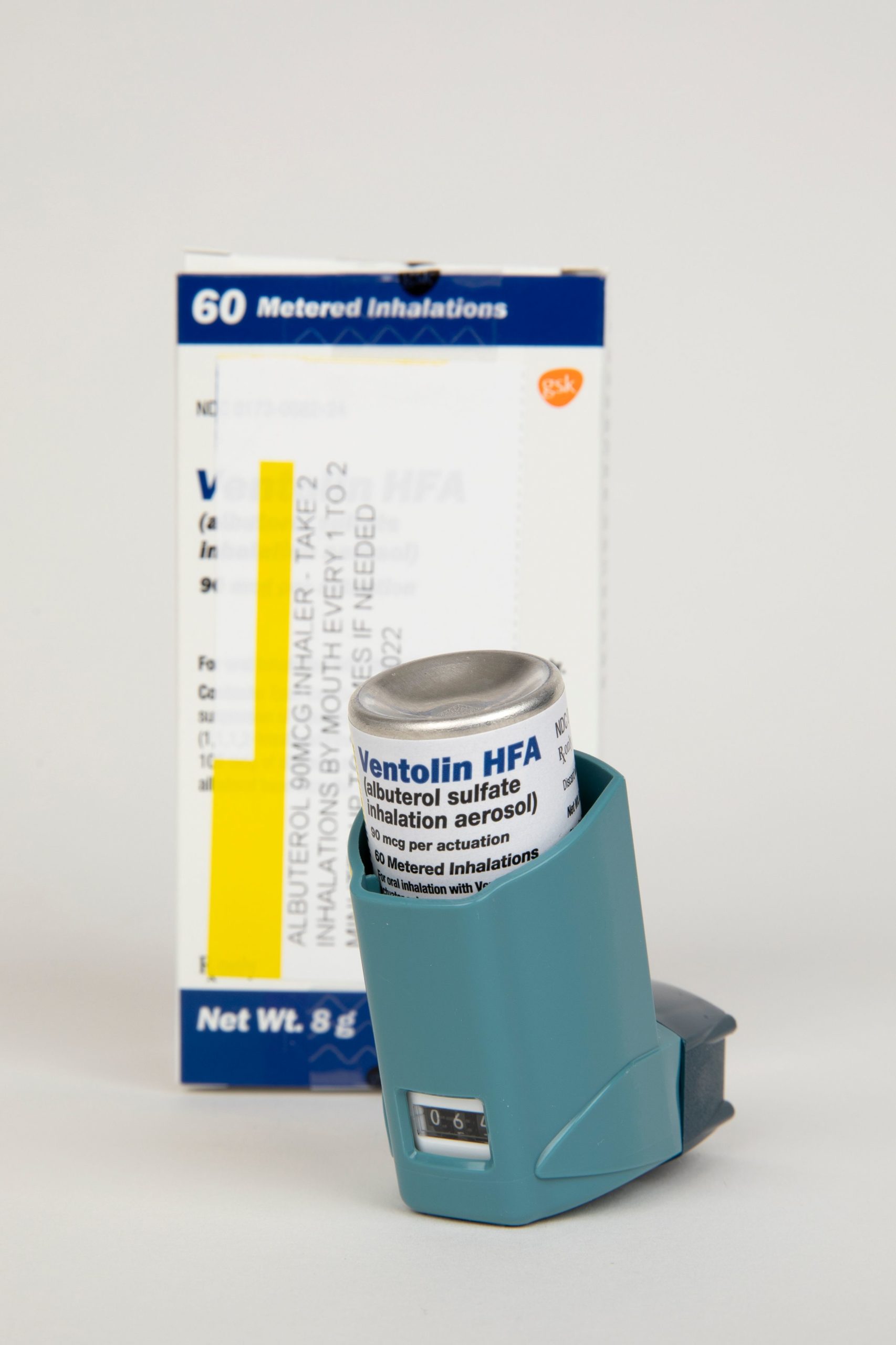
Albuterol inhaler effects primarily involve the rapid relaxation of smooth muscles in the airways, providing quick relief from symptoms like wheezing, shortness of breath, and chest tightness. While highly effective for treating acute bronchospasm, it can also cause systemic effects such as increased heart rate, muscle tremors, and nervousness.
The Mechanism of Action: How Albuterol Affects the Lungs
Albuterol, a sympathomimetic amine, belongs to a class of medications known as short-acting beta-2 adrenergic agonists (SABAs). To understand its effects, one must look at the cellular level. When a patient inhales albuterol, the medication targets the beta-2 receptors located on the smooth muscle cells surrounding the bronchial tubes.
Upon binding to these receptors, albuterol stimulates an enzyme called adenyl cyclase, which increases the production of cyclic adenosine monophosphate (cAMP). The rise in cAMP triggers a cascade of intracellular events that lead to a decrease in calcium ions within the muscle cells. Since calcium is required for muscle contraction, its reduction causes the smooth muscles to relax. This process, known as bronchodilation, occurs rapidly—often within five to fifteen minutes—allowing the airways to open and facilitating easier airflow into and out of the lungs.
In 2026, while newer combination therapies have gained prominence for long-term management, albuterol remains the gold standard for "rescue" or "reliever" situations. Its specificity for beta-2 receptors is high, but it is not absolute. At higher doses or in sensitive individuals, albuterol can also stimulate beta-1 receptors found in the heart, leading to some of the systemic cardiovascular effects patients commonly report.
Primary Therapeutic Effects: What Patients Should Expect
The primary goal of using an albuterol inhaler is the immediate reversal of airway obstruction. For individuals living with asthma, chronic obstructive pulmonary disease (COPD), or exercise-induced bronchospasm (EIB), the effects are often perceived as a "cooling" or "opening" sensation in the chest.
- Rapid Symptom Relief: The most significant effect is the cessation of wheezing and coughing associated with an asthma attack. By widening the bronchioles, albuterol reduces the physical effort required to breathe.
- Increased Peak Expiratory Flow (PEF): For patients who monitor their lung function with a peak flow meter, a positive effect of the medication is a measurable increase in the speed at which they can exhale air.
- Prevention of Exercise-Induced Symptoms: When used 15 to 30 minutes before physical activity, albuterol prevents the airways from constricting in response to the increased respiratory demand and cool air exposure often associated with exercise.
- Mucociliary Clearance: Some studies suggest that beta-agonists may slightly improve the movement of cilia (tiny hair-like structures) in the airways, helping the body clear mucus more effectively during an exacerbation.
The duration of these therapeutic effects typically lasts between four and six hours. Because it is a short-acting medication, it does not treat the underlying inflammation of the airways; rather, it manages the acute physical constriction.
Common Side Effects and Systemic Reactions
Because albuterol enters the bloodstream through the lungs, it can produce systemic effects beyond the respiratory system. Most side effects are dose-dependent and often diminish as the patient’s body adjusts to the medication.
Cardiovascular Stimulations
Since albuterol can have minor cross-reactivity with beta-1 receptors in the heart, many users experience a temporary increase in heart rate (tachycardia) or a sensation of the heart "racing" or "pounding" (palpitations). In most healthy individuals, this is not dangerous but can be unsettling. However, for patients with pre-existing heart conditions, such as arrhythmias or coronary artery disease, these cardiovascular effects require close monitoring by a healthcare provider.
Central Nervous System Effects
Albuterol acts as a mild stimulant. Common effects include:
- Tremors: Often referred to as "the shakes," these involuntary fine muscle contractions usually affect the hands. They occur because beta-2 receptors are also present in skeletal muscles.
- Nervousness and Anxiety: The "fight or flight" stimulation can lead to feelings of jitteriness or heightened anxiety.
- Headaches and Dizziness: Changes in vascular tone and blood flow can lead to temporary headaches or a lightheaded sensation immediately after use.
Metabolic Disruptions
In rare cases, especially with frequent use or high doses (such as those delivered via a nebulizer), albuterol can affect blood chemistry. It may cause a temporary drop in potassium levels (hypokalemia) as the drug shifts potassium from the blood into the cells. It can also cause a slight increase in blood glucose levels, which may be relevant for patients with poorly controlled diabetes.
Comparison of Albuterol Delivery Methods and Their Effects
The intensity of albuterol inhaler effects can vary based on the device used to deliver the medication. The three primary methods are the Metered-Dose Inhaler (MDI), the Dry Powder Inhaler (DPI), and the Nebulizer.
| Delivery Method | Typical Speed of Onset | Duration of Effect | Common Side Effect Intensity | Best Use Case |
|---|---|---|---|---|
| Metered-Dose Inhaler (MDI) | 5–10 Minutes | 4–6 Hours | Moderate | Portable, everyday rescue use. |
| MDI with Spacer | 5–10 Minutes | 4–6 Hours | Lower (Reduced throat deposition) | Children or those with poor coordination. |
| Dry Powder Inhaler (DPI) | 5–10 Minutes | 4–6 Hours | Moderate | Patients who prefer breath-actuated devices. |
| Nebulizer | 10–15 Minutes | 4–6 Hours | Higher (Systemic absorption is greater) | Severe attacks or those unable to use MDIs. |
Using a spacer with an MDI is highly recommended in 2026 clinical guidelines. A spacer slows down the particles, ensuring more medication reaches the lungs and less stays in the mouth and throat. This not only increases the therapeutic effect but also reduces systemic side effects like tremors and racing heart because less of the drug is swallowed and absorbed through the stomach.
Serious and Rare Adverse Effects
While albuterol is generally safe, certain rare effects demand immediate medical attention.
Paradoxical Bronchospasm
In very rare instances, an albuterol inhaler can cause the airways to constrict suddenly after inhalation. This is known as paradoxical bronchospasm. If a patient’s breathing worsens immediately after using the inhaler, they should stop using the medication and seek emergency care, as this indicates a potentially life-threatening reaction to the propellant or the drug itself.
Hypersensitivity and Allergic Reactions
Symptoms of an allergic reaction include skin rash, hives, swelling of the face or throat, and extreme difficulty breathing. These reactions are rare but require an immediate switch to an alternative medication under a doctor's supervision.
Overuse and Tachyphylaxis
Frequent use of albuterol (more than two days a week for rescue) is a sign of poorly controlled asthma. Over time, the beta-2 receptors in the lungs may become "downregulated" or less sensitive to the medication. This means the inhaler may become less effective the more it is used, a phenomenon known as tachyphylaxis. In 2026, healthcare providers emphasize that relying on albuterol more than twice a week usually necessitates the addition of an inhaled corticosteroid (ICS) for maintenance.
Factors Influencing How You Experience Albuterol Effects
Several external and internal factors can dictate how a person reacts to an albuterol inhaler.
- Age: Children may exhibit increased hyperactivity or behavioral changes after using albuterol. Conversely, elderly patients may be more susceptible to cardiovascular side effects like increased blood pressure or arrhythmias.
- Drug Interactions: Taking albuterol alongside certain other medications can amplify or negate its effects. For instance, beta-blockers (used for high blood pressure or heart conditions) can block the effects of albuterol, potentially causing severe bronchospasm. Conversely, using albuterol with diuretics can increase the risk of low potassium.
- Inhalation Technique: If a patient does not hold their breath for the recommended 10 seconds after inhalation, the medication may be exhaled before it can bind to the receptors, leading to diminished therapeutic effects.
- Underlying Health Conditions: Individuals with hyperthyroidism, seizure disorders, or diabetes may experience more pronounced systemic effects.
Guidelines for Safe Usage in 2026
Current medical protocols emphasize that albuterol is a component of a larger respiratory management plan. To maximize the positive effects and minimize the negative ones, patients should follow these best practices:
- The "Rule of Twos": If you use your rescue inhaler more than two times per week, or wake up at night with asthma symptoms more than two times per month, your asthma is likely not well-controlled. Consult your physician about a maintenance inhaler.
- Priming the Inhaler: If an inhaler has not been used for more than two weeks, or if it is new, it must be "primed" by spraying it into the air (away from the face) several times to ensure the correct dose is delivered.
- Cleaning the Canister: The plastic actuator should be cleaned weekly with warm water to prevent medicine buildup, which can block the spray and lead to inconsistent effects.
- Monitor the Counter: Most modern MDIs in 2026 come with built-in dose counters. Do not rely on the "float test" in water to see if an inhaler is empty; it is inaccurate and can damage the valve.
Frequently Asked Questions
Can albuterol effects cause anxiety?
Yes. Albuterol is a stimulant that mimics the effects of adrenaline. It can trigger a "jittery" feeling, increased heart rate, and nervousness, which can feel very similar to a panic attack or general anxiety. These symptoms usually subside within 30 to 60 minutes as the medication is metabolized.
Is it safe to use albuterol during pregnancy?
Generally, yes. Controlling asthma is critical during pregnancy to ensure the fetus receives enough oxygen. While albuterol does cross the placenta, it is the preferred rescue medication for pregnant women. However, it should only be used under the guidance of a physician who can weigh the benefits against potential risks.
How soon after taking albuterol should I feel the effects?
Most patients feel a noticeable improvement in their breathing within 5 to 15 minutes. If you do not feel any relief after 20 minutes, or if your symptoms are worsening, you should follow your prescribed asthma action plan or seek emergency medical help.
Does albuterol cause a sore throat?
It can. This is usually an effect of the medication or the propellant hitting the back of the throat rather than reaching the lungs. Using a spacer and rinsing your mouth with water after use can significantly reduce the risk of throat irritation or a hoarse voice.
Can I use albuterol for a cold or a cough?
Albuterol is only effective if the cough or breathing difficulty is caused by bronchospasm (narrowing of the airways). It is not an effective treatment for the "wet" coughs or congestion associated with a common cold or pneumonia unless those conditions have also triggered an asthma-like response in the lungs.
Next Actions and Recommendations
If you have been prescribed an albuterol inhaler, your next step should be to verify your inhalation technique with a pharmacist or respiratory therapist. Ensure you have an Asthma Action Plan that clearly defines when to use your rescue inhaler and when your symptoms require an emergency room visit.
Always keep your inhaler in a room-temperature environment, as extreme heat or cold can change the pressure inside the canister and affect the dose delivery. Finally, if you find yourself reaching for your albuterol inhaler daily, schedule an appointment with your healthcare provider to discuss long-term controller medications to prevent airway damage.
Disclaimer: This information is for educational purposes only and does not constitute medical advice. Always consult with a qualified healthcare professional regarding respiratory conditions and medication use. This article reflects medical standards and guidelines as of 2026.