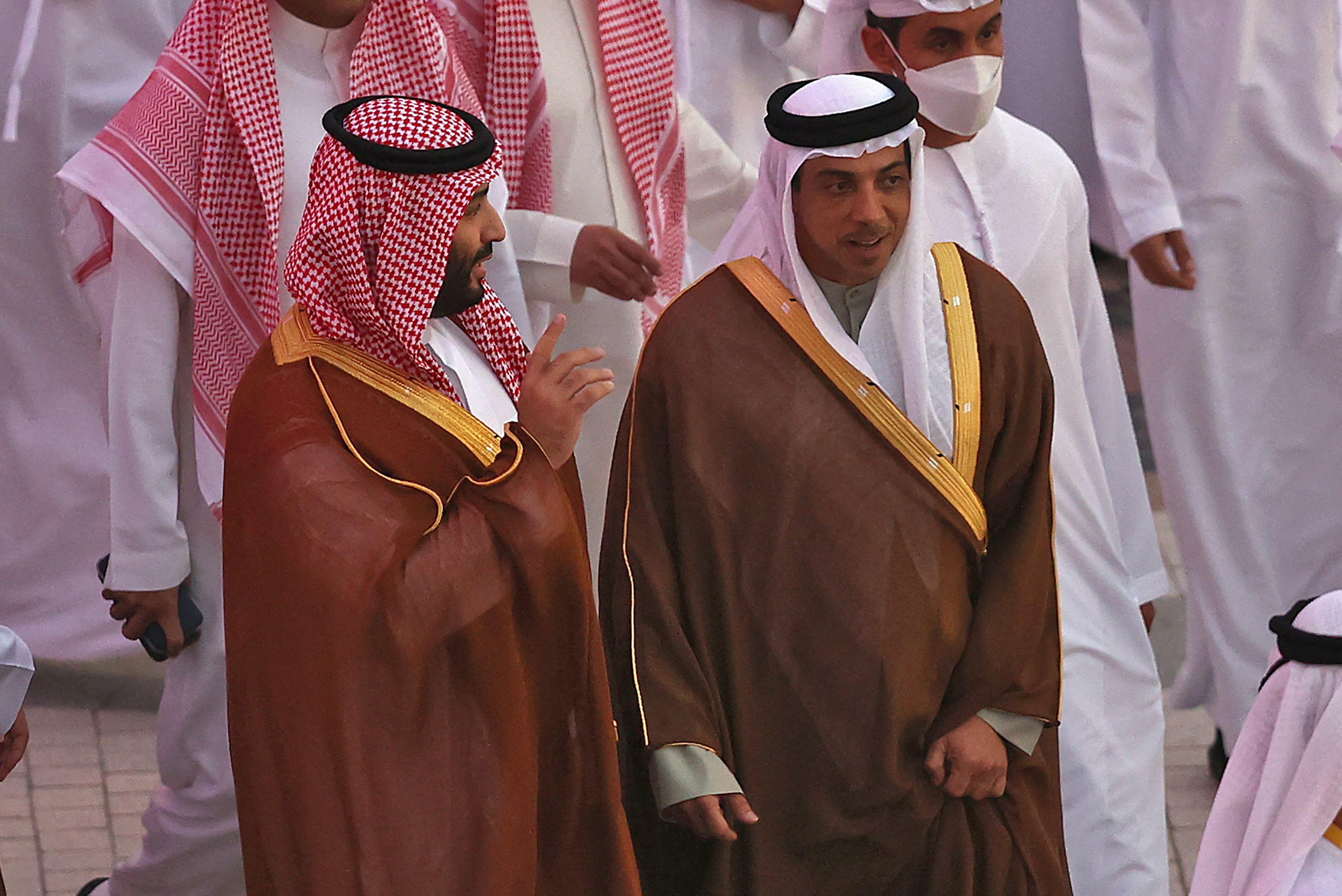
The Al Nahyan family, the ruling royal house of Abu Dhabi, serves as the cornerstone of the United Arab Emirates’ political and economic landscape. As the hereditary leaders of the capital emirate, members of the family hold the highest executive positions in the federal government, playing a decisive role in the nation’s strategic development, foreign policy, and economic diversification efforts since the federation’s founding in 1971.
Historical Origins and Tribal Foundations
The history of the Al Nahyan family is inextricably linked to the Bani Yas tribal confederation. Originating from the Liwa Oasis in the western region of modern-day Abu Dhabi, the Al Nahyan ancestors migrated to the island of Abu Dhabi in the late 18th century. Under the leadership of Sheikh Dhiyab bin Isa Al Nahyan, the tribe established a permanent settlement, shifting their primary focus from nomadic pastoralism to maritime trade and pearling.
Throughout the 19th and early 20th centuries, the family navigated complex geopolitical tensions within the Trucial States. The governance style established during this era was grounded in the majlis—a traditional consultative assembly where the ruler addresses the concerns of the community directly. This tradition of consensus-based leadership remains a fundamental pillar of the family's administrative approach today. The transition to a modern state began in earnest in the mid-20th century, specifically following the discovery of oil, which transformed the region from a collection of coastal settlements into a global economic hub.
The Architect of Modernity: Sheikh Zayed bin Sultan Al Nahyan
The modern identity of the Al Nahyan family is defined by the legacy of Sheikh Zayed bin Sultan Al Nahyan, the founding father of the United Arab Emirates. Serving as the ruler of Abu Dhabi from 1966 and the first President of the UAE from 1971 until his passing in 2004, Sheikh Zayed is credited with the unification of the seven emirates. His vision for a federal union was driven by the desire to leverage the combined resources of the emirates to provide for their people, emphasizing education, healthcare, and infrastructure development.
Under his guidance, the UAE transitioned from a traditional society to a global player. He emphasized a policy of balanced diplomacy, regional stability, and humanitarian outreach. The "Zayed model" of governance—prioritizing social welfare and investment in human capital—remains the blueprint for the current generation of the Al Nahyan leadership.
Contemporary Governance and Federal Structure
As of 2026, the Al Nahyan family holds the presidency of the United Arab Emirates, an office that has historically been held by the ruler of Abu Dhabi. This institutionalized leadership ensures stability and continuity in the country’s long-term developmental strategy, often referred to as the "UAE Centennial 2071."
The family’s governance is characterized by a sophisticated blend of traditional tribal authority and modern technocratic administration. Members of the family are actively involved in the Executive Council of Abu Dhabi, which oversees the internal affairs of the emirate, including housing, urban planning, and environmental protection. On a federal level, their leadership influences critical sectors such as renewable energy, defense, aerospace, and finance, ensuring that the country’s strategic interests are aligned with its economic goals.
Economic Strategy and Sovereign Investment
A primary aspect of the Al Nahyan family's role involves the oversight of the Abu Dhabi investment architecture. Through institutions like the Abu Dhabi Investment Authority (ADIA) and Mubadala Investment Company, the family has guided the UAE’s transition toward a post-oil economy. These sovereign wealth funds are managed with a long-term horizon, targeting global assets in sectors such as technology, infrastructure, life sciences, and renewable energy.
The economic strategy is defined by two major imperatives:
- Diversification: Reducing dependence on hydrocarbon exports by fostering a robust private sector and becoming a leader in global logistics and digital services.
- Knowledge-Based Economy: Investing heavily in R&D, higher education, and cultural institutions to ensure the UAE remains competitive in a rapidly evolving global market.
The following table summarizes key institutional areas where the family’s influence is centrally applied:
| Sector | Primary Objective | Key Impact |
|---|---|---|
| Energy | Sustainability | Advancing hydrogen and nuclear energy production. |
| Investment | Fiscal Security | Managing assets for future generations via sovereign funds. |
| Foreign Policy | Regional Stability | Promoting diplomatic dialogue and humanitarian aid. |
| Infrastructure | Global Connectivity | Developing world-class airports, ports, and transit networks. |
The Role of Diplomacy and Global Engagement
The Al Nahyan family has historically maintained a policy of strategic pragmatism in its international relations. By acting as a mediator in regional disputes and a reliable partner in global security, the family has elevated the UAE’s status far beyond its geographic size.
In recent years, the emphasis has shifted toward "soft power," utilizing cultural diplomacy, the hosting of international mega-events, and the establishment of institutions like the Louvre Abu Dhabi to foster global cooperation. This approach reflects a broader intent to integrate the UAE into the global community, ensuring that its diplomatic weight is proportional to its economic influence.
Succession and Institutional Continuity
Succession within the Al Nahyan family follows a clear, established framework that ensures stability. The transition of power from Sheikh Zayed bin Sultan Al Nahyan to his eldest son, Sheikh Khalifa bin Zayed Al Nahyan, and subsequently to the current leadership, has been marked by seamless institutional continuity.
The structure of the ruling house emphasizes education and practical experience for younger members. Before assuming senior roles in government or industry, members of the family typically undergo rigorous training within the military, diplomatic, or economic sectors. This "incubation" period ensures that those who eventually take up positions of power are well-versed in the complexities of the UAE’s domestic and international challenges.
Frequently Asked Questions
1. What is the relationship between the Al Nahyan family and the UAE Presidency? The ruler of Abu Dhabi holds the office of the President of the United Arab Emirates. The Al Nahyan family, as the ruling house of Abu Dhabi, has provided the federal presidency since the federation's inception in 1971, ensuring consistent leadership across the seven emirates.
2. How does the family influence the UAE’s economic direction? The family oversees major sovereign wealth funds and investment vehicles that control the nation’s financial reserves. They set the strategic agenda for economic diversification, steering the country toward sectors like clean energy, artificial intelligence, and aerospace to prepare for a future beyond oil.
3. What is the significance of the Majlis in their governance? The majlis is a traditional, open assembly where the leadership meets with citizens to listen to their concerns and suggestions. It serves as a vital channel for public feedback, ensuring that the government remains connected to the needs of the population and maintains the social contract between the ruler and the ruled.
4. How is the Al Nahyan family involved in humanitarian efforts? The family manages various charitable foundations and philanthropic arms, such as the Zayed Charitable and Humanitarian Foundation. These entities provide global aid, focusing on healthcare, disaster relief, and infrastructure development in developing nations, reflecting a long-standing commitment to international humanitarianism.
5. What is the long-term vision supported by the family? The leadership is currently focused on the "UAE Centennial 2071," a comprehensive plan to make the UAE the world’s leading nation by its 100th anniversary. This involves massive investment in education, government efficiency, and the establishment of a sustainable, innovation-led economy.
Strategic Outlook and Conclusion
The Al Nahyan family remains the primary force behind the structural and societal evolution of the United Arab Emirates. By balancing the preservation of traditional values with the aggressive pursuit of modern technological and economic standards, they have effectively positioned the nation as a regional leader.
For observers, businesses, and international partners, understanding the role of the Al Nahyan family is essential for interpreting the trajectory of the UAE. Their focus on long-term sustainability, strategic investment, and diplomatic engagement suggests that the current institutional framework will continue to prioritize internal growth and international integration in the coming decades. Readers interested in deeper engagement with the UAE’s developmental goals should monitor official communications from the Abu Dhabi Executive Council and the official federal government portals, which provide the most accurate data on current legislative and economic policies.