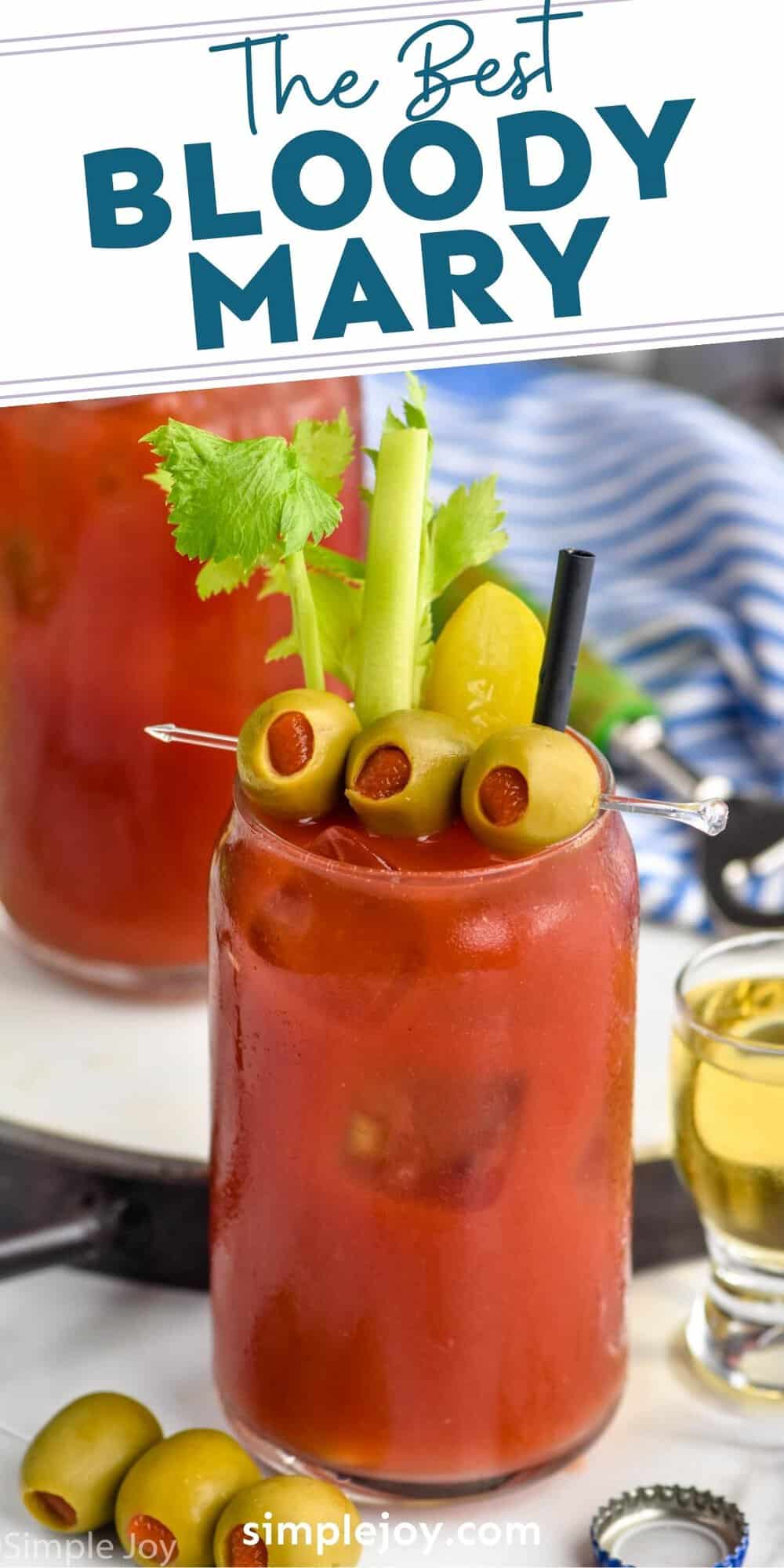
Ordering an airplane bloody mary is a ritual for millions of travelers, driven by a biological phenomenon where high-altitude cabin conditions—low humidity, reduced pressure, and constant engine noise—dull our perception of salt and sugar while leaving savory "umami" flavors untouched, making the tomato-based cocktail taste significantly more vibrant than it does on the ground.
The Sensory Science of High-Altitude Dining
To understand why the airplane bloody mary has become the unofficial drink of the skies, one must first look at the extreme environment of a pressurized cabin. At a cruising altitude of 35,000 feet, the interior of a commercial aircraft is unique. The air is exceptionally dry, often maintaining a humidity level lower than 12%—drier than many of the world's most arid deserts. This lack of moisture rapidly dehydrates the nasal passages and the mouth, which are essential for the perception of flavor.
Research conducted by the Fraunhofer Institute for Building Physics (commissioned by Lufthansa) demonstrated that our perception of saltiness and sweetness can drop by as much as 30% while in flight. In these conditions, many food and beverage items that taste balanced on the ground become bland and unappealing in the air. However, the study found that the fifth basic taste—umami—remains largely unaffected by the change in pressure and humidity.
Umami, often described as savory or "meaty," is found in high concentrations in tomatoes, celery, and Worcestershire sauce—the core components of a bloody mary. Because the savory notes of the tomato juice do not fade like the sweetness of a soda or the subtle notes of a wine, the drink tastes robust and complex when everything else feels muted. This biological resilience makes the bloody mary one of the few items on an airline’s beverage cart that retains its intended flavor profile.
The Impact of Sonic Seasoning
Beyond humidity and pressure, the auditory environment of an airplane plays a critical role in how we taste. A phenomenon known as "sonic seasoning" suggests that loud, continuous background noise can alter the way the brain processes flavor. Studies from Cornell University have shown that high-level white noise—like the 80 to 85 decibels of a jet engine—actually enhances the perception of umami flavors while suppressing the perception of sweetness.
In a cabin environment, the constant hum of the engines acts as a catalyst for savory cravings. This is why many passengers who never order tomato juice or a bloody mary on the ground find themselves reaching for one the moment the drink trolley arrives. The brain, struggling to find satisfaction in sweet or subtle flavors amidst the noise, seeks out the high-glutamate intensity of the tomato mix.
Anatomy of the In-Flight Bloody Mary
While the base of the drink is relatively simple, the execution of an airplane bloody mary differs from its terrestrial counterpart. Space constraints, safety regulations, and the need for speed mean that flight attendants cannot muddle fresh ingredients or rim glasses with celery salt. Instead, the industry relies on specialized mixes and specific spirit ratios.
The Tomato Base and Mixers
Most major airlines in 2026 utilize premium, pre-mixed bases designed to withstand the rigors of flight. Brands like Zing Zang, Mr & Mrs T, and increasingly, craft-focused options from companies like Hella Cocktail Co. are staples in the galley. These mixes are engineered with higher-than-average sodium and acidity levels to compensate for the dulling of the taste buds.
The viscosity of the tomato juice is also a factor. In the air, the thick, heavy texture of the juice provides a sense of "mouthfeel" that lighter liquids like water or apple juice lack. This thickness contributes to the drink's reputation as a "meal in a glass," providing some satiety during long-haul flights where meal service may be delayed.
Spirit Selection and Ratios
The standard airplane bloody mary is usually served with a 50ml "miniature" bottle of vodka. Because the flavor of the mix is so dominant, the nuances of the vodka are often lost. However, the alcohol acts as a solvent, helping to carry the aromatic compounds of the spices (pepper, horseradish, and celery seed) to the olfactory receptors.
In recent years, some airlines have begun offering "Bloody Maria" options using tequila, or "Red Snappers" using gin, as travelers look for more complex flavor profiles. In 2026, many premium cabins also offer pre-mixed, high-quality canned cocktails that ensure a consistent spice-to-spirit ratio, eliminating the variability of a hand-poured drink.
How to Order and Customize for the Best Experience
Ordering the drink is only the first step. To maximize the flavor potential of an airplane bloody mary, experienced travelers use a few simple "hacks" to elevate the standard service.
- Request Extra Lemon or Lime: Acidity is one of the first things to fade in flight. Adding an extra squeeze of citrus can brighten the tomato juice and cut through the saltiness.
- Double the Pepper: Most flight attendants carry individual packets of black pepper. Adding two or even three packets can provide the "bite" that is often lost due to the altitude-induced numbing of the palate.
- The Ice Factor: Airplane cabins are notoriously cold, but the drinks often aren't. Requesting a full cup of ice ensures the drink remains crisp. Conversely, some prefer the drink "neat" to prevent the ice from diluting the already-struggling flavor profile.
- Use the "Carry-On Cocktail Kit": Many travelers now bring small, TSA-compliant tins containing high-quality bitters, hot sauce, or celery salt to upgrade the standard airline mix.
Comparing In-Flight Bloody Mary Offerings (2026 Standards)
The quality of the bloody mary can vary significantly between carriers. The following table highlights the current standards for major airlines in 2026.
| Airline | Primary Mix Brand | Garnish Availability | Premium Upgrades |
|---|---|---|---|
| Delta Air Lines | Zing Zang | Lemon/Lime, Celery (First Class) | Hella Cocktail Co. Bitters |
| United Airlines | Mr & Mrs T (Original) | Lemon/Lime | Tito’s Handmade Vodka |
| American Airlines | Mr & Mrs T (Bold & Spicy) | Lemon/Lime | Local craft vodka rotations |
| Emirates | Custom House Blend | Celery, Olives, Lemon | Grey Goose / Belvedere |
| Virgin Atlantic | Big Tom | Lemon, Worcestershire Sauce | Spiced Tomato Juice (High Acid) |
| JetBlue | Hella Cocktail Co. | Lemon/Lime | Minted / Spiced options |
Health Considerations: Salt and Dehydration
While the airplane bloody mary is a sensory delight, it is not without its drawbacks. The primary concern is sodium. A single serving of commercial bloody mary mix can contain between 400mg and 800mg of sodium. When combined with the high-sodium snacks and meals typically served on planes, a passenger can easily exceed their daily recommended intake in a single flight.
High sodium intake, combined with the low-pressure environment of the cabin, can lead to:
- Fluid Retention: This manifests as "heavy legs" or swollen ankles after a flight.
- Dehydration: Alcohol and salt both act as diuretics, which can exacerbate the dryness already caused by the cabin air.
- Bloating: The gas in the digestive system expands at high altitudes; heavy, acidic tomato juice can sometimes cause discomfort for sensitive travelers.
To mitigate these effects, it is recommended to drink 8 ounces of water for every bloody mary consumed. This helps flush the excess sodium and maintains hydration levels, reducing the "jet lag" feeling upon arrival.
The Evolution of the In-Flight Cocktail in 2026
As we move through 2026, the beverage industry is seeing a shift toward "functional" ingredients in the sky. Some airlines are experimenting with tomato mixes that include added electrolytes or ginger to help with motion sickness and hydration. We are also seeing a rise in non-alcoholic "mocktail" versions that use high-intensity spices and botanical extracts to mimic the burn of vodka without the dehydrating effects of alcohol.
Technology is also playing a role. Newer aircraft like the Boeing 787 Dreamliner and the Airbus A350 feature higher cabin humidity and lower "cabin altitudes" (the pressure is kept equivalent to 6,000 feet rather than 8,000 feet). In these more advanced cabins, travelers may find they don't need the extra spice as much, as their sense of taste remains more intact than on older aircraft.
Frequently Asked Questions
Why is tomato juice so popular on planes even if I don't like it on the ground?
The popularity stems from the resilience of the "umami" flavor. In a cabin environment where salt and sweet perceptions drop by nearly a third, the savory, glutamate-rich profile of tomato juice remains strong, making it taste more flavorful and satisfying than other beverages.
Is there a difference between "Tomato Juice" and "Bloody Mary Mix" on a flight?
Yes. Pure tomato juice is simply the juice of the fruit with a small amount of salt. Bloody mary mix is a complex blend of tomato juice, Worcestershire sauce, horseradish, lemon juice, pepper, and other spices. Most airlines carry both, but the "mix" is specifically formulated to be more pungent to combat altitude-induced taste dullness.
Does the engine noise really affect how my drink tastes?
Yes. Studies in the field of gastrophysics have shown that loud background white noise suppresses the perception of sweetness while enhancing the perception of savory umami flavors. This "sonic seasoning" makes the savory bloody mary particularly appealing during the noisier phases of flight.
Can I bring my own bloody mary ingredients on a plane?
You can bring solid or powdered ingredients (like celery salt or dried spices) without restriction. For liquid components like hot sauce or specialized bitters, they must be in containers of 3.4 ounces (100ml) or less and fit within your single quart-sized liquids bag to comply with TSA and international security regulations.
Which airline has the best bloody mary?
While subjective, many travelers prefer Virgin Atlantic for their use of "Big Tom" spiced tomato juice, which is specifically designed for high-level spice. Delta is also frequently cited for its use of "Zing Zang," which is a favorite among professional bartenders for its thick consistency and pepper-forward profile.
Final Recommendation
When ordering an airplane bloody mary in 2026, always ask for a "bold" or "spicy" mix if available. To counter the dehydrating effects of the salt and alcohol, pair your cocktail with a large bottle of water and request a fresh lemon wedge to boost the acidity. If you are flying on a modern aircraft like the A350, you may find the flavor is intense enough that you don't need extra seasoning, but on older fleet models, don't be afraid to add extra pepper to ensure the drink stands up to the cabin environment.