Japan's aviation landscape in 2026 is defined by a sophisticated balance between world-renowned full-service carriers, a rapidly maturing low-cost carrier (LCC) sector, and specialized regional airlines. Whether navigating the busy corridor between Tokyo and Osaka or exploring the remote islands of Okinawa, travelers have access to one of the world's most punctual and service-oriented flight networks.
The Dual Pillars: Japan’s Full-Service Giants
The Japanese aviation market remains anchored by two primary global players: All Nippon Airways (ANA) and Japan Airlines (JAL). While they compete fiercely for market share, both have pivoted in recent years toward fleet modernization and sustainability, utilizing 2026 as a benchmark for carbon reduction targets and digitized passenger experiences.
All Nippon Airways (ANA)
As the largest airline in Japan by fleet size and passenger volume, ANA has maintained its "5-Star" Skytrax rating through 2026 by focusing on consistent premium service. A member of the Star Alliance, ANA operates an extensive international network connecting Tokyo’s Haneda (HND) and Narita (NRT) airports to North America, Europe, and throughout Asia.
In 2026, ANA’s domestic operations remain a vital component of Japan's infrastructure. The airline utilizes a mix of Boeing 787 Dreamliners and 777s for high-demand trunk routes, such as Tokyo to Sapporo and Fukuoka. Passengers choose ANA for its comprehensive "Experience Japan" fares—subsidized domestic tickets available to international tourists—and its industry-leading loyalty program, the ANA Mileage Club.
Japan Airlines (JAL)
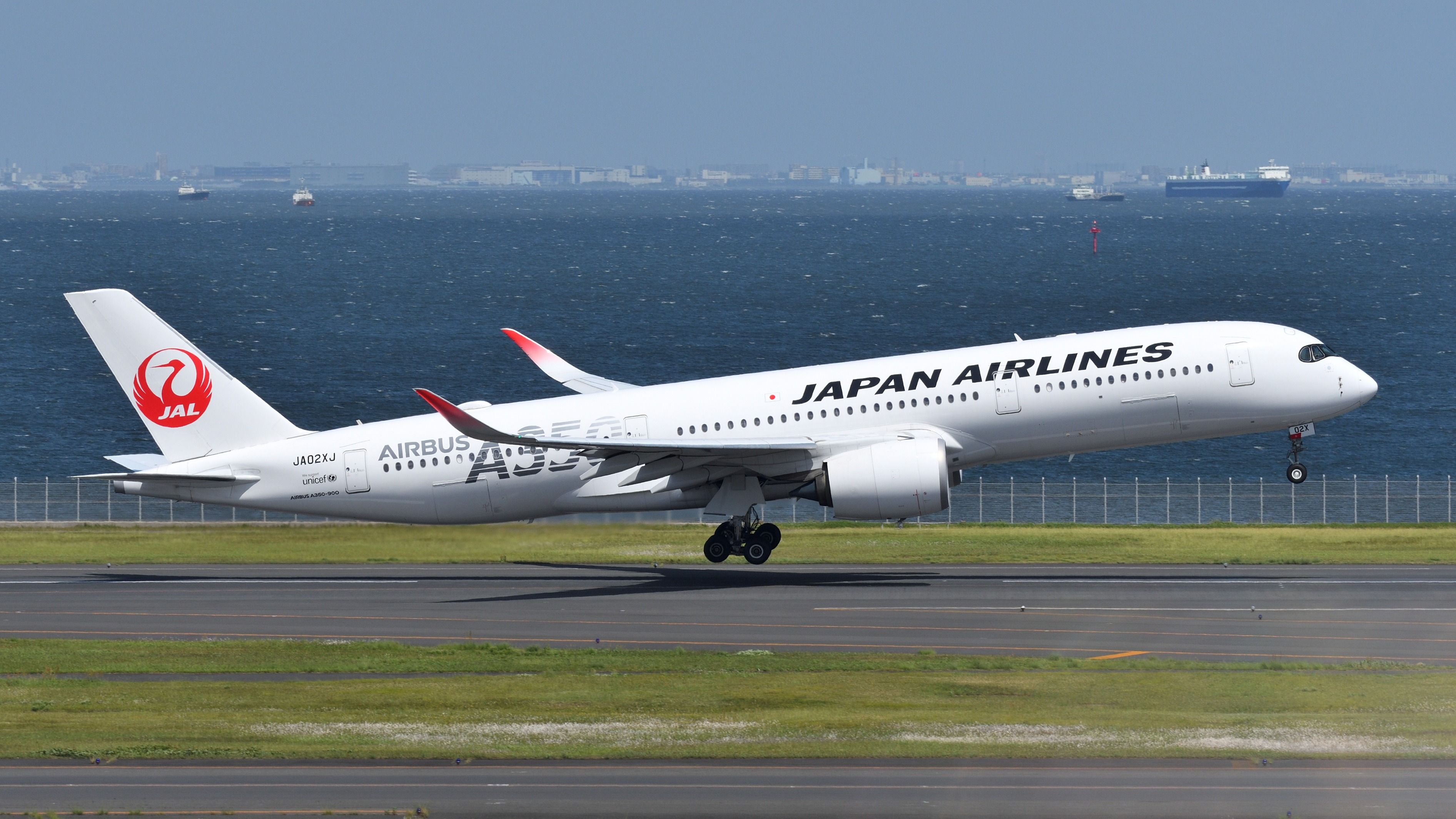
Japan Airlines, a member of the oneworld alliance, has undergone a significant transformation, positioning itself as the "premium" alternative with a focus on Japanese hospitality, or omotenashi. By 2026, JAL has largely replaced its older long-haul fleet with the Airbus A350-1000, which serves as its flagship aircraft for routes to New York, London, and Paris.
JAL’s domestic network is equally robust, offering four distinct classes of service on many routes: First Class, Class J (a premium economy hybrid), and Economy. The JAL Explorer Pass remains a popular tool for international visitors, providing fixed-rate domestic flights to over 30 destinations across the archipelago. JAL’s integration with Japan’s regional economies is furthered through its "JAL JAL" initiatives, which promote local tourism and regional revitalization.
The Rise of Low-Cost Carriers (LCCs) and Hybrid Models
The mid-2020s have seen the stabilization of the LCC market in Japan. No longer seen as "budget-only" options, these airlines have become the preferred choice for younger demographics and domestic commuters looking for efficiency over luxury.
Peach Aviation
Based primarily at Kansai International Airport (KIX), Peach Aviation (a subsidiary of ANA) is Japan’s most recognizable LCC. Characterized by its vibrant purple livery, Peach connects major cities like Osaka, Tokyo, and Fukuoka with regional hubs and international destinations like Seoul, Taipei, and Bangkok. In 2026, Peach has expanded its "point-to-point" strategy, bypassing the major Tokyo hubs to offer direct connections between cities like Sendai and Okinawa.
Jetstar Japan
A joint venture involving JAL and the Qantas Group, Jetstar Japan operates heavily out of Narita’s Terminal 3. It serves as a critical low-cost link for the domestic market, often offering the lowest base fares. However, travelers should be aware that Jetstar Japan strictly enforces baggage weight limits and charges for all onboard amenities, a contrast to the all-inclusive nature of ANA and JAL.
Zipair Tokyo
Zipair, a subsidiary of JAL, represents the "hybrid" or "long-haul LCC" model that has gained significant traction by 2026. Unlike traditional LCCs that focus on short hops, Zipair operates Boeing 787s on trans-Pacific routes to Los Angeles, San Francisco, and San Jose, as well as routes to Seoul and Bangkok. Zipair is unique for offering "Full Flat" seats at a fraction of the cost of traditional business class, though passengers must pay extra for meals and checked luggage.
Spring Airlines Japan
Primarily catering to the Chinese tourism market and domestic travelers seeking connections to secondary cities, Spring Airlines Japan (affiliated with JAL) operates a focused fleet of Boeing 737s. It is particularly useful for travelers flying between Narita and Hiroshima or Saga.
Regional Specialists: Connecting the Four Islands
Beyond the major carriers, Japan hosts several regional airlines that cater to specific geographic niches. These airlines often offer a "middle-ground" experience—more comfortable than an LCC but more affordable than the big two.
- Skymark Airlines: Often called the "third force" in Japanese aviation, Skymark is based at Tokyo Haneda and Kobe. It offers competitive pricing and a reliable service model that includes free checked baggage (up to 20kg), distinguishing it from LCCs.
- StarFlyer: Known for its sleek black aircraft and premium leather seats, StarFlyer operates primarily out of Kitakyushu and Haneda. It is frequently voted the top airline for customer satisfaction in the domestic sector due to its generous legroom and individual seat-back screens.
- Air Do: Formerly known as Hokkaido International Airlines, Air Do focuses exclusively on routes connecting Hokkaido (Sapporo, Asahikawa, Hakodate) with the rest of Japan. It maintains a strong partnership with ANA for codesharing and loyalty benefits.
- Solaseed Air: Based in Miyazaki, Solaseed Air serves the Kyushu region. Its branding focuses on the "Seed of Smiles," and it is often the preferred choice for travelers heading to Kumamoto, Nagasaki, or Kagoshima from Tokyo.
- Fuji Dream Airlines (FDA): Operating a fleet of colorful Embraer regional jets, FDA specializes in routes that bypass Tokyo, connecting cities like Nagoya (Komaki), Shizuoka, and Matsumoto with regional centers.
Navigating the Hubs: Haneda vs. Narita
For international travelers, the choice between Tokyo’s two airports is the most critical logistical decision. By 2026, the roles of these airports have become more distinct yet increasingly integrated.
- Tokyo Haneda (HND): Located just 15–30 minutes from central Tokyo, Haneda is the primary hub for domestic flights and high-frequency international business routes. Most ANA and JAL domestic departures occur here. Its convenience makes it the preferred choice, though landing slots are more expensive, often reflected in higher ticket prices.
- Tokyo Narita (NRT): Located about 60–90 minutes from Tokyo in Chiba Prefecture, Narita remains the primary base for LCCs and many international long-haul carriers. Terminal 3 is specifically designed for LCC operations, with simplified boarding processes and lower airport taxes.
In Western Japan, Kansai International Airport (KIX) serves as the international gateway to Osaka, Kyoto, and Nara, while Itami Airport (ITM) handles the majority of domestic traffic for the region.
Comparing Key Carriers in 2026
The following table compares the primary attributes of Japan’s most prominent airlines to help travelers choose based on their priorities.
| Airline | Category | Primary Hub | Loyalty Program | Key Benefit |
|---|---|---|---|---|
| ANA | Full-Service | Haneda / Narita | ANA Mileage Club | Global network, 5-star service, Star Alliance |
| JAL | Full-Service | Haneda / Narita | JAL Mileage Bank | Premium cabins, A350 fleet, oneworld access |
| Skymark | Regional/Mid-Tier | Haneda / Kobe | None (Independent) | Best value with free 20kg baggage |
| Peach | Low-Cost (LCC) | Kansai (KIX) | Peach Points | Extensive regional Asian connections |
| Zipair | Long-Haul LCC | Narita (NRT) | Zipair Points | Affordable flat-bed seats on long flights |
| StarFlyer | Premium Regional | Kitakyushu / HND | Star Link | Superior legroom and luxury interior |
Practical Logistics and Booking Tips
Flying in Japan involves specific procedures that may differ from North American or European standards. Understanding these nuances is essential for a smooth journey.
Fare Types and Booking Windows
Japanese airlines typically release domestic seats two to three months in advance, though international schedules are available 330–360 days out. For domestic travel, look for "Early Bird" discounts (known as Tabi-wari on ANA or Sakitoku on JAL). These can reduce the cost of a flight by up to 60% if booked 28, 45, or 75 days in advance.
Baggage and Check-in
Full-service carriers (ANA, JAL, Skymark) generally allow one or two checked bags (20kg to 23kg each) for free on domestic routes. In contrast, LCCs like Peach and Jetstar have very strict weight limits for carry-on luggage (usually 7kg combined for two pieces) and charge significantly more for checked bags if not purchased at the time of booking.
In 2026, most Japanese airports have implemented Face Express, a biometric boarding system. Passengers can link their passport and boarding pass to their facial data at check-in kiosks, allowing them to pass through security and boarding gates without showing physical documents.
Connection Times
When connecting from an international flight to a domestic one, travelers must usually clear immigration, reclaim their luggage, pass through customs, and then re-check their bags at the domestic terminal. At Haneda, this involves a shuttle bus or monorail between the International Terminal (Terminal 3) and Domestic Terminals (Terminal 1 or 2). A minimum of 90 to 120 minutes is recommended for these transfers.
Sustainability and Innovation in 2026
The Japanese aviation sector has made significant strides in sustainable aviation fuel (SAF) and electric ground support equipment. ANA and JAL have both integrated SAF into their daily operations at Haneda and Narita, aiming to lead the Asia-Pacific region in green aviation. Additionally, the "Smart Airport" initiative has minimized wait times through AI-driven baggage handling and autonomous mobility wheelchairs for elderly passengers, making Japanese airports some of the most accessible in the world.
Frequently Asked Questions
Which airline is better for domestic travel: ANA or JAL?
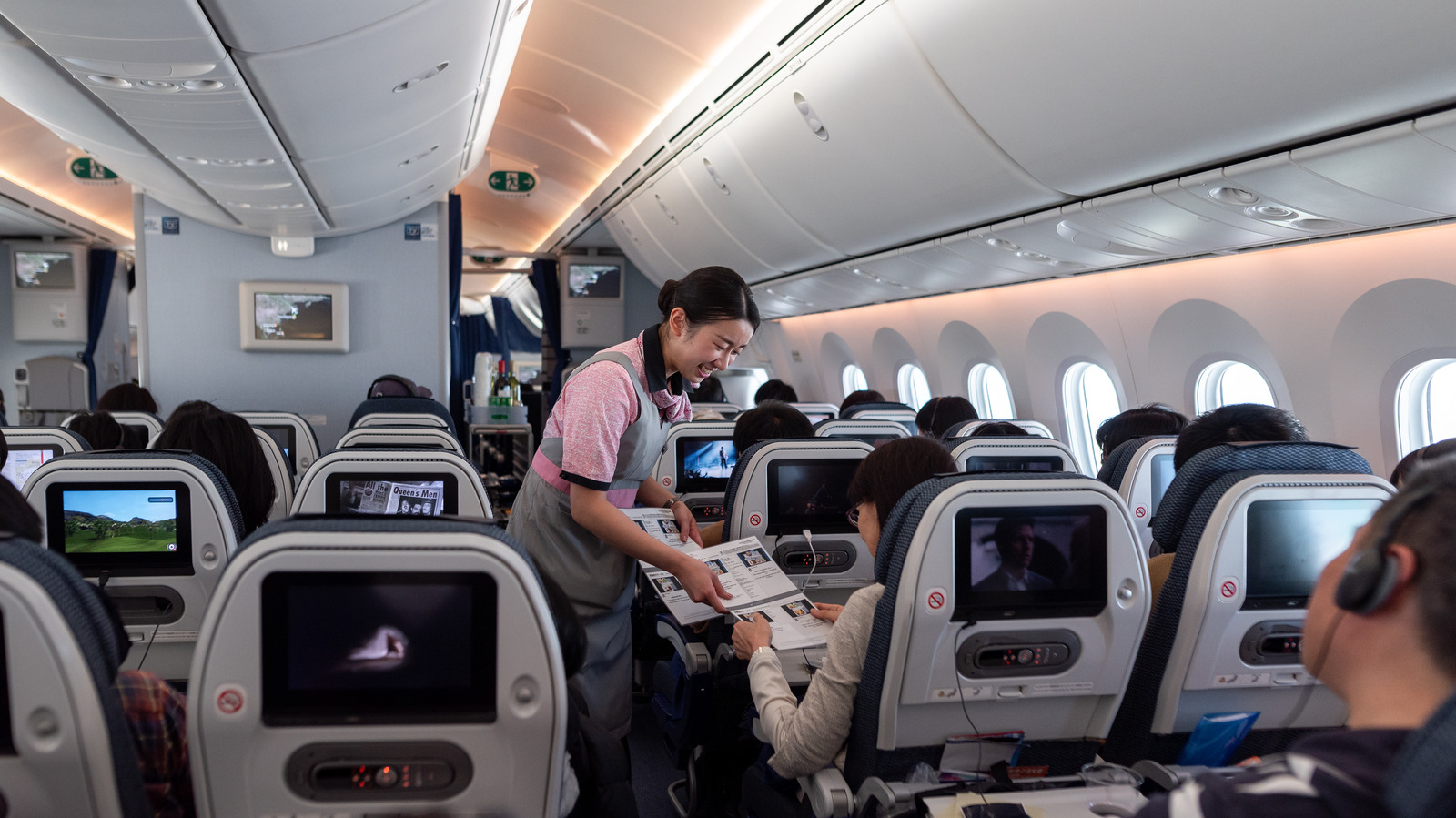
Both airlines offer nearly identical safety standards and punctuality. The choice usually depends on your loyalty program (Star Alliance for ANA vs. oneworld for JAL) and the specific airport convenience. JAL’s "Class J" offers a slightly more spacious domestic seat for a small upcharge (usually 1,000 to 3,000 yen), while ANA’s domestic 787s provide a very modern cabin experience.
Are Japanese budget airlines safe?
Yes, all LCCs operating in Japan, including Peach, Jetstar Japan, and Zipair, must adhere to the rigorous safety standards set by the Ministry of Land, Infrastructure, Transport and Tourism (MLIT). Japan’s aviation safety record is among the best globally, regardless of the airline's price point.
Is it cheaper to take the Shinkansen (Bullet Train) or fly?
This depends on the distance. For the Tokyo-Osaka route, the Shinkansen is often faster and more convenient when factoring in airport transfer times. However, for longer distances like Tokyo to Sapporo, Fukuoka, or Okinawa, flying is significantly faster and often cheaper, especially when using LCCs or tourist-specific air passes.
Can I use the Japan Rail Pass for domestic flights?
No, the Japan Rail Pass is only valid for trains operated by the Japan Railways Group. However, ANA and JAL offer specialized air passes for international visitors that provide fixed-rate tickets on domestic sectors, which can be used in conjunction with a rail pass to cover the entire country efficiently.
What is the baggage policy for Skymark Airlines?
Unlike many budget-friendly carriers, Skymark Airlines includes a free checked baggage allowance of 20kg for all passengers. This makes them a highly popular choice for travelers who have outgrown the strict 7kg carry-on limit of LCCs but want to pay less than the full-service carrier rates.
Final Recommendation
For travelers visiting Japan in 2026, the best strategy is a hybrid approach. Use the Shinkansen for short-to-medium distances (e.g., Tokyo to Kyoto) to enjoy the scenery and central station access. For long-distance hops (e.g., Tokyo to Hokkaido or Kyushu), leverage ANA or JAL’s tourist passes if you value comfort and baggage allowance. If traveling on a strict budget with minimal luggage, Peach or Jetstar Japan provide unbeatable point-to-point prices. Always check which Tokyo airport your flight departs from, as Narita and Haneda are not easily interchangeable on short notice.