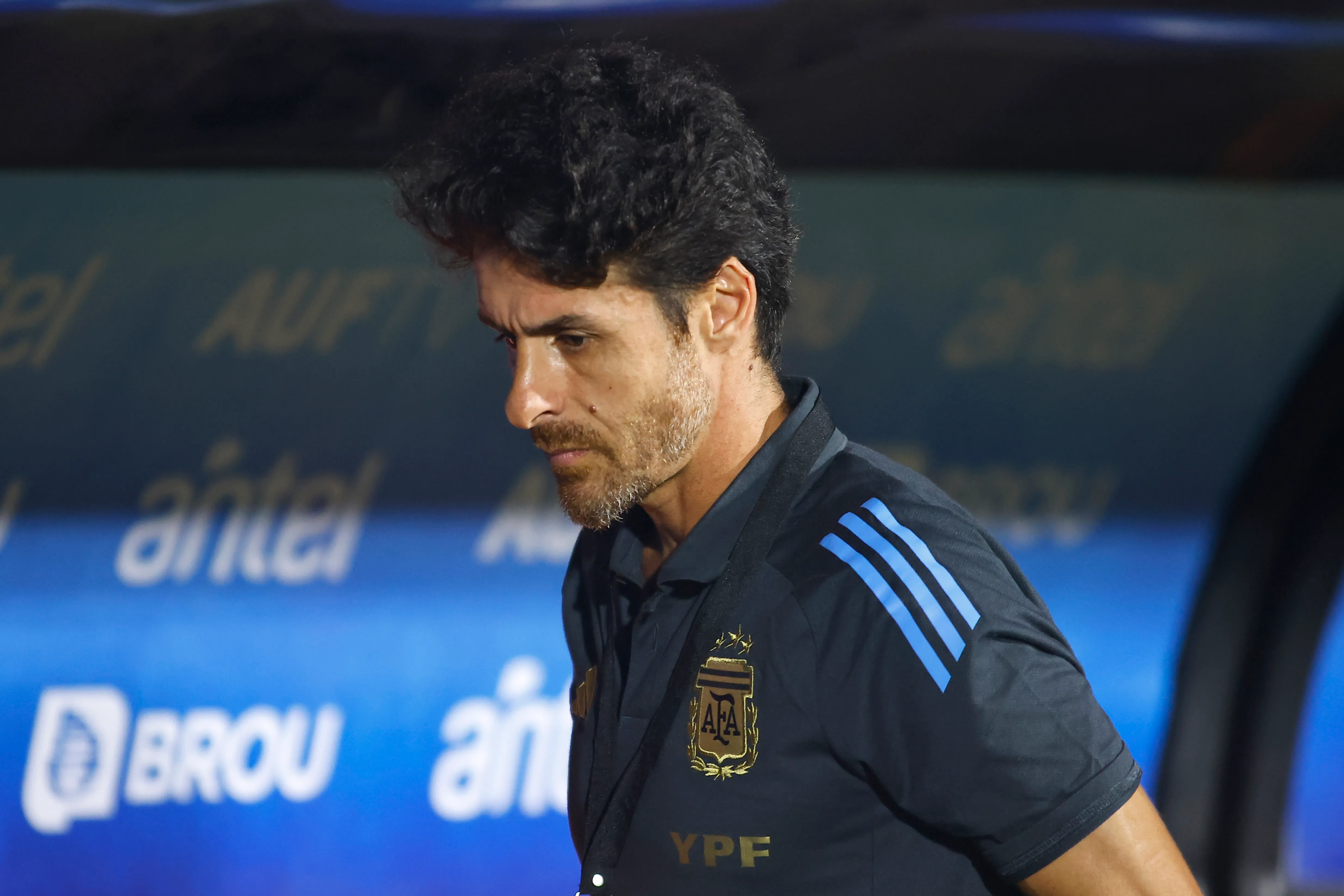
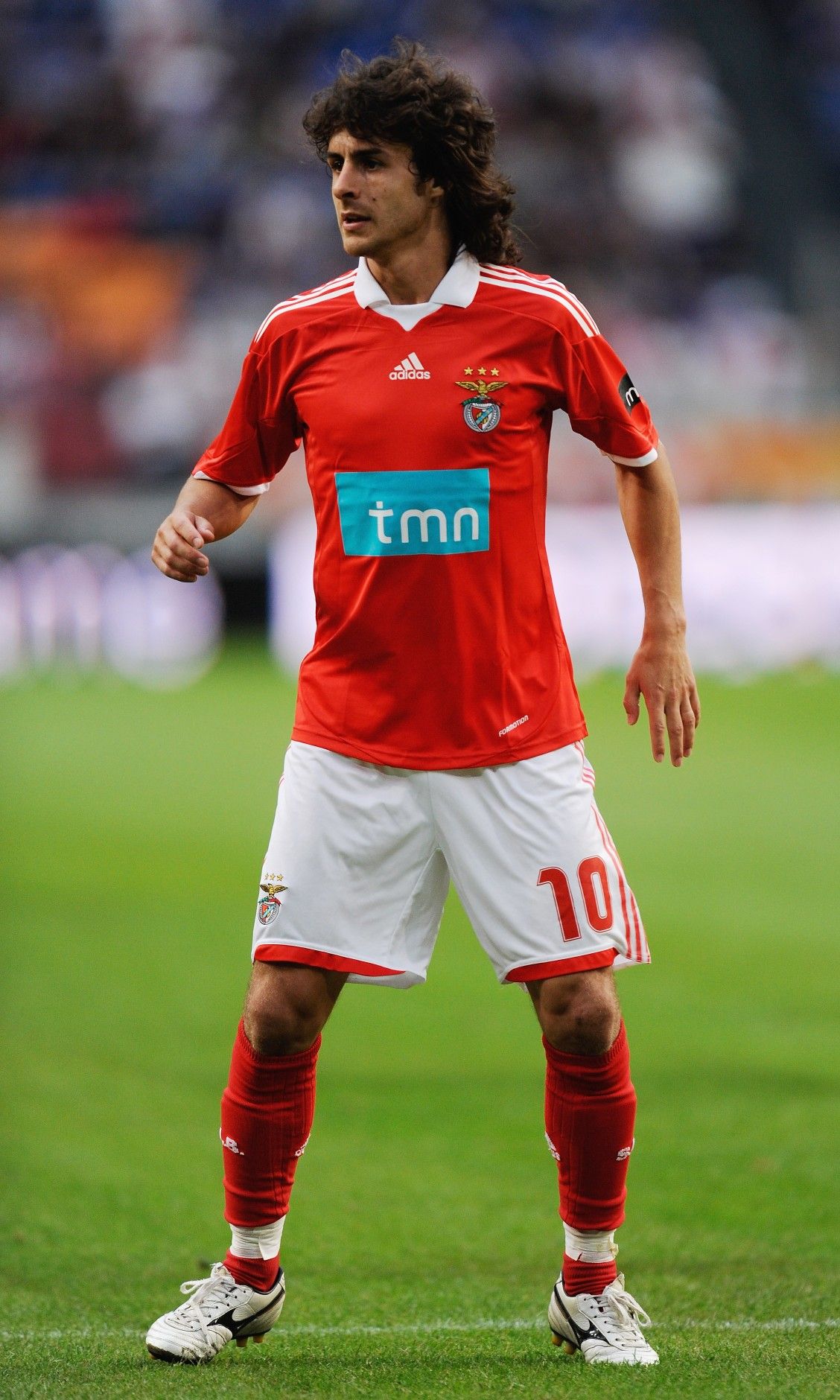
Pablo Aimar is widely recognized as one of the most technically gifted midfielders of his generation, celebrated for his exceptional vision, creative dribbling, and refined passing range. Emerging from the youth ranks of River Plate in Argentina, he became a central figure for Valencia CF during their golden era in La Liga, later transitioning to a successful period in Portugal with Benfica and concluding his professional journey back in his homeland.
The Early Years: River Plate and the Rise of "El Payaso"
Born in Río Cuarto, Argentina, Pablo César Aimar grew up with a deep passion for football that quickly manifested into professional potential. He joined the youth academy of River Plate, a club renowned for fostering creative, attack-minded players. Aimar’s development was rapid; he made his professional debut for the Buenos Aires giants in 1996.
Known by the nickname "El Payaso" (The Clown), a moniker earned for his joy on the pitch and his ability to "play" with opposing defenses, Aimar was part of a legendary River Plate squad. Playing alongside talents such as Javier Saviola, Juan Pablo Ángel, and Ariel Ortega, he became instrumental in the club’s dominance in the late 1990s. During his tenure at the Estadio Monumental, Aimar helped secure multiple league titles, including the Apertura and Clausura championships, establishing himself as the quintessential "enganche"—the traditional Argentine number 10 tasked with linking the midfield and the attack.
His style of play was defined by low center of gravity, quick turns, and an uncanny ability to find pockets of space between the defensive and midfield lines of his opponents. By 2000, his performances had alerted major European clubs to his potential, marking the beginning of his high-profile career across the Atlantic.
The Valencia CF Era: European Stardom
In January 2001, Aimar moved to Spain to join Valencia CF for a then-club record fee. This transition was pivotal, as he arrived at a side coached by Rafael Benítez that was on the cusp of domestic and European history. Aimar was viewed as the creative engine that would elevate the team to challenge the dominance of Real Madrid and FC Barcelona.
The 2001–2002 season saw Valencia win their first La Liga title in 31 years. Aimar was instrumental in this campaign, acting as the primary playmaker. His performance against Liverpool in the UEFA Champions League during that same period remains a highlight, with many observers noting that his ability to control the tempo of a game was second to none. He played a vital role in their subsequent league win in the 2003–2004 season, as well as their success in the UEFA Cup that same year.
While his time at the Mestalla was marked by moments of pure brilliance, it was also challenged by persistent physical injuries. Despite these setbacks, he remained a fan favorite, admired for his sportsmanship and aesthetic approach to the game. By the time he left Valencia in 2006, he had cemented his status as a club legend.
Success in Portugal: The Benfica Years
After a brief spell with Real Zaragoza, Aimar signed with SL Benfica in 2008, where he rediscovered his best form in the Portuguese Primeira Liga. His time in Lisbon was characterized by a period of tactical maturity. Often playing deeper or dictating play from a more central role, Aimar became a mentor figure for the younger generation at the club, including an emerging Angel Di María.
At Benfica, Aimar won the Primeira Liga title in the 2009–2010 season and added multiple Taça da Liga trophies to his collection. The Portuguese fans grew to appreciate his intelligence and leadership, acknowledging that while his pace may have declined compared to his younger years, his footballing brain remained superior to most contemporaries. He stayed with the club for five seasons before deciding to return to Argentina to finish his career.
International Contributions: The Albiceleste
Aimar’s career with the Argentina national team spanned over a decade, starting from his senior debut in 1999. He was a constant presence in the midfield during an era defined by extreme talent depth in the squad. He represented his country in the 2002 and 2006 FIFA World Cups.
While he never secured a major trophy with the senior national team, his influence was significant. He was often compared to the legendary Argentine playmaker Juan Román Riquelme, with coaches frequently debating whether the two could coexist in the same starting lineup. His international career concluded with over 50 caps, and his technical legacy continues to influence Argentine tactical philosophy, evidenced by his transition into coaching roles within the Argentine Football Association (AFA) after his retirement.
Key Career Statistics and Milestones
| Club/Team | Period | Key Achievements |
|---|---|---|
| River Plate | 1996–2000 | 5 League Titles, Copa Libertadores (semi-finalist) |
| Valencia CF | 2001–2006 | 2 La Liga Titles, 1 UEFA Cup, 1 UEFA Super Cup |
| Real Zaragoza | 2006–2008 | Relegation survival, tactical experience |
| SL Benfica | 2008–2013 | 1 Primeira Liga Title, 4 Taça da Liga |
| Argentina | 1999–2009 | Pan American Games Gold, FIFA World Cup appearances |
Playing Style and Tactical Legacy
Aimar’s style was fundamentally based on the concept of the "free role." He thrived in systems that allowed him to drift horizontally across the pitch, seeking numerical superiority or exploiting gaps in the defensive block.
- Dribbling: His close control allowed him to retain the ball under extreme pressure from physical markers.
- Passing: He excelled in the "through ball," particularly in transition, identifying runners before the defensive line could adjust.
- Professionalism: Unlike many mercurial talents of his era, Aimar was praised for his discipline and his avoidance of controversies, earning the respect of teammates and rivals alike.
Tactically, he served as the prototype for the modern creative midfielder who does not rely solely on athleticism. His influence is clearly visible in the development of modern Argentine players who prioritize spatial awareness and technical execution over pure physical output.
Retirement and Transition into Coaching
After a final, injury-plagued return to River Plate in 2015, Aimar announced his retirement from professional football. Rather than leaving the sport entirely, he dedicated himself to the development of the next generation. He took up roles within the AFA, working closely with youth national teams.
By 2026, Aimar is recognized as a key architect of the Argentine youth system. His ability to transmit his tactical knowledge to younger players is considered an essential component of the national team's sustained success. His transition from the pitch to the dugout has been seamless, reflecting his long-standing reputation as a student of the game.
Frequently Asked Questions
What was Pablo Aimar's primary position?
Aimar was an attacking midfielder, typically operating as a number 10 or a playmaker. He thrived in a "free role" behind the strikers, where he could dictate the flow of the game and provide final-third passes.
Did Pablo Aimar play with Lionel Messi?
Yes, they played together for the Argentina national team. Lionel Messi has frequently cited Aimar as one of his greatest footballing idols, noting that he admired Aimar's playing style and technique during his formative years.
Why was he nicknamed "El Payaso"?
The nickname "El Payaso" translates to "The Clown." It was given to him early in his career at River Plate because of the joy and enthusiasm he displayed on the field, often performing skillful moves that appeared to make the game look effortless and playful.
What was the highlight of his time at Valencia?
His highlight was winning the 2001–2002 and 2003–2004 La Liga titles, which broke the duopoly of Real Madrid and Barcelona. He was central to the team’s tactical system under Rafael Benítez during this peak period.
Is Pablo Aimar currently involved in football?
As of 2026, Pablo Aimar remains active in football through his coaching roles within the Argentine national team setup, specifically focusing on player development and tactical preparation for youth squads.
How did injuries affect his career?
Injuries were a recurring theme, particularly in his later years at Valencia and during his stint at Real Zaragoza. While these setbacks limited his total appearance count, his ability to adapt his game—shifting from a dynamic, box-to-box playmaker to a more stationary, intelligence-based creator—allowed him to maintain a high level of performance into his thirties.
Conclusion and Final Perspectives
Pablo Aimar’s career serves as a masterclass in technical excellence and tactical evolution. From the bustling pitches of Argentina to the grandest stages of European football, he maintained an approach to the game that prioritized creativity, intelligence, and respect for the ball. Even in 2026, his legacy persists not only in the archives of Valencia and Benfica but in the modern tactical training modules he helps oversee for the Argentine national team. For those studying the evolution of the creative midfielder, Aimar remains a reference point for how skill and vision can overcome physical limitations.