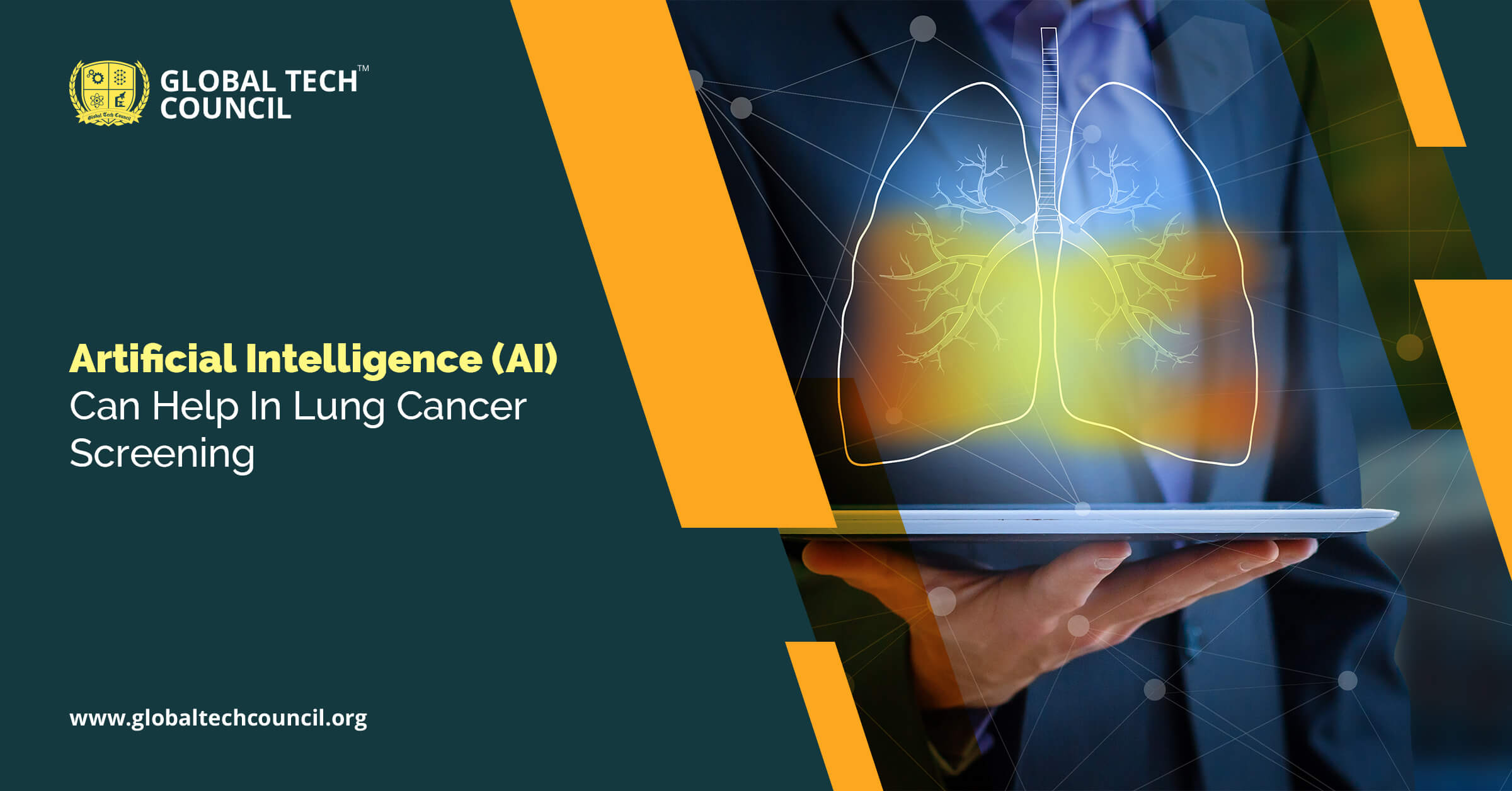
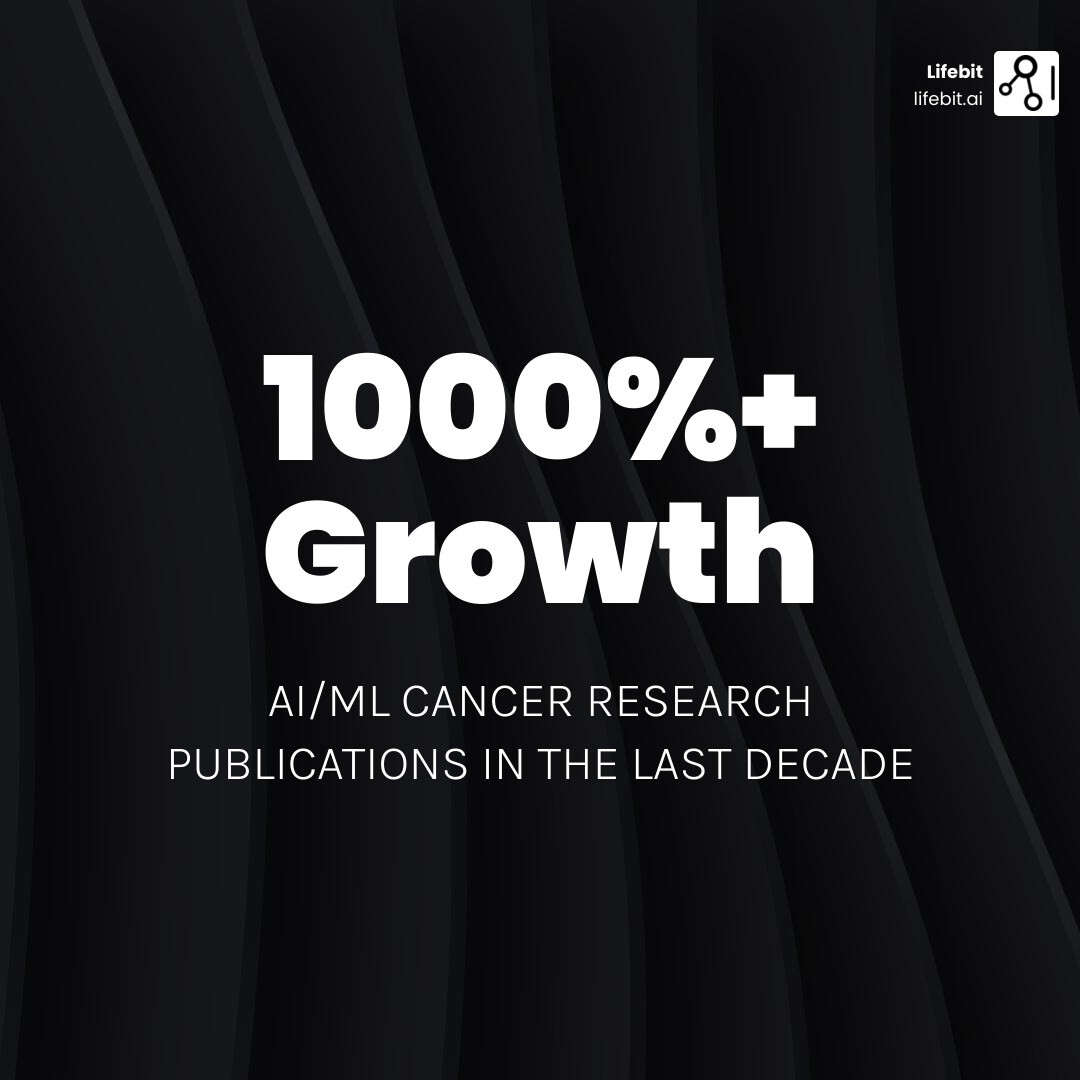
AI cancer research leverages machine learning, deep learning, and natural language processing to accelerate drug discovery, refine diagnostic accuracy, and personalize treatment protocols. By analyzing vast datasets—including genomic sequences, high-resolution medical imaging, and electronic health records—computational models identify subtle patterns that often elude conventional human analysis, ultimately facilitating earlier detection and more targeted therapeutic interventions for oncological patients.
The Evolution of Artificial Intelligence in Oncology
The integration of artificial intelligence (AI) into cancer research marks a fundamental shift from traditional, hypothesis-driven investigation toward high-throughput, data-driven discovery. Since the early 2020s, the field has matured from experimental pilot programs to robust, clinical-grade diagnostic support systems. The core function of AI in this context is the reduction of high-dimensional biological data into actionable clinical insights.
In clinical practice, AI systems serve three primary roles: diagnostic support through computer-aided detection, prognostic modeling using multi-omic integration, and therapeutic optimization. Unlike standard software, these models utilize iterative learning processes. As the volume of quality-controlled data grows, the algorithms improve their sensitivity and specificity in identifying malignant morphologies within tissue slides or identifying rare genetic mutations associated with treatment resistance.
Critical Areas of Advancement
Modern AI cancer research is concentrated in three distinct technical pillars that address the most persistent bottlenecks in current oncology practice.
1. Genomic Sequencing and Drug Discovery
Drug development is historically costly and time-intensive. AI accelerates this cycle by predicting how novel molecular compounds interact with specific cancer-associated proteins. By simulating protein folding and binding affinities, researchers can narrow down thousands of candidates to a few highly probable leads, significantly shortening the preclinical phase.
2. Radiomics and Digital Pathology
Medical imaging produces more data than a single radiologist or pathologist can process in a traditional workflow. AI-driven radiomics extracts quantitative features from medical images (CT, MRI, PET) that are invisible to the human eye. In digital pathology, convolutional neural networks (CNNs) analyze histopathology slides to grade tumors and assess margins with higher consistency than manual microscopy, reducing inter-observer variability.
3. Electronic Health Records (EHR) and Predictive Analytics
AI models analyze unstructured data from EHRs, such as physician notes and clinical narratives, to match patients with ongoing clinical trials. This process, known as patient phenotyping, ensures that patients are rapidly identified for experimental therapies that may be more effective than standard-of-care treatments for their specific tumor profile.
Comparing Traditional Research and AI-Augmented Research
The shift toward computational oncology alters the workflow, resource allocation, and expected outcomes of research institutions.
| Feature | Traditional Cancer Research | AI-Augmented Research |
|---|---|---|
| Data Processing | Manual/Statistical Sampling | Automated High-Throughput Analysis |
| Drug Development | Trial-and-error laboratory testing | Predictive virtual screening |
| Diagnostic Basis | Qualitative visual assessment | Quantitative multi-modal data fusion |
| Timeline | Decadal for new discovery | Compressed discovery/validation cycles |
| Primary Limitation | Human cognitive capacity/bias | Data quality and model transparency |
Requirements for Implementation
Transitioning to AI-integrated research requires adherence to stringent technical and ethical frameworks. Researchers and clinical institutions must address several prerequisites before deploying computational tools:
- Data Standardization: Algorithms require high-quality, interoperable datasets (FAIR principles: Findable, Accessible, Interoperable, and Reusable). Data silos remain a significant barrier.
- Infrastructure: Robust GPU-based computing power and secure cloud-native environments are essential to process terabytes of raw imaging and genomic data.
- Regulatory Compliance: Any AI tool intended for diagnostic or clinical decision-making must be validated against local regulatory standards (such as the FDA’s De Novo classification or equivalent international medical device regulations) to ensure patient safety.
- Interdisciplinary Teams: Successful research requires a synthesis of oncology expertise, data science, bioethics, and medical physics.
Navigating Limitations and Challenges
Despite the potential for breakthroughs, AI cancer research faces unresolved challenges that mandate caution. The "black box" nature of deep learning presents an interpretability hurdle; understanding why an AI suggests a specific diagnosis is as important as the diagnosis itself. If a clinician cannot verify the logic behind a model's output, trust in the system erodes.
Furthermore, algorithmic bias represents a significant risk. If an AI is trained primarily on datasets from a specific demographic, the model may underperform when applied to diverse populations with different genetic backgrounds or environmental exposures. Ensuring equity in training data is not merely an ethical requirement; it is a clinical necessity for global accuracy.
Practical Steps for Researchers and Clinicians
For those looking to engage with AI-driven oncology, the pathway involves a structured approach to verification and adoption:
- Define the Scope: Identify a specific clinical question rather than attempting to apply a generic model to the entire field of oncology.
- Dataset Auditing: Before training, evaluate the diversity, cleanliness, and origin of the dataset to mitigate selection bias.
- Model Validation: Utilize external validation sets—data the model has never seen—to test for generalizability and ensure the system does not simply memorize training data (overfitting).
- Clinical Integration Trials: Implement "human-in-the-loop" protocols where AI outputs are treated as secondary opinions, not automated conclusions, during the initial phase of deployment.
Frequently Asked Questions
How does AI improve the accuracy of cancer screenings? AI improves accuracy by providing objective, quantitative assessments of imaging data. Where a human observer might suffer from fatigue or subjective variation, an AI model provides a consistent baseline, acting as a second pair of eyes that highlights areas of interest for the radiologist.
Can AI replace oncologists in treatment planning? No. Current AI serves as a decision-support tool. It provides evidence-based suggestions and risk assessments, but the complexity of patient health, including comorbidities and personal preferences, requires the nuanced oversight of a human clinician.
What is the role of Big Data in AI cancer research? Big Data acts as the fuel for AI models. The more high-quality, annotated examples of cancer cells, tumor microenvironments, and patient response histories the model has, the better it can learn to distinguish between aggressive and indolent diseases.
How is patient privacy protected in these studies? Data privacy is governed by strict regulations like HIPAA in the United States and GDPR in Europe. Technologies such as federated learning, where the model travels to the data rather than the data being moved to a central server, and differential privacy techniques are used to ensure patient identities are never exposed.
Is AI expensive to implement in research settings? The initial cost for hardware and specialized talent is high. However, the long-term potential for reducing late-stage treatment costs—and identifying effective drugs faster—is viewed by many institutions as a necessary investment in the future of cancer care.
Next Actions for Stakeholders
Institutions and researchers should prioritize the establishment of "Explainable AI" (XAI) protocols. The goal is to move toward models that provide a reasoning trail for every conclusion. If you are involved in clinical procurement or research design, focus your efforts on vetting vendors and models that offer open-access documentation regarding their training datasets and validation benchmarks. Continued investment in multi-institutional data-sharing consortiums remains the most effective strategy to overcome the current fragmentation in oncological data.