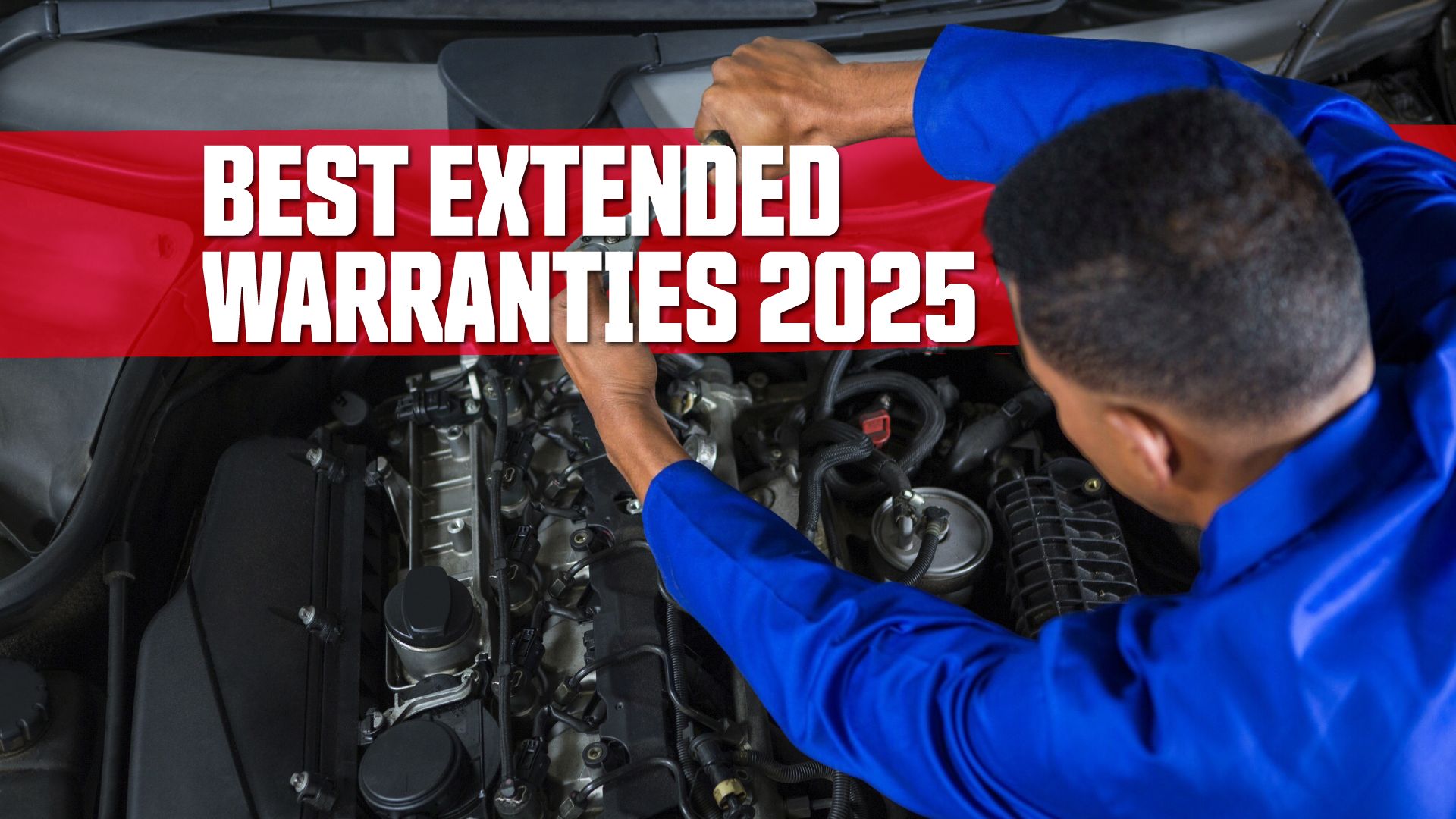
An aftermarket car warranty—technically known as a Vehicle Service Contract (VSC)—is an optional protection plan that covers the cost of specific mechanical breakdowns after a manufacturer's warranty expires. These third-party plans range from basic powertrain coverage to comprehensive exclusionary policies, allowing vehicle owners to offset unexpected repair costs in exchange for a monthly or upfront fee.
Understanding Aftermarket Car Warranties vs. Manufacturer Coverage
Navigating vehicle protection options requires understanding the distinction between original manufacturer coverage and aftermarket alternatives. While drivers often use the term "extended warranty" generically, legally and structurally, third-party aftermarket plans operate differently from factory guarantees.
Vehicle Protection Framework:
- Original Factory Warranty: Issued by OEM, limited length
- Manufacturer Extended: OEM-backed, bought at dealer
- Aftermarket Service Contract: Third-party protection (VSC)
What Is a Vehicle Service Contract (VSC)?
In the automotive industry, an aftermarket car warranty is legally classified as a Vehicle Service Contract (VSC) rather than an insurance policy or a factory warranty. Issued by independent companies rather than auto manufacturers, a VSC promises to pay for specified mechanical and electrical repairs resulting from breakdown or normal wear and tear, depending on the contract terms.
Unlike insurance policies—which cover damage from accidents, theft, or natural disasters—a VSC covers internal mechanical failures, such as a blown head gasket, transmission failure, or air conditioning compressor breakdown. These contracts can be purchased at almost any point in a vehicle's life cycle, provided the vehicle meets the provider's age and mileage eligibility thresholds.
Manufacturer Extended Warranties vs. Third-Party Aftermarket Plans
Choosing between a manufacturer extended warranty and an aftermarket provider involves weighing coverage flexibility, repair network restrictions, and purchasing constraints.
- Manufacturer Extended Warranties: Sold directly by automotive brand dealerships (such as Toyota, Ford, or BMW), these plans extend factory coverage using genuine original equipment manufacturer (OEM) parts. Repairs must usually be performed at authorized brand dealerships by factory-trained technicians. While high in quality, manufacturer extensions are typically restricted to vehicles still within their original factory warranty period and carry higher price tags.
- Third-Party Aftermarket Plans: Offered by independent warranty companies, third-party VSCs can be purchased at any time, even for high-mileage older vehicles. A primary advantage of aftermarket plans is repair shop flexibility: most providers allow policyholders to use any licensed repair facility certified by the National Institute for Automotive Service Excellence (ASE) across the United States and Canada.
Core Coverage Levels Offered by Aftermarket Providers
Aftermarket warranty options are categorized into distinct tiers based on the breadth of components protected. Understanding these tiers helps vehicle owners select a plan aligned with their car's reliability profile and their personal budget.
Coverage Depth Spectrum:
- Powertrain (Basic): Covers Engine & Trans.
- Stated Component (Mid): Adds AC, Electrical, Steering
- Exclusionary (High): Covers Everything Except Exclusions
Powertrain Coverage (Basic Protection)
Powertrain coverage represents the most economical tier offered by aftermarket warranty companies. It focuses strictly on the essential mechanical components that propel the vehicle forward.
- Engine Components: Cylinder block, pistons, crankshaft, timing belt/chain, oil pump, and internal valves.
- Transmission System: Torque converter, transmission control module (TCM), gears, and internal seals.
- Drive Axle Assembly: Differential gears, driveshafts, universal joints, and constant-velocity (CV) joints.
Powertrain plans are suited for older, high-mileage vehicles where the primary objective is avoiding catastrophic repair costs, such as a complete engine or transmission replacement, while keeping monthly premiums low.
Powertrain Plus and Stated-Component Plans (Mid-Level)
Mid-level coverage plans build upon basic powertrain protection by adding critical mechanical, electrical, and climate control systems. These contracts operate under a stated-component model, meaning that if a part is not explicitly listed in the contract, it is not covered.
Systems frequently added in mid-level plans include:
- Air Conditioning & Heating: Compressor, condenser, evaporator core, and expansion valve.
- Electrical Systems: Alternator, starter motor, wiper motors, and power window regulators.
- Braking Systems: Master cylinder, anti-lock braking system (ABS) module, and hydraulic lines (excluding wearable items like pads and rotors).
- Fuel & Cooling Systems: Fuel pump, water pump, radiator, and fuel injectors.
Bumper-to-Bumper / Exclusionary Coverage (Comprehensive Protection)
Exclusionary coverage is the highest tier of aftermarket protection, designed to mimic the comprehensive coverage of a new car factory warranty. Instead of listing every part that is covered, an exclusionary contract lists only the specific items that are excluded.
If a component is not named under the contract's "Exclusions" section, it is covered by default. Exclusions typically consist of standard maintenance items (spark plugs, filters, brake pads), cosmetic elements (trim, body panels, upholstery), and wearable parts (tires, wiper blades, clutch discs). Exclusionary contracts provide the broadest protection for newer, low-mileage vehicles equipped with complex technology and electronics.
Key Factors in Evaluating Aftermarket Car Warranty Reviews
Reviewing aftermarket warranty providers requires looking beyond promotional claims to evaluate administrative stability, contract terms, and historical claims fulfillment.
Direct Administrators vs. Third-Party Brokers
A critical factor in provider reviews is whether the company acts as a direct administrator or a third-party broker.
- Direct Administrators: Companies like Endurance handle the contract sales, customer service, claims processing, and payout approvals in-house. Dealing with a direct administrator eliminates intermediaries, often speeding up repair authorization and dispute resolution.
- Third-Party Brokers: Many well-known warranty sellers act as brokers. They handle marketing and sales but delegate claims management to independent administration companies (such as Royal Administration or Palmer Administrative Services). While brokers often offer a wider array of plan choices from different underwriters, resolving claims issues can require navigating multiple entities.
Claims Process and Payment Speed
A high-performing aftermarket warranty provider simplifies the claims process for both the vehicle owner and the repair facility. Industry best practices involve direct payment to the repair shop via corporate credit card upon completion of work.
When analyzing reviews, pay attention to feedback regarding:
- Prior Authorization Rules: All reputable VSCs require the repair facility to obtain approval from the contract administrator before initiating tear-down or repairs. Unapproved work is rarely reimbursed.
- Adjuster Inspections: For major repairs (typically exceeding $1,000), administrators may send an independent field adjuster to inspect the vehicle. Reviews should reflect whether adjusters are dispatched promptly to avoid repair delays.
Financial Stability and Regulatory Compliance
Because a service contract represents a long-term financial commitment, verifying the provider's backing is essential. Reputable providers back their contracts with an Insurance Policy Guarantee or Contractual Liability Insurance Policy (CLIP) issued by an A-rated insurance carrier (as rated by A.M. Best). This insurance ensures that claims will be paid even if the warranty seller experiences financial insolvency.
Additionally, consumer protection oversight varies by state. For instance, California regulates vehicle service contracts strictly through the California Department of Insurance, requiring specialized licensing for sold plans. Checking state insurance commissioner registries and the Better Business Bureau (BBB) provides objective insight into a company's licensing status and complaint history.
Comprehensive Provider Comparison & Overview
The table below outlines common parameters across primary aftermarket coverage tiers to assist in evaluating available market options.
| Coverage Tier | Primary Components Covered | Ideal Vehicle Eligibility | Deductible Options | Repair Shop Choice | Relative Cost Tier |
|---|---|---|---|---|---|
| Powertrain Basic | Engine, Transmission, Transfer Case, Drive Axles | High Mileage (up to 150k-200k+ miles) | $100 - $200 per visit | Any ASE-Certified Shop | $ (Low) |
| Mid-Level (Stated Component) | Powertrain + AC, Steering, Electrical, Fuel Pump, ABS | Moderate Mileage (up to 100k-120k miles) | $50 - $100 per visit | Any ASE-Certified Shop | $$ (Moderate) |
| Exclusionary (Bumper-to-Bumper) | All mechanical/electrical components except listed exclusions | Low Mileage (Under 60k-80k miles) | $0 - $100 per visit | Any ASE-Certified or OEM Dealer | $$$ (Higher) |
| Specialized (Tech/Hybrid) | Hybrid/EV Batteries, Infotainment, Sensors, Cameras | Vehicles under 10 years old with advanced tech | $100 per visit | Certified EV / OEM Repair Hubs | $$ to $$$ |
Navigating the Fine Print: Exclusions and Limitations to Watch For
Consumer dissatisfaction with aftermarket car warranties often stems from misunderstandings regarding contract exclusions. Carefully reviewing contract language before purchasing minimizes unexpected out-of-pocket expenses.
Common Contract Pitfalls Checklist:
- Waiting period fulfilled? (e.g., 30 days & 1,000 miles)
- Proof of routine maintenance preserved? (Oil changes, fluids)
- Claim within hourly labor rate cap? (e.g., max $130/hr covered)
- Wear-and-tear vs. mechanical breakdown defined?
Pre-Existing Conditions and Waiting Periods
Every aftermarket service contract explicitly excludes pre-existing conditions—any mechanical issue or wear that existed before the policy took effect or during the mandatory initial waiting period.
Standard contracts enforce a waiting period of 30 days and 1,000 miles from the signup date before claims can be filed. This buffer prevents vehicle owners from purchasing a policy to fix an immediate, active breakdown. Administrators often request diagnostic records or inspect fluid levels to verify whether an issue originated prior to policy inception.
Required Maintenance Records and Tear-Down Expenses
To maintain valid coverage, contract holders must adhere to the manufacturer's recommended maintenance schedule (such as regular oil changes, transmission fluid flushes, and tire rotations).
- Maintenance Documentation: In the event of a engine or internal component claim, administrators frequently request receipts proving routine maintenance was performed at specified intervals. Failing to produce these records can result in claim denial under the "lack of maintenance" clause.
- Tear-Down Costs: If a vehicle suffers an internal engine failure, the mechanic must disassemble (tear down) the engine to determine the root cause. The vehicle owner is responsible for authoring the tear-down. If the administrator confirms the failure is covered under the contract, tear-down costs are added to the approved claim. However, if the failure is attributed to overheating, lack of oil, or an excluded component, the owner must pay for the tear-down out of pocket.
How Much Does an Aftermarket Car Warranty Cost?
The cost of an aftermarket car warranty varies based on risk assessments performed by the contract underwriter. On average, multi-year protection plans cost between $1,500 and $4,000 in total, depending on coverage scope and vehicle specifications.
Premium Factors
Underwriters establish pricing based on measurable failure risks:
- Vehicle Age and Mileage: Older cars with higher mileage carry higher failure risks, leading to increased plan costs.
- Make and Model: Luxury vehicles (such as Audi, Mercedes-Benz, or Land Rover) and high-performance cars cost significantly more to cover due to expensive OEM parts and specialized labor rates.
- Coverage Scope: Broad exclusionary plans cost substantially more than basic powertrain protection.
- Term Length: Contracts span options from 12-month rolling agreements to multi-year plans lasting up to 5 years or 100,000 additional miles.
Deductibles and Payment Plans
Most warranty providers offer flexible payment options to fit different budgets:
- Deductible Structures: Common deductible amounts are $0, $50, $100, or $200 per repair visit. Choosing a higher deductible lowers the upfront or monthly premium cost. Some contracts offer a "disappearing deductible," where fees are waived if repairs are performed at the selling dealership or a preferred repair network hub.
- Payment Terms: Providers usually offer interest-free monthly payment plans spread over 12 to 24 months, accompanied by a down payment equal to the first month's installment.
Frequently Asked Questions
What is the difference between a mechanical breakdown and wear-and-tear?
A mechanical breakdown occurs when a covered part completely stops functioning or fails to perform its intended operational function. Wear-and-tear refers to the gradual degradation of a component over time due to normal usage. Basic contracts cover only sudden mechanical breakdowns, whereas higher-end contracts cover components that have worn beyond the manufacturer's allowable tolerances.
Can I take my vehicle to any mechanic with an aftermarket warranty?
Most third-party vehicle service contracts allow you to take your car to any licensed repair facility certified by ASE (Automotive Service Excellence) in the United States or Canada. This includes dealership service departments, national repair chains, and independent local mechanics. Always confirm that the shop accepts third-party warranty payments before authorizing diagnostic work.
Are aftermarket car warranties transferable if I sell my car?
Yes, most aftermarket service contracts are transferable to a new private buyer if you sell the vehicle before the coverage term expires. Transferring a contract usually requires submitting a transfer form, proof of routine maintenance records, and a small administrative fee (typically $50) to the contract administrator within 30 days of the sale.
How do provider money-back guarantees work?
Standard industry contracts include a 30-day money-back guarantee period (often called a review or "free-look" period). If you cancel within the first 30 days and have not filed any approved claims, you are eligible for a full refund. Cancellations made after 30 days or after a claim has been paid are usually refunded on a prorated basis based on time or mileage used, minus a small cancellation fee.
Does an aftermarket warranty cover diagnostic fees?
Diagnostic fees are covered only if the diagnosed failure turns out to be a covered repair under your specific contract. If the mechanic performs diagnostics and discovers the root cause is an excluded component or pre-existing issue, the vehicle owner is responsible for paying the diagnostic labor charges out of pocket.
Final Guidance: Choosing the Right Plan for Your Vehicle
Selecting an appropriate aftermarket car warranty requires balancing risk exposure against total contract costs. Before shopping for coverage:
- Assess Vehicle Reliability: Research your specific model's common mechanical issues and typical repair costs using consumer reliability databases.
- Request Sample Contracts: Never purchase a policy based solely on a phone pitch. Request a full sample contract (specimen contract) and read the "Exclusions," "Definitions," and "Limits of Liability" sections carefully.
- Verify Licensing and Backing: Confirm that the company's plans are backed by an A-rated insurance carrier and check their complaint resolution history with consumer protection authorities.
- Keep Meticulous Records: Once covered, preserve all maintenance receipts—including oil changes, filter replacements, and fluid services—to protect claim eligibility throughout the term.
EDITORIAL CATEGORY METADATA: