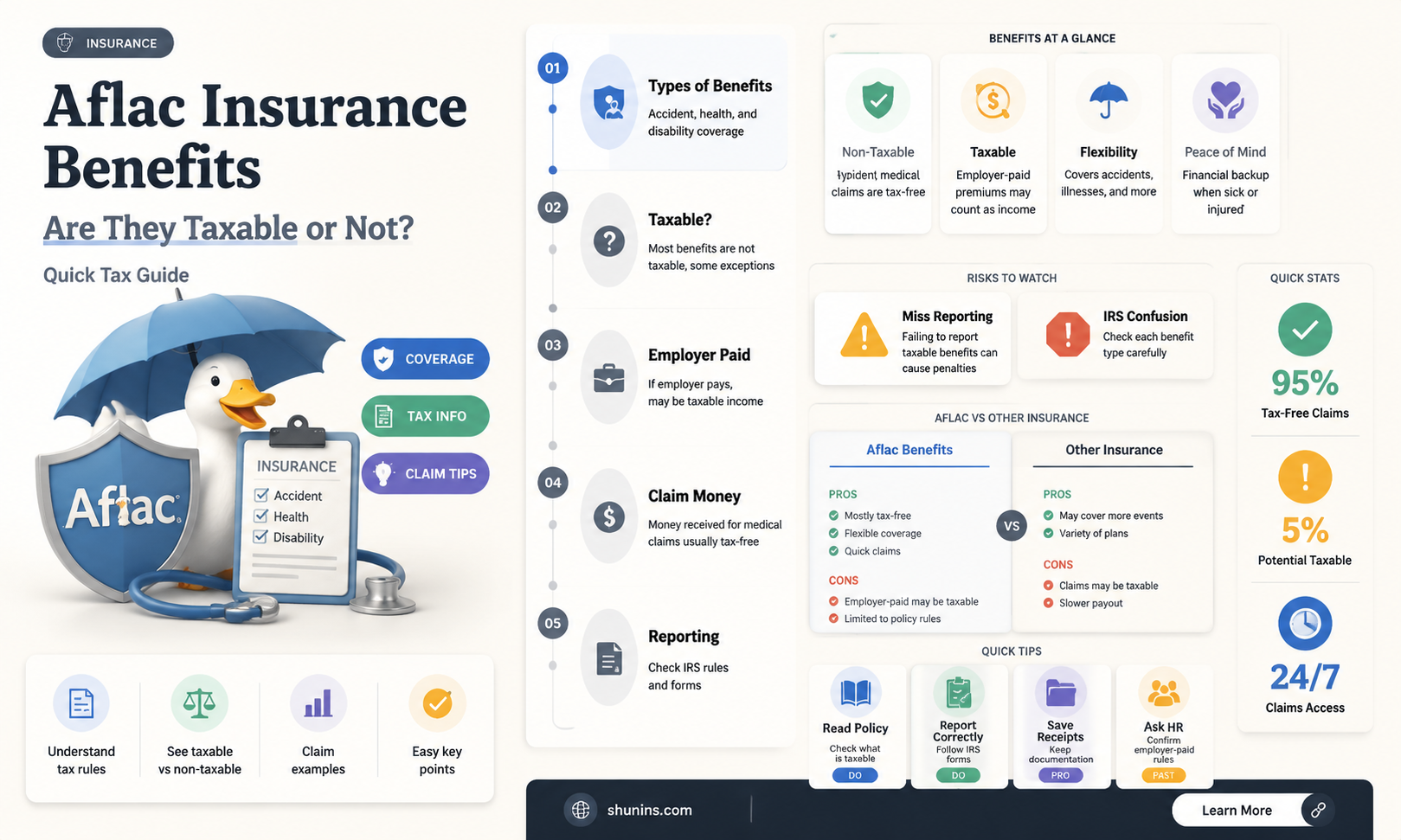
Aflac life insurance premiums are generally paid on an after-tax (post-tax) basis. Because these policies are typically categorized as individual coverage rather than group term life insurance provided by an employer, the premiums are deducted from your paycheck after your income and payroll taxes have already been calculated and withheld.
The Distinction Between Pre-Tax and Post-Tax Deductions
To understand why your Aflac premiums are handled as post-tax deductions, it is helpful to clarify the difference between how various employee benefits are processed. In the United States, the tax treatment of insurance premiums is governed by the Internal Revenue Service (IRS) and the specific design of the employer’s benefits package.
A pre-tax deduction, often referred to as a "Section 125" or "Cafeteria Plan" deduction, allows employees to pay for certain benefits using money that has not yet been subjected to federal or state income taxes. Common examples include health insurance premiums, flexible spending accounts (FSAs), and health savings accounts (HSAs). By reducing your taxable income, these deductions lower the amount of tax you pay in the current year.
Conversely, a post-tax (after-tax) deduction means that your employer takes the money out of your paycheck after all income, Social Security, and Medicare taxes have been withheld. When you pay for Aflac life insurance, the payment is typically treated as a personal expense. Even though the transaction is facilitated through payroll deduction for your convenience, it does not carry the tax-advantaged status of a qualified group health plan.
Why Aflac Life Insurance Typically Operates Post-Tax
The primary reason for this designation lies in the nature of "supplemental" insurance products. While many employees interact with Aflac through their workplace, these policies are often structured as individual policies that the employee owns.
Under current IRS guidelines, employer-provided group term life insurance may be offered on a pre-tax basis if the policy meets specific requirements regarding coverage limits—specifically, coverage up to $50,000. However, many Aflac policies, which often include portable, permanent, or supplemental whole life features, do not fall under the strict "group term" definition that grants pre-tax eligibility. Consequently, because the employer is not providing these as a subsidized or group-term benefit under a qualified cafeteria plan, the IRS requires that these premiums be paid with "after-tax" dollars.
The Advantage of After-Tax Premium Payments
While you might prefer the lower immediate tax burden that comes with pre-tax deductions, paying for life insurance premiums with after-tax dollars offers a distinct and significant benefit: the tax treatment of the death benefit.
When you pay your premiums with after-tax dollars, the Internal Revenue Service generally considers the death benefit proceeds to be tax-free for the beneficiaries. Because you already paid taxes on the income used to buy the policy, the government does not "double tax" the payout. If you were paying for a policy with pre-tax dollars, the tax status of the eventual benefit could become significantly more complicated, potentially leading to income tax liabilities for your heirs. By using post-tax dollars, you ensure that your beneficiaries receive the full value of the death benefit without facing unexpected tax bills during a period of grieving.
Payroll Deduction: A Matter of Convenience, Not Tax Status
A common source of confusion is the method of payment. Many employees associate payroll deduction with pre-tax benefits because so many of their deductions—like 401(k) contributions or health insurance—are pre-tax.
It is important to distinguish between the administrative mechanism (payroll deduction) and the tax classification (pre-tax vs. post-tax). Aflac utilizes payroll deduction as a service to make it easier for employees to keep their coverage active without worrying about monthly bill payments. However, the use of a payroll slot does not change the fact that the money is "post-tax." Your pay stub or payroll statement will often indicate the category of the deduction, and it will clearly show that the premium is removed from your net pay rather than your gross pay.
Comparison of Insurance Deduction Types
The following table summarizes how different common benefits are generally treated regarding tax status and how they impact your paycheck and long-term planning.
| Benefit Type | Typical Tax Treatment | Tax Impact on Paycheck | Tax Status of Benefit Payout |
|---|---|---|---|
| Health Insurance | Pre-Tax | Reduces Taxable Income | N/A (Service-based) |
| 401(k) Contribution | Pre-Tax | Reduces Taxable Income | Taxed as Ordinary Income |
| Flexible Spending Account | Pre-Tax | Reduces Taxable Income | N/A (Reimbursement) |
| Aflac Life Insurance | Post-Tax | No Impact on Taxable Income | Generally Tax-Free |
| Roth 401(k) | Post-Tax | No Impact on Taxable Income | Tax-Free |
Managing Your Deductions and Reviewing Your Pay Stub
To verify how your specific Aflac policy is handled, your most reliable resource is your employer’s Human Resources or payroll department. While the general rule is that these policies are post-tax, employer plans can vary based on the specific plan document filed with the IRS.
- Check your pay stub: Look for the specific line item for "Aflac" or "Supplemental Insurance." Check the subtotal sections. If the deduction is taken from your "Net Pay" calculation, it is post-tax.
- Review your benefits portal: Many companies use online portals (like Workday, ADP, or Gusto) where you can view your benefits summary. This summary often includes a section on "Taxability" or "Deduction Type."
- Consult your benefits handbook: Your employer should provide a summary plan description. If the insurance is offered under a Section 125 Cafeteria Plan, it will be explicitly stated. If it is not listed as a qualified benefit under that plan, it is processed post-tax.
Potential Exceptions and Special Circumstances
There are rare instances where supplemental life insurance could be structured differently, usually involving highly specific group-universal life plans provided by an employer as part of an executive compensation package or a specific collective bargaining agreement.
If you are an employee who believes your Aflac premiums are being deducted pre-tax, do not assume this is an error without verifying with your payroll administrator. It is possible your employer has implemented a specific plan structure that allows for this, though it is the exception rather than the norm. If you discover that a policy is incorrectly coded in the payroll system, correcting it promptly is vital to prevent future tax filing issues.
FAQs Regarding Life Insurance Taxation
Does the fact that premiums are post-tax mean I can deduct them from my taxes? No. Generally, premiums paid for personal life insurance are considered a personal expense and are not tax-deductible on your individual federal income tax return.
If I leave my job, do I lose the tax status of my Aflac policy? Since the policy is already post-tax, you generally own it. If you move to direct billing with Aflac after leaving your job, you will continue paying with post-tax funds, and the tax-free status of the death benefit remains intact.
Can I change my Aflac premiums to pre-tax to lower my current taxes? You cannot unilaterally change the tax status of a policy. Whether a benefit is pre-tax or post-tax is determined by the employer’s plan design and IRS regulations. If your employer does not offer the policy as a pre-tax benefit, you cannot choose to make it one.
Will my Aflac life insurance payout be taxable if the premiums were post-tax? In most cases, the proceeds from an individual life insurance policy are not subject to federal income tax, regardless of whether the premiums were pre-tax or post-tax, provided the policy is not considered a "transfer for value." However, if the policy was paid with post-tax dollars, you have the greatest protection against the IRS characterizing the payout as taxable income.
What should I do if my payroll department is unsure about the tax status? Request a copy of the "Plan Document" or the summary of benefits for the specific Aflac offering. You can also contact Aflac customer service to confirm if the policy type is designed as a group term benefit or an individual policy, which will provide the necessary context for your payroll department to code the deduction correctly.
Final Recommendations for Policyholders
The most practical step for any policyholder is to maintain an organized file of your insurance documents and pay stubs. Because insurance is a long-term financial commitment, knowing exactly how your premiums are being handled ensures there are no surprises when it comes time for your annual tax filing or if a beneficiary needs to file a claim.
If you are currently evaluating whether to increase your life insurance coverage, remember that the "cost" of the policy includes both the premium amount and the tax implications. Because Aflac premiums are post-tax, you should budget for the full cost as it appears on your pay stub without expecting any tax savings to offset that cost. If you find your current premium load is becoming difficult to manage, reach out to your Aflac representative to discuss whether your policy has options to adjust the death benefit or coverage riders, which could lower your monthly premiums while keeping your protection in place.