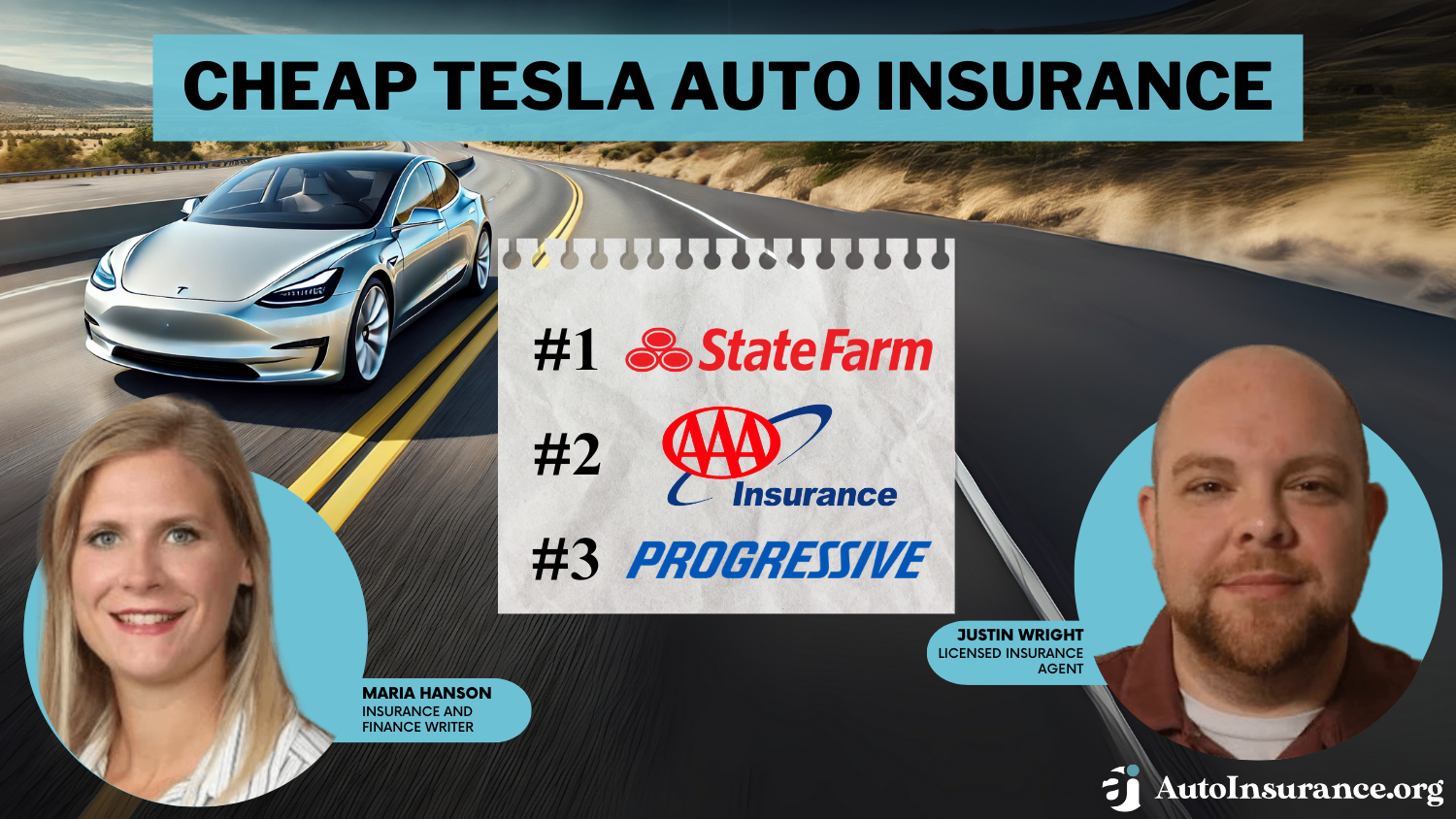
Finding affordable auto insurance solutions requires balancing necessary legal and financial protections against monthly premium costs. Vehicle owners can significantly reduce their rates by optimizing coverage structures, leveraging stackable policy discounts, participating in telematics programs, and comparing carrier quotes systematically. Tailoring insurance policies to actual driving habits ensures driver safety and compliance without overpaying for unnecessary coverage.
Disclaimer: This guide is intended for informational and educational purposes only. Insurance regulations, mandatory minimums, and pricing factors vary by jurisdiction and individual credit or driving profiles. Consult a licensed insurance broker or certified financial adviser for advice tailored to your specific circumstances.
Decoding Auto Insurance Pricing: How Carriers Calculate Premiums
Underwriters use statistical algorithms to evaluate individual risk profiles. Rates reflect the likelihood that a policyholder will file a claim and the estimated cost to settle that claim. Understanding these rating variables helps drivers identify actionable ways to lower costs.
Primary Auto Insurance Rating Factors
- Driving Record (Accidents, Moving Violations, Claims History)
- Annual Mileage & Vehicle Usage (Commute vs. Pleasure)
- Geographic Location (Zip Code, Theft Rates, Traffic Density)
- Vehicle Make, Model, Repair Costs & Safety Features
- Credit-Based Insurance Score (Where Legally Permitted)
- Coverage Selections, Policy Limits & Deductibles
1. Driving Record and Claims History
A driver’s historical record remains the single most influential pricing factor. Moving violations, such as speeding tickets or reckless driving charges, alongside at-fault accidents, signal elevated risk to carriers. Insurance companies inspect driving histories through state Departments of Motor Vehicles (DMV) and evaluate past claim filings via the Comprehensive Loss Underwriting Exchange (CLUE) database. Clean driving records over three to five consecutive years yield access to preferred rate tiers and safe-driver discounts.
2. Geographic Location and Commuting Demographics
Premium rates fluctuate down to the specific ZIP code. Urban neighborhoods characterized by high traffic density, elevated rates of vehicle theft, frequent vandalism, or higher uninsured motorist rates command higher base premiums than rural communities. Additionally, daily commuting distance directly correlates with exposure to potential collisions; lower annual mileage consistently results in reduced rate brackets.
3. Vehicle Specifications and Safety Equipment
Carriers classify vehicles using risk categories based on historical repair costs, safety ratings, vehicle weight, and theft susceptibility. High-performance sports cars demand higher rates due to repair complexity and statistical crash rates, whereas sedans and crossovers equipped with advanced driver-assistance systems (ADAS)—such as automatic emergency braking, lane-departure warnings, and blind-spot monitoring—qualify for lower baseline premiums.
4. Credit-Based Insurance Scores
In states where the practice is legally permitted, insurers use credit-based insurance scores to predict claim frequency. Actuarial data shows a correlation between credit management and insurance claim rates. Maintaining an excellent credit score can lower auto premiums as substantially as maintaining a clean driving record. However, several states—including California, Massachusetts, Hawaii, and Michigan—prohibit or strictly limit the use of credit scores in auto insurance rating structures.
Strategic Coverage Adjustments to Reduce Premiums
Securing an affordable auto insurance policy does not mean accepting inadequate protection that leaves assets vulnerable during major accidents. Strategic adjustments to your policy structure can significantly lower costs without sacrificing essential coverage.
Policy Structure Balance
- Lower Premiums / Higher Out-of-Pocket Risk
- Higher Deductibles: Paying $1,000+ per Claim
- Dropping ACV Coverage: Paying Repairs Out-of-Pocket
- Higher Premiums / Lower Out-of-Pocket Risk
- Lower Deductibles: Paying $100-$250 per Claim
- Comprehensive/Collision: Insured Vehicle Repairs
Optimizing Deductible Levels
The deductible is the out-of-pocket amount a policyholder pays before insurance coverage applies to physical damage claims under collision or comprehensive policies. Raising collision and comprehensive deductibles from $250 or $500 to $1,000 often reduces the physical damage portion of a premium by 15% to 30%.
This approach works best when policyholders maintain an emergency savings fund sufficient to cover the higher deductible if an unexpected claim occurs.
Evaluating Actual Cash Value (ACV) on Older Vehicles
Comprehensive and collision coverages pay out up to the vehicle's Actual Cash Value (ACV)—market value minus depreciation—rather than its original purchase price. As vehicles age, their market values decline, diminishing the potential payout from a physical damage claim.
- The 10% Rule of Thumb: If the annual cost of comprehensive and collision coverages exceeds 10% of the vehicle’s total market value (determined by sources like Kelley Blue Book or NADA Guides), dropping physical damage coverages may be cost-effective.
- Liability-Only Transition: Transitioning an older, fully paid-off vehicle to liability-only protection removes physical damage premiums. However, drivers must be prepared to self-insure the full replacement or repair costs if the vehicle is damaged or totaled in an at-fault accident.
Adjusting Optional Endorsements
Insurance policies often include add-on coverages that increase monthly costs over time. Reviewing policy declarations pages for redundant options allows drivers to streamline protection:
- Roadside Assistance: Compare carrier pricing against existing vehicle warranties or AAA memberships to avoid double coverage.
- Rental Car Reimbursement: Consider skipping this endorsement if you own a secondary household vehicle or can utilize public transit during vehicle repairs.
- Custom Equipment Coverage: Remove coverage for aftermarket modifications if your vehicle relies strictly on original equipment manufacturer (OEM) parts.
Usage-Based and Telematics Insurance Solutions
Usage-Based Insurance (UBI) uses telematics to shift auto insurance pricing from generic statistical categories to individual driving habits. Telematics technology tracks driving behavior in real time using smartphone apps, plug-in OBD-II devices, or built-in vehicle hardware.
How Telematics Program Savings Work
- Enrollment: App or OBD-II Device Installed
- Monitoring: Tracks Speed, Hard Braking, Night Driving, & Total Miles
- Evaluation: Data Processed Over 30 to 90 Days
- Adjustment: Safe Driving Score Applies Tiered Discounts (10% to 40%)
Dynamic Driving Behavior Metrics
Telematics programs evaluate specific risk parameters to calculate monthly discounts:
- Braking and Acceleration: Abrupt deceleration and rapid speed increases lower safety scores by indicating tailgating or reactive driving.
- Time of Day: Driving between late night and early morning hours (typically 12:00 AM to 4:00 AM) carries higher risk ratings due to decreased visibility and statistically higher drunk-driving risks.
- Cornering Dynamics: High lateral G-forces during aggressive turns reduce safety scores.
- Distracted Driving: Mobile app-based telematics measure phone handling while the vehicle is in motion.
Pay-Per-Mile Policies for Low-Mileage Drivers
For remote workers, retirees, or multi-car households logging under 7,500 miles per vehicle annually, pay-per-mile insurance provides an alternative to traditional fixed-rate policies. These solutions combine a low daily base rate with a fixed per-mile fee (often 4 to 8 cents per mile).
If a vehicle remains parked, premiums stay low, keeping auto insurance affordable for low-mileage drivers.
Unlocking Stackable Policy Discounts
Carriers offer various discounts that can be combined to lower overall policy costs. Reviewing available options helps policyholders maximize savings.
| Discount Type | Description |
|---|---|
| Bundling / Multi-Policy | Combine Auto with Home, Renters, or Life |
| Multi-Vehicle | Insure two or more cars under one account |
| Safe Driver / Clean Record | Maintain 3-5 years without claims or tickets |
| Affinity / Occupational | Discount via employer, union, or alumni group |
| Paperless & Auto-Pay | Electronic billing setup with automated payment |
| Defensive Driving Course | Complete an approved state-certified course |
Multi-Policy and Multi-Vehicle Bundling
Combining auto coverage with home, renters, condo, or umbrella insurance with the same carrier yields substantial savings. Multi-policy bundles regularly cut total premiums by 10% to 25%. Similarly, placing multiple family vehicles on a single policy generates multi-car discounts by lowering administrative overhead for the insurer.
Academic and Professional Affinity Discounts
Insurers partner with universities, professional associations, alumni groups, military organizations, and large corporate employers to offer group discounts. Additionally, full-time high school and college students who maintain a minimum 3.0 GPA ("B" average) usually qualify for good student discounts, helping lower rates for young drivers.
Defensive Driving Courses
Many states require insurers to offer multi-year premium discounts (often 5% to 10%) to policyholders who complete an accredited defensive driving or driver safety course. While traditionally targeted at drivers over 55, these programs are increasingly open to all age brackets, offering an easy way to lower rates.
Policy Adjustment Comparison: Cost vs. Risk
The table below summarizes common policy adjustments, their potential savings impact, and the associated financial trade-offs.
| Adjustment Strategy | Typical Annual Savings | Financial Trade-off / Risk Exposure | Best Suited For |
|---|---|---|---|
| Increase Deductibles ($500 to $1,000) | 15% – 30% on Physical Damage | Higher out-of-pocket expenses when filing a claim | Drivers with an established emergency fund |
| Drop Comprehensive & Collision | 30% – 50% of total policy premium | Zero payout for vehicle repairs or total loss in at-fault events | Owners of older vehicles valued under $4,000 |
| Enroll in Telematics/UBI | 10% – 40% based on driving score | Potential rate surcharges with high-risk driving habits | Safe, low-mileage drivers and non-nighttime commuters |
| Bundle Auto & Renters/Home | 10% – 25% across combined premiums | Changing carriers requires moving multiple policies | Homeowners, renters, and multi-vehicle households |
| Raise Bodily Injury Limits | Increased cost of 5% – 15% | Decreased out-of-pocket financial liability in major crashes | Asset owners seeking higher risk protection |
| Opt into Pay-Per-Mile Rates | 20% – 60% for low-mileage drivers | Higher costs per mile if driving habits increase unexpectedly | Remote workers, retirees, and city commuters |
Step-by-Step Action Plan to Audit and Lower Your Insurance Rate
Comparing quotes across carriers is one of the most effective ways to lower rates. Insurers adjust their rate structures periodically, meaning the lowest-cost provider three years ago may no longer offer the best rate today.
5-Step Auto Insurance Audit Process
- Step 1: Gather Dec Pages: Note limits, deductibles, and annual cost
- Step 2: Correct Errors: Check driving records & credit reports
- Step 3: Collect Quotes: Request 3-5 quotes with matching limits
- Step 4: Check Ratings: Confirm insurer solvency (AM Best, A- or better)
- Step 5: Switch Smoothly: Bind new policy BEFORE canceling old policy
Step 1: Gather Your Current Policy Declarations Page
Locate the Declarations (Dec) page of your active policy. This document details your specific coverage limits, deductibles, listed drivers, vehicle identification numbers (VINs), and current premium breakdown. Use these exact parameters as a baseline when gathering comparison quotes.
Step 2: Audit Your Credit and Driving Records
Before requesting quotes, verify that your official records are accurate:
- Order a copy of your motor vehicle record (MVR) from your state DMV to verify that expired violations have been removed.
- Review your CLUE report via LexisNexis to ensure settled claims or non-claim inquiries are accurately reported.
- Check your credit reports for errors that could unfairly lower your credit-based insurance score.
Step 3: Collect Comparable Quotes from Multiple Carriers
Obtain quotes from at least three to five carriers, including national brands, regional insurers, and direct-to-consumer digital providers. Regional carriers often deliver lower rates and higher customer service scores than national brands in specific ZIP codes.
- Match Coverages Exactly: When requesting quotes, match your existing coverage limits and deductibles to ensure accurate price comparisons.
- Avoid Price-Comparison Portals That Resell Data: Use direct insurer websites or work with an independent insurance agent who represents multiple carriers without selling your personal contact information to third-party lead generators.
Step 4: Evaluate Carrier Financial Stability and Customer Service
Prioritize financial stability over low cost alone. Check carrier ratings through independent agencies like A.M. Best to ensure financial solvency. Review customer satisfaction scores via the J.D. Power Auto Insurance Study and national complaint indexes tracked by the National Association of Insurance Commissioners (NAIC).
Step 5: Execute a Seamless Policy Transition
Once you select a new policy, ensure uninterrupted coverage during the switch:
- Bind your new policy and set the effective date to begin on or before your current coverage ends.
- Formally cancel your previous insurance policy in writing or through your agent.
- Request a pro-rated refund for any prepaid, unearned premium amounts from your prior carrier.
- Provide proof of new insurance to your auto lender or leasing company to satisfy contract requirements.
Common Pitfalls in Budget Auto Insurance
Cutting auto insurance costs requires careful planning. Choosing insufficient coverage options can expose policyholders to significant financial liability during a major crash.
Risky Cost-Cutting Mistakes to Avoid
- Carrying Only State Minimum Liability Limits
- Selecting Deductibles Beyond Cash-Reserve Capacity
- Experiencing Coverage Lapses Between Policy Switches
- Failing to Report Household Drivers or Usage Changes
1. Carrying Only State Minimum Liability Limits
State-mandated minimum liability limits are often inadequate for severe multi-vehicle collisions. For example, a state minimum limit of $15,000 for property damage liability will not cover the cost of a damaged modern vehicle.
If claim costs exceed your policy limits, injured parties can seek garnishment of personal savings, future wages, and personal assets. Increasing liability limits to $100,000/$300,000/$100,000 adds modest cost while delivering essential asset protection.
2. Allowing Lapses in Coverage
Canceling an old policy before a new one takes effect creates a coverage gap. Insurers view policy lapses—even for a few days—as a high-risk indicator. A history of lapsed coverage typically triggers higher premiums across all major carriers for up to three years.
3. Misrepresenting Vehicle Usage or Household Drivers
Failing to disclose licensed household members, teenagers, or gig-economy vehicle usage (such as rideshare or delivery driving) to cut costs can lead to denied claims. Insurers reserve the right to deny coverage or cancel policies if material misrepresentation occurs during the application process.
Frequently Asked Questions
What is the minimum auto insurance coverage required by law?
Mandatory insurance requirements vary by state, but most jurisdictions require minimum property damage liability (PDL) and bodily injury liability (BIL) coverage. Several states also mandate Personal Injury Protection (PIP) or Uninsured/Underinsured Motorist (UM/UIM) coverage.
Carrying only state minimum limits reduces your monthly premium, but it leaves you vulnerable to out-of-pocket costs if accident damages exceed those low legal caps.
How does credit score affect car insurance rates?
In states where it is permitted, insurers use a credit-based insurance score to help assess risk. Studies show a correlation between credit management and insurance claim rates. Maintaining a strong credit history can lower rates, while a lower score can raise premiums.
States such as California, Massachusetts, Hawaii, and Michigan restrict or prohibit using credit scores for auto insurance underwriting.
Will enrolling in a telematics program increase my rates if I drive poorly?
Most insurance carriers offer telematics programs that provide initial participation discounts just for opting in, with safe driving habits earning larger savings at policy renewal. However, some carriers increase rates for drivers who frequently hard-brake, accelerate aggressively, or drive late at night.
Review your carrier's specific program terms before enrolling to ensure bad driving metrics will not lead to rate increases.
Can I drop collision and comprehensive coverage on a financed car?
No. Lenders and leasing companies require full coverage—including collision and comprehensive—to protect their financial interest in the vehicle. Dropping these coverages violates loan terms, which can prompt lenders to buy force-placed insurance.
Force-placed policies are significantly more expensive than standard insurance and protect only the lender's interest, not the vehicle owner's assets.
How often should I shop around for auto insurance?
Comparing rates every 12 months—or immediately after major life events—helps ensure you keep a competitive rate. Major life changes include moving, purchasing a vehicle, getting married, improving your credit score, or seeing a past ticket expire from your driving record.
Shopping for quotes annually allows drivers to take advantage of evolving rate structures across competing insurance companies.
Final Recommendation: Taking Action to Lower Premiums
To lower auto insurance costs without risking financial exposure, begin by reviewing your current declarations page. Focus on actionable adjustments: raise deductibles to an amount supported by your savings, drop physical damage coverages on aging vehicles, and check for unapplied discounts such as multi-policy bundling or defensive driving credits.
Next, request quotes from at least three top-rated regional and national insurers using identical coverage limits to establish a clear price baseline. Enrolling in a telematics tracking program offers immediate savings for safe, low-mileage drivers.
Reviewing your policy every year allows you to adapt coverage to life changes while keeping your auto insurance affordable for the long term.