Effective Google Ads management for foundation repair requires a sophisticated blend of high-intent keyword targeting, localized bidding strategies, and conversion-optimized landing pages. In 2026, success hinges on leveraging AI-driven bidding while maintaining strict human oversight on negative keywords to ensure every dollar spent targets homeowners with genuine structural issues.
Foundation repair is one of the most competitive and high-stakes niches within the home services industry. With average project costs often ranging from $5,000 to over $30,000, the lifetime value of a single lead is immense. Consequently, the cost-per-click (CPC) in the Google Ads (formerly AdWords) auction remains high. Managing these campaigns requires more than just "setting and forgetting" a few keywords; it demands a deep understanding of soil conditions, regional structural commonalities, and the psychological triggers that drive a homeowner to book a $500 inspection.
The Foundation Repair Market Landscape in 2026
As we move through 2026, the landscape of digital advertising for structural contractors has shifted toward a "privacy-first" and "AI-heavy" environment. Google’s algorithms are now exceptionally proficient at identifying "in-market" audiences—people whose browsing behavior suggests they are dealing with cracked drywall, sticking doors, or uneven floors. However, this automation can lead to budget bloat if the management strategy does not account for the specific nuances of the foundation industry.
Foundation repair is rarely an impulse buy. It is a "grudge purchase" necessitated by fear of structural failure or the requirements of a real estate transaction. Therefore, your AdWords management must distinguish between "research-phase" queries and "emergency-phase" queries. A homeowner in a drought-stricken region like Texas may be looking for preventative soaking solutions, whereas a homeowner in a flood-prone area like Louisiana may be dealing with immediate sinkage. Your campaigns must reflect these regional realities.
Core Pillars of Specialized PPC Management
To manage a foundation repair campaign effectively, four primary pillars must be addressed: granular keyword segmentation, aggressive negative keyword filtering, localized ad scheduling, and multi-channel lead attribution.
1. Granular Keyword Segmentation
Broad terms like "foundation repair" are essential but often overpriced. Expert management involves segmenting keywords into specific service categories:
- Pier and Beam Repair: Targeting older homes or specific regional architectures.
- Slab Foundation Repair: Targeting modern residential developments.
- Basement Waterproofing and Bowing Walls: Essential for Northern climates with high hydrostatic pressure.
- Commercial Foundation Repair: High-value contracts requiring separate, professional-toned ad copy.
- Specific Solutions: Keywords like "helical piers," "polyurethane foam injection," and "mudjacking."
2. The Power of Negative Keywords
In foundation repair, what you don't show up for is as important as what you do. Without a robust negative keyword list, your budget will be drained by users looking for "makeup foundation," "foundation repair grants," or "how to fix foundation cracks DIY." In 2026, management must also filter out "employment" or "jobs" searches to prevent job seekers from clicking on high-cost lead generation ads.
3. Localized Bidding and Geofencing
Foundation issues are often hyper-local, dictated by soil composition (e.g., expansive clay vs. sandy loam). An experienced manager will adjust bids based on specific zip codes known for structural instability. If a specific neighborhood was built on a former wetland, the conversion rate in that zip code will likely be higher, justifying a more aggressive bid.
Strategic Comparison: PPC Channels for Foundation Contractors
Understanding where to allocate budget is the first step in successful management. The following table compares the primary Google advertising avenues available in 2026.
| Feature | Google Search Ads (PPC) | Local Services Ads (LSA) | Performance Max (PMax) |
|---|---|---|---|
| Primary Goal | High-intent lead capture | Rapid phone inquiries | Broad brand awareness |
| Cost Model | Pay-per-click | Pay-per-lead | Pay-per-impression/click |
| Control Level | High (Keywords, Copy) | Low (Google-managed) | Medium (Asset-based) |
| Best For | Specific services (e.g., Piering) | General repair "near me" | Retargeting past visitors |
| Trust Signal | Ad extensions & ratings | "Google Guaranteed" badge | Visual assets/Video |
| 2026 Priority | Essential for niche services | High for mobile "emergency" | Secondary for scaling |
Conversion Rate Optimization (CRO) for Structural Leads
Sending expensive traffic to a generic homepage is the most common mistake in foundation repair marketing. Technical AdWords management must include landing page optimization. Because foundation repair is a high-ticket item, the landing page must build immediate authority.
Elements of a High-Converting Landing Page
- Trust Indicators: Displaying certifications (e.g., Foundation Repair Association), Better Business Bureau (BBB) ratings, and local awards.
- Visual Proof: Before-and-after photos of leveled floors or stabilized walls. In 2026, short-form video testimonials are particularly effective at reducing homeowner anxiety.
- Clear Calls to Action (CTA): Instead of "Contact Us," use "Schedule Your Free Structural Evaluation" or "Get a Precision Foundation Quote."
- Educational Content: Brief explanations of why foundations fail in the specific local climate. This positions the contractor as an expert rather than just a salesperson.
Managing Bidding Strategies and Budgeting
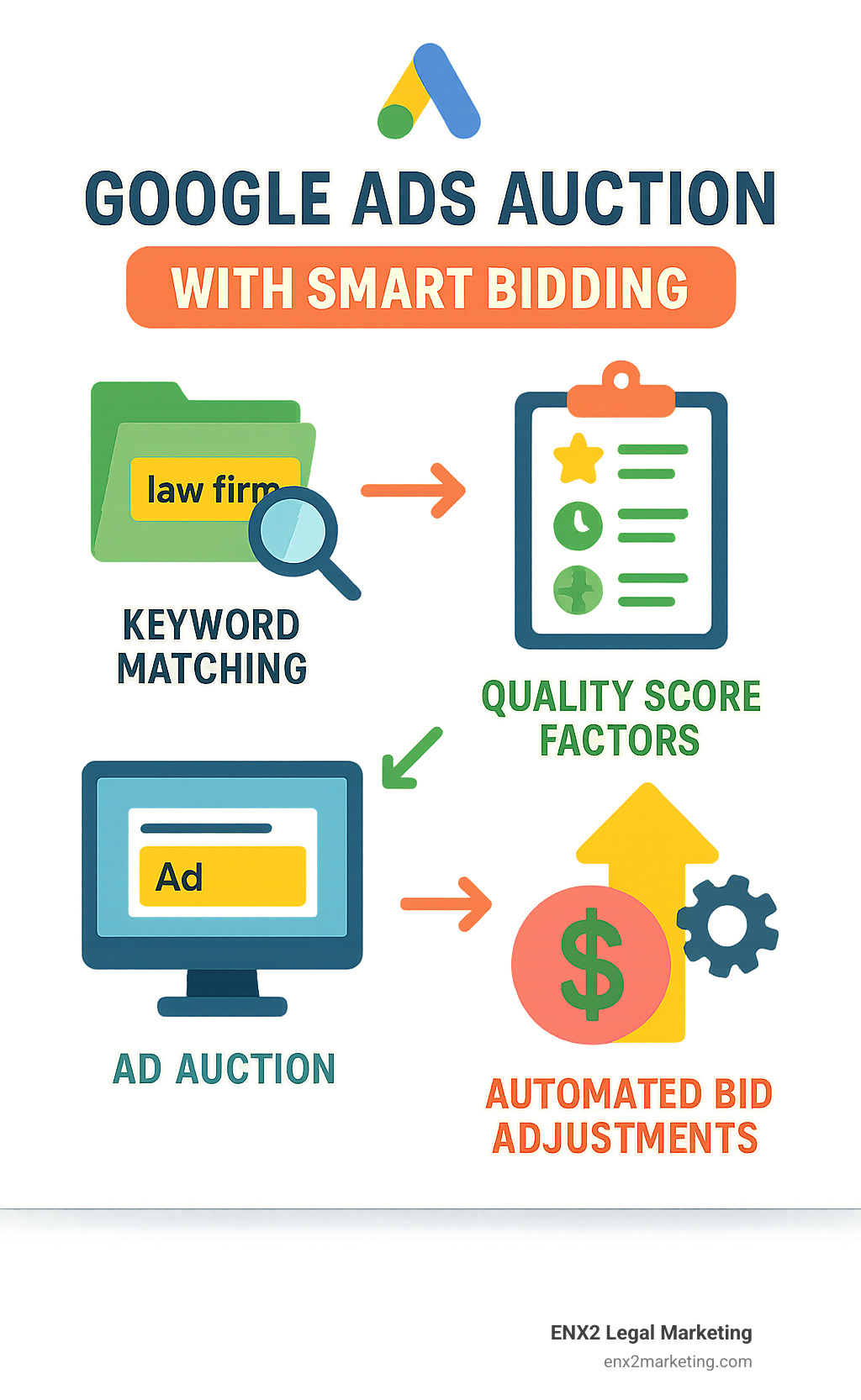
In 2026, Google's "Smart Bidding" (such as Target CPA or Maximize Conversions) is the standard. However, these tools require sufficient data to function. A new campaign for a foundation repair company may need to start with "Enhanced CPC" (Manual bidding with an AI assist) until the system records enough conversions to learn.
Budgeting for this niche requires a "Cost-Per-Acquisition" (CPA) mindset. If the average profit on a foundation job is $4,000, paying $150 for a qualified lead is highly sustainable. However, managers must track offline conversions. Often, a lead is generated online, but the sale happens three weeks later after an on-site inspection. Integrating your CRM (like Jobber or Salesforce) with Google Ads allows the algorithm to see which keywords actually lead to signed contracts, not just initial phone calls.
Integration with Local Services Ads (LSA)
For foundation repair companies, Google Local Services Ads (the "Google Guaranteed" checkmark) are a vital companion to traditional AdWords. Management should ensure that the LSA profile is fully optimized with high-quality photos and that the "responsive" time on lead disputes is maintained. LSAs are excellent for capturing "foundation repair near me" searches, while Search Ads are better for capturing specific technical queries like "cost of helical piers for settling foundation."
Advanced Reporting and KPIs
Measurement is the difference between an expense and an investment. When auditing AdWords management, look for these Key Performance Indicators (KPIs):
- Lead-to-Inspection Rate: What percentage of ad clicks result in a technician visiting a home?
- Cost Per Qualified Lead (CPQL): Filtering out "tire kickers" or renters who cannot authorize repairs.
- Impression Share: Are you losing out on visibility to competitors because of budget limits or low ad quality scores?
- Keyword Quality Score: Ensuring your ad copy and landing page are perfectly relevant to the user's search query to lower your CPC.
Common Pitfalls in Foundation Repair Campaigns
Many generalist agencies fail in this niche because they do not understand the technical nature of the work. Common errors include:
- Bidding on "DIY" terms: Foundation repair is not a DIY project for 99% of people. Keywords involving "how to fix" often attract people who won't hire a professional.
- Ignoring Negative Geo-targeting: Showing ads to people in apartment complexes or high-rises where the tenant doesn't own the foundation.
- Vague Ad Copy: Failing to mention specific solutions like "Slab Jacking" or "Piering," which helps pre-qualify the lead.
- Poor Mobile Experience: Most foundation repair leads in 2026 are generated on mobile devices. If the site takes more than three seconds to load, the lead is lost to the competitor.
FAQs about AdWords Management for Foundation Repair
Why is the cost per click so high for foundation repair?
The CPC is high because the "closeness to the money" is significant. A single job can net a contractor thousands of dollars in profit. Competitors are willing to bid $20–$50 per click because the Return on Ad Spend (ROAS) remains high if the conversion funnel is optimized.
Should I bid on my competitors' brand names?
In the foundation repair industry, bidding on competitors can be a double-edged sword. While it allows you to "steal" market share, it often results in lower click-through rates and higher costs. It is generally more effective to focus on high-intent service keywords unless you have a significant budget surplus and a very aggressive offer.
How long does it take to see results from a new campaign?
While ads go live almost immediately, a Google Ads campaign typically requires a 60-to-90-day "learning phase." During this period, the manager gathers data, refines the negative keyword list, and optimizes the bidding strategy based on real-world performance in your specific service area.
Do I really need a landing page, or is my website enough?
A dedicated landing page is almost always superior to a standard website. Websites have too many distractions (About Us, Careers, Blog). A landing page has one goal: getting the user to call or fill out a form. For foundation repair, this focus typically increases conversion rates by 20% to 50%.
How do I handle seasonal fluctuations in lead volume?
In 2026, smart managers use "seasonal adjustments" within Google Ads. During heavy rain seasons or extreme droughts, structural issues become more apparent to homeowners. Increasing budgets during these windows while scaling back during temperate months ensures a more efficient use of the annual marketing spend.
Practical Recommendation for 2026
If you are a foundation repair contractor looking to scale in 2026, begin by auditing your current conversion tracking. Ensure that your Google Ads account is "talking" to your CRM to track the actual revenue generated from every keyword. Prioritize a "Mobile-First" landing page with an integrated booking widget, and don't neglect the power of negative keywords to protect your budget from irrelevant traffic. For most mid-sized contractors, a hybrid approach—combining high-intent Search Ads with the trust-building "Google Guaranteed" LSA program—provides the most stable lead flow.