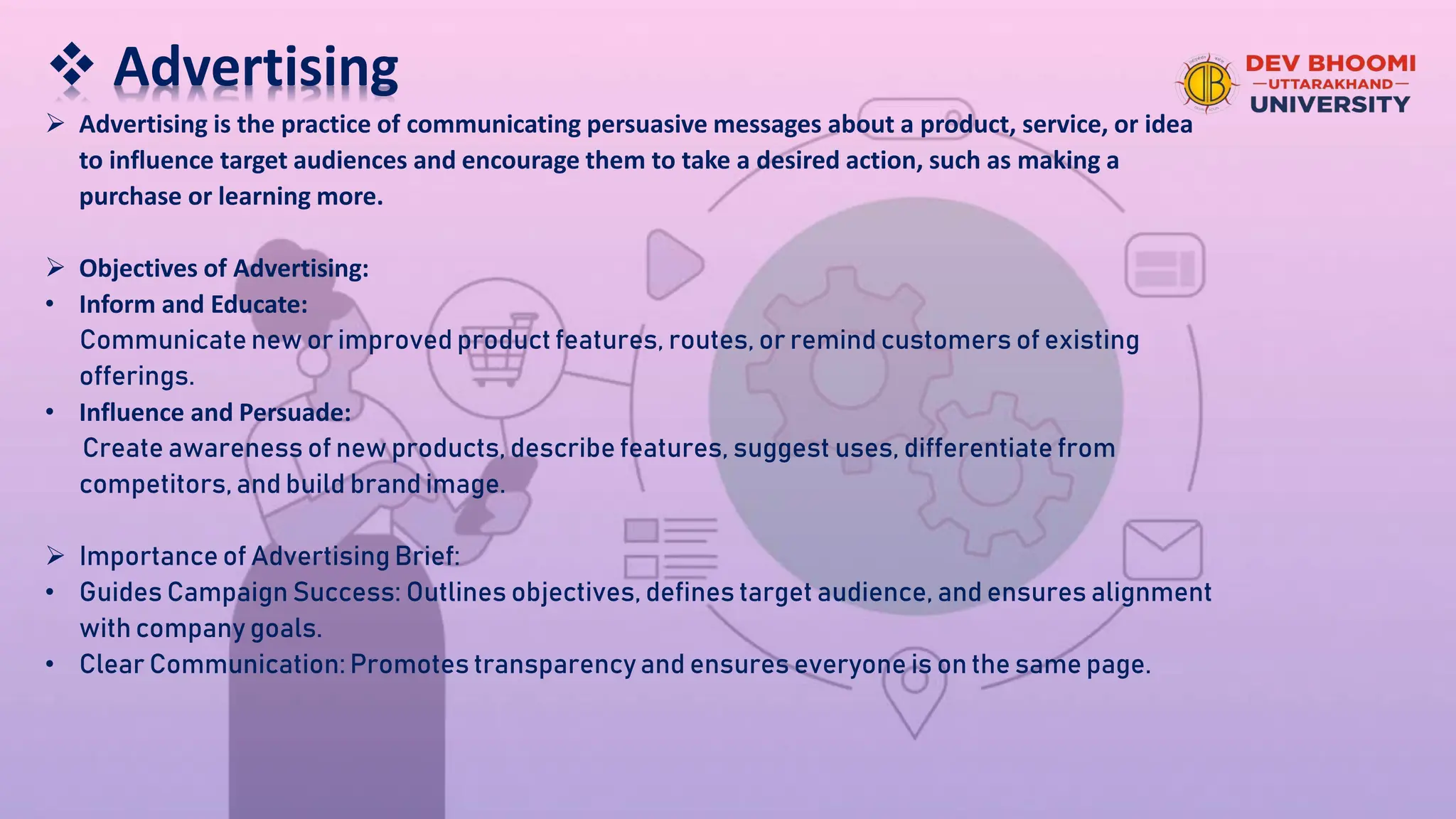
Advertising within integrated marketing communications functions as a synchronized component of a broader promotional strategy, ensuring that all brand touchpoints deliver a unified, consistent message to the target audience. By aligning paid media with public relations, direct marketing, digital outreach, and personal selling, organizations eliminate consumer confusion, build stronger brand equity, and maximize the return on their marketing investments.
Foundations of Integrated Marketing Communications
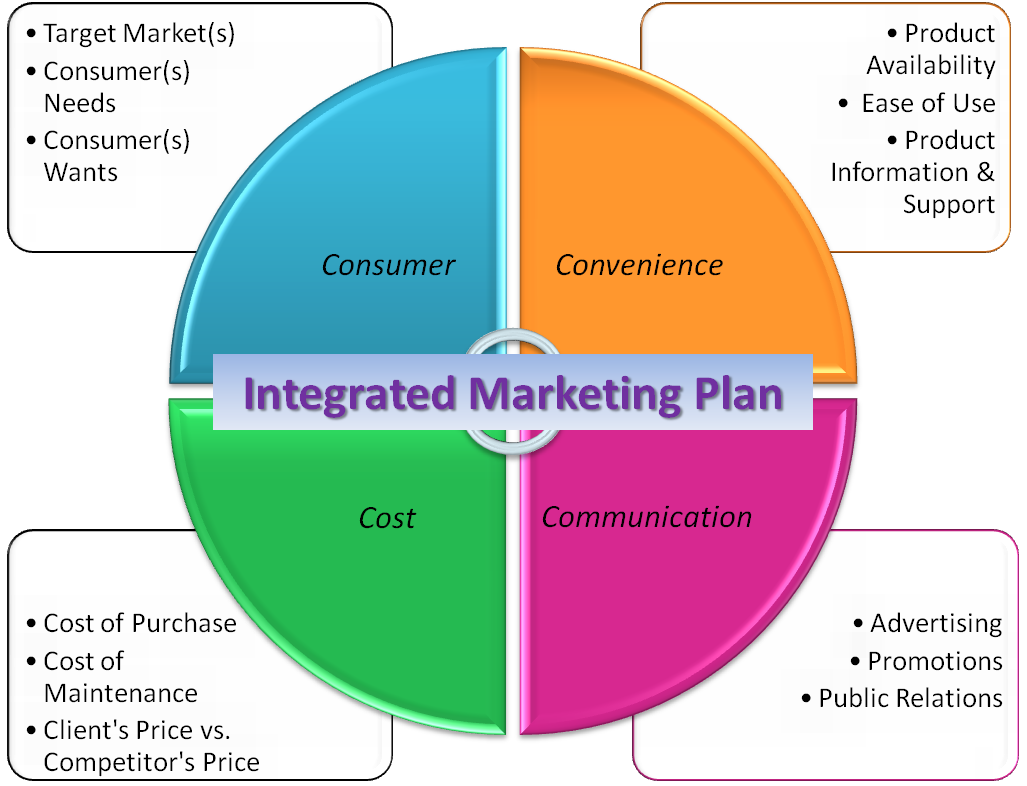
Integrated marketing communications (IMC) represents a strategic approach to brand promotion where multiple communication channels work together seamlessly. Historically, organizations managed advertising, public relations, sales promotion, and digital media in separate operational silos. This fragmentation often resulted in mixed messages, diluted brand identity, and inefficient spending. IMC solves this problem by placing the customer at the center of the communication strategy, ensuring that every interaction reinforces the same core brand values and strategic positioning.
At its core, advertising within an IMC framework is not an isolated creative exercise. Instead, it serves as an amplification engine for the brand’s overarching promise. Whether a consumer encounters a brand through a television commercial, a social media advertisement, an in-store display, or a public relations feature, the tone, visual identity, and core value proposition must remain consistent. This consistency accelerates the customer journey from initial awareness to final purchase and long-term loyalty.
Achieving this level of coordination requires a deep understanding of the target audience's media consumption habits and decision-making processes. Marketing strategists analyze data across various touchpoints to determine where and when advertising will have the highest impact. By integrating advertising data with insights from customer service, social listening, and direct sales, organizations can refine their messaging in real-time, creating a cohesive brand experience that outperforms fragmented promotional efforts.
The Role of Advertising within the Marketing Mix
The marketing mix traditionally consists of product, price, place, and promotion, with promotion encompassing advertising, public relations, personal selling, sales promotion, and direct marketing. Within this structure, advertising occupies a distinct role defined by its paid nature, broad reach, and ability to build long-term brand equity. However, when viewed through an IMC lens, advertising cannot operate independently of the other promotional elements.
| Promotional Element | Primary Function | Integration with Advertising |
|---|---|---|
| Public Relations (PR) | Build third-party credibility and manage media relations | Advertising campaigns can amplify positive press coverage, while PR events can provide fresh creative angles for ad copy. |
| Sales Promotion | Provide short-term incentives to accelerate purchase decisions | Digital and print ads actively promote limited-time discounts, rebates, or contests to drive immediate conversion. |
| Direct Marketing | Establish direct, measurable communication with targeted segments | Retargeting advertisements reinforce direct mail or email campaigns, keeping the brand top-of-mind. |
| Personal Selling | Engage in direct, interpersonal communication with prospective buyers | Business-to-business (B2B) advertising generates inbound leads that sales teams nurture and close. |
| Digital & Social Media | Foster two-way community engagement and user-generated content | Social ads capture active online behavior, driving traffic back to owned media channels and community hubs. |
Understanding how these elements intersect allows marketing directors to allocate budgets effectively. For instance, a major product launch might leverage television advertising for mass awareness, social media ads for interactive engagement, influencer partnerships for social proof, and in-store displays to capture point-of-purchase demand. When executed correctly, each channel supports and enhances the performance of the others.
Strategic Alignment and Message Consistency
Message consistency is the bedrock of effective integrated marketing communications. When consumers encounter conflicting claims or disparate visual identities across different channels, trust diminishes. Strategic alignment ensures that the creative strategy, tone of voice, and core messaging pillars remain anchored to the brand's positioning statement, regardless of the medium.
To achieve this alignment, organizations develop comprehensive brand style guides and creative briefs that dictate how advertising assets must be adapted for various platforms. A billboard advertisement requires bold, concise typography and imagery that can be processed in seconds, whereas a digital video ad can convey a more complex narrative. Despite these format-driven differences, the underlying emotional trigger, brand promise, and call to action must remain uniform.
Furthermore, message consistency extends beyond creative elements to encompass timing and tactical sequencing. A common strategic framework involves the "teaser, launch, and sustain" model. During the teaser phase, digital display ads build curiosity without revealing the full product. The launch phase utilizes mass-market advertising and PR announcements to introduce the offering. Finally, the sustain phase deploys targeted social media ads and direct marketing to capture residual interest and encourage repeat purchases.
Channel Selection and Media Synergy
Media synergy occurs when the combined effect of multiple media channels working together is greater than the sum of their individual effects. In an IMC strategy, selecting the right mix of advertising channels depends on audience demographics, psychographics, product complexity, and budget constraints. Advertisers evaluate channels based on reach, frequency, impact, and cost efficiency.
Paid search advertising captures high-intent consumers actively looking for specific solutions, while programmatic display and social media advertising build demand among broader demographic segments. Traditional media, such as television, radio, and print, still hold significant value for building mass awareness and establishing cultural authority, particularly for consumer-packaged goods and high-consideration purchases.
Synergy is maximized when cross-channel messaging encourages multi-screen or cross-platform behavior. For example, a television commercial featuring a unique hashtag encourages viewers to transition to social media platforms, where sponsored posts and user-generated content deepen engagement. By tracking consumer movement across these touchpoints using attribution modeling, marketers can optimize their media spending and eliminate redundancies.
Measuring Effectiveness and Campaign Attribution
Evaluating the performance of advertising within an integrated marketing communications framework requires moving beyond isolated channel metrics, such as cost-per-click or television ratings, to assess holistic brand impact and conversion lift. Because consumers interact with multiple touchpoints before making a purchase, single-source attribution models often fail to capture the true driver of a sale.
Advanced marketing analytics employ multi-touch attribution (MTA) and marketing mix modeling (MMM) to measure the incremental contribution of advertising relative to public relations, social media, and sales promotions. These models assign value to each touchpoint along the customer journey, enabling marketing teams to understand how an introductory display ad influenced a subsequent direct search and ultimate conversion.
Key performance indicators (KPIs) in an IMC campaign typically span multiple categories:
- Brand Awareness and Recall: Measured via tracking studies, share of voice, and aided/unaided recall metrics.
- Engagement and Interaction: Assessed through click-through rates, social shares, video completion rates, and time spent on owned media properties.
- Conversion and Sales Impact: Evaluated using return on ad spend (ROAS), customer acquisition cost (CAC), lifetime value (LTV), and total incremental sales lift.
Frequently Asked Questions
What is the primary difference between traditional advertising and integrated marketing communications?
Traditional advertising focuses on pushing paid promotional messages through individual, disconnected channels like television, print, or radio. Integrated marketing communications, by contrast, coordinates advertising with public relations, digital media, direct marketing, and sales promotion to deliver a unified, consistent brand message across all customer touchpoints.
How does advertising support public relations within an IMC strategy?
Advertising and public relations reinforce each other by amplifying reach and credibility. Advertising budgets can promote major corporate milestones or positive press coverage, while PR initiatives generate earned media that provides authentic validation for ongoing advertising campaigns.
Why is message consistency critical in integrated marketing communications?
Message consistency builds consumer trust and strengthens brand equity. When customers encounter a uniform value proposition, visual identity, and tone across television, social media, and in-store displays, cognitive friction is reduced, making the decision-making process faster and more intuitive.
What metrics should be used to measure an integrated advertising campaign?
Effective measurement requires a combination of brand health metrics (such as awareness and recall), digital engagement metrics (such as click-through and conversion rates), and financial metrics (such as return on ad spend and incremental sales lift) analyzed through multi-touch attribution models.
Can small businesses implement integrated marketing communications?
Yes, small businesses can execute IMC strategies by focusing on a select number of high-impact channels. By ensuring that their social media profiles, local advertising, email marketing, and customer service interactions all reflect the same core brand message, smaller enterprises can achieve strong market positioning without massive budgets.
Conclusion and Next Actions
Advertising within integrated marketing communications is an essential discipline for modern organizations seeking clarity, efficiency, and sustained market growth. By moving away from siloed promotional efforts and aligning paid media with public relations, direct marketing, and digital channels, brands can deliver a cohesive narrative that resonates deeply with consumers. To implement these principles effectively, marketing professionals should audit their current promotional touchpoints, establish cross-functional communication teams, and invest in robust attribution modeling to measure true campaign synergy.