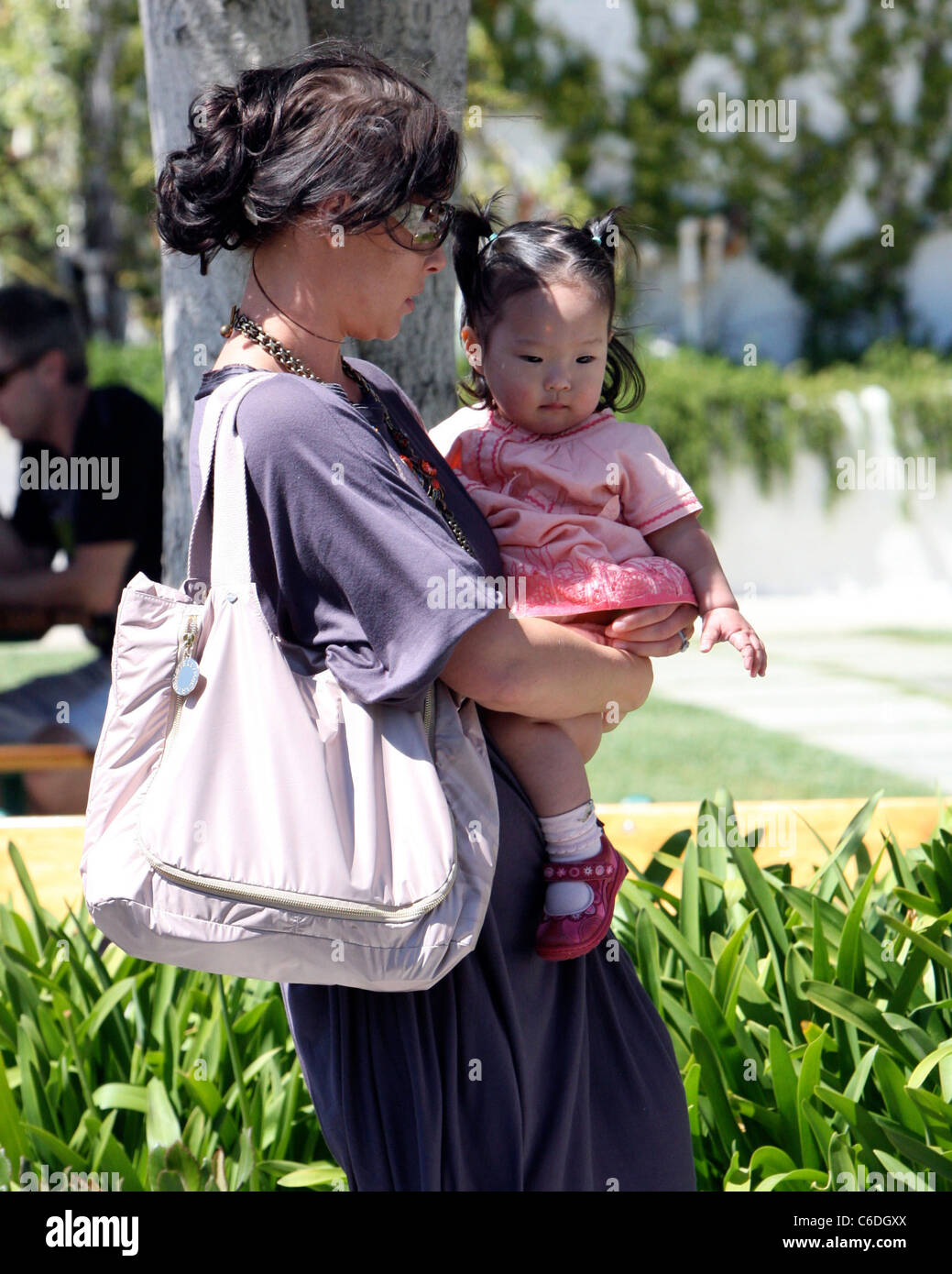
Katherine Heigl and husband Josh Kelley adopted their first daughter, Nancy Leigh (Naleigh), from South Korea in September 2009. The "truth" behind the adoption involves a complex blend of international legal processes, Naleigh’s recovery from a congenital heart defect, and Heigl’s candid public struggle with the emotional bonding process during her peak years on Grey’s Anatomy.
The story of Naleigh’s entry into the Heigl-Kelley family remains one of the most documented and discussed celebrity adoption cases. Beyond the red-carpet photos and social media updates, the narrative offers a raw look at the realities of international adoption, the challenges of "attachment," and the evolving identity of a transracial family. As of 2026, looking back at nearly two decades of this journey, we can see how these early struggles shaped the family’s advocacy and Naleigh’s own path into young adulthood.
The Origins: Why South Korea and the Inspiration of Family
The decision to adopt from South Korea was not a random choice for Katherine Heigl. It was deeply rooted in her own upbringing and family history. Heigl’s older sister, Meg, was adopted from South Korea years before Katherine was born. Growing up with an adopted sister meant that for Heigl, adoption was never a "Plan B" or a secondary option; it was a primary way she envisioned building a family.
Heigl has frequently noted that she and Josh Kelley discussed adoption even before they were engaged. While many couples turn to adoption after experiencing infertility, Heigl was vocal about her desire to adopt regardless of her biological capability. By choosing South Korea, she was honoring her family’s history and providing a cultural bridge between her sister’s experience and her own journey as a parent.
In late 2008, the couple began the intensive paperwork and vetting process required for international adoption. This process involves home studies, background checks, financial disclosures, and psychological evaluations. Because of Heigl's status as a high-profile actress, the scrutiny was significant, but the motivation remained grounded in a desire for a specific connection to her sister's heritage.
The Health Crisis: Naleigh’s Congenital Heart Defect
One of the most critical aspects of the "adoption truth" regarding Naleigh is the medical urgency that expedited her arrival in the United States. Naleigh (born Nancy Leigh Mi-Eun) was born with a ventricular septal defect (VSD), commonly known as a hole in the heart.
While VSD is a relatively common congenital heart defect, it requires careful monitoring and, in many cases, surgical intervention. Naleigh underwent open-heart surgery in South Korea before she was even a year old. Because of her medical status, her adoption was classified under "special needs" criteria, which sometimes allows for a faster placement process to ensure the child receives necessary follow-up care in their permanent home.
When Naleigh arrived in the U.S. in September 2009 at nine months old, she was still recovering. The stress of international travel, combined with the physical trauma of recent surgery and the change in caregivers, created a high-stress environment for both the infant and the new parents. Heigl has since reflected on this period as one of extreme anxiety, as she had to balance the joy of a new daughter with the clinical realities of monitoring a post-surgical infant.
The Hard Truth: The Bonding Struggle
Perhaps the most famous—and controversial—part of Naleigh’s adoption story is Katherine Heigl’s transparency about the lack of an immediate bond. In several candid interviews, Heigl admitted that Naleigh did not immediately take to her. Instead, the infant bonded almost instantly with Josh Kelley.
The "Wall" and Emotional Rejection
Heigl described Naleigh as having "a wall up" when she first arrived. While Kelley could easily soothe her, Naleigh often pulled away from Heigl. This dynamic is common in international adoptions, particularly when a child has spent months in a foster care system or a hospital setting, but it is rarely discussed by celebrities who often project a "perfect" family image.
The emotional toll on Heigl was significant. At the time, she was working 17-hour days on the set of Grey’s Anatomy. She often blamed her work schedule for the lack of connection, fearing that her absence was causing Naleigh to view her as a stranger. This led to a period of intense self-doubt, where Heigl questioned her capabilities as a mother and felt a sense of "failure" that resonated with many adoptive parents who face similar attachment hurdles.
Healing Through Patience
The "truth" of the matter is that bonding is often a marathon, not a sprint. It took months of intentional effort, "cocooning" (a practice where new adoptive parents limit the child's exposure to outsiders to strengthen the primary bond), and Heigl eventually stepping back from her demanding career to prioritize her relationship with Naleigh. By the time Naleigh was a toddler, the "wall" had crumbled, but the honesty with which Heigl spoke about those early days remains a touchstone for the adoption community.
Navigating a Transracial Family Identity
As Naleigh grew, the family faced the nuances of being a transracial family. Raising a South Korean child in a white household involves more than just love; it requires an active commitment to cultural preservation and acknowledging the racial differences that the world perceives.
Heigl and Kelley have been open about their efforts to keep Naleigh connected to her Korean roots. This included maintaining contact with her Korean culture through food, holiday celebrations, and open conversations about her origin story. As Naleigh entered her teenage years, these conversations shifted from simple "storytime" to more complex discussions about identity and heritage.
The couple eventually moved their primary residence from Los Angeles to a ranch in Utah. This move was largely motivated by a desire to provide Naleigh (and later her siblings) with a more grounded, private upbringing away from the paparazzi culture of Hollywood. In the quieter environment of Utah, Naleigh was able to grow up with a sense of normalcy that would have been nearly impossible in California.
The Expansion of the Heigl-Kelley Family
Naleigh’s adoption paved the way for the family’s growth. The experiences—both the challenges and the triumphs—of Naleigh’s early years informed how Heigl and Kelley approached their subsequent children.
| Child | Year of Join | Method | Key Fact |
|---|---|---|---|
| Naleigh | 2009 | International Adoption (South Korea) | Born with a heart defect; named after Heigl's mother and sister. |
| Adalaide | 2012 | Domestic Adoption (USA) | Adopted as a newborn from Louisiana. |
| Joshua Jr. | 2016 | Biological Birth | Heigl’s first pregnancy, described as a "surprise" later in life. |
The "truth" of their family dynamic in 2026 is one of integrated diversity. Naleigh, now a young adult, has played a significant role as the eldest sibling, helping her younger brother and sister navigate the unique world of having famous parents while maintaining their own individual identities.
Life in 2026: Naleigh as a Young Adult
As of 2026, Naleigh has grown into a poised young woman. Now 17, she is approaching the end of her high school years. While she has occasionally appeared on her mother’s social media or in controlled media segments, she has largely remained out of the tabloid spotlight.
Recent updates indicate that Naleigh has developed her own interests, including an interest in art and perhaps an inclination toward the music industry, mirroring her father’s career. However, the most profound "truth" of her life today is her health. The heart defect that once caused such panic during her adoption is a distant memory, managed successfully through early intervention and the high-quality care she received after arriving in the U.S.
The bond between Katherine and Naleigh, once so fragile, is now described by Heigl as her most profound relationship. The struggles of 2009 served as a foundation for a deep, hard-won mutual respect. Heigl often credits Naleigh with "making her a mother" in the truest sense—not just through the act of adoption, but through the labor of earning a child's trust.
Frequently Asked Questions
Why did Katherine Heigl choose to adopt from South Korea?
Heigl chose South Korea because her own sister, Meg, was adopted from there. She wanted her own family to reflect the diversity and history of her upbringing. It was a way to honor her sister's journey and maintain a familial link to Korean culture.
What was the health issue Naleigh had as a baby?
Naleigh was born with a ventricular septal defect (VSD), which is a hole in the wall separating the two lower chambers of the heart. She underwent successful open-heart surgery in South Korea before moving to the United States with Katherine and Josh.
Did Katherine Heigl struggle to bond with Naleigh?
Yes, Heigl has been very open about the fact that Naleigh initially bonded with Josh Kelley much more easily than with her. Heigl attributed this to her grueling work schedule on Grey's Anatomy and the natural trauma of Naleigh’s transition from Korea. It took several months of dedicated time for the bond to fully form.
How many children does Katherine Heigl have now?
As of 2026, Katherine Heigl and Josh Kelley have three children: Naleigh (adopted from South Korea in 2009), Adalaide (adopted domestically in 2012), and Joshua Jr. (born biologically in 2016).
Is Naleigh Kelley involved in the entertainment industry?
While Naleigh has grown up in a creative household and has shown interest in the arts, she has largely remained a private citizen as she finishes her education. She has not pursued a professional acting or singing career as of her late teens in 2026.
Lessons from the Heigl-Kelley Adoption Journey
The "adoption truth" of Naleigh’s life offers several vital takeaways for those considering international or transracial adoption. It highlights that love is a prerequisite, but patience and work are the daily requirements.
- Acknowledge the Trauma: Even infant adoptions involve a level of trauma due to the severance of the primary biological bond and the change in environment. Recognizing this "wall," as Heigl did, is the first step toward dismantling it.
- Medical Preparedness: Adopting a child with special needs (even "correctable" ones like VSD) requires a robust support system and the financial/emotional resources to handle surgeries and follow-up care.
- The Importance of Honesty: By speaking out about her bonding struggles, Heigl helped de-stigmatize the "post-adoption blues" and the reality that not every adoption results in an "instant" connection.
- Cultural Continuity: For transracial families, maintaining a connection to the child's birth culture is a lifelong commitment, not a one-time event.
If you are beginning your own adoption journey, the most practical next step is to research attachment-informed parenting and connect with a specialized adoption counselor. Understanding the psychological nuances of "coming home" can help prepare you for the emotional complexities that Katherine Heigl so famously navigated with Naleigh.