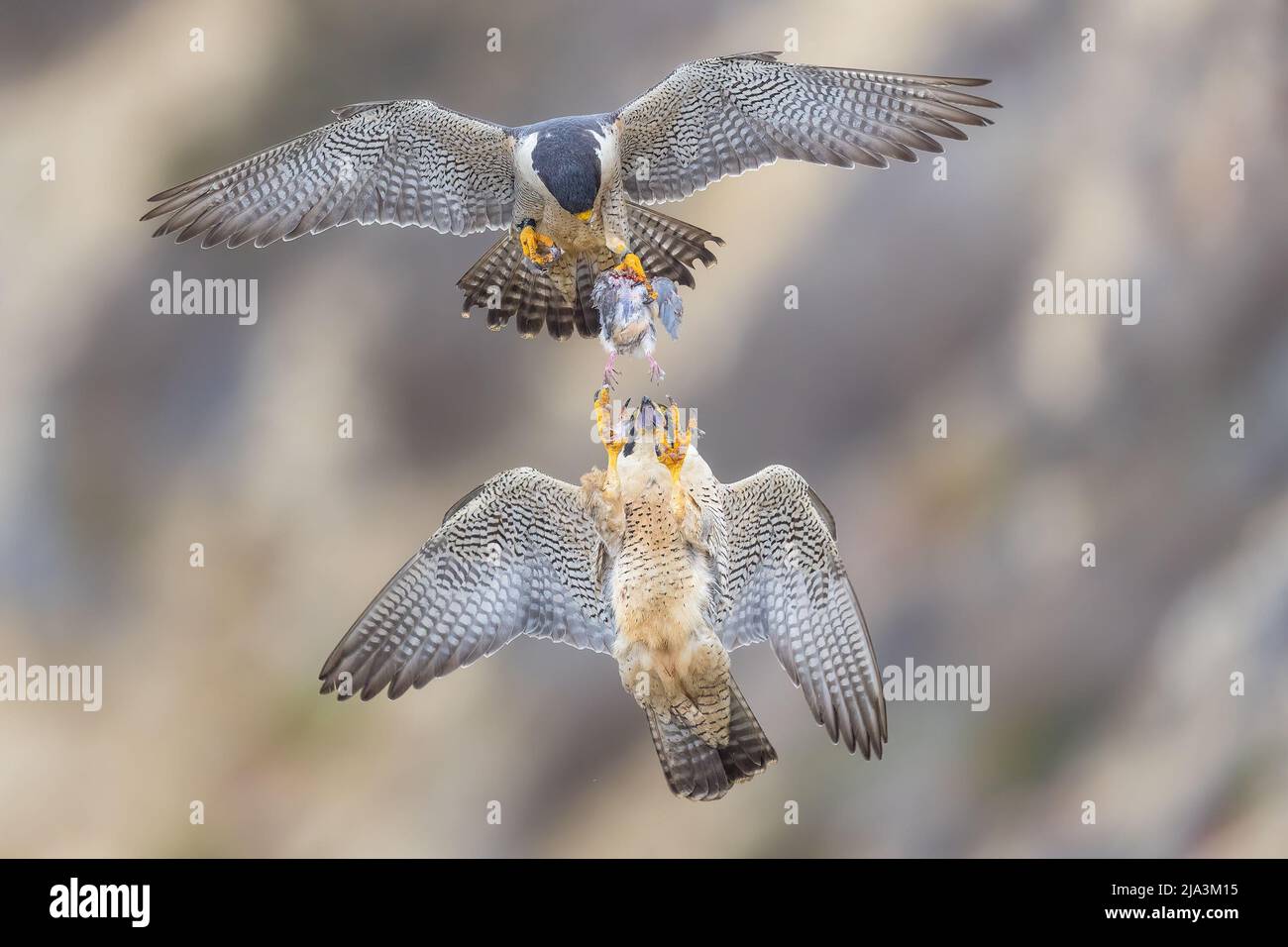
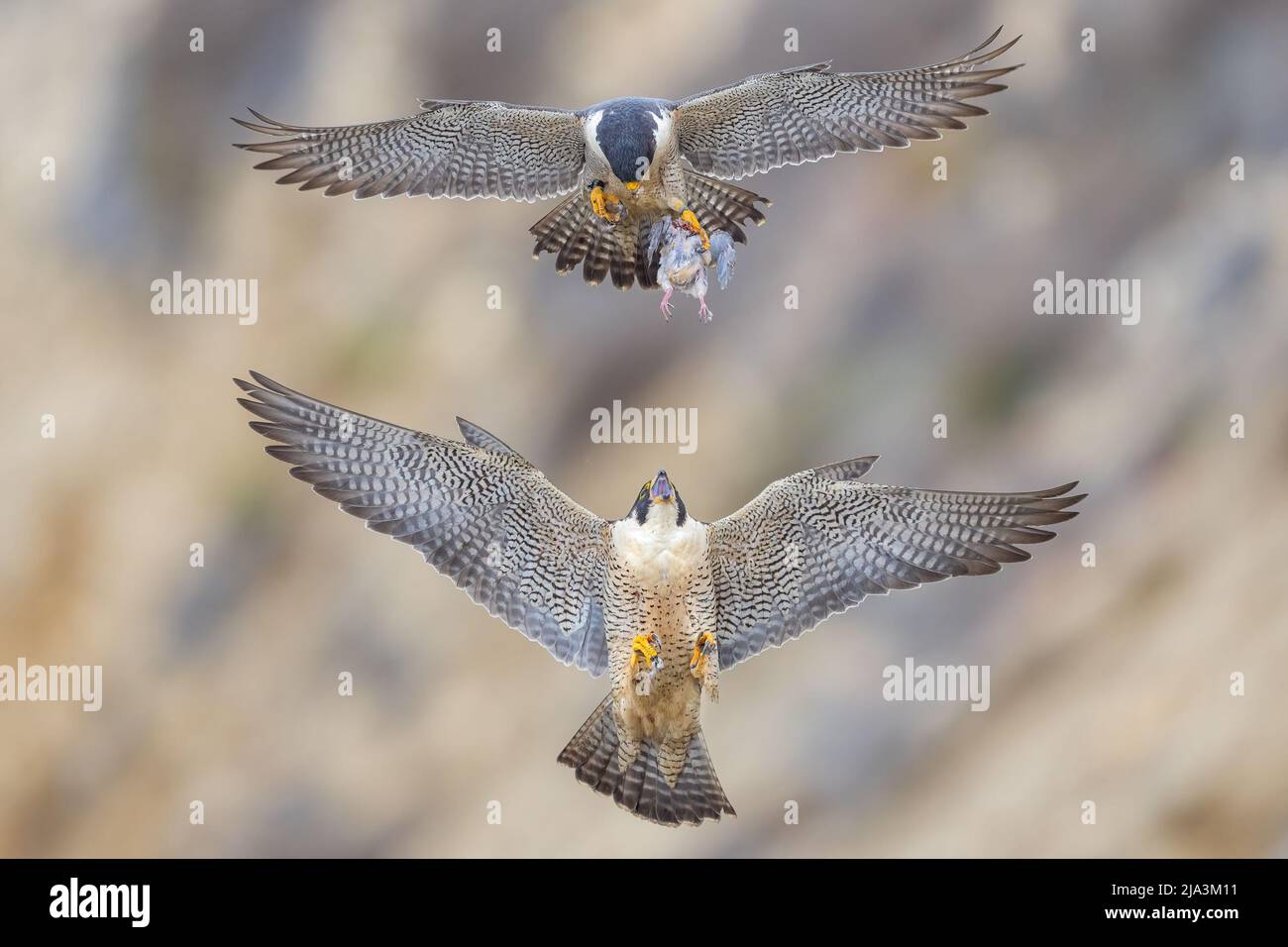
The peregrine falcon (Falco peregrinus) is widely recognized as the fastest animal on Earth, utilizing a suite of extraordinary anatomical, physiological, and behavioral adaptations to achieve vertical speeds exceeding 200 miles per hour (320 kilometers per hour) during its characteristic hunting stoop. These specialized traits span visual acuity, respiratory efficiency, cardiovascular resilience, and aerodynamic skeletal engineering, transforming the bird into an apex avian predator capable of intercepting fast-moving prey mid-air across nearly every continent.
Anatomical and Skeletal Engineering for High-Speed Flight
The physical architecture of the peregrine falcon is an exercise in aerodynamic efficiency and structural integrity. Every bone, muscle, and feather contributes to minimizing drag while withstanding the immense mechanical forces generated during high-velocity dives.
Aerodynamic Body Plan and Feathers
The falcon’s body is classically streamlined, featuring a tapering torso, pointed wings, and a short, stiff tail used as a rudder. Unlike the frayed or soft feathers of owls designed for silent flight, peregrine feathers are stiff, tightly interlocking, and smooth. This low-drag plumage prevents air turbulence from breaking up the laminar flow over the body during a high-speed stoop. The wings are swept back into a distinct arrow shape, allowing the bird to reduce its surface area drastically and punch through the atmosphere with minimal resistance.
Skeletal Adaptations and G-Force Resistance
When a peregrine falcon enters a stoop, it experiences severe gravitational and aerodynamic pressures that would cause blackouts or physical injury in many other animals. To counteract this, the skeleton features fused thoracic vertebrae and a deeply keeled sternum to anchor massive pectoral flight muscles. Most notably, the falcon possesses bony tubercles inside its nostrils. These small, conical structures act as baffles to deflect the high-pressure air rushing into the respiratory tract during a dive, slowing the airflow down so the bird can continue breathing normally without damaging its lungs or suffocating from the sheer velocity of the wind.
Specialized Visual and Neurological Systems
Speed is useless without precision targeting. The peregrine falcon’s sensory apparatus is fine-tuned to detect, track, and intercept fast-moving targets over vast distances and at extreme closing speeds.
Exceptional Acuity and Foveal Structure
A peregrine’s eyes are proportionally massive, accounting for a significant portion of its head weight, and are locked in place within bony sockets. To compensate for this immobility, the falcon can rotate its head through a wide arc. Its retina features two foveae (areas of acute visual concentration)—a central fovea for sharp distance vision and a temporal fovea for lateral and frontal tracking. This dual-foveal system allows the bird to maintain simultaneous focus on the horizon and a moving target, resolving details up to 2.6 times better than human vision.
Nictitating Membrane and Dynamic Tracking
During high-speed descents, the falcon protects its eyes using the nictitating membrane, a clear or translucent third eyelid. This membrane acts like biological safety goggles, clearing away debris, lubricating the eye with tears, and shielding the cornea from wind-shear desiccation without blocking vision. Neurologically, the falcon’s brain processes visual stimuli at a significantly higher flicker-fusion rate than humans, meaning it perceives motion in ultra-smooth continuity, avoiding the motion blur that would occur at 200 mph.
| Adaptation Category | Specific Feature | Primary Functional Benefit |
|---|---|---|
| Respiratory | Nasal Tubercle Baffles | Regulates and slows incoming high-pressure air during dives to prevent lung damage. |
| Vision | Dual Foveae | Provides sharp lateral and frontal focus to track fast-moving prey at a distance. |
| Skeletal | Fused Vertebrae & Deep Keel | Absorbs extreme G-forces and anchors powerful flight muscles. |
| Integumentary | Stiff, Low-Drag Feathers | Reduces aerodynamic turbulence and minimizes friction during high-speed stoops. |
Respiratory and Cardiovascular Superiority
Sustaining high-speed flight and managing the metabolic demands of an active predatory lifestyle require a specialized respiratory and circulatory infrastructure capable of delivering massive volumes of oxygen.
Avian Lung and Air Sac System
Like other birds, peregrines do not have dead-end lungs like mammals; instead, they operate a continuous-flow unidirectional respiratory system supported by a network of interconnected air sacs. Air moves through the lungs during both inhalation and exhalation, extracting maximal oxygen from every breath. This efficiency is critical at high altitudes or during steep dives when atmospheric pressure and oxygen density fluctuate rapidly.
High-Output Cardiovascular Engine
The falcon’s heart is exceptionally large relative to its body size, beating at rates that can exceed 600 beats per minute during intense exertion. This high cardiac output ensures that oxygenated blood reaches the brain, flight muscles, and sensory organs without interruption. Coupled with a high concentration of red blood cells and myoglobin in the muscle tissue, the cardiovascular system prevents hypoxia and metabolic fatigue during prolonged pursuits.
Behavioral and Hunting Strategies
Physical adaptations are complemented by sophisticated behavioral strategies that maximize hunting success while minimizing the risk of injury during impact with prey.
The Stoop and Kinetic Strike
The hallmark of peregrine hunting is the stoop—a high-altitude, vertical dive initiated from thousands of feet above the target. By folding its wings and altering its center of gravity, the falcon transforms into a living projectile. Rather than merely grabbing prey with its talons at terminal velocity (which could break the falcon's own legs), the bird typically executes a calculated strike using clenched talons to hit the quarrying bird (often doves, pigeons, or waterfowl) in mid-air. This kinetic blow either kills or incapacitates the prey instantly, allowing the falcon to catch the falling body or descend to retrieve it on the ground.
Cooperative Hunting and Terrain Exploitation
While peregrines are predominantly solitary hunters, breeding pairs occasionally hunt cooperatively during the nesting season. One falcon flushes prey from cover while the other positions itself for a high-altitude ambush. Additionally, wild falcons frequently use natural topography—such as sun glare, clouds, and cliff faces—to mask their approach, showcasing an opportunistic intelligence that adapts to local environmental variables.
Evolutionary Success and Global Distribution
The combination of these physiological traits has allowed Falco peregrinus to achieve one of the most successful natural distributions of any bird species. Found on every continent except Antarctica, peregrines thrive across diverse biomes, ranging from arctic tundras and coastal cliffs to hyper-arid deserts and modern urban skyscrapers. Urban centers mimic natural cliff habitats, providing abundant feral pigeon populations and high-rise nesting ledges, demonstrating the remarkable behavioral plasticity underlying their strict evolutionary adaptations.
Frequently Asked Questions
How fast can a peregrine falcon fly during a dive?
During its high-speed hunting stoop, a peregrine falcon can reach speeds exceeding 200 miles per hour (320 kilometers per hour). In level, flapping flight, their cruising speed is typically between 40 and 55 miles per hour.
How do peregrine falcons breathe while diving at such high speeds?
Bony tubercles located inside their nostrils act as internal baffles. These structures deflect the rushing air away from the respiratory tract, slowing down the airflow so the falcon can breathe comfortably without suffering lung damage or suffocation.
Why don't peregrine falcons black out during high-speed stoops?
Their respiratory system, large heart, and efficient cardiovascular network maintain optimal blood pressure and oxygenation. Additionally, their rigid skull structure and dense inner-ear architecture help stabilize equilibrium under extreme gravitational loads.
What kind of prey do peregrine falcons typically hunt?
Peregrine falcons feed almost exclusively on other medium-sized birds caught in mid-air, including pigeons, doves, starlings, waterfowl, and shorebirds. They rarely hunt mammals or reptiles unless avian prey is scarce.
Are peregrine falcons considered an endangered species?
While populations faced severe declines during the mid-20th century primarily due to the widespread agricultural use of organochlorine pesticides like DDT, subsequent bans and dedicated conservation breeding programs have successfully restored populations globally. They are currently classified as a species of Least Concern by the International Union for Conservation of Nature (IUCN).
Conclusion and Next Actions
Understanding the adaptations of the peregrine falcon offers profound insight into avian evolutionary biology and aerodynamics. For researchers, wildlife rehabilitators, and ornithology enthusiasts, studying these traits provides a baseline for evaluating raptor health, environmental conservation needs, and the mechanics of avian flight. To further explore this subject, review specialized ornithological journals, consult field guides on raptor identification, or support local raptor conservation and habitat protection initiatives.