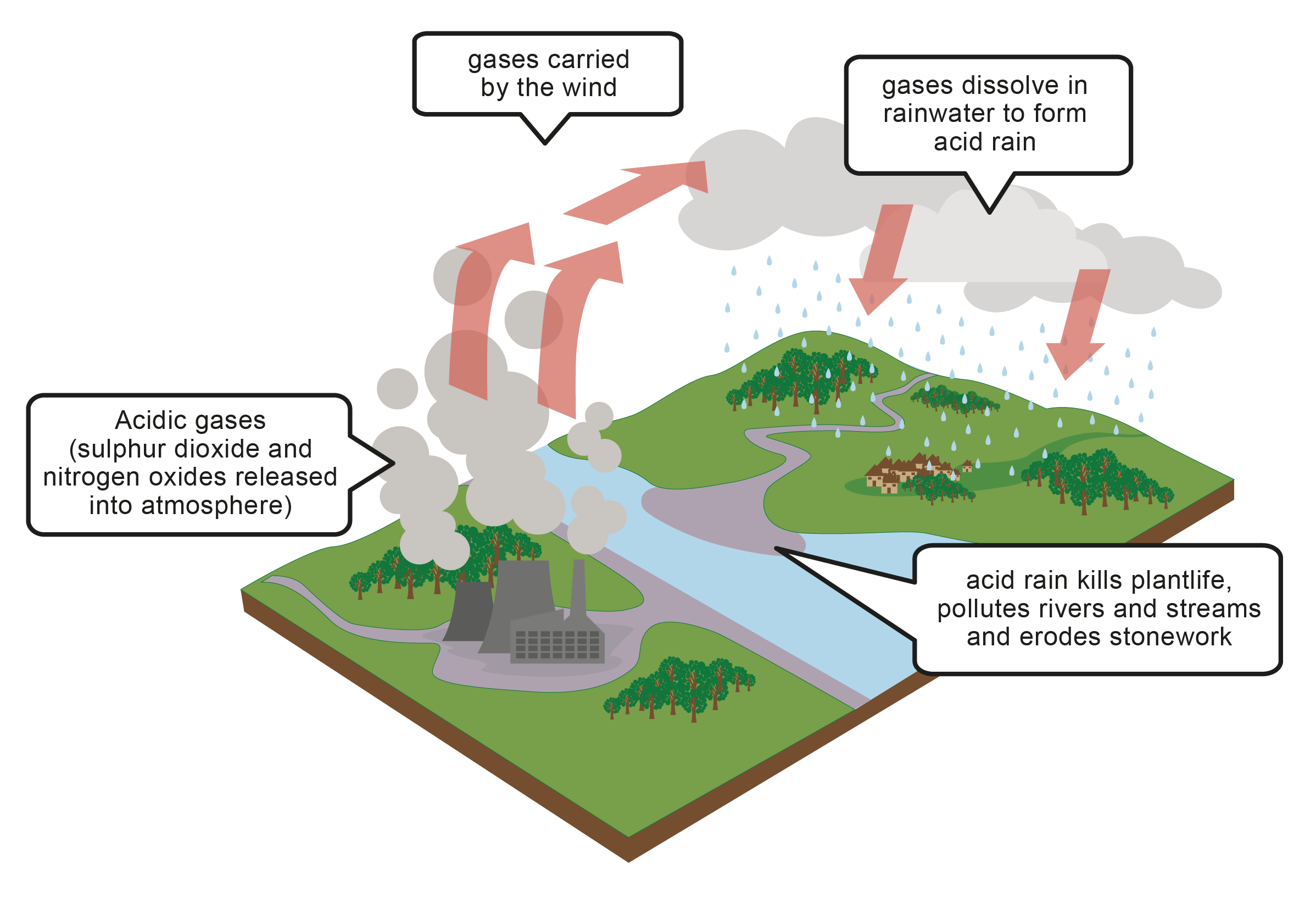
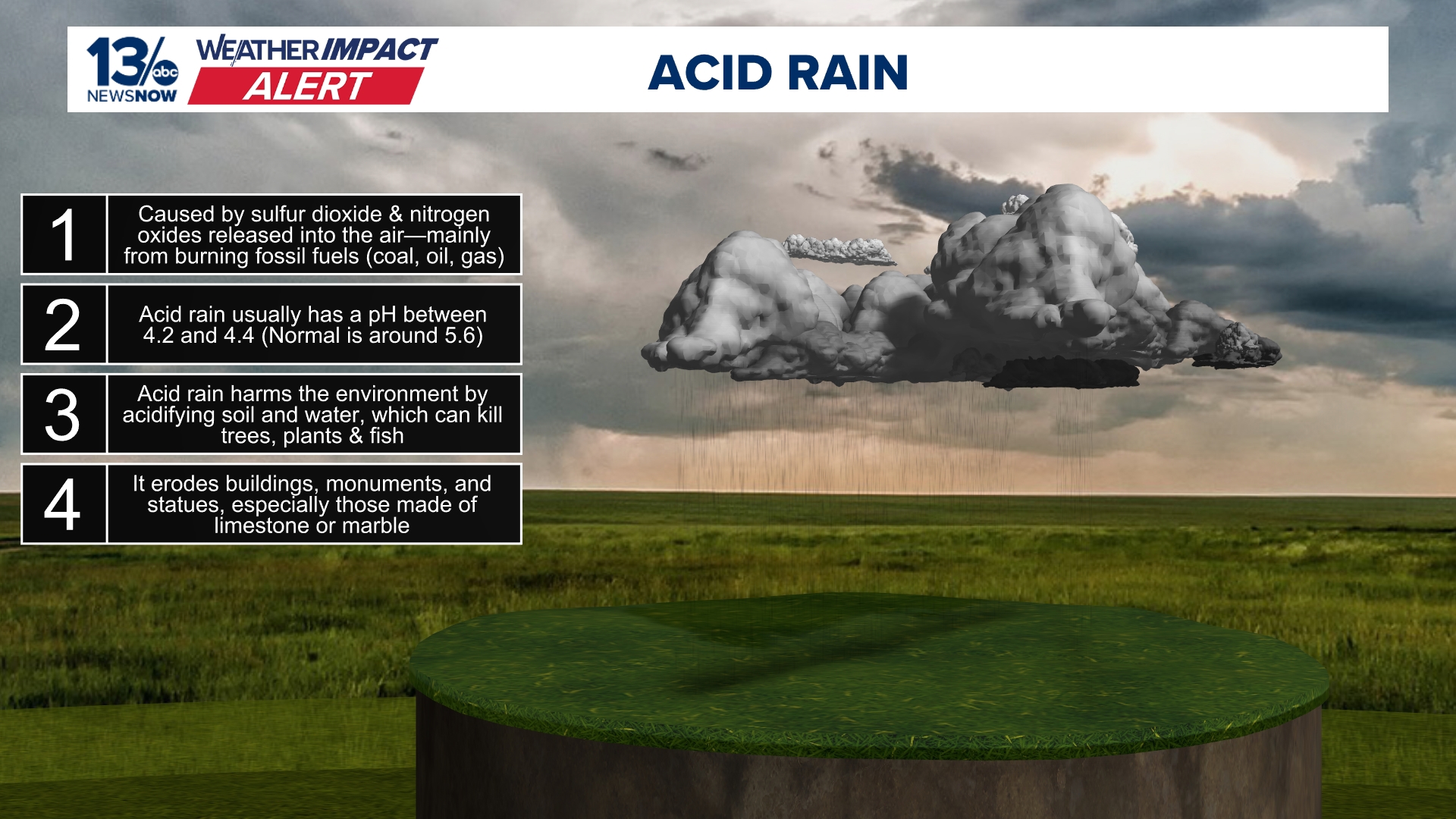
Acid rain refers to any form of precipitation—including rain, snow, fog, or dust—that contains high levels of nitric and sulfuric acids, primarily caused by the combustion of fossil fuels. These acidic components disrupt natural chemical balances in soil and water, leading to the acidification of lakes, the degradation of forest health, and the accelerated corrosion of man-made structures and cultural monuments.
The Chemistry Behind Acidification
Acid rain is not a singular phenomenon but a consequence of atmospheric chemistry. When sulfur dioxide ($SO_2$) and nitrogen oxides ($NO_x$) are emitted into the atmosphere by power plants, industrial facilities, and vehicle exhausts, they react with water, oxygen, and other chemicals to form sulfuric and nitric acids. These compounds then disperse over vast distances before falling to the earth in a diluted state.
The "acid" quality is measured using the pH scale. While "clean" rain is slightly acidic with a pH of about 5.6, acid rain typically possesses a pH between 4.2 and 4.4. This seemingly small drop on a logarithmic scale represents a significant increase in hydrogen ion concentration, which is sufficient to trigger systemic changes in various environments.
Impacts on Aquatic Ecosystems
The most immediate and visible harm caused by acid rain occurs in freshwater ecosystems, such as lakes, streams, and marshes. Many aquatic organisms have a narrow tolerance for pH changes. As acidic precipitation enters these water bodies, it reduces the alkalinity of the water.
Aluminum Toxicity
When water becomes more acidic, it leaches aluminum from the soil and rocks surrounding the water source. This aluminum is then washed into lakes and streams. Aluminum is highly toxic to fish and many aquatic invertebrates. It clogs the gills of fish, eventually leading to suffocation. Furthermore, at lower pH levels, the reproductive cycles of amphibians, such as frogs and salamanders, are disrupted, as their eggs fail to hatch or hatch with lethal deformities.
Biodiversity Loss
As sensitive species die off, the entire food chain suffers. Phytoplankton and zooplankton, which serve as the base of the aquatic food web, decline in number. This causes a ripple effect, reducing the food availability for small fish, which in turn leads to a decrease in populations of larger predators, including birds and mammals that rely on these aquatic environments for sustenance.
Forest and Soil Degradation
Terrestrial ecosystems face long-term damage from acid rain, primarily through the alteration of soil chemistry. Healthy soil requires a delicate balance of nutrients, including calcium and magnesium, to support plant growth.
Nutrient Leaching
Acid rain promotes the "leaching" process, where essential nutrients are washed out of the soil before plants can absorb them. Simultaneously, the increased acidity makes toxic metals like aluminum more mobile. Tree roots, damaged by both the lack of nutrients and the presence of toxic aluminum, struggle to absorb the water and minerals necessary for survival.
Sensitivity to Environmental Stress
Trees weakened by acid rain become significantly more vulnerable to other environmental stressors. These include:
- Drought: Stunted root systems cannot access deep-water reserves.
- Insects and Disease: Weakened cell structures make trees susceptible to infestation by pests like bark beetles.
- Cold Stress: Acid-damaged leaves and needles lose their protective coatings, making them more susceptible to freezing temperatures.
Damage to Infrastructure and Cultural Heritage
Beyond biological systems, acid rain exerts a corrosive effect on the built environment. This is a significant concern for civil engineers and historians alike, as the cost of maintenance and repair for public infrastructure continues to rise.
Materials Vulnerability
Materials that are sensitive to acidic reactions include limestone, marble, and certain metals. Calcium carbonate, the primary component of limestone and marble, reacts directly with the sulfuric acid in rain to form gypsum, which is water-soluble and easily washed away. This process leads to:
- Surface Erosion: Detailed carvings on statues and buildings lose their structural integrity and aesthetic value.
- Metal Corrosion: Acid rain accelerates the rusting process in steel and iron, which can compromise the structural safety of bridges, railways, and industrial equipment.
Economic Costs
The damage to buildings and infrastructure is not merely aesthetic. Governments and private owners must allocate significant financial resources to replace degraded stone, repaint steel structures more frequently, and perform deeper structural maintenance. In cities with historic infrastructure, the challenge is amplified because original materials often cannot be easily replicated or replaced without altering the historical character of the site.
Comparison of Environmental Impacts
| Impact Area | Mechanism of Damage | Primary Consequence |
|---|---|---|
| Aquatic | Aluminum leaching | Gill damage in fish and reproductive failure |
| Forestry | Nutrient leaching | Reduced growth and increased disease susceptibility |
| Soil | Cation exchange | Depletion of calcium and magnesium |
| Infrastructure | Chemical weathering | Erosion of limestone, marble, and metallic corrosion |
FAQ: Understanding Acid Rain Risks
1. Is acid rain dangerous to human health? Direct contact with acid rain is not physically different from walking in regular rain; it does not burn human skin. However, the pollutants that cause acid rain—$SO_2$ and $NO_x$—are harmful when inhaled. They contribute to respiratory issues such as asthma, bronchitis, and chronic obstructive pulmonary disease (COPD).
2. Can buildings be protected from acid rain? Yes, though it is costly. Protective coatings, such as specialized sealants, can be applied to stone surfaces to repel moisture. Engineers also use corrosion-resistant alloys for infrastructure projects to mitigate the reactive nature of acid rain on metals.
3. Does acid rain affect groundwater quality? Generally, soil acts as a buffer, neutralizing much of the acidity before it reaches deep groundwater aquifers. However, in regions with very thin or low-alkalinity soil, groundwater can become slightly acidified, potentially leading to increased heavy metal concentrations in private well water.
4. Has acid rain decreased in recent years? Yes. In many parts of North America and Europe, legislation such as the Clean Air Act has mandated significant reductions in power plant emissions. While the problem persists due to the legacy of pollutants in the soil and continued emissions elsewhere, total levels of acid rain have trended downward since the late 20th century.
5. Why are high-altitude forests most affected? High-altitude forests are often exposed to "acid fog" or clouds, which have a much higher concentration of pollutants than regular rain. These forests are also subjected to more extreme weather, which compounds the stress caused by chemical imbalances in the soil.
Practical Next Steps for Mitigation
Addressing the harmful effects of acid rain is primarily a policy and industrial challenge, but individual actions contribute to the broader solution. Reducing personal energy consumption—thereby decreasing the demand on power plants that burn fossil fuels—is the most effective way to lower one's personal footprint regarding $SO_2$ and $NO_x$ emissions.
For those living in regions historically impacted by acid rain, checking local water quality reports for your private well or municipal supply is a prudent step to ensure that potential leaching of metals (like copper or lead) is being managed through proper filtration or water treatment systems. If you are responsible for historical or limestone-based structures, consulting with a stone conservation expert regarding specialized sacrificial coatings can prevent irreversible damage to sensitive surfaces.