Reliable AC repair in Fort Lauderdale, FL, requires addressing the unique challenges of a high-humidity, salt-air environment. Professional repairs focus on restoring mechanical efficiency, managing condensate drainage, and ensuring refrigerant levels meet 2026 environmental standards. Property owners should prioritize licensed contractors to navigate Florida’s strict HVAC regulations and high-efficiency SEER2 requirements.
The subtropical climate of South Florida places an immense burden on residential and commercial cooling systems. In Fort Lauderdale, air conditioning is not merely a comfort feature; it is a critical utility for managing indoor air quality and preventing structural damage from moisture. As of 2026, the landscape of AC repair has evolved, influenced by new refrigerant mandates and the integration of smart diagnostic tools. Understanding the mechanics of local HVAC failure and the logistical requirements for repair is essential for every homeowner in Broward County.
The Impact of the South Florida Climate on Cooling Systems
Fort Lauderdale’s environment is particularly hostile to mechanical cooling systems. The combination of intense heat, humidity levels that frequently exceed 80%, and the corrosive nature of salt air from the Atlantic Ocean creates a "perfect storm" for component degradation.
Salt-Air Corrosion and Galvanic Action
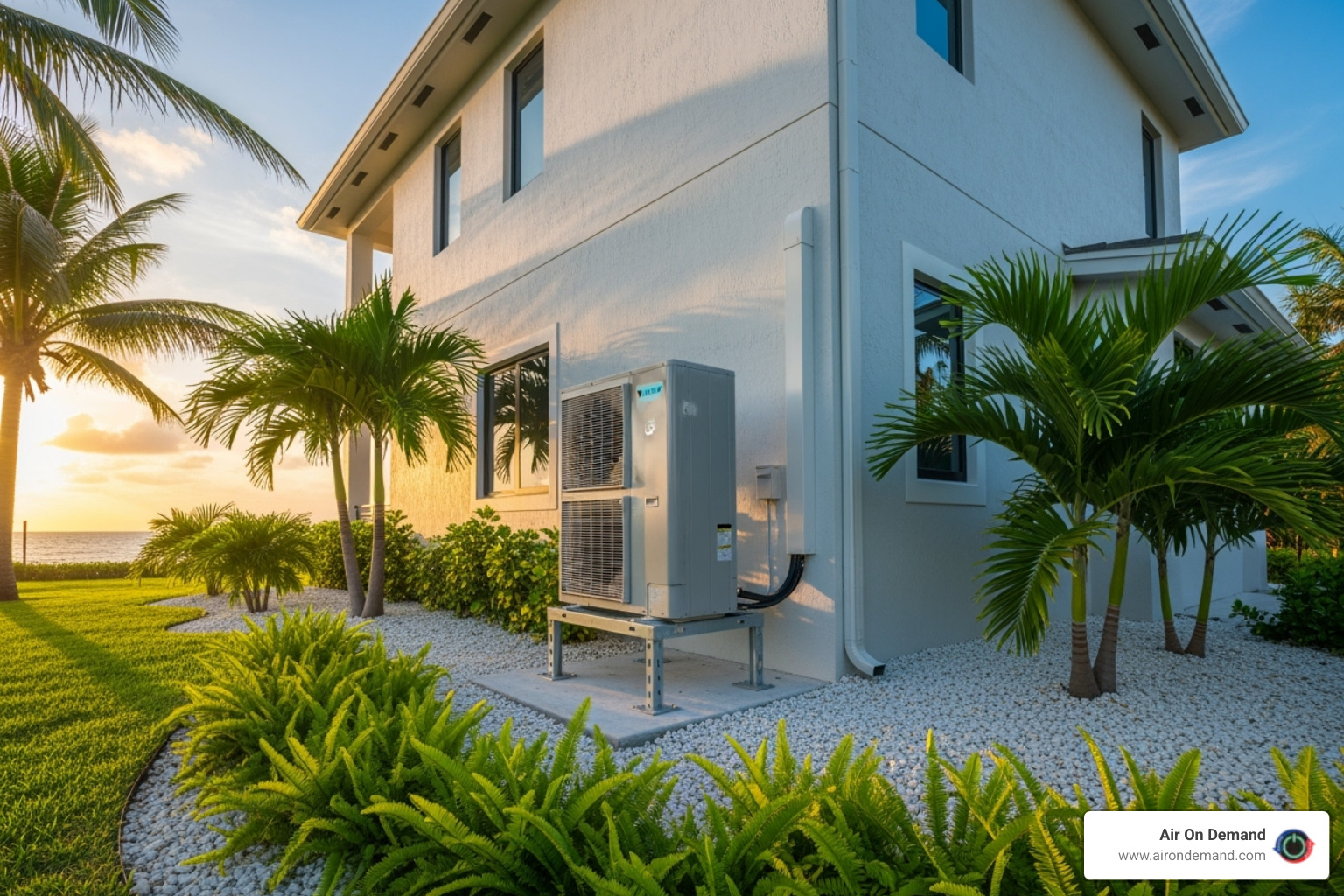
For properties located east of I-95, and especially those near the Intracoastal Waterway or the beach, salt-air corrosion is the leading cause of premature system failure. Salt particles settle on the outdoor condenser coils, leading to a process called pitting. This corrosion thins the aluminum fins and copper tubing, reducing the system's ability to dissipate heat. Over time, this results in refrigerant leaks that are often non-repairable, necessitating a full coil or unit replacement.
Humidity and Biological Growth
In a typical Fort Lauderdale summer, an air conditioner acts as a massive dehumidifier. A standard 3-ton unit can pull over 15 gallons of water from the air per day. This constant moisture creates a breeding ground for algae and mold within the primary drain pan and the condensate line. Without regular professional flushing and the use of antimicrobial treatments, these lines clog, leading to water backups that can damage drywall and flooring.
Common AC Repair Needs in Fort Lauderdale
Understanding the most frequent failure points allows homeowners to identify issues before they escalate into total system shutdowns.
Capacitor and Electrical Failures
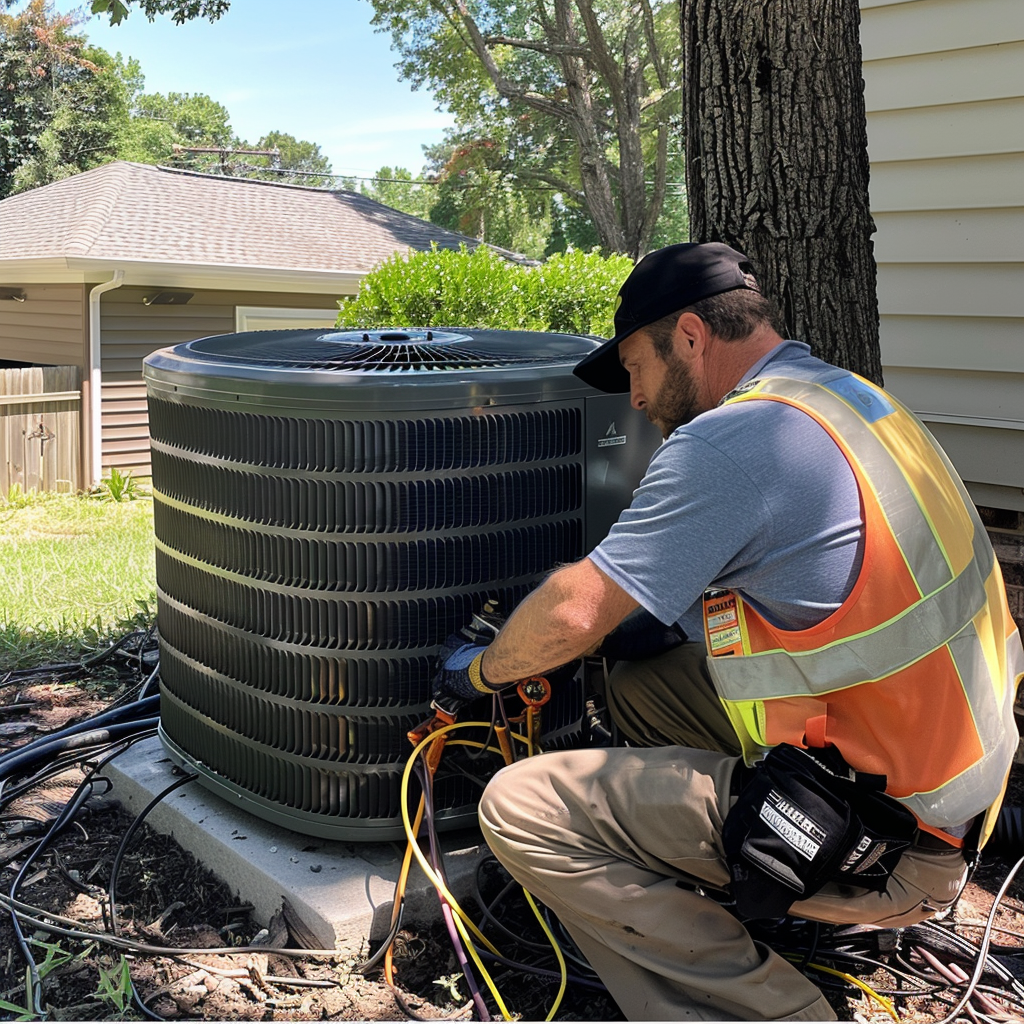
The intense heat in South Florida causes electrical components to work harder. The start/run capacitor, which provides the initial "jolt" to start the compressor and fan motor, is the most common part to fail. High ambient temperatures degrade the electrolyte inside the capacitor. If your outdoor unit is humming but the fan isn't spinning, a blown capacitor is the likely culprit.
Refrigerant Leaks and the A2L Transition
By 2026, the HVAC industry has largely transitioned away from R-410A toward "mildly flammable" A2L refrigerants like R-454B and R-32, as mandated by the Environmental Protection Agency (EPA). If an older system develops a leak in the evaporator or condenser coil, the cost of R-410A has become prohibitively expensive due to supply phase-downs. Repairs now often involve weighing the cost of a refrigerant recharge against the long-term benefits of upgrading to a modern, A2L-compliant system.
Fan Motor and Compressor Issues
The compressor is the "heart" of the AC system. In Fort Lauderdale, compressors often fail due to "short-cycling," which occurs when a system is oversized or when a thermostat is faulty. Fan motors, both indoor and outdoor, are also prone to bearing failure due to the relentless run-times required to maintain a 72-degree indoor temperature against 95-degree outdoor heat.
Technical Standards and Florida Regulations
Florida has some of the most stringent requirements for HVAC work in the United States. This is designed to protect consumers from "fly-by-night" operators who may not understand the complexities of high-velocity hurricane zones (HVHZ).
Licensing Requirements
Any individual or company performing AC repair in Fort Lauderdale must hold a license from the Florida Department of Business and Professional Regulation (DBPR). There are two main types:
- Class A State Certified Contractor: Can work on any size unit anywhere in the state.
- Class B State Certified Contractor: Limited to systems up to 25 tons of cooling and 500,000 BTU of heating.
Hiring an unlicensed technician is not only a safety risk but can also void your manufacturer's warranty and lead to fines from the City of Fort Lauderdale building department.
SEER2 and Efficiency Mandates
In 2026, all new installations and major repairs must account for SEER2 (Seasonal Energy Efficiency Ratio 2) standards. These standards, updated by the U.S. Department of Energy, require higher external static pressure during testing, more accurately reflecting the conditions of a real-world Florida home. Repairs on older, lower-SEER units are becoming more complex as compatible parts become harder to source.
Navigating the Repair vs. Replacement Decision
In the heat of a Broward summer, a broken AC feels like an immediate emergency. However, property owners must decide if a repair is a sound investment or a "band-aid" on a terminal system.
The "5,000 Rule"
A common industry benchmark is the 5,000 rule: multiply the age of the unit by the cost of the repair. If the total exceeds $5,000, replacement is generally recommended. For example, a 10-year-old unit requiring a $600 repair ($6,000 total) is a candidate for replacement, especially considering the efficiency gains of newer models.
Warranty Considerations
Most major brands (Carrier, Trane, Rheem, Lennox) offer 10-year parts warranties if the unit was registered at the time of installation. In 2026, many homeowners are finding that while parts are covered, the cost of labor and refrigerant—which are rarely covered by manufacturer warranties—can still reach several thousand dollars.
2026 Estimated Cost Guide for AC Repairs in Fort Lauderdale
The following table provides a snapshot of expected costs for common AC repairs in the South Florida market. These figures reflect labor rates and material costs specific to the Fort Lauderdale metropolitan area.
| Repair Category | Estimated Cost (2026) | Typical Labor Time | Urgency Level |
|---|---|---|---|
| Capacitor Replacement | $250 – $475 | 1 Hour | High |
| Condensate Line Flush | $175 – $350 | 1 Hour | Medium |
| Blower Motor Repair | $600 – $1,200 | 2–3 Hours | Critical |
| Evaporator Coil (Partially Covered) | $1,500 – $2,800 | 4–6 Hours | Critical |
| Thermostat Replacement (Smart) | $350 – $750 | 1–2 Hours | Low |
| Refrigerant Recharge (R-410A) | $150 – $250 per lb | 1–2 Hours | High |
| Contactors/Relays | $200 – $400 | 1 Hour | High |
The Role of Preventative Maintenance
In Fort Lauderdale, preventative maintenance is the primary defense against catastrophic mid-summer failure. Most local experts recommend a bi-annual service schedule: once before the peak heat of May and once after the peak of hurricane season in October.
Hurricane Season Preparedness
Hurricane season (June 1 – November 30) introduces unique risks. Repairs often stem from power surges or debris hitting the outdoor unit. In 2026, many repair services include the installation of surge protectors specifically designed for HVAC electronics, which can save a homeowner from a $1,000 control board replacement after a lightning strike.
The Importance of Air Filtration
The sandy soil and high pollen counts in Florida mean that filters clog faster than in other regions. Using a filter with a MERV rating of 8 to 11 is generally recommended for residential systems. Higher MERV ratings can restrict airflow too much, causing the evaporator coil to freeze and leading to an expensive service call.
Emergency AC Repair Services
Fort Lauderdale is a 24/7 city, and most reputable HVAC companies offer emergency services. However, "emergency" usually implies a total loss of cooling or a significant water leak. If your system is still cooling but making a strange noise, it is often more cost-effective to schedule a standard service call during business hours to avoid "after-hours" dispatch fees, which can range from $150 to $300 in the Broward area.
Indicators You Need Immediate Repair:
- Icing on the lines: Visible ice on the copper pipes indicates a refrigerant leak or severe airflow restriction.
- Acrid Smell: A "burning" or ozone smell usually indicates an electrical component or motor is failing.
- No Airflow: If the thermostat is on but no air is moving, the blower motor or control board has likely failed.
- Water in the Emergency Pan: If you see water in the secondary pan (usually suspended under the unit in an attic or closet), your primary drain is 100% blocked.
Frequently Asked Questions
Why is my AC running but the house isn't getting cooler?
This is typically caused by a dirty evaporator coil, a refrigerant leak, or a failing compressor. In Fort Lauderdale, it can also be due to high humidity levels making the air "feel" warmer than the thermostat setting. Check your air filter first; a clogged filter is the most common cause of reduced cooling capacity.
How often should I have my AC serviced in Fort Lauderdale?
Due to the year-round operation of units in South Florida, professional maintenance should be performed twice a year. This ensures that the drain lines are clear of algae and that the salt-air corrosion on the condenser coils is managed through professional cleaning.
Can I still get parts and refrigerant for an older R-410A system?
Yes, as of 2026, parts and R-410A refrigerant are still available, but costs have increased significantly. The EPA's phase-down schedule has reduced the production of R-410A, making it a "legacy" product. Many homeowners are choosing to replace systems older than 12 years rather than investing in expensive refrigerant repairs.
Is it normal for my AC to smell like "dirty socks"?
This is known as "Dirty Sock Syndrome," caused by bacterial growth on the evaporator coils. It is common in humid climates like Fort Lauderdale. A professional technician can treat the coils with specialized cleaners or install UV lights to kill the organic growth and eliminate the odor.
Does homeowners insurance cover AC repair?
Standard homeowners insurance typically only covers AC repair or replacement if the damage is caused by a "covered peril," such as a fire, lightning strike, or a fallen tree during a hurricane. It does not cover normal wear and tear, age-related failure, or lack of maintenance.
What is the average lifespan of an AC unit in Fort Lauderdale?
While units in drier or cooler climates may last 15 to 20 years, the average lifespan of an air conditioner in Fort Lauderdale is 8 to 12 years. The constant run-time and salt-air exposure accelerate the degradation of the mechanical and chemical components.
Practical Recommendation for Homeowners
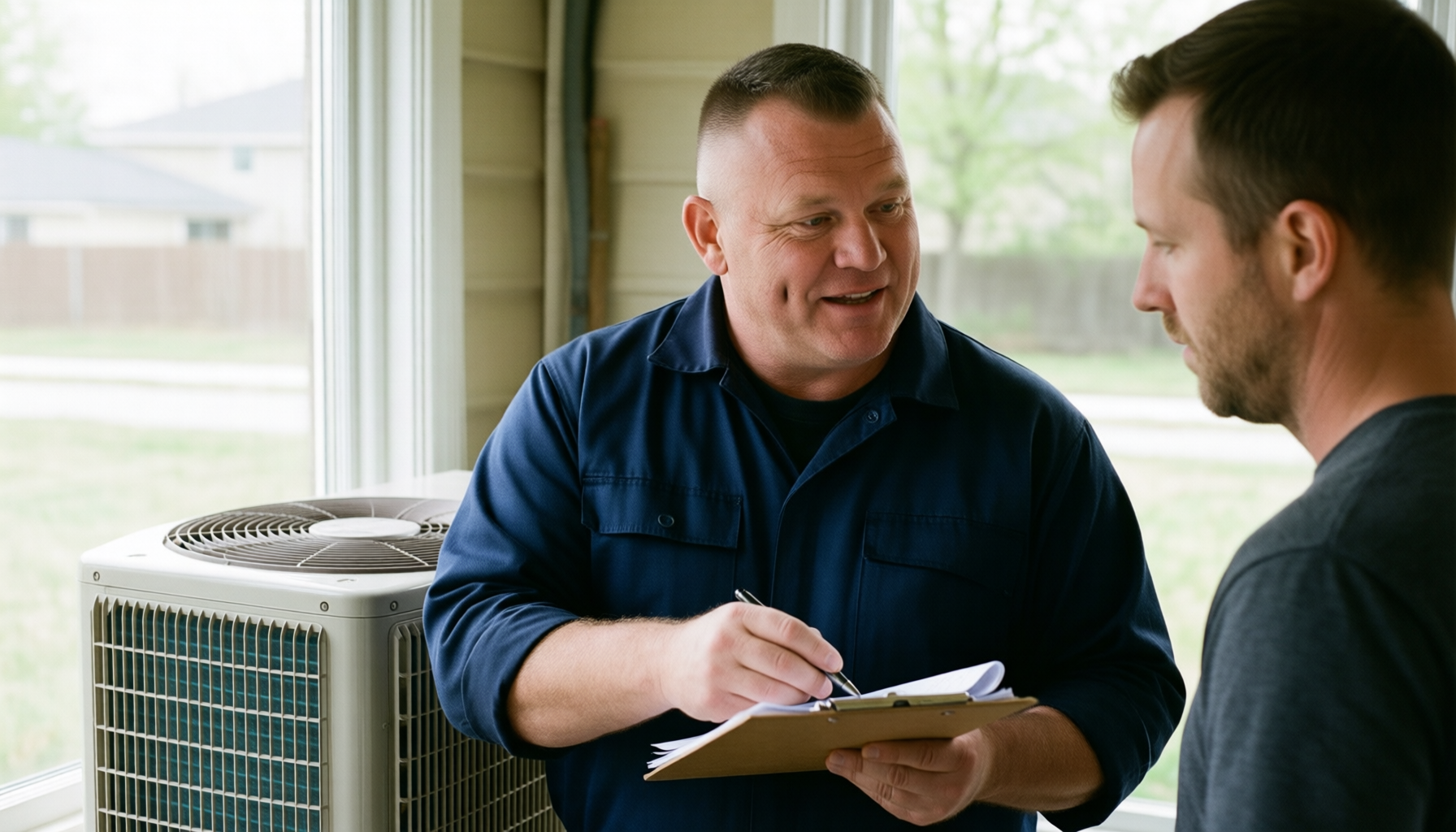
When seeking AC repair in Fort Lauderdale, the first step is to verify the contractor’s license via the Florida DBPR website. Avoid hiring individuals who offer "unbeatable" prices but cannot provide proof of workers' compensation and liability insurance. In the 2026 market, look for companies that utilize digital manifold gauges and thermal imaging, as these tools provide a more accurate diagnosis of refrigerant and airflow issues than traditional methods. Always request a written estimate that breaks down the cost of parts, labor, and refrigerant before authorizing any major work.