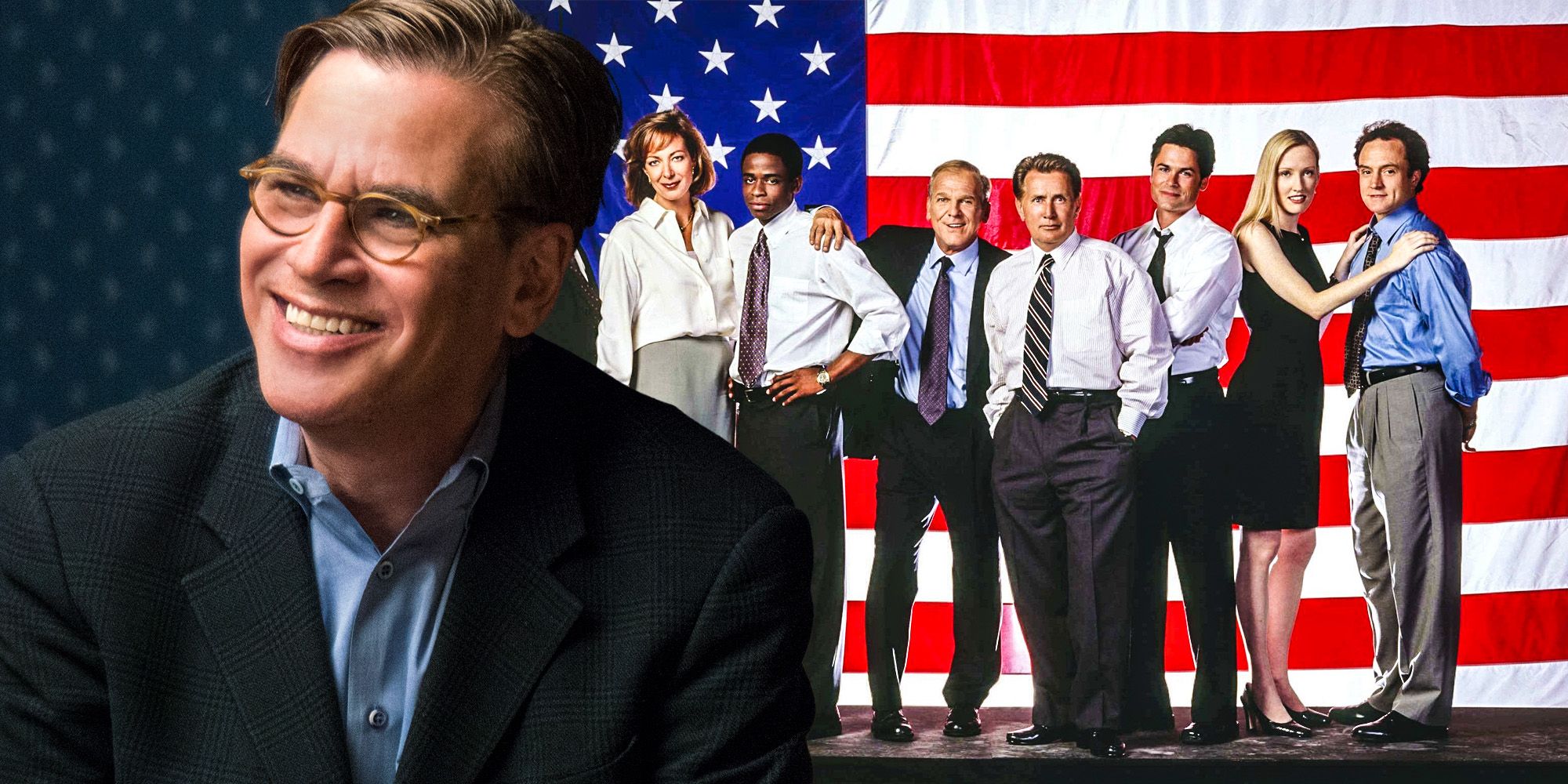
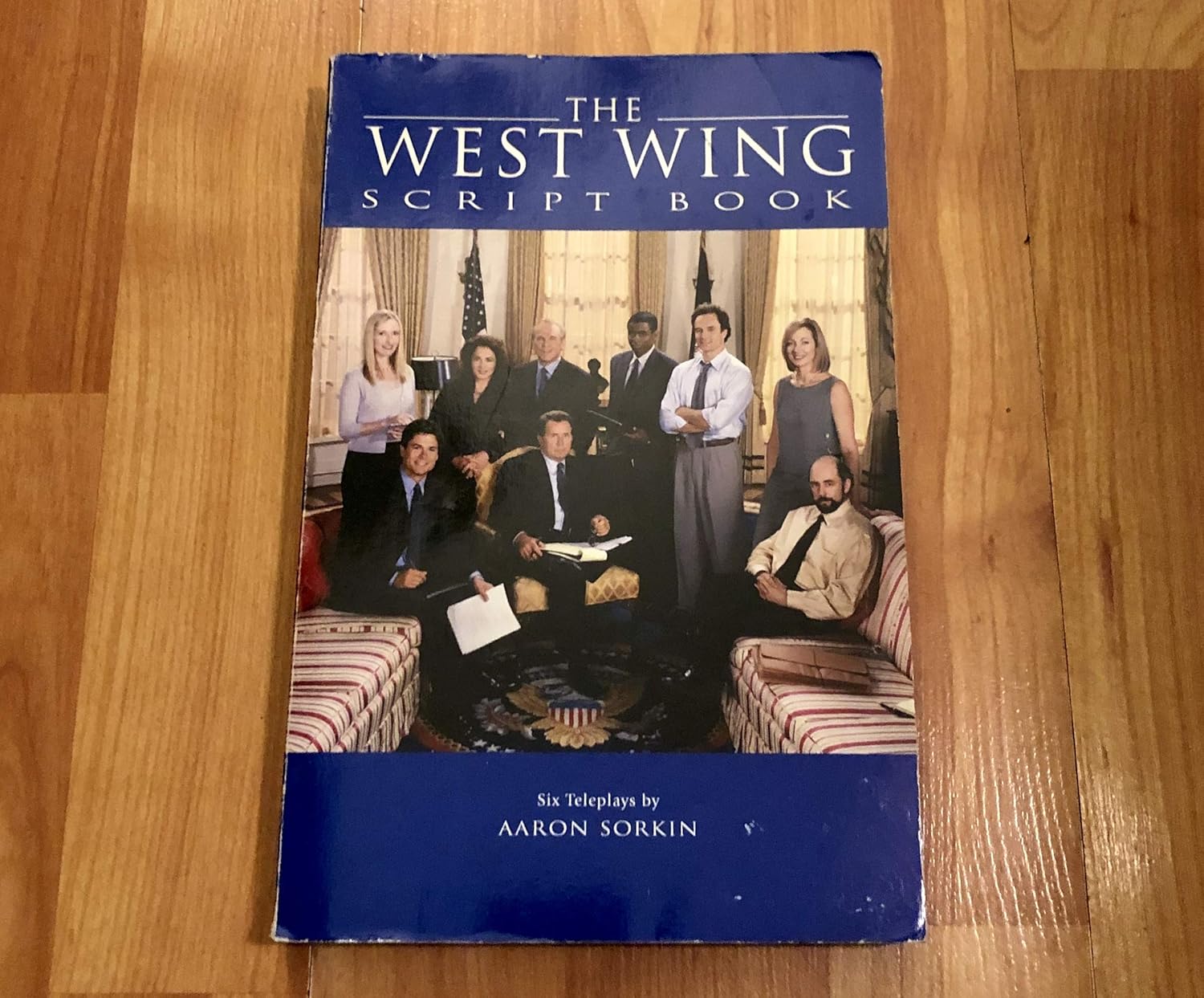
Aaron Sorkin departed The West Wing in 2002 following the conclusion of the show's fourth season, ending his tenure as the series' sole creator, primary writer, and executive producer. This exit marked a transformative moment in television history, as Sorkin had been the singular creative force responsible for the show's distinctive rapid-fire dialogue, intricate narrative architecture, and idealistic political framework.
The transition occurred amid a backdrop of intense creative pressure and internal production friction. While the show had enjoyed significant critical acclaim and commercial success, the rigorous demands of producing 22 episodes per season—each featuring the dense, highly researched scripts synonymous with Sorkin’s style—had pushed the production team and the creator to their limits. In the spring of 2003, after the conclusion of the fourth season, it was confirmed that both Sorkin and his producing partner, Thomas Schlamme, would exit the series, effectively ending the original creative era of the program.
The Genesis of the Departure: Creative and Production Pressures
To understand why Sorkin left, one must examine the operational structure of The West Wing during its first four seasons. Sorkin famously wrote nearly every episode of the series himself, a practice known as "running the room" as a sole author rather than overseeing a collaborative writing staff. This approach granted him total control over the show’s voice but proved to be an unsustainable production model.
The "Sorkin style"—characterized by high-velocity "walk and talk" sequences, dense policy jargon, and moralistic monologues—required an extraordinary amount of time to script and film. By the end of the fourth season, the logistical burden had become immense. Reports from the time indicated that the show had consistently faced production delays, and the grueling pace of television production, combined with personal complications, contributed to a mutual agreement between Sorkin and Warner Bros. Television that he would move on from the series.
The Role of Executive Oversight
As The West Wing became a staple of the NBC lineup, the network and production studio sought a more sustainable way to manage the show’s future. The departure was framed as a voluntary exit resulting from creative exhaustion. Unlike many showrunner departures fueled by public acrimony, Sorkin’s exit was marked by a desire to pursue new creative outlets, though the tension of managing such a high-stakes production remained an undeniable catalyst.
The Creative Pivot: Season 4 to Season 5
The final episodes of Season 4, specifically the arc involving the kidnapping of Zoey Bartlet and the subsequent constitutional crisis, served as a dramatic bridge. When Sorkin departed, the show faced a significant identity crisis. The narrative voice that had defined the Presidency of Josiah Bartlet—a voice rooted in intellectual rigor and unapologetic liberal idealism—was suddenly in transition.
Shifts in Narrative Tone
Following the 2002-2003 transition, the show adopted a different approach to storytelling. Under new leadership, the writers' room moved toward a more collaborative structure, which allowed for a greater diversity of voices but, according to some critics and fans, diminished the singular, rhythmic cadence that Sorkin had perfected.
| Feature | Sorkin Era (Seasons 1-4) | Post-Sorkin Era (Season 5+) |
|---|---|---|
| Writing Structure | Single Author/Showrunner | Collaborative Writers' Room |
| Dialogue Style | High-tempo, rhythmic, dense | Situational, character-focused |
| Narrative Focus | Idealistic moral philosophy | Pragmatic political maneuvering |
| Episode Consistency | High (Authorial voice) | Variable (Multiple contributors) |
The Legacy of the Sorkin Era
The period leading up to and including the 2002-2003 transition is often cited by scholars of television studies as a high-water mark for network drama. Sorkin’s departure did not signal the end of the show, which continued for three more seasons, but it did delineate the end of the "auteur" phase of the series. The first four seasons are frequently treated as a complete four-act play, where the arcs of the characters—from the "big block of cheese" days to the complex international crises of the later seasons—were meticulously crafted by a singular vision.
Impact on Television Production
Sorkin’s exit also served as a case study in the risks of the "sole writer" model in television. While the output was of an exceptionally high caliber, it was ultimately incompatible with the long-term, multi-year demands of a successful network series. His departure forced the industry to reconsider how creative control should be balanced with the logistical realities of high-volume television production.
Troubleshooting the Narrative Transition
For viewers revisiting the series today, the transition period can often feel jarring. Understanding the context of the 2002 exit helps viewers contextualize the shift in tone during the transition from the Season 4 finale, Commencement, and the Season 5 premiere.
- Contextualizing the Shift: When watching the transition episodes, look for the changes in how characters debate policy. Post-2002, the show leans more heavily into the "political thriller" aspect, whereas the Sorkin years focused on the "theatre of governing."
- Managing Expectations: New viewers often report a feeling of "whiplash" when moving from the end of Season 4 to the start of Season 5. This is not a personal failure of the viewer but a documented change in the creative DNA of the series.
Frequently Asked Questions
Did Aaron Sorkin leave mid-season in 2002?
No. Aaron Sorkin and Thomas Schlamme completed the production of the fourth season, which aired in 2002 and concluded in early 2003. Their departure was announced as a changeover occurring after the season had wrapped, allowing for a planned transition to a new creative team.
Why was it difficult to maintain the Sorkin writing model?
The model required one person to draft the majority of the scripts. In television, writing a 45-minute episode of a show as dialogue-heavy as The West Wing usually takes a team of writers several weeks of drafting and redrafting. Doing this for 22 episodes annually resulted in a near-total depletion of the lead writer's creative and physical resources.
Did the actors have a reaction to his departure?
Many of the principal cast members, including Martin Sheen and Rob Lowe, expressed deep respect for Sorkin’s work. The transition was described as emotional for the cast, as the collaborative relationship between the writing and the acting had been the bedrock of the show's success.
How did the show change after 2002?
The primary change was the implementation of a larger, more traditional writers' room. This allowed for more storylines to be developed in parallel, but it also resulted in a shift away from the specific "Sorkin-esque" prose that relied on recurring motifs and highly stylized arguments.
Is the quality of the show considered lower after he left?
Critical consensus is divided. While the early seasons are widely considered a pinnacle of drama, many critics argue that the later seasons successfully pivoted to handle more modern political challenges and deepened character arcs that were established in the initial years, even if the "voice" of the show felt different.
Next Steps for Viewers
If you are currently watching The West Wing and find the transition in Season 5 difficult, consider viewing the first four seasons as a distinct "Sorkin Anthology." This perspective allows you to appreciate the singular creative vision of the early years while viewing the subsequent seasons as a new, different iteration of the same world. By setting expectations for the shift in tone, you can better appreciate the contributions of the writers who took over the reins following the 2002 departure.