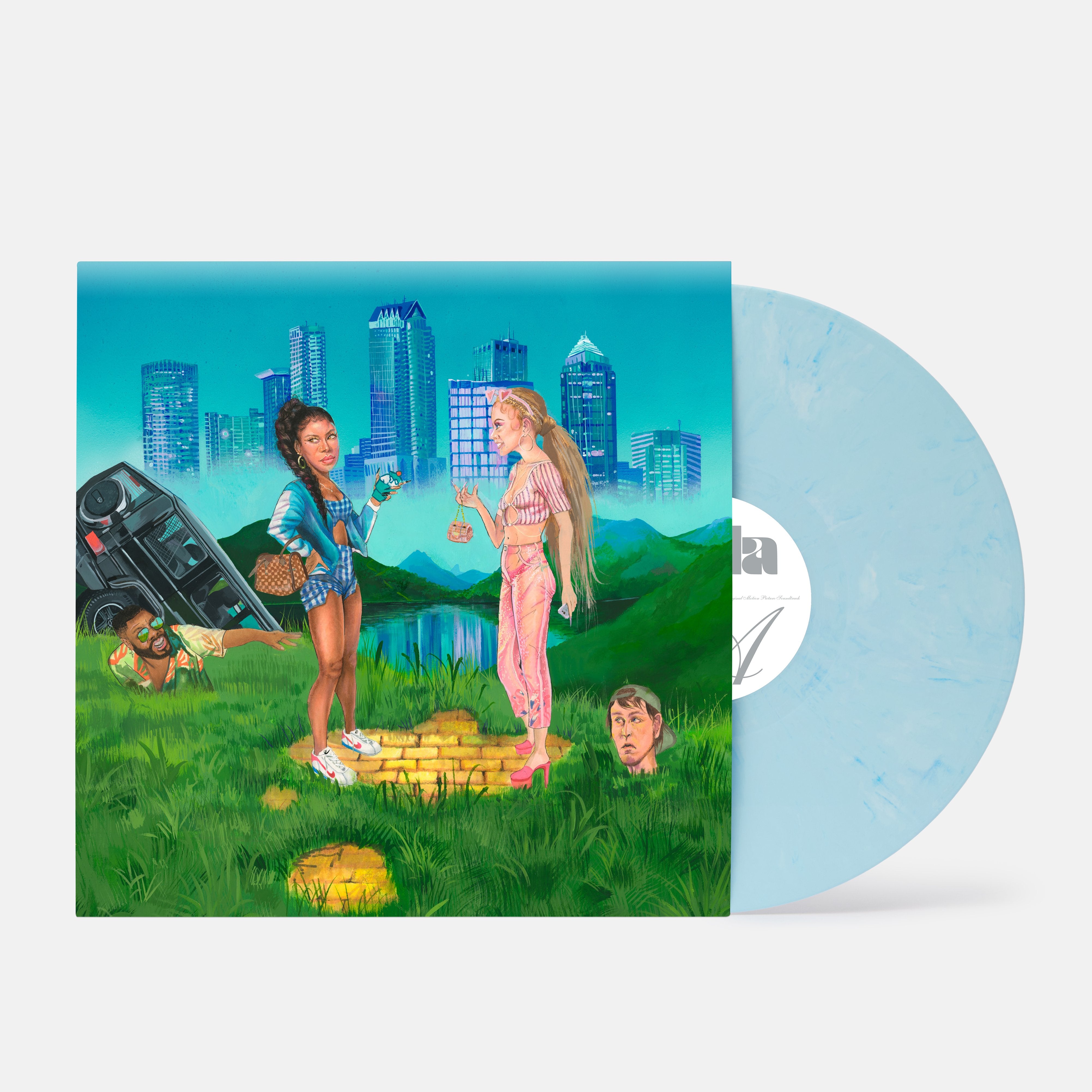
Zola (2020), directed by Janicza Bravo and distributed by A24, stands as a distinct achievement in contemporary cinema, transforming a viral 2014 Twitter thread into a high-tempo, darkly comedic crime dramedy. The film chronicles an impromptu, chaotic Florida road trip between a Detroit waitress turned exotic dancer and a new acquaintance, navigating the perilous underbelly of sex work, human trafficking, and online infamy.
Origins and Development: From Viral Twitter Thread to Feature Film
Long before cameras rolled, the source material for Zola captivated millions of internet users. In October 2014, A'Ziah "Zola" King published a 148-tweet thread on Twitter (now X) detailing a bizarre, harrowing, and deeply engaging weekend trip to Florida. The thread began with a deceptively simple hook: "Y'all wanna hear a story about why me & this bitch here fell out? It's kind of long, but full of suspense."
The narrative detailed how Zola, a part-time dancer, met a woman named Jessica (referred to in the film as Stefani) at a restaurant. Bonded by their mutual profession, the two agreed to travel to Tampa, Florida, alongside Jessica's roommate and her mercurial pimp, to make quick money stripping. What followed was a whirlwind of erratic choices, escalating danger, physical threats, and digital documentation that transfixed public figures, writers, and filmmakers alike.
Recognizing the cinematic potential of a story born entirely on social media, multimedia production company Killer Films and publisher Vulture (which published an in-depth feature on the viral phenomenon) helped steer the project toward adaptation. A24 acquired the rights, pairing the raw energy of modern digital culture with independent cinema production values. James Franco was initially attached to direct, but after his departure, Janicza Bravo stepped into the director's chair, rewriting the script alongside playwright Jeremy O. Harris. Bravo brought a specific visual vocabulary and a distinct authorial perspective that shifted the project from a standard exploitation film into a stylized, satirical, and hyper-modern examination of performance, agency, and modern womanhood.
Narrative Premise and Character Dynamics
The plot of Zola centers on the eponymous protagonist, Aziah "Zola" King, portrayed by Taylour Paige. Zola is pragmatic, self-possessed, and hyper-aware of her surroundings. She views stripping as a means to an end—a way to earn fast cash without compromising her fundamental boundaries. Her life pivots when she meets Stefani (Riley Keough), a bubbly, excessively performative white woman who speaks in a heavily appropriated African American Vernacular English (AAVE) cadence and relies on wide-eyed innocence to manipulate those around her.
Stefani pitches an easy money-making weekend in Florida working at upscale gentlemen's clubs. Drawn by the prospect of financial gain, Zola agrees. The journey quickly unravels due to the presence of Stefani's partner-in-crime, Derrek (Nicholas Braun), a hapless, anxious white boyfriend who is completely out of his depth, and X (Colman Domingo), a volatile, menacing pimp who exerts psychological and physical control over the group.
As the trip moves from Detroit to Tampa and eventually Clearwater, the dynamic curdles. The high-end club engagements are revealed to be a precarious trap involving escorting and commercial sex work. Zola finds herself isolated in unfamiliar territory, forced to navigate dangerous personalities while preserving her own safety. The narrative explores how contemporary social media culture—where every moment is curated, filtered, and broadcasted—intersects with underground economies where the stakes are starkly physical and real.
Directorial Style and Aesthetic Choices
Janicza Bravo’s directorial approach defines Zola as a uniquely postmodern cinematic text. Instead of adopting a gritty, documentary-style realism common to crime dramas, Bravo embraces a candy-colored, hyper-stylized visual language that mirrors the aesthetic of an Instagram feed or a TikTok video.
The film utilizes jarring sound design, incorporating the iconic Twitter notification chirp throughout the runtime to remind the audience of the story’s digital genealogy. The color palette favors bright pinks, neon blues, and saturated Florida sunshine, contrasting sharply with the grim realities of the narrative. This stylistic choice underscores the theme of artifice. Just as Stefani constructs a false persona online and offline, the film itself wears its artificiality proudly, treating the screen as a digital canvas.
Performance is another pillar of the film's success. Taylour Paige grounds the chaotic proceedings with a weary, observational cool; Zola serves as both the participant and the cynical narrator of her own exploitation. Riley Keough delivers a brilliantly committed performance as Stefani, walking a tightrope between absurdity and genuine menace. Meanwhile, Colman Domingo brings a terrifying gravity to X, shifting effortlessly from charming mentor to dangerous predator. Nicholas Braun rounds out the principal cast by embodying a caricature of inept, fragile masculinity that provides dark comedic relief amid mounting tension.
| Character | Portrayed By | Role & Narrative Function |
|---|---|---|
| Zola | Taylour Paige | Pragmatic protagonist, dancer, and narrator who maintains her agency amid chaos. |
| Stefani | Riley Keough | Manipulative, performative companion whose recklessness drives the plot. |
| X | Colman Domingo | Volatile, menacing pimp who controls the underground operation in Florida. |
| Derrek | Nicholas Braun | Anxious, out-of-his-depth boyfriend serving as a source of bumbling tension. |
Thematic Depth: Race, Performance, and Digital Agency
Beyond its surface-level thrills and dark comedy, Zola engages in sharp social commentary regarding race, culture, and digital identity. Much of the discourse surrounding the original Twitter thread—and by extension, the film—involved Stefani’s appropriation of Black culture, speech patterns, and aesthetic markers while simultaneously weaponizing her white womanhood to escape accountability when situations turned dangerous.
Bravo and Harris use this dynamic to examine how Black women’s labor—both physical and digital—is routinely commodified. Zola’s story went viral because people consumed it as entertainment, a modern-day urban folklore broadcasted for the masses. Yet, the film reminds viewers of the very real physical and emotional toll exacted upon the women living through those events. Zola’s ultimate triumph in the film lies in her refusal to be reduced to a passive victim; she documents, she assesses, and she escapes on her own terms, retaining ownership of her narrative even as the world attempts to monetize it.
Furthermore, the film explores the commodification of the female body within the gig economy and the digital age. Stripping and sex work are depicted not through a lens of moral panic or moralizing pity, but as labor markets fraught with economic necessity, power imbalances, and occasional solidarity among women, contrasted against the predatory structures designed to exploit them.
Box Office Reception and Cultural Impact
Released theatrically by A24 in the summer of 2021 after pandemic-related delays stemming from its initial 2020 Sundance Film Festival premiere, Zola carved out a dedicated cult following. While its unconventional tone and subject matter limited its mainstream blockbuster reach, it achieved critical acclaim. Reviewers praised its breakneck pacing, fearlessness, and technical inventiveness, cementing Bravo as a major voice in independent cinema.
The film serves as a watershed moment for IP (intellectual property) adaptation in the 21st century. It proved that compelling cinematic narratives could emerge not just from traditional literature, plays, or comic books, but from the ephemeral, user-generated architecture of social media platforms. Zola demonstrated that a series of 140-character posts could be reverse-engineered into a structurally sound, highly artistic feature film without losing the raw voice of its originator.
Frequently Asked Questions
Is Zola based on a true story?
Yes, the film is directly adapted from a viral 2014 Twitter thread written by A'Ziah "Zola" King. While narrative embellishments and cinematic adaptations were applied for dramatic effect, the core events—an impromptu road trip to Florida involving stripping, dangerous encounters, and volatile personalities—are rooted in King's real-life experiences.
What is the MPAA rating for Zola, and why?
Zola is rated R for strong sexual content, graphic nudity, pervasive language, and some violence. The rating reflects the film's unflinching exploration of the adult entertainment industry, underground sex work, and the aggressive behavior of characters within those environments.
How did A24 market and distribute the film?
A24 leveraged internet culture and the built-in audience of the viral Twitter thread to market Zola. Using stylized, millennial-targeted promotional material, neon aesthetics, and digital-first advertising strategies, A24 positioned the film as a must-see event for younger demographics and cinephiles alike.
Did the real Zola King participate in the film's production?
A'Ziah King served as a consultant on the project, ensuring that her perspective and the spirit of her original storytelling were honored. Her involvement helped maintain the authentic voice that made the Twitter thread a cultural phenomenon in the first place.
Where can viewers watch Zola?
As part of A24’s distribution library, Zola is available on various subscription streaming platforms, video-on-demand digital storefronts, and physical home media formats such as Blu-ray and DVD, depending on regional licensing agreements.
Final Recommendations for Viewers
For viewers approaching Zola for the first time, it is best to view the film not as a straightforward drama or standard crime thriller, but as a high-energy, satirical dark comedy wrapped in a digital-age morality tale. Those interested in further exploring the material can read the original Vulture article detailing the viral phenomenon or locate the archived Twitter thread to observe how source text transforms into cinematic art. Ensure you approach the film with an appreciation for its stylized aesthetic, sharp social commentary, and uncompromising commitment to its protagonist's point of view.