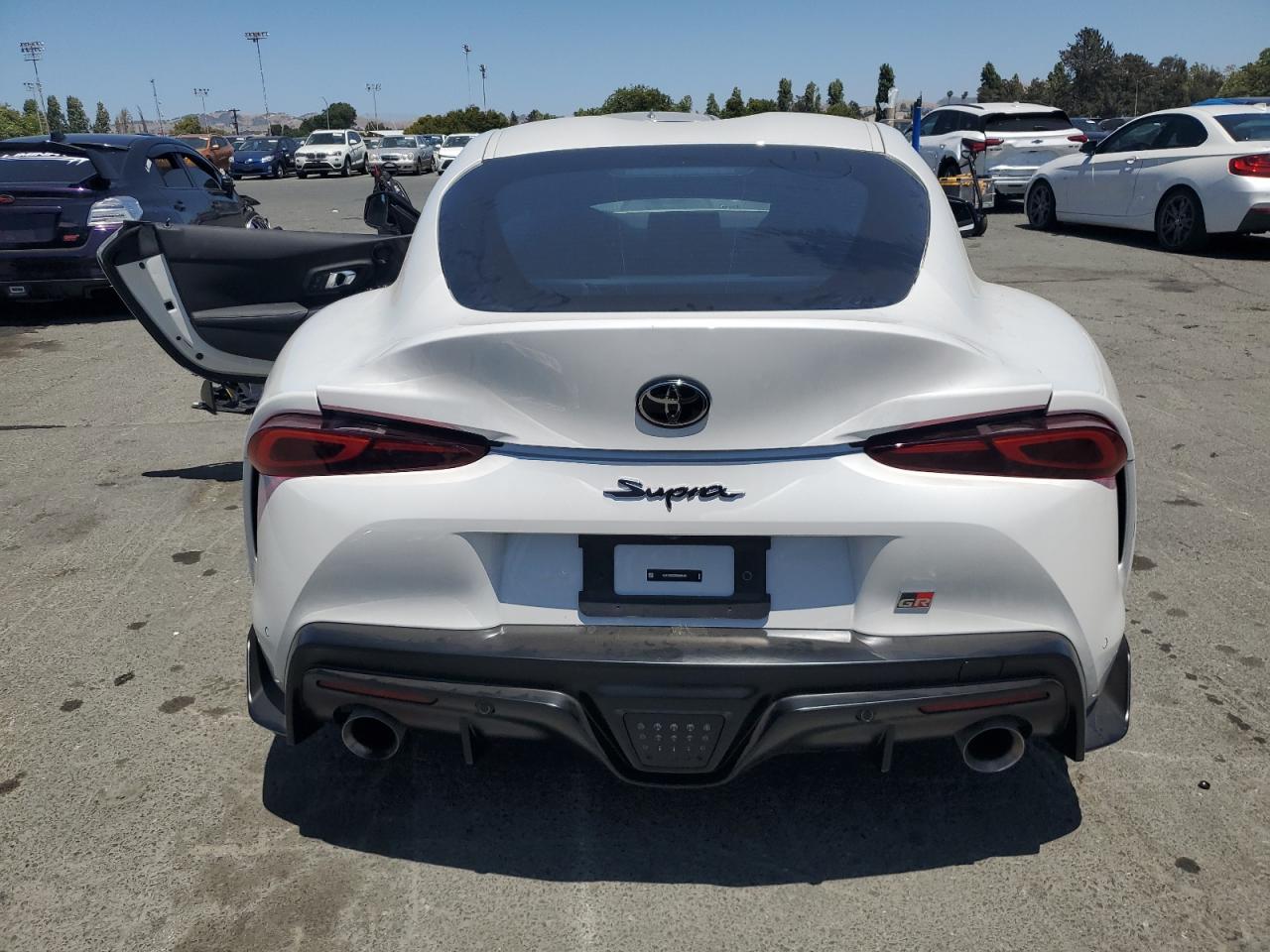
For the 1983 Toyota Celica Supra, the "numbers" primarily represent its 2.8-liter 5M-GE inline-six engine producing 150 horsepower, its MA61 chassis designation, and the critical distinction between the Performance-Type (P-Type) and Luxury-Type (L-Type) trims. These figures define the vehicle's identity as a definitive 1980s grand tourer.
The 1983 model year holds a special place in the lineage of the Toyota Supra. As of 2026, this second-generation (MK2) icon has transitioned from a budget-friendly enthusiast car into a highly sought-after blue-chip classic. Understanding the specific codes, specifications, and production numbers is essential for collectors, restorers, and automotive historians who want to distinguish a genuine 1983 specimen from other years in the A60 production run (1982–1986).
The Heart of the MK2: 5M-GE Engine Specifications
When enthusiasts discuss the "numbers" of an '83 Supra, they usually start under the hood. The 1983 model featured the 5M-GE, a 2.8-liter (2,759 cc) DOHC (Double Over Head Cam) inline-six engine. This was a significant piece of engineering for the time, featuring electronic fuel injection (Toyota's EFI) and a cross-flow cylinder head designed in collaboration with Yamaha.
In 1983, Toyota implemented several notable updates to the engine numbers compared to the debut 1982 model. The 1983 version saw a slight increase in power. While the 1982 model produced 145 hp, the 1983 U.S. spec was rated at 150 hp at 5,200 RPM and 159 lb-ft of torque at 4,400 RPM. This increase was largely due to a switch from a vacuum-advance distributor to an electronic-advance distributor, which allowed for more precise timing and better efficiency.
The compression ratio for the 1983 5M-GE was 8.8:1. This relatively low compression ratio (by modern 2026 standards) made the engine incredibly robust and receptive to long-distance grand touring, though it also meant the engine was not as high-strung as some of its European contemporaries. For those looking at the build plate on the firewall, the engine code will clearly state "5M-GE" followed by the engine serial number.
P-Type vs. L-Type: Decoding the Trim Numbers
One of the most confusing aspects for newcomers to the 1983 Supra is the difference between the P-Type (Performance Type) and the L-Type (Luxury Type). In 1983, these two trims were technically identical in terms of drivetrain, but their "numbers" regarding dimensions and aesthetics differed significantly.
The P-Type (Performance Type)
The P-Type was designed for the enthusiast. Its most identifying "numbers" are found in the wheel and tire dimensions. It featured 14x7-inch aluminum alloy wheels wrapped in 225/60R14 tires. To accommodate these wider wheels, the P-Type came standard with fiberglass fender flares, which increased the car's overall width. Inside, the P-Type featured the iconic 8-way adjustable sport seats with inflatable lumbar support—a marvel of 1980s ergonomics.
The L-Type (Luxury Type)
The L-Type focused on comfort and a more "sleeper" aesthetic. It utilized narrower 14x5.5-inch wheels and lacked the aggressive fender flares of its sibling. This resulted in a narrower body profile. While the P-Type used an analog instrument cluster as standard, many L-Types were equipped with the futuristic digital instrument cluster, which replaced traditional needles with vacuum fluorescent displays for speed and RPM.
Transmission and Differential Codes
The 1983 Supra offered two main transmission options, each identified by specific codes that dictate the car's driving character.
- W58 5-Speed Manual: This is the most desirable transmission for collectors in 2026. The W58 is known for its "silky" shift feel and high durability. It features a 0.783 overdrive fifth gear, making it an excellent highway cruiser.
- A43DL 4-Speed Automatic: This was a four-speed unit with a locking torque converter. While less engaging than the manual, it was technologically advanced for 1983, helping the Supra compete with luxury GTs from BMW and Mercedes-Benz.
The differential numbers are equally important. On the engine bay data plate, you will find a "Trans/Axle" code. For 1983, common axle codes included G282 and G292.
- G282: This indicates an 8-inch ring gear with a 3.727:1 gear ratio and an open differential.
- G292: This indicates the same 8-inch ring gear and 3.727:1 ratio but includes a Limited Slip Differential (LSD). The LSD is a critical "number" for performance driving, as it ensures power is distributed to both rear wheels during cornering or low-traction situations.
Deciphering the VIN: What Every Digit Means
To truly understand an 1983 Supra, you must be able to read its 17-digit Vehicle Identification Number (VIN). In 1983, Toyota used a standardized format that provides a wealth of information about the vehicle’s origin and build.
A typical 1983 Supra VIN starts with JT2MA61. Here is the breakdown:
- J: Japan (Country of Origin)
- T: Toyota (Manufacturer)
- 2: Passenger Car
- M: Engine Family (M series engine)
- A: Chassis Family (Supra/Celica)
- 61: Model Code (Specific to the MK2 Supra)
The 10th digit of the VIN is the year code. For 1983, this letter is D. If you are looking at a car claimed to be an '83 but the 10th digit is "C", it is a 1982 model. If it is "E", it is a 1984 model. This is the fastest way to verify the "numbers" during a pre-purchase inspection.
1983 Supra Technical Specifications Table
The following table summarizes the key factory numbers for the 1983 Toyota Celica Supra (U.S. Market).
| Feature | Specification (1983 Model Year) |
|---|---|
| Engine Code | 5M-GE |
| Configuration | Inline-6, DOHC, 12-Valve |
| Displacement | 2.8 Liters (2,759 cc) |
| Horsepower | 150 hp @ 5,200 RPM |
| Torque | 159 lb-ft @ 4,400 RPM |
| Compression Ratio | 8.8:1 |
| Wheelbase | 103.0 inches |
| Overall Length | 183.5 inches |
| Curb Weight | ~3,000 lbs (Varies by trim) |
| Standard Final Drive | 3.727:1 (4.10 available in some markets/years) |
| Fuel System | Bosch L-Jetronic derived EFI |
Production Numbers and Rarity
In 1983, Toyota production was in full swing, and the Supra was a hit in the North American market. Total production numbers for the 1983 model year reached approximately 34,000 units for the U.S. market alone. This makes the 1983 one of the most common years for the MK2, yet finding one in 2026 with original "matching numbers" is increasingly difficult.
Unlike modern limited-run supercars, Toyota did not keep public, granular records of exactly how many P-Types vs. L-Types were produced in specific colors. However, historical sales data suggests the P-Type outsold the L-Type by a significant margin (roughly 3 to 1), as the sporty flared-fender look was what the market demanded.
Common Confusion: The "83.5" Myth
In the Supra community, you may hear references to "1983.5" models. This isn't an official Toyota designation but rather a term used by owners to describe mid-year changes. In the latter half of the 1983 production run, Toyota began phasing in components that would become standard on the 1984 models.
The most notable "number" change here involves the hatch and spoiler. Early '83 models often featured a simple sunshade or no spoiler, while later '83 units might be seen with the wrap-around rear spoiler that became a hallmark of the 1984 and 1985 models. Additionally, early '83s used a specific "split" intake manifold, while later versions moved toward the "single" piece design. If you are restoring a car, checking the build date on the door jamb is vital to ensure you are buying the correct numbered parts.
Current Market Value in 2026
As of 2026, the 1983 Toyota Celica Supra has seen a steady appreciation in value. For a decade, these were "affordable" classics, but the rise of 1980s nostalgia and the legendary status of the A80 (MK4) Supra have pulled MK2 prices upward.
- Driver Quality (150k+ miles): $12,000 – $18,000
- Clean/Restored (under 100k miles): $25,000 – $35,000
- Concours/Survivor (under 30k miles): $50,000+
The "numbers" that most affect value in 2026 are the odometer reading and the presence of the original 5M-GE engine. Cars that have been "swapped" with 7M-GTE or 2JZ engines may be faster, but they often command lower prices among purist collectors who value the factory-correct MA61 experience.
Maintenance Numbers: Keeping the 83 Supra Alive
For owners, the most important numbers are the maintenance intervals. The 5M-GE is an interference-free engine, meaning if the timing belt snaps, the valves won't hit the pistons. However, to maintain peak performance, the following numbers should be observed:
- Timing Belt Replacement: Every 60,000 miles.
- Valve Adjustments: The 5M-GE uses hydraulic lash adjusters, which were a selling point in 1983 because they required less maintenance than the manual shim-and-bucket style. If you hear "ticking," it usually means an oil passage is clogged or an adjuster has failed.
- Oil Capacity: 5.5 quarts (with filter).
Frequently Asked Questions
What is the difference between an 82 and an 83 Supra?
The primary difference is the power output and the ignition system. The 1982 model produced 145 hp and used a vacuum-advance distributor. The 1983 model increased output to 150 hp and moved to an electronic-advance system. Additionally, the 1983 L-Type received more standard luxury features that were optional in 1982.
Does the 1983 Supra have a Limited Slip Differential (LSD)?
Not all 1983 Supras came with an LSD. It was standard on some P-Type packages but optional on others. To verify, check the firewall data plate for the axle code "G292" (LSD) versus "G282" (Open).
How many miles can a 5M-GE engine last?
With proper maintenance, the 5M-GE is known to exceed 200,000 to 250,000 miles. The most common "killer" of these engines is a blown head gasket, often caused by cooling system neglect. Owners in 2026 recommend upgrading to a multi-layer steel (MLS) head gasket and ARP head studs if a rebuild is performed.
Is the 1983 Supra considered a "Celica"?
Yes, in 1983, the car was officially marketed as the "Toyota Celica Supra." It shared the rear-wheel-drive platform with the standard Celica but featured a longer wheelbase from the A-pillar forward to accommodate the larger inline-six engine. The Supra did not become a standalone model until the MK3 (A70) was released in 1986.
What are the original paint codes for the 1983 model?
Some of the most iconic 1983 colors include Terra Cotta (3A7), Super White (033), and Light Blue Metallic (8A1). You can find the three-digit color code on the same firewall ID plate that lists the transmission and axle codes.
Expert Recommendation for Buyers
If you are looking to purchase an 1983 Supra in 2026, prioritize the P-Type with a 5-speed manual (W58) and the G292 LSD code. This combination represents the pinnacle of the MK2 driving experience. While the digital dash of the L-Type is a fantastic piece of 80s kitsch, it is notoriously difficult to repair if the vacuum fluorescent tubes fail.
Always verify the "numbers" on the firewall plate against the VIN. In a market where values are rising, "clones" (L-Types disguised as P-Types) are becoming more common. A genuine P-Type will always carry a premium. Finally, ensure the engine serial number is consistent with the era; while "matching numbers" isn't as strictly enforced in Japanese car circles as it is with American muscle, a factory-original 5M-GE adds significant long-term value to your investment.