Achieving sustainable weight reduction requires a strategic combination of a consistent caloric deficit, high-quality nutrient intake, and metabolic optimization through physical activity and recovery. By focusing on protein-rich nutrition, resistance training, and stress management, individuals can lose body fat while preserving vital lean muscle mass for long-term health.
Weight management in 2026 has evolved beyond the simplistic "calories in versus calories out" model. While energy balance remains the fundamental law of thermodynamics governing weight change, we now understand that hormonal regulation, gut microbiome health, and behavioral psychology play equally critical roles. For many, the challenge isn't just losing the weight, but doing so in a way that is biologically sustainable and psychologically manageable.
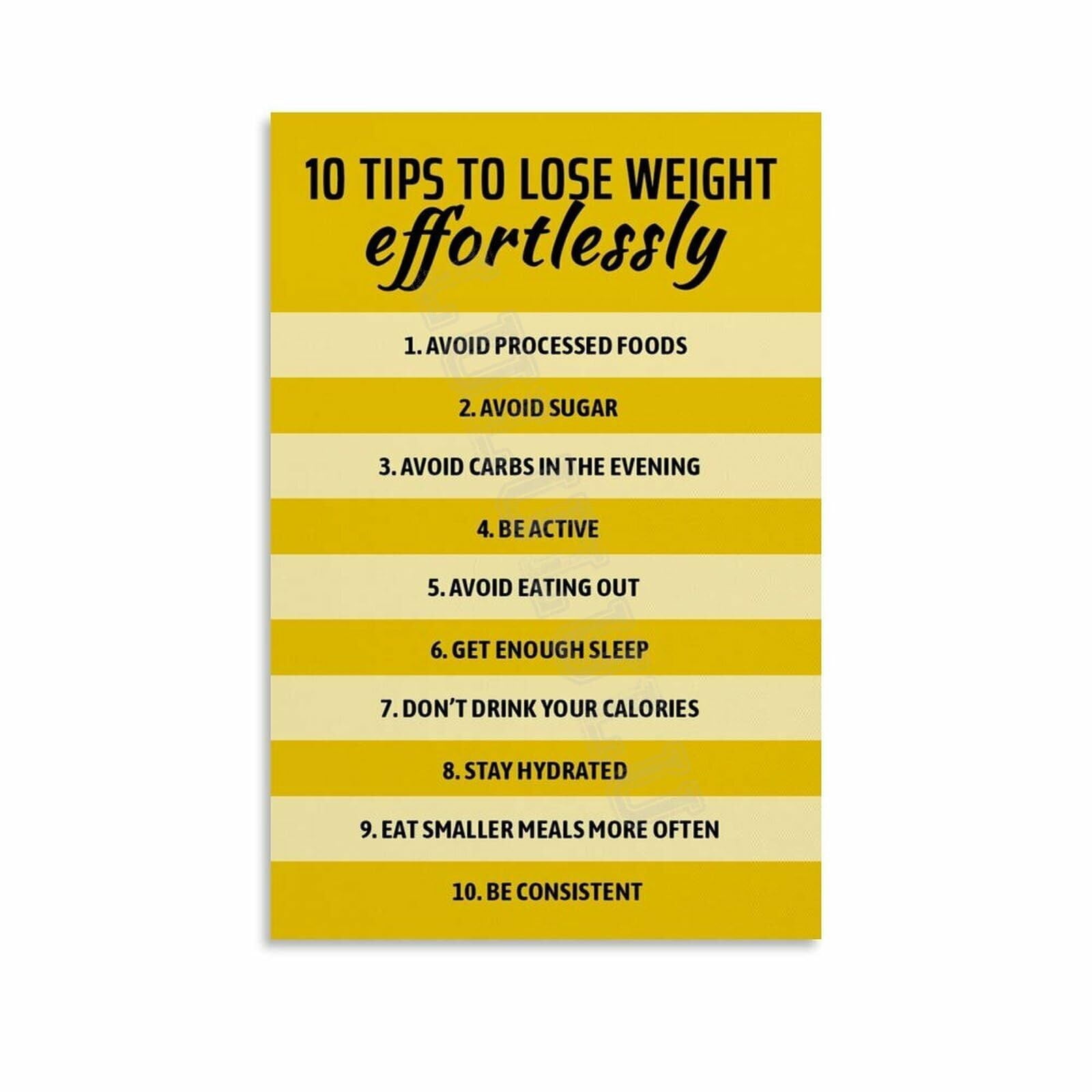
The following seven evidence-based strategies provide a comprehensive framework for reducing weight effectively. These tips focus on physiological mechanisms that control hunger, maximize metabolic rate, and ensure that the weight lost is primarily adipose tissue (fat) rather than muscle.
1. Prioritize Protein Intake to Support Satiety and Muscle Retention
One of the most effective nutritional interventions for weight loss is increasing the proportion of dietary protein. Protein serves two primary functions during a fat-loss phase: it preserves lean muscle tissue and significantly increases satiety, the feeling of fullness after a meal.
When you reduce your caloric intake, the body looks for energy sources. Without adequate protein and stimulus (exercise), the body may break down muscle tissue for amino acids. Maintaining muscle is crucial because muscle is metabolically active tissue; the more muscle you have, the higher your basal metabolic rate (BMR). A higher BMR means you burn more calories even while at rest.
Furthermore, protein has a higher Thermic Effect of Food (TEF) compared to fats and carbohydrates. The body uses approximately 20-30% of the energy consumed from protein just to digest and process it, compared to 5-10% for carbohydrates and 0-3% for fats. Practically, this means a high-protein diet creates a slight metabolic advantage. To implement this, aim for 1.6 to 2.2 grams of protein per kilogram of body weight, distributed across three to four meals a day.
2. Increase Dietary Fiber for Metabolic Health and Volume
Fiber is a non-digestible carbohydrate found in plant foods that plays a massive role in weight regulation. Unlike simple sugars that cause rapid spikes in blood glucose and insulin, fiber slows down the digestive process. This gradual digestion leads to a more stable release of energy and prevents the "crashing" sensation that often triggers cravings for high-calorie snacks.
There are two main types of fiber: soluble and insoluble. Soluble fiber, found in oats, beans, and fruits, turns into a gel-like substance in the gut. This gel slows gastric emptying, keeping you full for longer. It also interacts with the gut microbiome, encouraging the production of short-chain fatty acids (SCFAs) like butyrate, which are linked to improved insulin sensitivity and reduced systemic inflammation.
Insoluble fiber, found in whole grains and vegetables, adds bulk to the stool and helps food pass through the digestive system. By filling your plate with high-fiber, low-calorie vegetables (like broccoli, spinach, and peppers), you can eat a large volume of food for very few calories. This "volume eating" strategy helps satisfy the psychological need to eat a full meal without exceeding your daily caloric limit.
3. Implement Resistance Training to Protect Basal Metabolism
While cardiovascular exercise (like running or cycling) burns a significant number of calories during the activity, resistance training (weight lifting) is the superior tool for long-term weight maintenance. The primary goal of exercise during a weight-loss phase should be to signal to the body that its muscle mass is "necessary," thereby forcing it to prioritize burning fat stores for energy instead.
Consistent resistance training creates a "metabolic afterburn" known as Excess Post-exercise Oxygen Consumption (EPOC). After a strenuous lifting session, the body requires extra energy to repair muscle fibers and replenish glycogen stores, keeping the metabolic rate elevated for hours after the workout has ended.
In 2026, sports science emphasizes that strength training does not need to result in a "bulky" physique unless that is the specific goal. For the average person looking to lose weight, lifting weights 3–4 times per week ensures that the weight reflected on the scale comes from fat. This preservation of muscle prevents the "skinny fat" look and helps avoid the metabolic slowdown often associated with aggressive dieting.
4. Optimize Sleep Quality to Balance Hunger Hormones
Weight loss is often treated as a matter of willpower, but it is deeply influenced by biology—specifically the hormones ghrelin and leptin. Ghrelin is the hormone that signals hunger to the brain, while leptin signals satiety. Research from the National Institutes of Health has consistently shown that sleep deprivation disrupts this delicate balance.
When you are chronically underslept (less than 7 hours per night), ghrelin levels rise and leptin levels fall. This creates a physiological state where you feel hungrier than usual and less satisfied by the food you do eat. Furthermore, sleep-deprived individuals often experience higher levels of cortisol, a stress hormone that promotes the accumulation of visceral fat, particularly in the abdominal region.
Improving sleep hygiene is a "frictionless" way to support weight loss. This includes maintaining a consistent sleep-wake cycle, reducing blue light exposure from screens 60 minutes before bed, and keeping the bedroom cool and dark. By fixing your sleep, you are essentially "greasing the wheels" for your diet, making it much easier to stick to your caloric goals without fighting constant biological hunger signals.
5. Focus on Hydration and Replacing Liquid Calories
The brain often struggles to distinguish between the signals for thirst and hunger. Many people reach for a snack when their body is actually crying out for water. Maintaining optimal hydration ensures that your metabolic processes run efficiently and can prevent unnecessary caloric intake.
Drinking water, especially before meals, has been shown to reduce the amount of food consumed during that meal. A common and effective tactic is to drink 500ml of water 30 minutes before eating. Additionally, the process of water-induced thermogenesis suggests that drinking cold water may slightly increase the body’s energy expenditure as it works to bring the liquid to body temperature.
More importantly, the elimination of liquid calories is often the fastest way to create a caloric deficit. Sugary sodas, energy drinks, and even "healthy" fruit juices contain high amounts of sugar with zero fiber to slow absorption. These drinks cause rapid insulin spikes, which promote fat storage. Replacing these with water, sparkling water, or unsweetened tea can easily remove 300-500 calories from a daily diet without requiring a change in solid food intake.
6. Minimize Ultra-Processed Foods (UPFs)
In 2026, the scientific consensus on ultra-processed foods (UPFs) is clearer than ever: these foods are engineered to bypass our internal "fullness" switches. UPFs typically contain a specific "bliss point" ratio of fats, sugars, and salts that triggers the reward centers of the brain, making it exceptionally difficult to practice portion control.
The consumption of UPFs is linked to a higher "set point"—the weight your body naturally tries to maintain. Because these foods are rapidly digested and often lack essential micronutrients, they leave the body chemically "hungry" even if the caloric intake was high. This leads to a cycle of overconsumption.
Focusing on whole, single-ingredient foods—such as eggs, lean meats, tubers, fruits, and nuts—naturally regulates caloric intake. Whole foods require more chewing and take longer to digest, which allows the gut-to-brain signaling pathway (which takes about 20 minutes) to catch up and tell you that you are full before you overeat.
7. Leverage NEAT (Non-Exercise Activity Thermogenesis)
While many people focus on their one-hour gym session, they often overlook the other 23 hours of the day. Non-Exercise Activity Thermogenesis (NEAT) refers to the energy expended for everything we do that is not sleeping, eating, or sports-like exercise. This includes walking to the car, typing, yard work, and even fidgeting.
NEAT can account for a massive variance in total daily energy expenditure (TDEE). For example, a sedentary office worker might have a NEAT of 300 calories, while someone who uses a standing desk and walks during phone calls might have a NEAT of 1,000 calories. Over the course of a week, this difference of 700 calories per day is equivalent to the energy found in nearly 1.5 pounds of fat.
To maximize NEAT, look for "micro-opportunities" to move:
- Take the stairs instead of the elevator.
- Park further away from the entrance of stores.
- Use a standing desk or a treadmill desk.
- Take a 10-minute walk after every meal (which also aids digestion and blood sugar management).
Comparison of Food Density and Satiety
The following table compares common food choices to illustrate how "volume eating" can help you stay within a caloric deficit while feeling full.
| Food Category | High-Density (Limit) | Calories per 100g | Low-Density (Prioritize) | Calories per 100g | Benefit of Low-Density |
|---|---|---|---|---|---|
| Carbohydrates | White Pasta | ~130 (cooked) | Zucchini Noodles | ~17 | Massive volume, high fiber |
| Proteins | Salami | ~330 | Chicken Breast | ~165 | High protein-to-calorie ratio |
| Fats | Butter | ~717 | Avocado | ~160 | Healthy fats and high fiber |
| Snacks | Potato Chips | ~530 | Air-popped Popcorn | ~380 | Higher volume per gram |
| Vegetables | Dried Fruit | ~300 | Fresh Berries | ~32-50 | Lower sugar, higher hydration |
Common Weight Loss Pitfalls to Avoid
Even with the best tips, weight loss can be derailed by common misunderstandings. One major pitfall is the reliance on "fad diets" that eliminate entire food groups. These diets often result in rapid water weight loss, which is mistaken for fat loss. When the individual eventually returns to normal eating, the weight returns quickly, often leading to "yo-yo dieting" which can damage metabolic flexibility.
Another mistake is overestimating the calories burned during exercise. Many fitness trackers overstate calorie burn by as much as 20-40%. If you use these numbers to justify eating more, you may accidentally neutralize your caloric deficit. It is safer to treat exercise as a tool for health and muscle retention rather than a primary method for burning off excess food.
Frequently Asked Questions
How much weight is safe to lose per week? Most health organizations, including the Centers for Disease Control and Prevention (CDC), recommend a weight loss rate of 1 to 2 pounds (0.5 to 1 kg) per week. This rate is more likely to be fat loss rather than water or muscle, and it is far more sustainable over the long term. Rapid weight loss can lead to gallstones, nutritional deficiencies, and a significant drop in metabolic rate.
Do I need to cut out all carbohydrates to lose weight? No, carbohydrates are the body's primary fuel source, especially for high-intensity exercise and brain function. The key is to choose complex carbohydrates (like sweet potatoes, oats, and quinoa) over refined carbohydrates (like white bread and sugary cereals). Complex carbs provide sustained energy and contain fiber that aids in weight loss.
What should I do if I hit a weight loss plateau? Plateaus are a normal part of the process. They often occur because as you lose weight, your TDEE decreases (a smaller body requires less energy). To break a plateau, you may need to slightly increase your activity level or further refine your caloric intake. However, first ensure you are actually in a plateau by tracking measurements and photos, as the scale may stay the same while body composition (fat vs. muscle) improves.
Are supplements necessary for weight loss? Supplements are not necessary and should be the "cherry on top" of a solid nutrition and exercise plan. While some supplements like caffeine or green tea extract may slightly boost metabolism, their effect is negligible compared to a caloric deficit. Focus on whole foods first, and consult a healthcare professional before starting any supplement regimen.
Is intermittent fasting better than traditional dieting? Intermittent fasting (IF) is a tool for caloric control, not a magic bullet. Some people find it easier to stick to their calorie goals by limiting their eating window. However, research suggests that when calories are equated, there is no significant difference in fat loss between IF and traditional continuous calorie restriction. The best diet is the one you can adhere to consistently.
Next Steps for Success
To begin your weight loss journey in 2026, start by implementing just two of these tips this week—such as increasing your protein intake and prioritizing 7 hours of sleep. Once these habits become second nature, layer in resistance training and a focus on whole foods. Remember that consistency over months is far more powerful than perfection for a few days. Tracking your progress through photos and strength gains, rather than just the scale, will help maintain motivation as your body composition transforms.