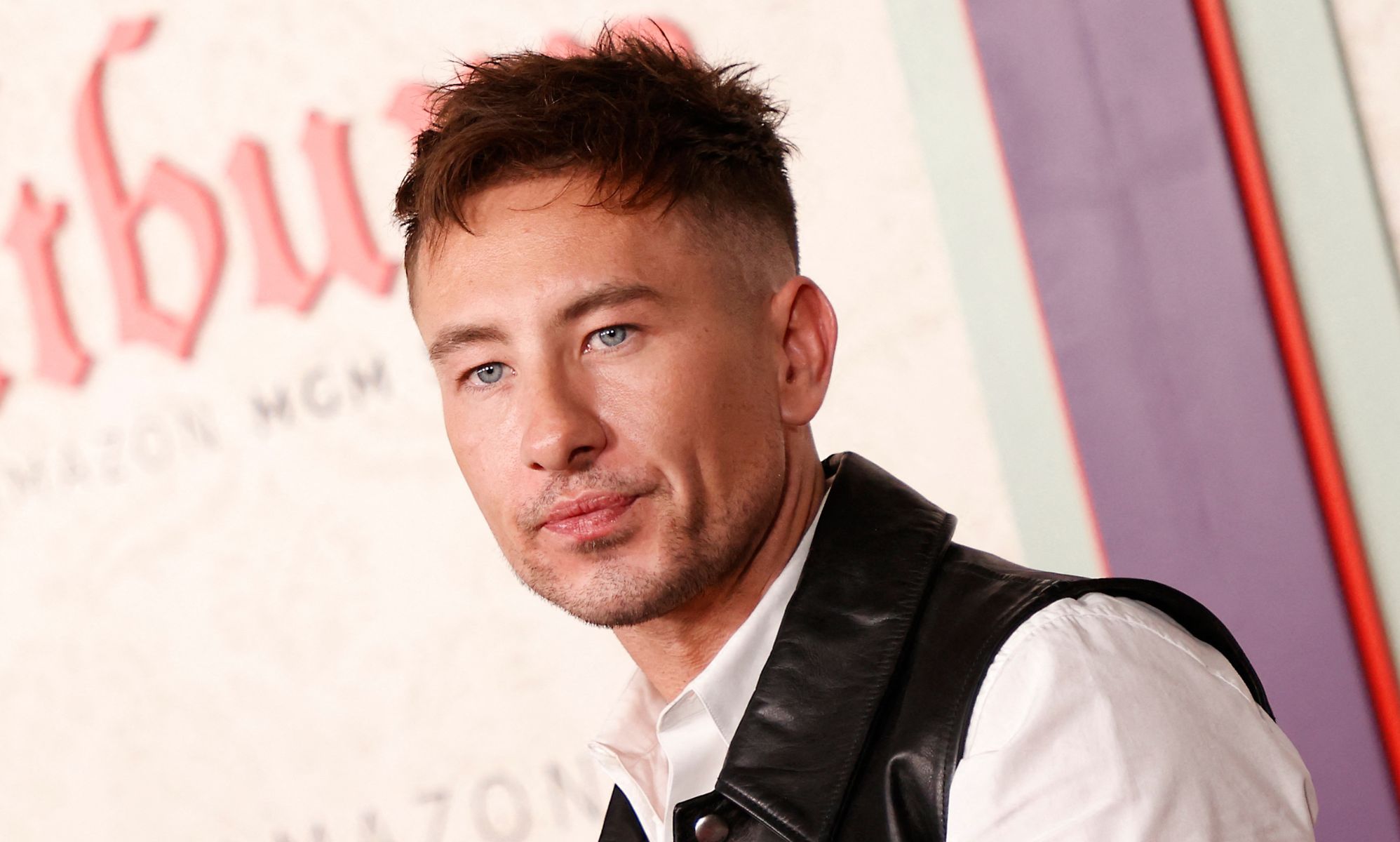
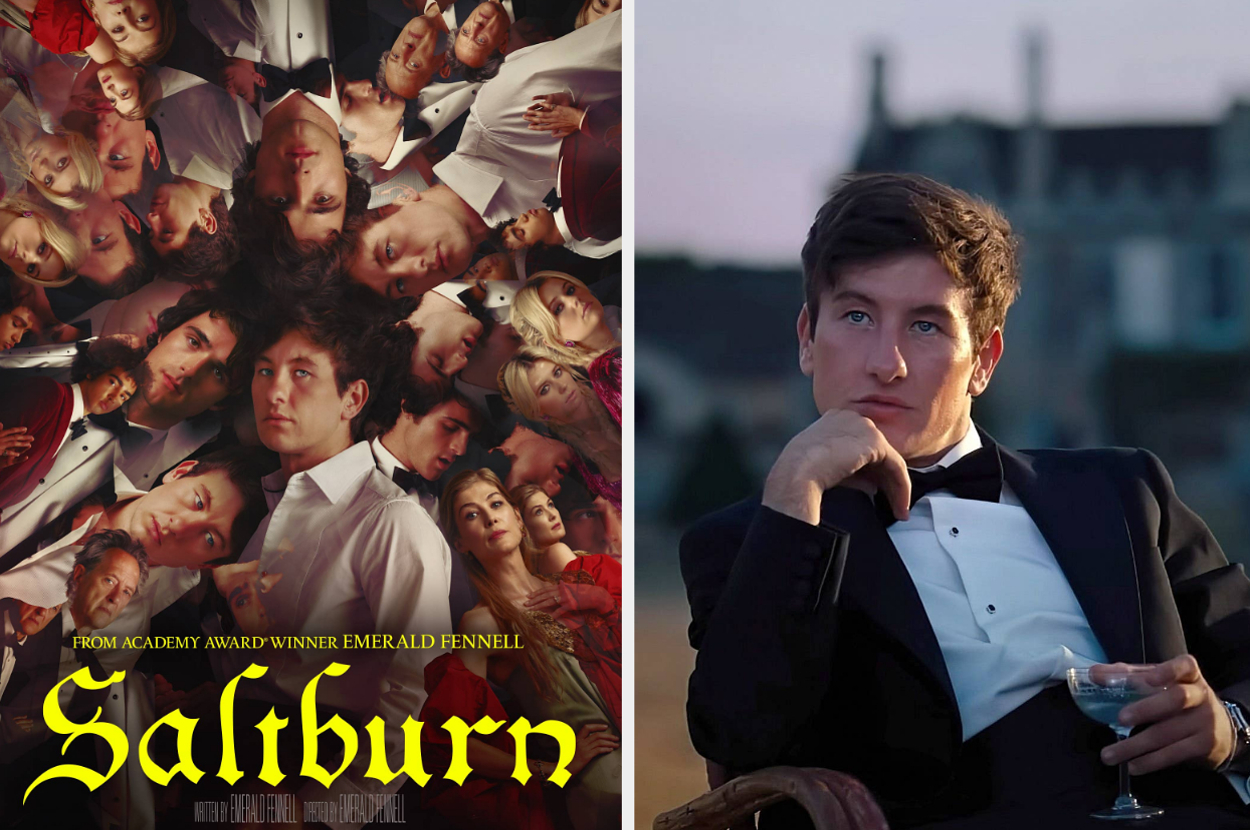
Saltburn, directed by Emerald Fennell, is a 2023 psychological thriller frequently mistaken for an A24 production due to its bold aesthetic and polarizing themes. In reality, it was produced by Amazon MGM Studios and LuckyChap Entertainment. The film follows Oliver Quick’s calculated infiltration of the aristocratic Catton family at their sprawling estate.
In the years since its release, Saltburn has transitioned from a viral social media moment to a definitive piece of modern Gothic cinema. As we look back from 2026, the film’s legacy is defined not just by its shocking scenes, but by the meticulous craftsmanship and the surprising logistical hurdles that defined its production. While many viewers still associate the film with the "A24 brand," its origins and execution are far more complex.
1. The "A24" Misconception and the Power of Branding
One of the most persistent "facts" cited about Saltburn is that it is an A24 film. However, this is technically incorrect. Saltburn was produced by LuckyChap Entertainment (Margot Robbie’s production company) and Amazon MGM Studios, with distribution handled by Warner Bros. Pictures in several territories.
The reason for this common mistake lies in the "A24 Aesthetic." Throughout the 2010s and early 2020s, A24 became synonymous with high-concept, visually lush, and provocative indie-leaning cinema. Saltburn, with its 1.33:1 aspect ratio, saturated color palette, and transgressive subject matter, fits the profile of an A24 "prestige horror" or "elevated thriller" perfectly.
By 2026, film historians often point to Saltburn as the moment where the "A24 style" became a broader industry standard. LuckyChap Entertainment utilized a similar marketing strategy, focusing on "vibe-heavy" trailers and word-of-mouth shock value, which blurred the lines between the studios in the eyes of the general public. This misconception serves as a testament to how successfully Emerald Fennell and her team captured the cultural zeitgeist of independent-feeling cinema within a major studio framework.
2. Drayton House: The Estate That Had Never Been Filmed
The titular estate, Saltburn, is the soul of the film. While many British period dramas utilize famous locations like Chatsworth House or Wilton House (seen in Bridgerton or The Crown), Emerald Fennell was adamant about using a location that audiences hadn't seen before.
The production landed on Drayton House in Northamptonshire. This Grade I listed country house has been in the same family since the 18th century and had a strict "no filming" policy for decades. To secure the location, the production had to agree to several unique conditions:
- Privacy Agreements: The family’s identity was kept relatively quiet during the initial stages of production.
- No Public Access: Unlike many estates used in film, Drayton House remains a private family home and is not open to the public, which added to the "exclusive" and "forbidden" feel of the Catton family's world.
- The Labyrinth: The famous hedge maze seen in the film’s climax did not actually exist. The production team constructed the maze specifically for the movie, as the original gardens did not feature one.
Fennell’s choice of Drayton House was strategic. She wanted the house to feel like a "vampiric" entity that could swallow its inhabitants. By using a fresh location, the film avoids the "tourist" feel of other British dramas, making the Catton estate feel like a private, decaying kingdom.
3. The Choice of the 1.33:1 "Square" Aspect Ratio
One of the most striking technical aspects of Saltburn is its aspect ratio. While most modern films are shot in widescreen (1.85:1 or 2.39:1), Fennell and cinematographer Linus Sandgren (an Academy Award winner for La La Land) chose the 1.33:1 Academy Ratio.
This decision was not merely stylistic; it was a narrative tool designed to change how the audience perceives the characters:
- Voyeurism: The square frame creates a sense of "peeping" into a dollhouse. It makes the audience feel like they are looking through a keyhole, which mirrors Oliver’s own perspective as he watches Felix and his family.
- Portraiture: The ratio is ideal for human portraits. It emphasizes the height of the grand rooms at Drayton House while keeping the focus tightly on the actors' faces.
- Claustrophobia: Despite the vastness of the estate, the tight frame creates a sense of entrapment. No matter how much wealth the Cattons have, they are boxed into their own rigid social structures.
Sandgren used 35mm film to capture this, providing a grain and texture that feels timeless. By 2026, this "square" look has been adopted by numerous fashion photographers and music video directors, citing Saltburn as a primary influence for the revival of the format.
4. Barry Keoghan’s Intense Improvisations
The film is famous for several "shock" scenes, most notably the bathtub scene and the graveyard scene. What many fans find surprising is the level of improvisation Barry Keoghan brought to these moments.
In the graveyard scene, the script originally called for Oliver to simply weep or express grief in a more traditional manner. However, Keoghan felt that Oliver’s obsession needed to be more visceral and "animalistic." He requested a closed set—minimal crew, no monitors for outsiders—and performed the scene in a way that shocked even the director. Keoghan has stated in interviews that he wanted to explore the idea of Oliver "consuming" Felix’s memory, leading to the disturbing physicality of the final cut.
Similarly, the bathtub scene was meticulously choreographed for lighting, but the raw intensity of the performance was Keoghan’s interpretation of Oliver’s "vampiric" nature. This commitment to the role cemented Keoghan as one of the premier physical actors of his generation, a reputation that has only grown as of 2026.
5. The Symbolism of the Minotaur and the Maze
Saltburn is steeped in Greek mythology, specifically the myth of Theseus and the Minotaur. This is not just an academic subtext; it is visually represented throughout the film.
At the center of the estate’s garden is a statue of a Minotaur, created by artist Nicola Hicks. The maze itself represents the psychological trap that Oliver both enters and eventually controls.
- Oliver as the Minotaur: While Felix might initially seem like the "prince" (Theseus), the film subverts this by suggesting that Oliver is the monster at the center of the labyrinth.
- The Midsummer Night’s Dream Connection: The party scene is a direct nod to Shakespeare’s play, where characters lose their identities in the woods. The costumes—Felix’s angel wings and Oliver’s deer antlers—symbolize their roles as the "prey" and the "hunter," respectively.
The meticulous production design ensures that every statue, painting, and architectural detail at Drayton House reinforces the theme of a predatory environment. The "surprising" depth of this symbolism has made the film a favorite for film school analysis and video essays well into 2026.
6. The "Murder on the Dancefloor" Resurgence
Perhaps the most unexpected real-world outcome of Saltburn was the massive commercial resurgence of Sophie Ellis-Bextor’s 2001 hit, "Murder on the Dancefloor."
The film’s closing sequence, featuring a nude Oliver dancing through the halls of Saltburn to the track, became a viral sensation on platforms like TikTok and Instagram. This led to:
- Chart Success: The song re-entered the UK Singles Chart and the Billboard Hot 100 over 20 years after its initial release.
- Streaming Milestones: By 2026, the track has accumulated hundreds of millions of new streams directly attributable to the film’s "Saltburn Summer" cultural peak.
- Cultural Longevity: The scene is now considered one of the most iconic "needle drops" in cinema history, comparable to the use of "Stuck in the Middle with You" in Reservoir Dogs.
The success of the song highlighted the film's ability to bridge the gap between "high art" cinema and mainstream pop culture, a feat that few films achieved in the mid-2020s.
7. The "Summer Camp" Production Style
Despite the dark and heavy themes of the movie, the production itself was described by the cast as a "summer camp" experience. Because Drayton House is so isolated, Emerald Fennell encouraged the cast to live near the location and spend their off-hours together.
Jacob Elordi (Felix), Barry Keoghan (Oliver), Alison Oliver (Venetia), and Archie Madekwe (Farleigh) reportedly spent their evenings having dinners and staying in character-adjacent mindsets. This "lived-in" chemistry is what makes the tension in the film feel so authentic.
- Fennell’s Direction: Fennell is known for her "sensory" style of directing. She often provided the actors with specific scents or playlists to evoke the mood of a scene.
- The Wardrobe: Costume designer Sophie Canale purposefully chose "lived-in" luxury. The Cattons’ clothes are expensive but often disheveled or stained, representing a level of wealth where they no longer have to care about appearances—a sharp contrast to Oliver’s initially stiff and "proper" wardrobe.
| Feature | Description | Narrative Purpose |
|---|---|---|
| Aspect Ratio | 1.33:1 (Academy) | Creates voyeuristic, "dollhouse" intimacy. |
| Primary Location | Drayton House, Northamptonshire | First-time use in film; emphasizes exclusivity. |
| Key Symbol | The Minotaur Statue | Represents the predator within the labyrinth. |
| Closing Song | "Murder on the Dancefloor" | Symbolizes Oliver’s total "triumph" and ownership. |
| Film Stock | 35mm | Provides a rich, saturated, "Gothic" texture. |
| Production House | LuckyChap / Amazon MGM | Mistaken for A24 due to its stylistic boldness. |
Frequently Asked Questions
Is Saltburn actually an A24 movie?
No, Saltburn is not an A24 movie. It was produced by LuckyChap Entertainment and Amazon MGM Studios. The confusion stems from its artistic style, psychological themes, and polarizing reception, which are hallmarks of the A24 brand. In 2026, it is often cited as the quintessential "non-A24" film that people believe belongs to the studio.
Where was Saltburn filmed?
The film was shot almost entirely at Drayton House in Northamptonshire, England. The estate is a private residence and is not open to the general public. Because the house had never been used for a major motion picture before, its interiors and gardens provided a fresh, un-recycled look that contributed to the film's unique atmosphere.
Why is the screen square in Saltburn?
The film uses a 1.33:1 aspect ratio, which creates a square-like image. Director Emerald Fennell chose this to evoke a sense of voyeurism and to emphasize the "portrait" quality of the characters. It also highlights the height and grandeur of the Drayton House ceilings while making the characters feel "boxed in" by their social status and obsessions.
Did Barry Keoghan actually perform the graveyard scene?
Yes, Barry Keoghan performed the scene with a high degree of improvisation. While the general direction was in the script, the specific physical actions were Keoghan’s own interpretation of his character's obsessive and "vampiric" grief. The scene was filmed on a closed set to allow the actor the freedom to explore the moment without inhibition.
What is the meaning of the ending of Saltburn?
The ending, featuring Oliver dancing through the house, signifies his total victory over the Catton family. By removing his clothes, he symbolizes that he is no longer "wearing" a persona; the house and everything in it now belong to him in his purest, most predatory form. The dance is a victory lap through the "labyrinth" he has successfully navigated and conquered.
Expert Recommendation for Viewers
To fully appreciate the technical depth of Saltburn, it is recommended to watch the film on a screen that can handle high-contrast ratios and deep color saturation. Given the 2026 availability of 4K restoration prints, viewing the film in its original 1.33:1 ratio without "stretching" the image is essential to preserving Emerald Fennell’s intended voyeuristic perspective. Pay close attention to the background art and statuary at Drayton House; many of the film's biggest secrets are hidden in plain sight through the production design long before the plot twists occur.