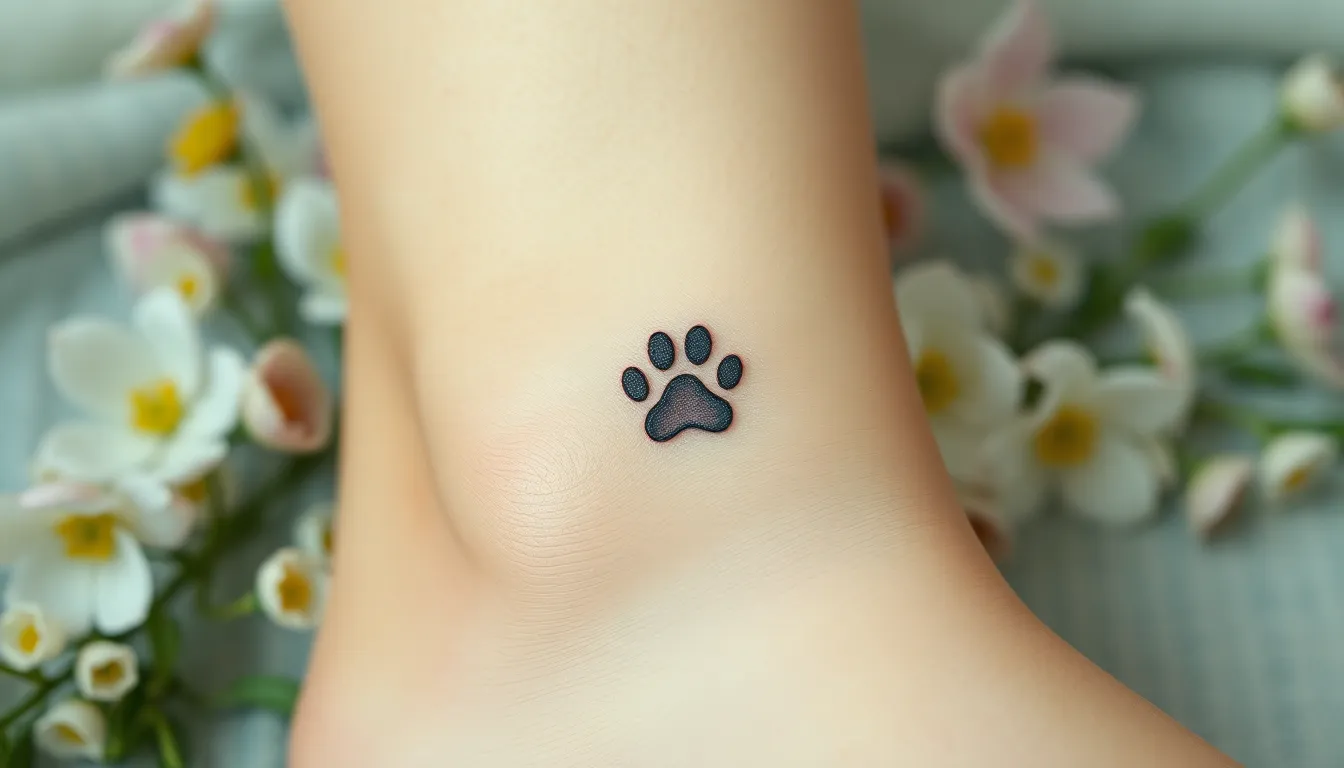
Choosing a tattoo to honor a best friend offers a deeply personal way to process grief, celebrate a shared bond, and carry their memory forward. Designing a memorial piece involves careful reflection on symbolism, style, placement, and emotional readiness to ensure the artwork genuinely reflects your relationship and provides lasting comfort.
Losing a best friend is one of life's most devastating experiences, leaving a profound void that words often fail to capture. For centuries, humans have used body art as a permanent form of commemoration, transforming physical pain into a visual testimony of love and remembrance. Commemorating a friendship through ink is not merely about decoration; it is a deliberate, therapeutic ritual that gives grief a physical shape. When selecting a memorial tattoo, the process requires patience, emotional introspection, and a clear understanding of how different artistic choices translate onto the skin.
Navigating the world of memorial tattoos can feel overwhelming, especially when you are already dealing with the heavy fog of bereavement. Whether you are looking for something subtle and minimalist or a striking portrait piece, finding the right approach helps ensure the final artwork serves as a source of comfort rather than a painful trigger. Exploring different creative avenues allows you to pinpoint a concept that resonates uniquely with the bond you shared.
1. Minimalist and Symbolic Line Work
For those who prefer subtlety or want a piece that can be easily concealed in professional settings, minimalist line work offers a profound way to honor a best friend. These tattoos rely on clean lines, simple geometries, and understated elegance to convey complex emotions without overwhelming the canvas of your skin.
Minimalist designs often focus on a single, powerful motif that held mutual significance between you and your friend. This could be the outline of a favorite flower, a shared constellation, a tiny wave representing a memorable trip, or a simple infinity symbol intertwined with initials. The beauty of minimalist line work lies in its discretion and timelessness. Because the design is stripped down to its bare essentials, it avoids visual clutter, allowing the emotional weight of the symbol to take center stage.
When planning a minimalist tattoo, consider the following technical elements to ensure longevity:
- Line Weight: Fine-line tattoos are incredibly popular for their delicate appearance, but they require an experienced artist. Lines that are too thin may fade or blur over time, particularly on areas with high friction or movement.
- Aging and Touch-Ups: Discuss how the design will age with your artist. Simple lines can always be thickened or reinforced during a touch-up session a few months after the initial healing process.
- Placement: Collarbones, inner wrists, ankles, and behind the ear are prime locations for minimalist pieces, offering an intimate spot that you can easily view for personal comfort.
2. Shared or Matching Memorial Tattoos
If your friend group or community is grieving together, getting matching or complementary memorial tattoos can foster a profound sense of collective healing. Sharing the experience of getting inked creates a ritual space for storytelling, crying, and laughing about shared memories, turning a solitary act of mourning into a supportive community effort.
Matching tattoos do not necessarily mean identical designs. Many friends opt for complementary pieces—such as a sun and a moon, two puzzle pieces that fit together symbolically, or coordinates pointing to a destination where you shared a pivotal life moment. Another popular approach is handwriting transfer, where each person tattoos a short phrase or signature written by the deceased friend in their actual handwriting.
| Design Approach | Best Suited For | Key Consideration |
|---|---|---|
| Identical Designs | Close-knit groups wanting unified remembrance | Ensuring all participants agree on size and placement |
| Complementary Pairs | Duo dynamics (e.g., matching flora, sun/moon) | Balancing visual weight so neither piece feels incomplete alone |
| Handwriting Snippets | Preserving personal notes, cards, or journals | Finding a clear, high-resolution scan or photo of the handwriting |
3. Portraiture and Realistic Memorials
For a bold and direct tribute, portraiture and hyper-realistic tattoos capture the literal likeness or spirit of your best friend. This style demands exceptional technical skill from the tattoo artist, making it crucial to vet portfolios thoroughly and seek out specialists who focus exclusively on portraits, black-and-grey realism, or color realism.
Portraits can be rendered in striking black-and-grey realism, which often evokes a classic, timeless photograph feel, or in full color to capture the vibrancy of your friend's personality. If a direct facial portrait feels too emotionally intense for daily viewing, many people choose a realistic depiction of an animal, object, or scene associated with their friend—such as their beloved pet, their favorite instrument, or a landscape they loved to hike together.
When commissioning a portrait or realistic piece, keep these practical factors in mind:
- Reference Photos: Provide the artist with multiple high-resolution photos, preferably with good lighting that highlights the person's bone structure and distinct expressions.
- Scale and Space: Realistic tattoos require a larger canvas to capture fine details like eyes, hair texture, and shading. Popular locations include the upper arm, thigh, back, or calf.
- Healing and Maintenance: Realistic tattoos often require heavy shading and packed ink, which can extend the healing time. Sun protection is vital down the road to prevent the ink from fading and blurring facial features.
4. Incorporating Meaningful Handwriting and Quotes
Words carry immense power, and embedding a literal piece of your friend's handwriting into your tattoo bridges the gap between memory and physical presence. Whether it is a sticky note left on your desk, a line from a birthday card, or a signature at the bottom of a letter, authentic handwriting preserves their exact cadence and individuality in a way standard typography never can.
To execute this, you will need to provide the tattoo artist with a clear digital scan or photograph of the handwriting. The artist can trace the exact lines, curves, and unique quirks of the letters. Many people pair the handwriting with an illustrative element, such as a floral wreath framing the words, a soaring bird, or a botanical sprig.
If you do not have a physical sample of their handwriting, carefully selecting a meaningful quote, lyric, or inside joke rendered in a custom script can serve a similar purpose. Discuss typography styles with your artist—ranging from delicate cursive to bold typewriter fonts—to match the tone of the message.
5. Botanical, Animal, and Symbolic Metaphors
When direct portraits or text feel too raw or literal, botanical and animal symbolism provides a poetic, layered way to honor a best friend. Throughout history, cultures have assigned specific meanings to plants, flowers, and creatures, allowing you to encode a deeply personal narrative into a beautiful piece of art.
For instance, a lotus flower symbolizes rebirth and spiritual growth through adversity, while forget-me-nots explicitly represent true memories and remembrance. If your friend had a favorite animal—such as an owl representing wisdom, a wolf symbolizing loyalty, or a bee denoting hard work and community—incorporating that creature creates a rich visual metaphor.
Choosing Your Symbolic Elements
- Birth Flowers and Stones: Combining your birth flower with your friend's birth flower in a interwoven bouquet represents an unbreakable bond rooted in time.
- Mythological and Cosmic Motifs: Constellations corresponding to the night sky of their birthdate or passing offer a cosmic tribute that spans the universe.
- Abstract Expressions: Abstract art uses color splashes, geometric shapes, and fluid lines to evoke a feeling rather than a concrete object, leaving the true meaning entirely between you and your memory of them.
Frequently Asked Questions
How long should I wait after a loss before getting a memorial tattoo?
There is no universal timeline for grief, and waiting until the acute shock of loss has settled is generally recommended. Give yourself at least a few months to process your emotions so that your design choices stem from a place of clarity rather than pure impulse. Take time to research artists and refine your concept during this period.
How do I find an artist who specializes in memorial tattoos?
Look for tattoo artists whose portfolios demonstrate mastery in the specific style you want—whether that is fine-line minimalism, black-and-grey realism, or script work. Read client reviews, visit shops in person if possible, and schedule a consultation to discuss your emotional context and design expectations before booking.
What are the best body placements for a memorial tattoo?
The best placement depends on whether you want the tattoo to be visible to others or kept as a private comfort. Inner wrists, forearms, and shoulders offer easy visibility for personal reflection. If you prefer privacy, ribs, collarbones, upper thighs, or the back provide intimate locations.
Can I incorporate my friend's ashes into the tattoo ink?
Some specialized tattoo studios offer memorial tattoos infused with cremated ashes. However, safety regulations and sanitary practices vary significantly by jurisdiction and health department guidelines. Always discuss this option thoroughly with a reputable, licensed professional artist and ensure sterile, high-grade medical practices are followed.
How do I care for a new memorial tattoo during the healing process?
Follow your tattoo artist's specific aftercare instructions religiously. This typically involves keeping the area clean with mild, fragrance-free soap, applying a thin layer of recommended healing ointment or lotion, avoiding direct sunlight, and refraining from picking or scratching at scabbing skin as it heals.
Final Recommendation
Honoring the loss of a best friend through a tattoo is a deeply personal journey that merges art with emotional healing. Take your time researching concepts, vetting professional artists, and selecting a design and placement that brings you genuine solace. Whether you choose a subtle fine-line symbol or a detailed portrait, let the artwork serve as a lasting testament to a bond that transcends physical absence.