Choosing the best high pressure shower system requires evaluating your home's baseline water pressure, analyzing flow restrictor regulations, understanding spray pattern engineering, selecting appropriate materials, and verifying compatibility with your existing plumbing infrastructure.
Transforming a weak, disappointing trickle into an invigorating, therapeutic cascade begins with a fundamental understanding of why residential showers lose pressure. Municipal water supply variations, aging galvanized pipes, mineral-clogged showerheads, and modern water-conservation mandates often conspire to reduce water velocity. Selecting an effective high-pressure system is not merely about picking the flashiest fixture off a retail shelf; it requires a methodical evaluation of technical specifications, fluid dynamics, and infrastructural constraints.
Whether you are dealing with a historic home featuring narrow half-inch supply lines or a modern apartment with strict regulatory flow caps, finding the ideal solution demands attention to detail. This guide breaks down the core considerations every homeowner or renter must address before investing in a high-pressure shower upgrade.
1. Assess Your Home’s Baseline Water Pressure and Flow Rate
Before purchasing any high-pressure shower system, you must diagnose the actual water conditions inside your home. Water pressure is measured in pounds per square inch (PSI), while flow rate is measured in gallons per minute (GPM). Knowing these metrics prevents you from buying a system that either underperforms or fails to deliver noticeable improvements.
To accurately determine your baseline pressure, purchase an inexpensive screw-on water pressure gauge from a local hardware store and attach it to an outdoor hose bib or a threaded indoor sink faucet. Ideally, residential water pressure should fall between 40 and 60 PSI. If your reading drops below 40 PSI, you are experiencing low pressure, which severely limits the performance of standard showerheads. Conversely, pressures exceeding 80 PSI can damage plumbing fixtures and require a pressure-reducing valve (PRV).
Flow rate is equally critical. In many jurisdictions, standard modern showerheads are legally restricted to a maximum flow of 2.0 to 2.5 GPM to conserve water. However, true high-pressure systems achieve their invigorating feel not necessarily by consuming more water, but by accelerating the velocity of the water passing through specialized internal nozzles. When assessing your baseline, check your water heater capacity as well. A high-pressure system that draws water quickly can rapidly deplete a standard tank water heater if the flow rate exceeds the heating capability.
2. Understand Flow Restrictors and Regulatory Compliance
A common point of frustration for consumers seeking high-pressure showers is the presence of internal flow restrictors. Manufacturers install these small plastic or brass disks inside the showerhead inlet to comply with federal and local water conservation standards, such as those set by the United States Environmental Protection Agency's WaterSense program. While these devices successfully reduce municipal water consumption, they can also stifle water force.
When evaluating shower systems, look closely at how the manufacturer designs the internal waterways. High-performance systems utilize advanced fluid dynamics—such as internal compression chambers, venturi effect boosters, or micro-targeted nozzle arrays—to maintain a powerful spray sensation while operating within legal GPM limits.
- Compliant Restrictors: Many high-pressure models feature removable or adjustable flow restrictors. In regions where regulations permit, some users choose to remove or modify these components.
- Aero-Injection Technology: Premium systems often draw ambient air into the water stream, mixing air with water droplets to increase volume and pressure perception without increasing actual water usage.
- Eco-Modes: Look for systems that offer an integrated trickle valve or pause button, allowing you to temporarily reduce flow while soaping up without disrupting your temperature mix.
Be sure to check local plumbing codes before altering any factory-installed flow restrictors, as multi-family buildings and specific municipalities enforce strict limits on water consumption fixtures.
3. Evaluate Showerhead Types and Spray Pattern Engineering
Not all high-pressure shower systems look or feel the same. The architecture of the spray face dictates how water is distributed across your body, directly influencing the perceived pressure and overall comfort of the shower experience.
Single-function fixed showerheads generally offer the highest concentrated pressure because all available water is forced through a tightly clustered array of rubber or silicone nozzles. Multi-function showerheads provide versatility, allowing you to switch between pulsing massage settings, rain rinses, and mist modes, though diverter valves can sometimes cause a slight drop in peak pressure. Handheld shower systems offer the best of both worlds, provided the connecting hose is wide enough to prevent friction loss.
| Shower System Type | Primary Advantage | Pressure Performance Potential | Best Suited For |
|---|---|---|---|
| Fixed Single-Function | Maximum sustained velocity | Excellent | Homes with naturally low static pressure |
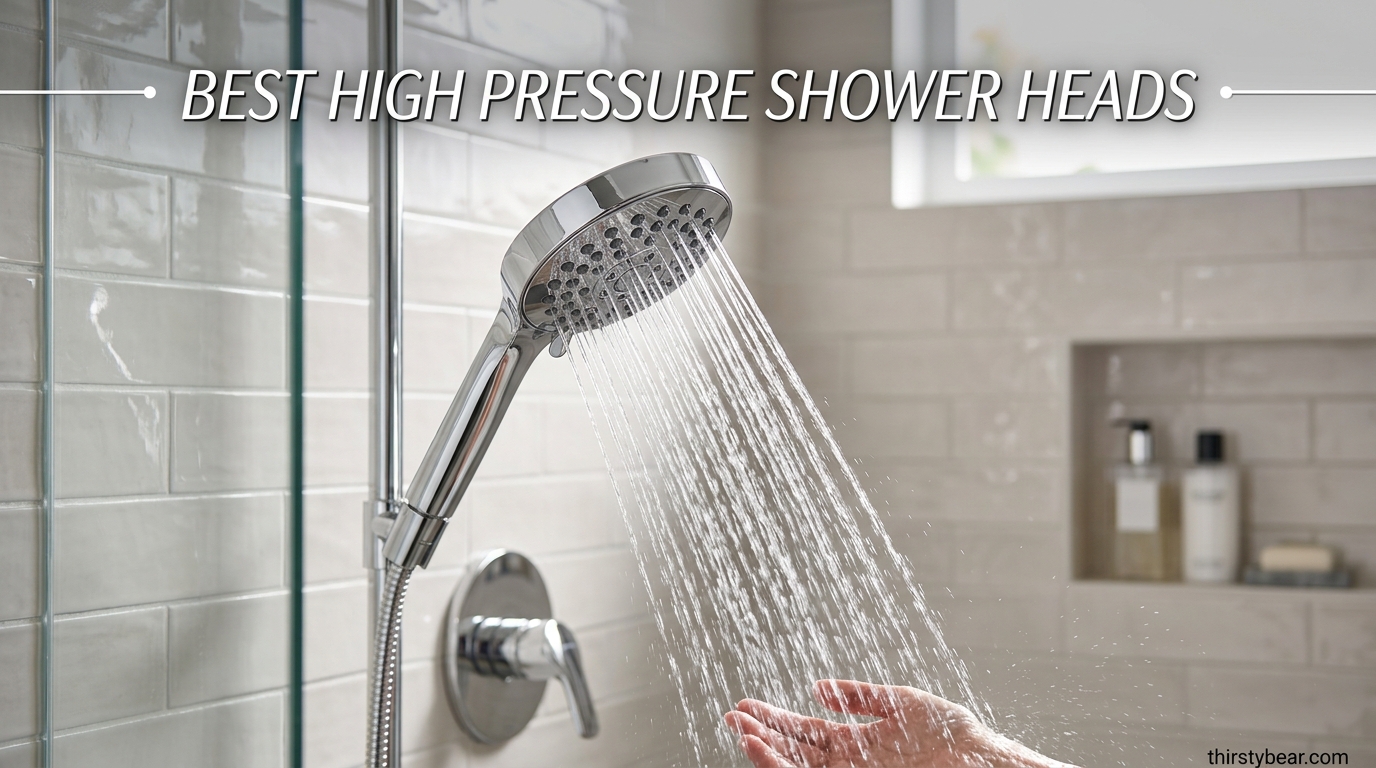
| Handheld High-Pressure | Targeted cleaning and flexibility | Very Good | Families, washing pets, localized rinsing |
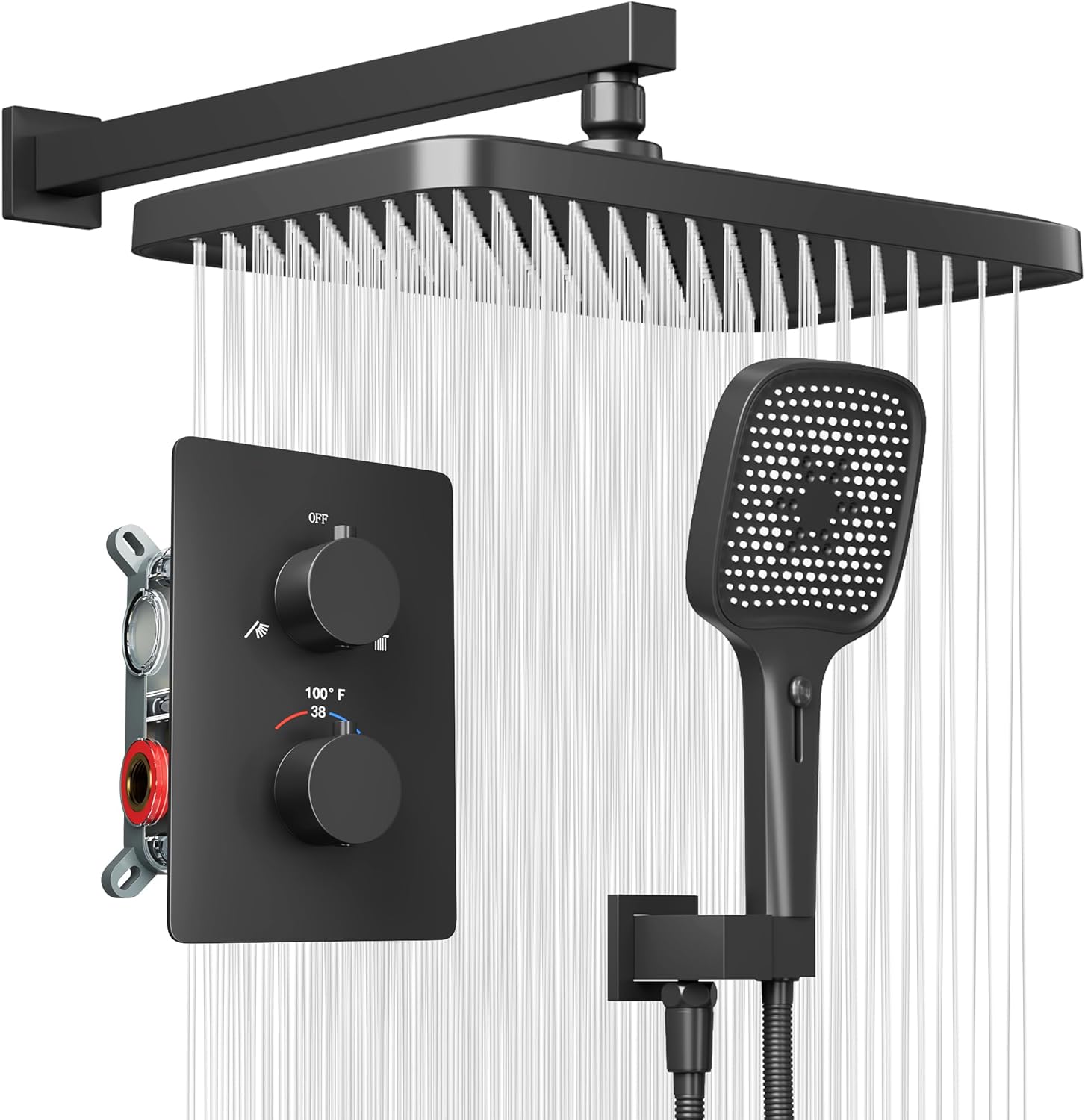
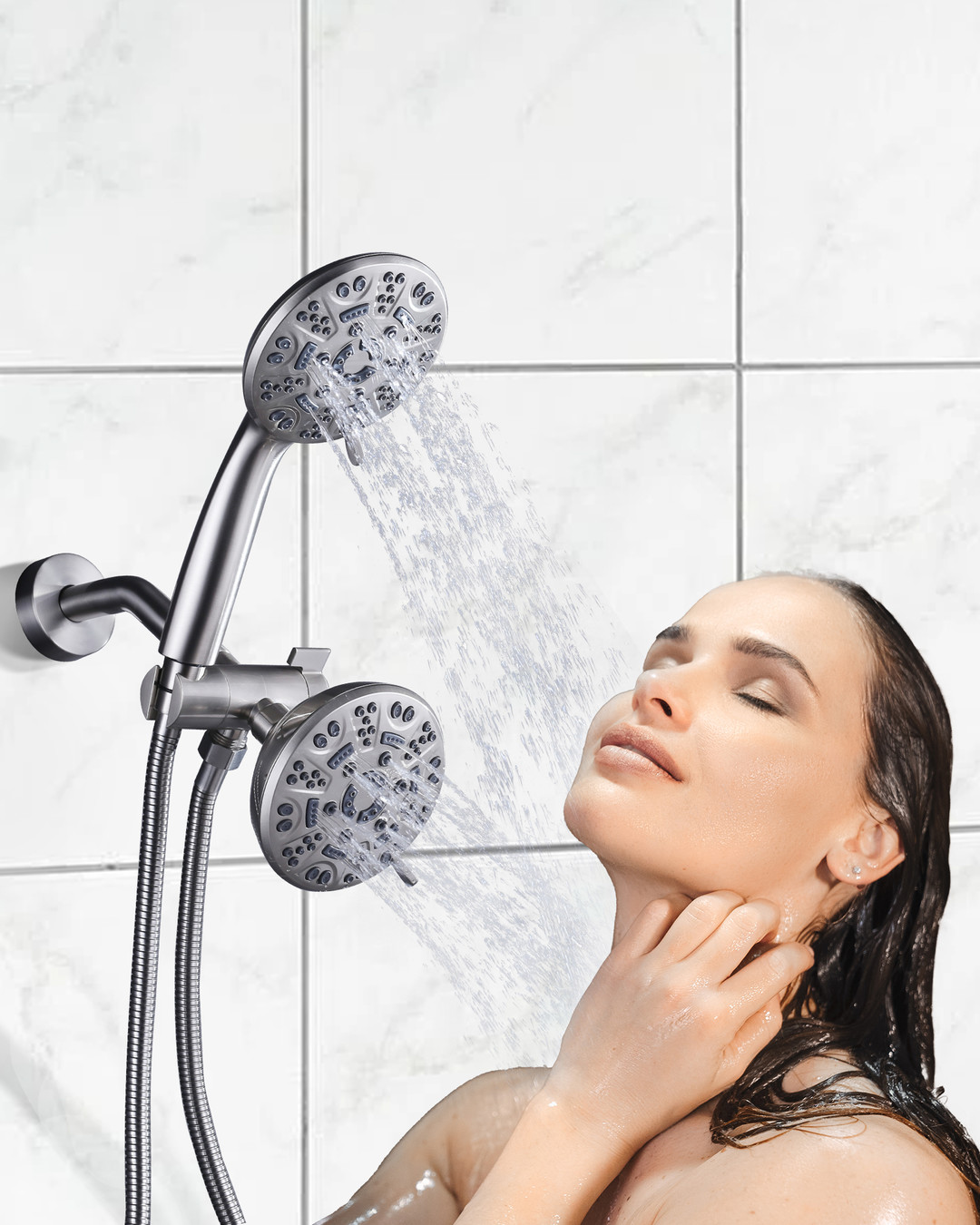
| Dual Shower Head Combo | Simultaneous overhead and handheld spray | Moderate to High | Large stalls requiring high water volume |
| Rainfall with Booster | Wide coverage combined with pressurized jets | Good | Modern bathrooms with robust primary supply |
When reviewing spray patterns, pay attention to the material composition of the nozzle tips. Silicone and rubber nozzles are vastly superior to rigid plastic or metal plates because they prevent mineral scale buildup. When hard water minerals like calcium and magnesium dry on a rigid nozzle, they constrict the opening and scatter the stream. Flexible silicone tips allow you to simply wipe your thumb across the faceplate to dislodge mineral deposits and maintain optimal pressure over time.
4. Prioritize Build Quality, Materials, and Finish Durability
The internal components and exterior finishes of a high-pressure shower system determine its longevity and sustained performance. High-pressure water puts continuous stress on internal joints, valve seals, and connection points, making material selection a critical safety and financial consideration.
Avoid cheap, all-plastic showerheads that rely on lightweight chrome-plated resin. Under high water pressure and fluctuating thermal expansion cycles, brittle plastic housing can crack, leak, or blow off the shower arm entirely. Instead, look for systems constructed from solid brass, heavy-duty stainless steel, or robust ABS thermoplastics engineered specifically to withstand high-stress hydraulic environments.
- Brass and Stainless Steel: Offer superior structural integrity, corrosion resistance, and long-term durability, especially in areas with aggressive or hard water.
- Internal Cartridges: Ensure the internal diverter valves or ball joints utilize ceramic discs rather than rubber washers to prevent premature leaking and handle smooth adjustments.
- Finish Resilience: Opt for finishes like PVD (Physical Vapor Deposition) brushed nickel, polished chrome, or matte black that resist tarnishing, fingerprint smudges, and chemical degradation from standard bathroom cleaners.
Investing in a well-constructed system upfront prevents catastrophic leaks behind bathroom walls and eliminates the need for frequent replacements caused by premature mechanical failure.
5. Verify Compatibility with Existing Plumbing Infrastructure
The final step in choosing the best high-pressure shower system involves confirming that the hardware matches your bathroom's existing physical layout and plumbing dimensions. Ignoring compatibility checks can lead to frustrating installation roadblocks or expensive modifications.
Most standard shower arms in North American and European homes feature a universal half-inch NPT (National Pipe Thread) connection. However, specialty rain shower systems, ceiling-mounted arms, or dual-head wall units may require extended drop-ears, rigid support brackets, or reinforced plumbing lines to support the added weight and leverage of the fixture.
Furthermore, consider whether your current hot water supply can keep pace with an upgraded system. If you choose a high-flow or high-pressure multi-head configuration, your water heater must be capable of delivering sustained hot water without running cold prematurely. If you live in an area prone to severe hard water, verify that the system accommodates inline sediment filters or mineral softening attachments to protect the internal jets from clogging. Always review the manufacturer installation manual and check whether standard plumbing tape (PTFE tape) and washers are included in the package to ensure a secure, leak-free connection.
Frequently Asked Questions
Can a showerhead actually increase water pressure?
A showerhead cannot magically increase the base water pressure supplied by your home's plumbing system. However, a well-designed high-pressure showerhead optimizes fluid dynamics by narrowing internal channels or using air-induction technology to accelerate water velocity, creating a much stronger and more invigorating spray feel using the existing pressure.
How do I remove mineral buildup from my high-pressure showerhead?
To restore lost pressure caused by hard water scaling, remove the showerhead if possible and submerge it in a bowl filled with equal parts white vinegar and warm water for 30 to 60 minutes. For showerheads with flexible silicone nozzles, simply rubbing your fingers across the tips while the water is running will often pop out loosened mineral deposits.
Are high-pressure shower systems bad for the environment?
Not necessarily. While traditional high-pressure fixtures used massive amounts of water, modern high-pressure systems achieve a powerful spray sensation while remaining fully compliant with strict federal flow rate caps (typically 2.0 to 2.5 GPM) by utilizing advanced internal engineering rather than simply wasting water.
What is the difference between water pressure and water flow?
Water pressure refers to the force (measured in PSI) pushing water through your pipes, while water flow refers to the volume of water delivered over a specific period (measured in GPM). You can have high pressure with low flow, or high flow with low pressure, depending on your plumbing configuration and fixture design.
Do I need a plumber to install a new high-pressure shower system?
Most standard fixed showerheads and handheld shower systems are designed for straightforward DIY installation. They typically require only basic tools like an adjustable wrench and plumber's tape. However, if you are installing a complex multi-head system that requires altering in-wall mixing valves or reinforcing supply lines, hiring a licensed professional is strongly recommended.