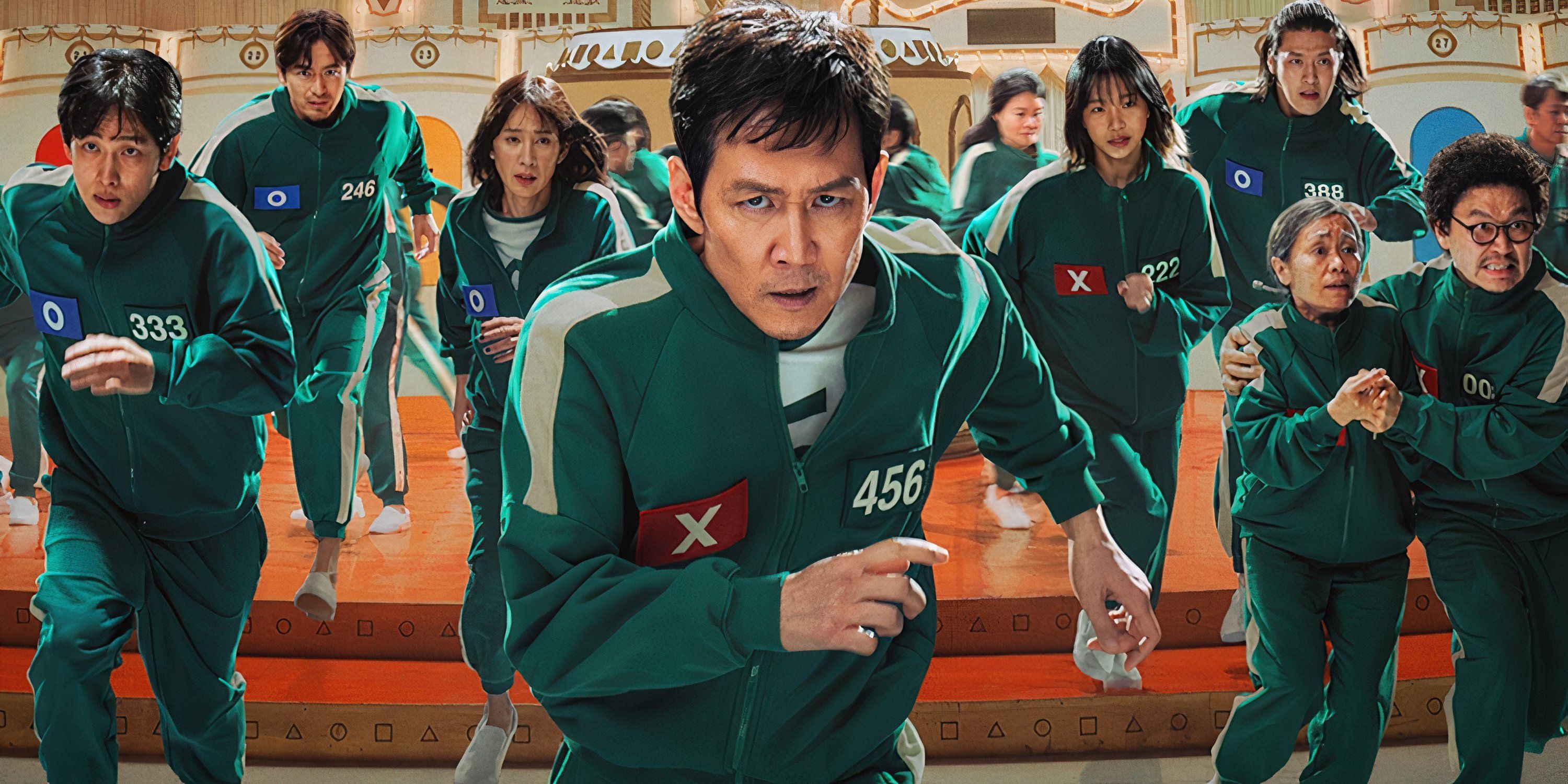
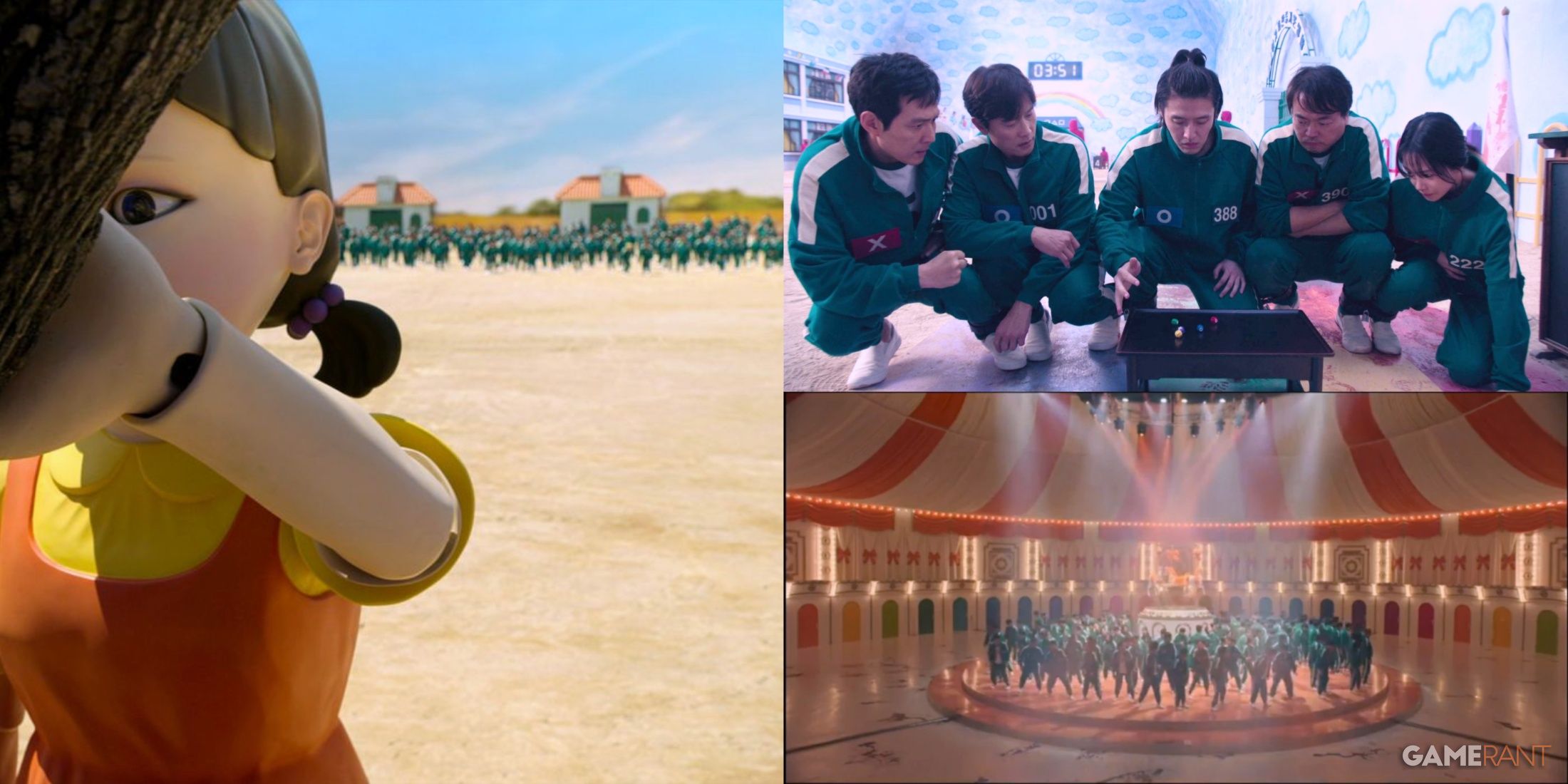
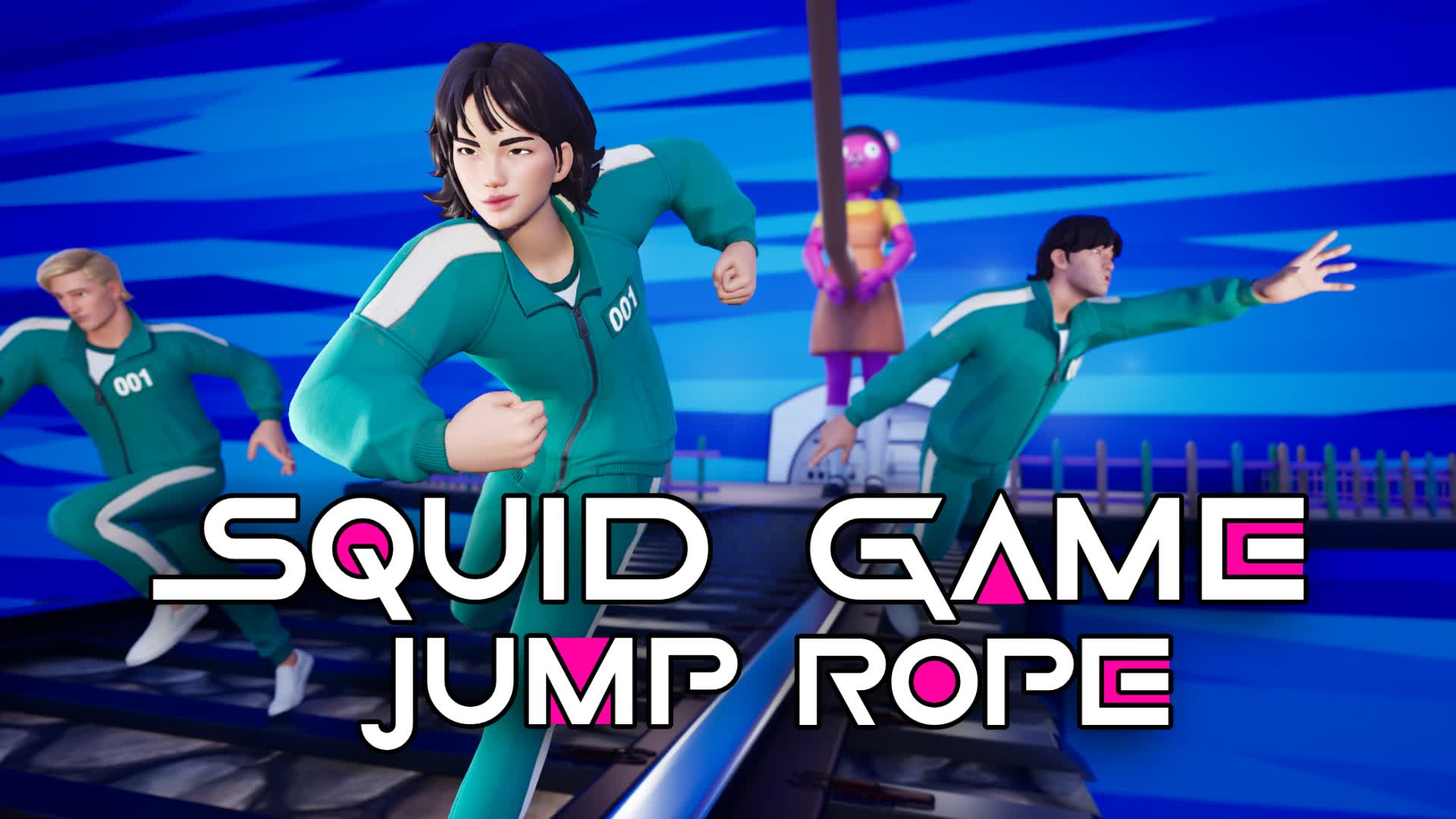
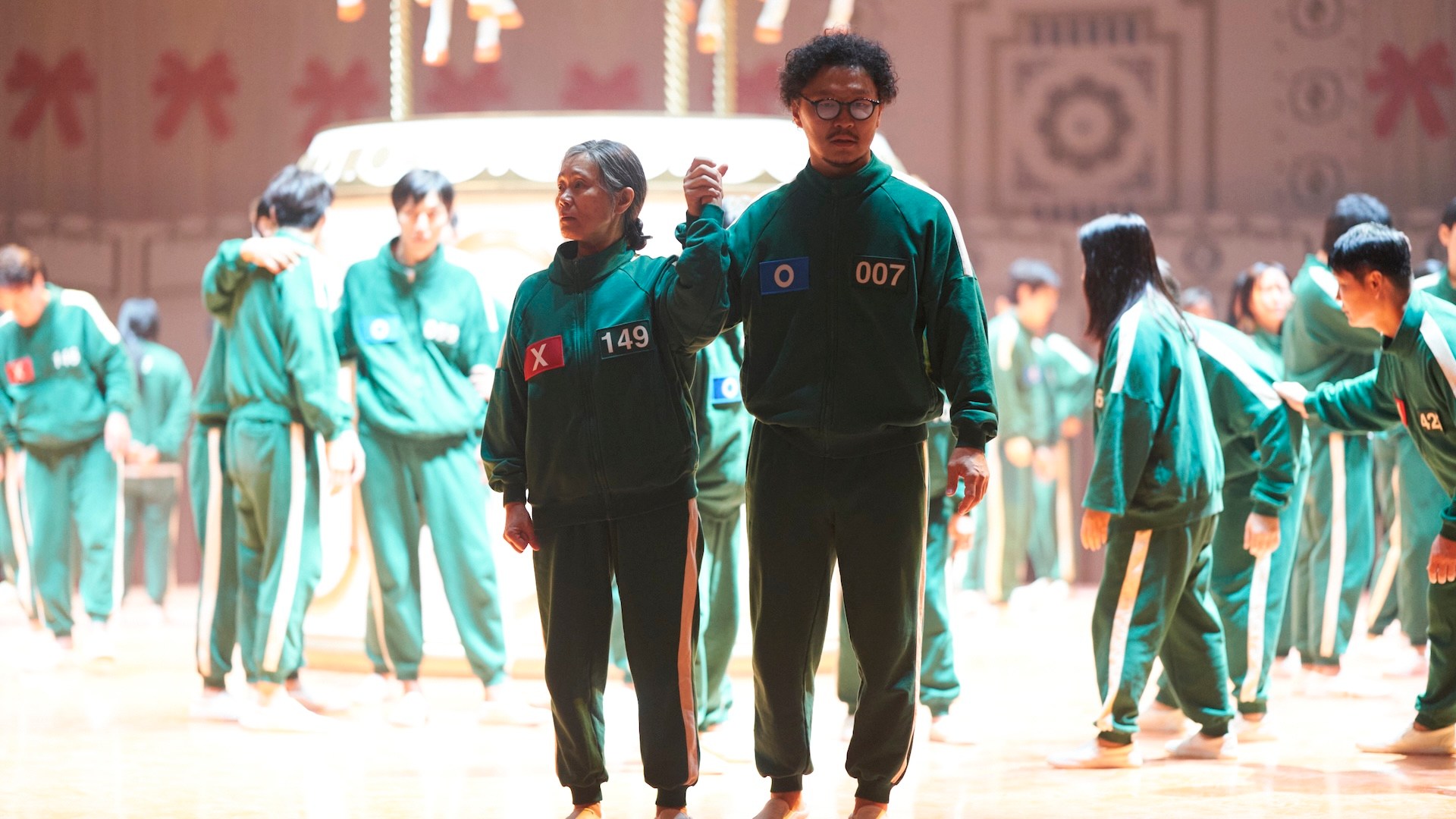
Squid Game has consistently redefined dystopian survival entertainment by fusing traditional children’s playground games with high-stakes, lethal consequences. As viewers and critics look toward the narrative progression of Squid Game season 3, speculation often centers on the specific physical trials that contestants must face. Among the most discussed concepts is "5 jump rope the fifth game in squid game season 3," a phrase representing the intersection of simple childhood recreation, precise timing, and brutal elimination mechanics that characterize the series' core formula.
While television and streaming narratives operate under tight secrecy, analyzing how creator Hwang Dong-hyuk structures the games reveals clear patterns regarding escalation, psychological stress, and physical coordination. This examination explores how a jump rope challenge fits into the established lore, the technical and logistical hurdles such a game presents to characters, and its thematic placement as the penultimate or fifth trial in a grueling survival tournament.
The Structural Anatomy of Squid Game Trials
To understand why a rhythm-based or coordination-heavy trial like jump rope would occupy the crucial fifth slot in a season, one must examine the progression of challenges across the series. The games are never merely tests of physical strength; they are carefully calibrated psychological filters designed to force moral compromise, expose human desperation, and test the limits of cooperation.
In earlier seasons, the games evolved from simple tests of individual focus, such as Red Light, Green Light, to complex communal tasks like the Tug of War and the Glass Bridge. By the time contestants reach the fifth game, the player pool is typically decimated, leaving only the most cunning, physically resilient, or deeply traumatized individuals.
| Game Progression | Primary Skill Tested | Psychological Pressure Factor |
|---|---|---|
| Game 1 | Focus & Composure | Shock of lethal consequences |
| Game 2 | Precision & Patience | Individual survival under pressure |
| Game 3 | Teamwork & Strategy | Collective responsibility for loss |
| Game 4 | Trust & Betrayal | Direct emotional manipulation of allies |
| Game 5 | Synchronization/Agility | High-speed execution with zero margin |
A jump rope challenge requires precise timing, spatial awareness, and often collective synchronization. If implemented as a team-based rope-skipping trial, it forces survivors who have learned to distrust everyone to rely on each other's physical cadence. A single mistimed jump could spell doom not just for the individual, but for an entire linked group.
Why the Fifth Game Marks the Crucial Turning Point
In the narrative architecture of Squid Game, the fifth game serves as the bridge between mass elimination and the final psychological duel. It is the crucible where alliances are tested to their absolute breaking point.
When evaluating how a jump rope mechanic functions in this specific slot, several narrative and logistical elements come into play:
- Pacing and Spectacle: Television pacing requires a shift from slow, agonizing tension (such as memorizing glass panels) to high-octane, fast-paced action. A giant, mechanical, or heavily monitored jump rope sequence provides immediate visual stakes.
- The Illusion of Control: Unlike games of pure chance, skipping a rope appears to be entirely within a player's control. This heightens the psychological torture; failure cannot be blamed on bad luck alone, but on personal exhaustion, slowed reflexes, or a partner's mistimed step.
- Fatigue Factor: By the fifth game, characters are physically depleted, malnourished, and sleep-deprived. Introducing a high-cardio, agility-dependent challenge exploits this exhaustion, turning a basic playground exercise into an insurmountable barrier.
Technical Execution and Logistics of Playground Games in the Arena
The brilliance of Squid Game lies in taking mundane, innocent activities and weaponizing them through scale and architectural intimidation. Translating a standard childhood jump rope game into an arena-scale death match involves distinct production and narrative design choices.
Scale and Environmental Design
The arena for a high-stakes jump rope game would likely feature massive industrial components—steel cables replacing standard ropes, automated counterweights, or massive robotic arms swinging the tether. This contrasts sharply with the colorful, pastel aesthetics of the facility, emphasizing the chilling juxtaposition between childhood nostalgia and corporate brutality.
Rules of Engagement
Typically, playground games operate on clear, binary rules: succeed or fail, stay in or get out. In the context of the series, variations often include:
- Time Trials: Surviving a set number of rotations within a strict time limit.
- Co-dependency: Players chained or tethered together, meaning if one trips, the entire line is pulled down or eliminated.
- Escalating Speed: The rope rotation accelerating progressively, demanding faster reflexes as fatigue sets in.
Comparative Analysis of Series Trials
To contextualize where a jump rope sequence sits among other physical trials, consider how previous games balanced individual versus group survival:
- Tug of War: Relied on raw physical mass, anchoring strategy, and synchronized pulling, but offered little room for individual agility.
- The Glass Bridge: Relied on memory, luck, and psychological intimidation, testing a player's willingness to sacrifice others.
- The Marbles Game: Relied purely on psychological manipulation and emotional betrayal between chosen partners.
A jump rope challenge uniquely combines the physical coordination of Tug of War with the individual accountability of the Glass Bridge, while stripping away the safety nets of cooperative shielding.
Common Tropes and Narrative Expectations
Audience speculation regarding upcoming seasons often revolves around recurring motifs. When viewers discuss theories surrounding specific game mechanics, they look for clues planted in earlier episodes, set designs, and character arcs.
- Foreshadowing: Characters often engage in casual conversations or flashbacks referencing childhood memories before a game is revealed.
- Thematic Resonance: The physical act of jumping over a rotating barrier serves as a metaphor for dodging inevitability or leaping across chasms of despair.
- The Guard Dynamic: The masked enforcers and the Front Man observe with detached scientific curiosity, treating human agility and panic as variables in an ongoing experiment.
Frequently Asked Questions
What role do playground games play in the narrative structure of the series?
Playground games serve as a disorienting contrast to the brutal violence of the tournament. By utilizing familiar childhood activities, the creators strip away complex rules, forcing contestants and viewers to focus entirely on the primal survival instincts triggered by simple mechanics.
Why is the fifth game considered the most dangerous for alliances?
The fifth game occurs when only a small, tightly knit or deeply fractured group of survivors remains. At this stage, tasks often demand absolute cooperation or direct competition, forcing participants to either betray their final remaining allies or perish alongside them.
How do physical endurance challenges affect the character arcs in later episodes?
Physical trials highlight the cumulative toll of the arena. Unlike strategic or psychological games, endurance challenges expose physical vulnerabilities, injuries, and sheer exhaustion, shifting the narrative focus from clever manipulation to raw survival stamina.
Is a jump rope game officially confirmed for season 3?
While various fan communities speculate on upcoming game rosters based on traditional Korean playground pastimes, specific game lineups and episode details remain tightly controlled by production teams prior to official broadcast releases.
What differentiates Squid Game trials from standard competition show formats?
The defining feature of the series is the lethal consequence of failure, which transforms mundane tasks into high-stakes psychological dramas. Every physical movement carries permanent weight, altering the psychological state of the characters and driving the overarching critique of competitive capitalism.
Strategic Next Actions for Viewers and Analysts
For those tracking the development, narrative themes, and theoretical breakdowns of upcoming seasons, the most effective approach is to examine traditional Korean childhood games documented in cultural archives, as Hwang Dong-hyuk frequently draws from authentic historical pastimes. Keeping track of official teaser releases, creator interviews, and structural pacing patterns from previous runs will provide the clearest framework for understanding how future trials are conceived and executed.