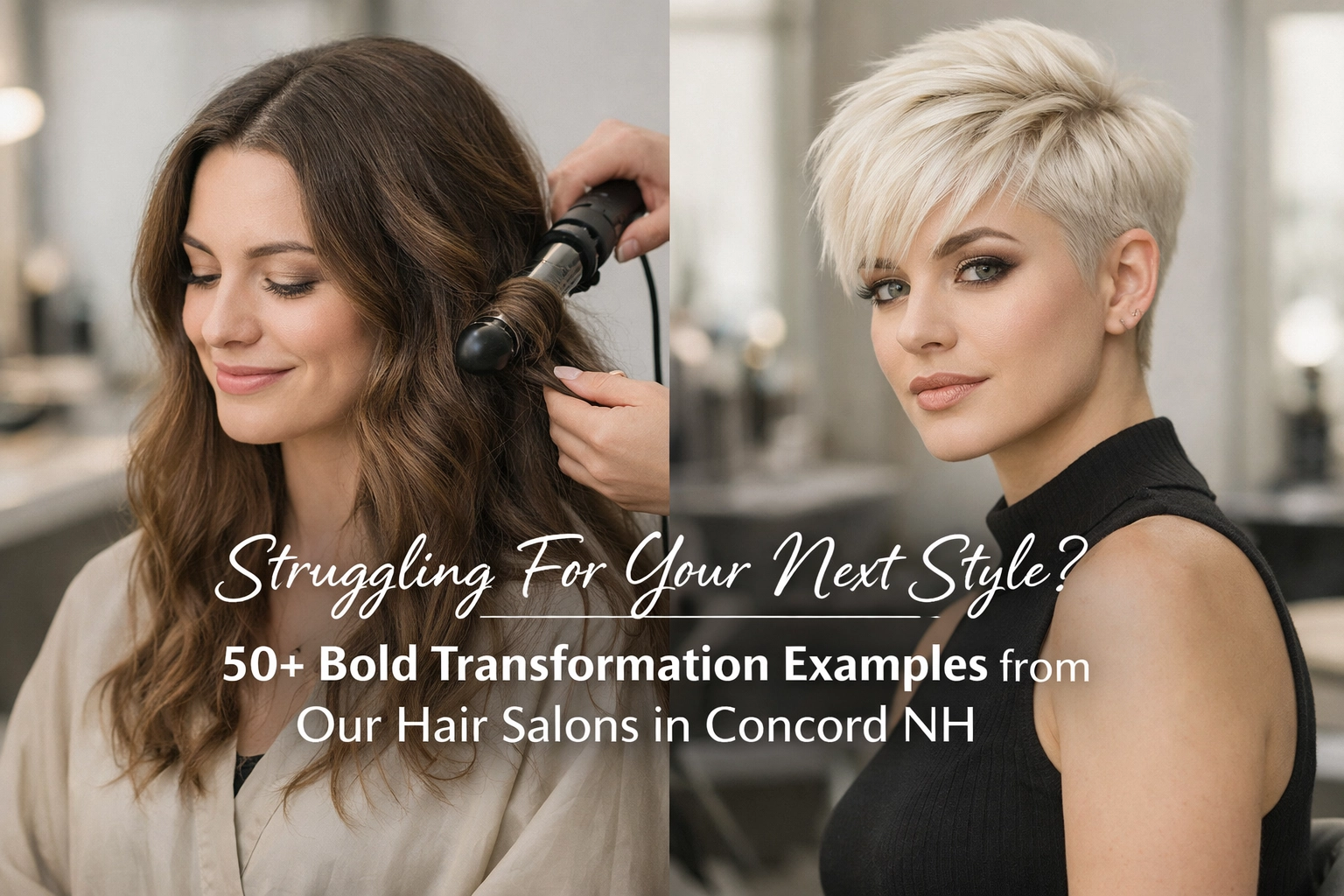
Embarking on a dramatic hair transformation requires an elite team of colorists, stylists, and technicians who understand structural integrity, color theory, and personalized aesthetics. Finding the right destination ensures your hair remains healthy while achieving a stunning, entirely new look.
Understanding the Anatomy of a Hair Transformation
A hair transformation is not merely a routine trim or a quick root touch-up. It is a comprehensive stylistic overhaul that often involves dramatic shifts in color, length, texture, or structural integrity. Whether you are transitioning from a dark virgin brunette to a platinum blonde, adopting a precision pixie cut, or integrating luxury hair extensions, the process requires deep technical skill and advanced product knowledge.
Before stepping into a high-end salon, you must evaluate your hair's history and current porosity, elasticity, and overall health. Stylists at top-tier establishments conduct thorough consultations to analyze these factors. They determine whether your hair can withstand chemical processes such as double-processing, permanent straightening, or extensive lightening without incurring irreversible damage. Understanding these foundational elements helps manage expectations and establishes a realistic timeline for achieving your desired aesthetic.
Criteria for Selecting an Elite Hair Salon
Choosing the right salon goes beyond admiring curated social media feeds. High-end establishments distinguish themselves through rigorous hygiene standards, continuous staff education, and the use of premium, professional-grade hair care lines. When evaluating a salon for a major transformation, look for specific markers of excellence that guarantee a safe and satisfying experience.
First, examine the specialization of the stylists. Many premier salons house specific experts—some focus exclusively on balayage and color correction, while others excel in precision dry-cutting or complex texture transformations. Second, consider the salon's commitment to hair health integrity. Salons that incorporate bond-building treatments, such as Olaplex or K18, into their chemical services demonstrate a dedication to preserving hair quality. Finally, transparency in pricing and clear consultation protocols are vital indicators of a professional establishment.
Comprehensive Comparison of Top Transformation Destinations
To help you navigate your options, the following comparative overview highlights five premier salon environments renowned for handling complex, high-stakes hair transformations.
| Salon Category & Focus | Primary Technical Specialty | Typical Cost Range | Maintenance Level Required | Best Suited For |
|---|---|---|---|---|
| Color Correction Specialists | Corrective color, platinum transitions, vivid fashion shades | High ($300 – $800+) | High | Individuals fixing box dye or shifting color families drastically |
| Precision Cutting Studios | Structural shapes, bobs, shags, curly hair tailoring | Moderate to High ($150 – $350) | Moderate | Those seeking a major structural change in length or silhouette |
| Luxury Extension Salons | Keratin bonds, tape-ins, hand-tiedwefts, volume integration | Premium ($500 – $2,000+) | High | Clients looking for sudden length and dramatic volume |
| Texture & Curl Artisans | Deva-cutting, Japanese straightening, keratin smoothing | Moderate to High ($200 – $500) | Moderate | People embracing natural curl patterns or altering hair texture safely |
| Editorial & Avant-Garde Hubs | High-fashion styling, runway trends, creative editorial looks | Premium ($400 – $1,000+) | Variable | Trendsetters seeking bold, artistic, and unique statements |
Detailed Breakdown of Top Salon Environments
1. High-End Color Correction and Blonding Sanctuaries
For individuals transitioning from dark, box-dyed hair to brilliant blondes or vibrant fashion colors, color correction sanctuaries are the gold standard. These salons employ master colorists who understand the chemical reactions involved in stripping artificial pigments and rebuilding the hair cortex.
The transformation process here is methodical. It often spans multiple sessions to protect the hair's disulfide bonds. Stylists in these environments utilize advanced lighteners paired with bond-protecting additives to lift pigment safely while maintaining tensile strength. While the upfront investment and time commitment are substantial, the results minimize breakage and deliver luminous, multidimensional color that generic salons struggle to achieve.
2. Precision Cut and Structural Architecture Studios
When a transformation relies heavily on geometry—such as moving from waist-length hair to a sharp, asymmetrical bob or a textured French crop—precision cutting studios are essential. These establishments focus on dry-cutting techniques, where stylists cut the hair in its natural state to observe how individual strands fall, coil, or lay against the head shape.
The technical proficiency required in these studios ensures that the haircut grows out gracefully over several months. Stylists assess face shape, bone structure, and natural growth whorls to tailor the silhouette. This meticulous approach prevents awkward staging during the grow-out process and makes daily styling intuitive for the client.
3. Luxury Extension and Volume Integration Hubs
Length and density transformations often rely on professional hair extensions rather than waiting years for natural growth. Luxury extension hubs specialize in seamless blending, using ethically sourced human hair applied through methods like invisible bead extensions, hand-tied wefts, or meticulous keratin bonds.
The primary advantage of these salons is their commitment to scalp health and natural concealment. Improperly applied extensions can cause traction alopecia or damage natural strands. Elite technicians assess your hair density and strength before selecting an application method, ensuring the added weight distributes evenly without straining your natural hairline.
4. Specialized Texture and Curl Customization Salons
Transforming textured, curly, or coily hair requires an entirely different skill set than working with straight locks. Specialized curl salons focus on moisture balance, curl pattern preservation, and safe chemical altering, whether that means enhancing natural ringlets through specialized cutting or applying professional smoothing treatments.
Stylists in this niche understand that curly hair has different elasticity and moisture needs. They evaluate porosity levels and customize hydration regimens during the transformation process. This prevents the frizz, breakage, and loss of pattern that frequently occur when traditional straightening or cutting techniques are improperly applied to textured hair.
5. Editorial and Avant-Garde Creative Spaces
For those looking to make a bold, artistic statement, editorial and avant-garde salons offer boundary-pushing transformations. These spaces are often incubator hubs for high-fashion trends, runway styling, and experimental color placements.
Working with artists in these environments involves a high degree of collaboration. They view hair as a canvas, integrating unconventional color blocking, asymmetrical shapes, or avant-garde texturizing techniques. Clients choosing these spaces should be prepared for high-maintenance upkeep, as editorial looks frequently require specialized at-home care regimens to maintain their striking visual impact.
Preparing for Your Transformation Appointment
Securing the appointment is only the first step; proper preparation guarantees the best possible outcome. Follow these essential steps leading up to your transformation date:
- Schedule a Comprehensive Consultation: Meet with your stylist at least one week prior to the service. Discuss your daily maintenance routine, lifestyle constraints, and hair history honestly.
- Perform a Strand Test: If you are undergoing a major color shift, request a strand test to verify how your hair reacts to lighteners or chemical relaxers.
- Optimize Home Care: Begin hydrating and strengthening your hair weeks in advance using professional-grade masks and sulfate-free cleansers.
- Avoid Conflicting Chemical Treatments: Refrain from applying temporary box dyes, henna, or keratin treatments immediately before your scheduled professional transformation.
Common Pitfalls to Avoid During a Hair Transformation
Many transformations fail or cause severe hair damage due to avoidable mistakes. Being aware of these pitfalls protects both your investment and your hair's health.
- Expecting Miracles in a Single Session: Rushing a transition from black box dye to platinum blonde in one afternoon almost always leads to chemical breakage. Trust your stylist if they recommend breaking the transformation into phased appointments.
- Ignoring Home Maintenance Requirements: High-end color and specialized cuts require specific upkeep products. Skimping on recommended professional shampoos and thermal protectants will rapidly degrade your new look.
- Failing to Disclose Hair History: Hiding previous chemical treatments, such as relaxers or henna, can cause catastrophic reactions when professional lighteners or perms are applied over them. Always provide a complete hair history.
Frequently Asked Questions
How long does a major hair transformation take?
The duration depends entirely on the complexity of the service. A complete color correction or installation of luxury extensions can take anywhere from four to eight hours, sometimes split across multiple sessions over several weeks to preserve hair health.
Will a dramatic hair transformation ruin my hair?
Not if performed by an experienced professional who utilizes modern bond-building technology and realistic phasing. While chemical and structural changes alter the hair fiber, elite salons prioritize hair integrity and will refuse services that compromise structural safety.
How often will I need maintenance appointments after a transformation?
Maintenance schedules vary by service. Root touch-ups for color typically require visits every four to six weeks, while precision cuts hold their shape for six to eight weeks. Extensions generally require repositioning or tightening every six to ten weeks.
What should I bring to my hair transformation consultation?
Bring inspiration photos that reflect your goals, but remain open to your stylist's professional assessment regarding what suits your facial structure, skin tone, and hair type. Additionally, be prepared to discuss your typical daily styling habits and time commitments.
How do I care for my newly transformed hair at home?
Your stylist will recommend specific home care regimens tailored to your new look. Generally, this includes switching to sulfate-free shampoos, incorporating weekly deep-conditioning treatments, and always using a professional thermal protectant before heat styling.
Final Recommendations for Success
A successful hair transformation is a collaborative journey between you and your styling professional. Prioritize hair health over unrealistic timelines, invest in the recommended home maintenance products to protect your new aesthetic, and choose a salon whose specialization aligns directly with your desired outcome. By approaching your transformation with realistic expectations and expert guidance, you ensure a stunning, healthy, and long-lasting result.