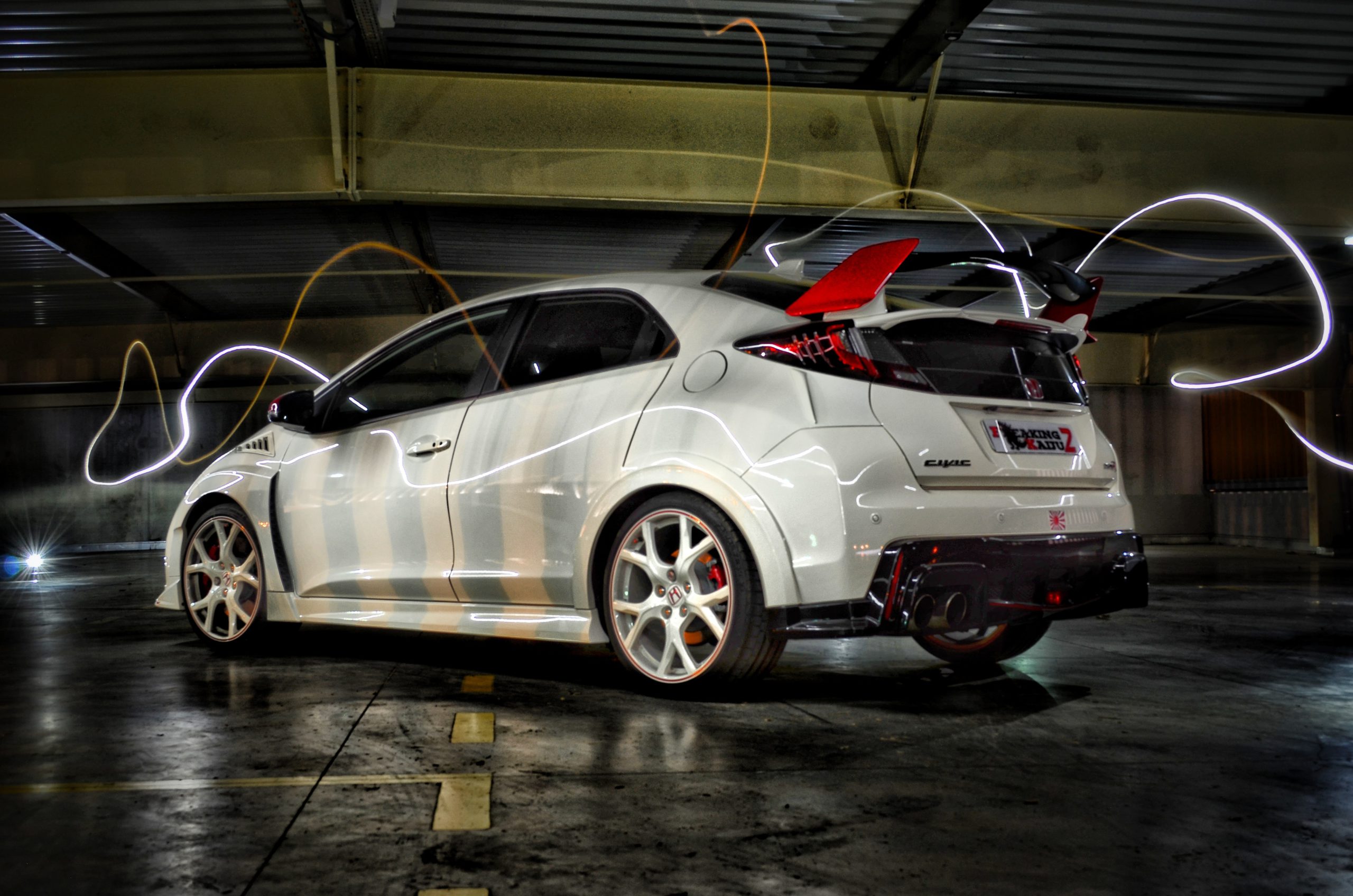
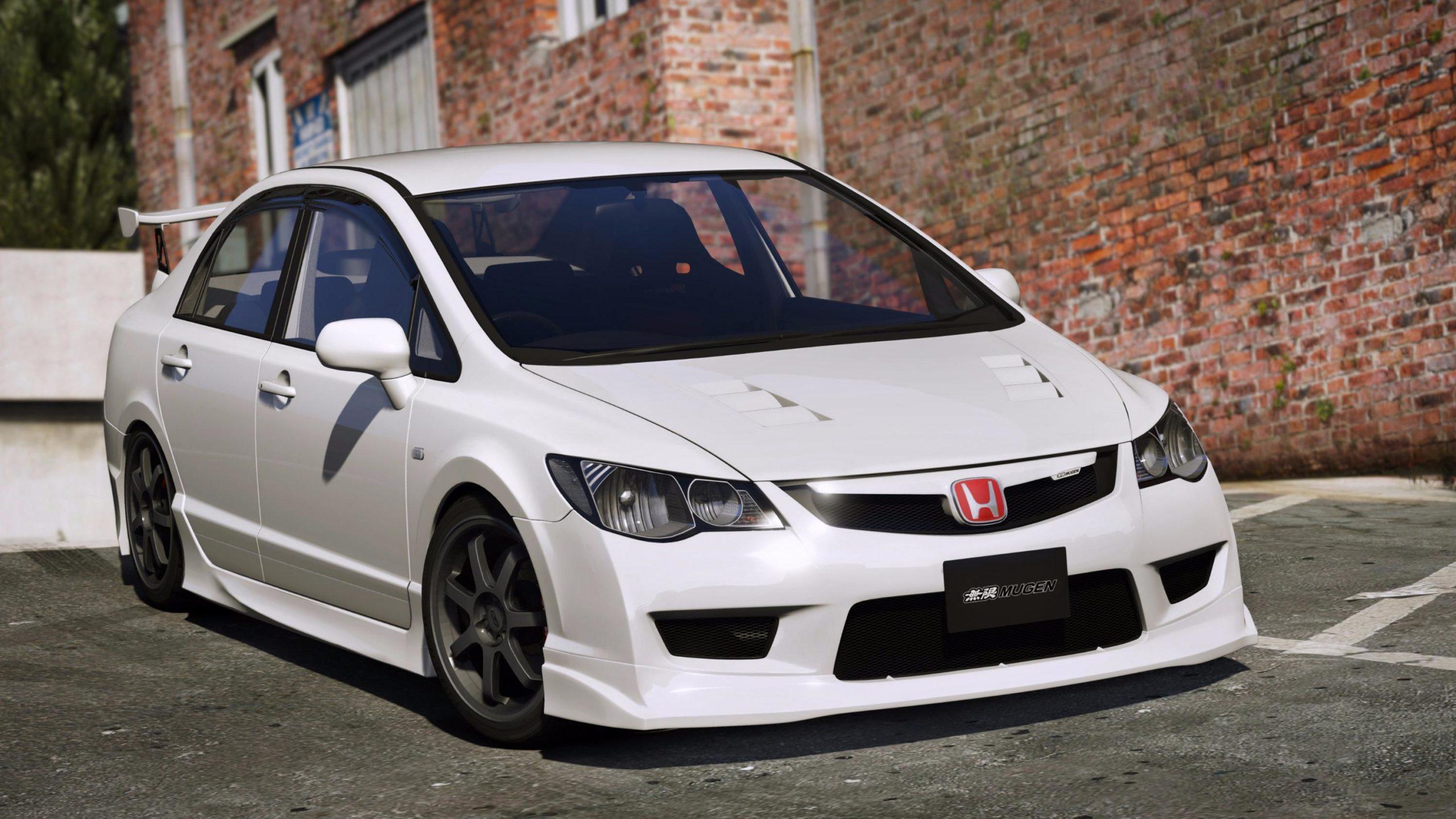
Choosing the right Honda Civic for customization depends on your mechanical skill level, budget, aftermarket support availability, and performance goals. The best generations offer an ideal blend of lightweight chassis design, highly responsive engines, and massive aftermarket ecosystems that make engine swaps, suspension upgrades, and aesthetic modifications straightforward.
The Honda Civic has remained a cornerstone of automotive enthusiast culture for decades. Its global popularity means that whether you are looking to build a dedicated track car, a clean stance project, or a responsive daily driver with extra punch, there is a Civic generation perfectly suited for the task. Selecting the right platform from the start saves builders considerable time, money, and frustration by aligning project goals with factory chassis strengths.
Understanding the Honda Civic Modification Ecosystem
Before purchasing a chassis, understanding why certain generations dominate the car scene helps clarify the modification landscape. Honda’s design philosophy for the Civic historically prioritized lightweight construction, double-wishbone or agile multi-link suspension geometries, and high-revving, naturally aspirated four-cylinder engines. These factory traits create an exceptional baseline for modifications.
The aftermarket support for Honda vehicles is arguably the largest and most diverse in the automotive world. From OEM-style replacement parts to specialized forced-induction kits, tubular subframes, and programmable engine management systems, parts availability directly influences how easy a car is to build. Furthermore, engine compatibility—often referred to as "engine swapping"—allows enthusiasts to install more powerful modern powerplants into older, lighter chassis.
1. Fifth Generation Honda Civic (EG: 1992–1995)
The fifth-generation Civic, universally known by its chassis code EG, stands as a legendary platform in the tuning community. Characterized by its sleek, rounded aerodynamic profile and lightweight hatchback or coupe configurations, the EG generation is a favorite for both track enthusiasts and show car builders.
| Feature | EG Generation (1992–1995) |
|---|---|
| Primary Chassis | Hatchback (EH2/EH3), Coupe (EJ1/EJ2) |
| Suspension | Front and Rear Double Wishbone |
| Popular Swaps | B-Series (B16, B18), K-Series (K20, K24) |
| Main Advantage | Extremely lightweight chassis, iconic styling |
Performance Potential and Suspension Design
The EG chassis features front and rear double-wishbone suspension systems. This design provides superior camber gain during cornering compared to standard MacPherson strut setups found in later models. For handling enthusiasts, upgrading to adjustable coil-overs, thicker sway bars, and polyurethane bushings transforms the handling dynamics into a precision instrument.
Engine Swaps and Compatibility
While base models came with modest single-overhead-camshaft (SOHC) engines, the engine bay is spacious enough to accommodate legendary B-series powerplants (like the B16 from the Civic SiR or B18 from the Integra GSR) and modern high-output K-series engines with readily available conversion mounts and wiring harnesses. This plug-and-play nature of engine swaps makes the EG an exceptionally rewarding platform for builders seeking high horsepower-to-weight ratios.
2. Sixth Generation Honda Civic (EK: 1996–2000)
Following the EG, the sixth-generation Civic (EK) refined the styling with sharper lines while retaining the lightweight ethos that made its predecessor famous. Available in hatchback, coupe, and sedan body styles, the EK generation—including the coveted Civic Type R (EK9) in international markets and the Civic Si (EM1) in North America—offers refined daily driveability alongside aggressive track potential.
Chassis Rigidity and Styling
The EK chassis features increased structural rigidity compared to the EG, which translates to a more stable platform for high-speed cornering and suspension tuning. The iconic front end of the EK, especially when paired with an authentic Type R front lip, CTR style headlights, and a lower stance, delivers a timeless aesthetic that defines 1990s Japanese tuning culture.
The B16A2 and Powertrain Upgrades
For North American builders, the 1999–2000 Civic Si (EM1) introduced the high-revving B16A2 VTEC engine, making it an instantly recognizable collector and modding favorite. Even standard EX or CX models provide a blank canvas; installing a B-series or K-series engine turns an ordinary commuter into a formidable street machine. Because of its balance between modern comfort and classic mechanical simplicity, the EK remains one of the most versatile platforms for customization.
3. Eighth Generation Honda Civic Si (FA5/FG2: 2006–2011)
Shifting into the 2000s, the eighth-generation Civic Si—available as the FA5 sedan and FG2 coupe—introduced a significant mechanical leap forward. Powered by the high-revving K20Z3 2.0-liter engine mated to a factory six-speed manual transmission with a limited-slip differential, this generation appeals to builders who want modern safety features, refined interiors, and aggressive factory performance out of the box.
The K-Series Advantage
Unlike older generations that often require complex engine swaps to achieve notable power, the eighth-generation Civic Si comes equipped with a formidable K-series engine featuring intelligent Variable Valve Timing and Lift Electronic Control (i-VTEC). Modifying the K20Z3 with a cold air intake, upgraded exhaust header, full cat-back exhaust, and a Hondata FlashPro ECU tune yields immediate, satisfying horsepower gains without sacrificing reliability.
Handling and Interior Ergonomics
The interior features a futuristic two-tier digital dash layout, and the exterior boasts sharp, wedge-like proportions. Suspension tuning for the FA5/FG2 relies on MacPherson struts up front and a double-wishbone rear setup. While different from the all-around double-wishbone setup of older Civics, aftermarket coil-overs and camber arms easily dial in aggressive track alignments or flush street fitments.
4. Ninth Generation Honda Civic Si (FB6/FG4: 2012–2015)
The ninth-generation Civic Si evolved the formula established by its predecessor by addressing mid-range torque demands. Honda enlarged the K-series displacement from 2.0 liters to 2.4 liters (K24Z7), providing a broader power band that makes daily driving more responsive while retaining the high-revving character expected from an Si badge.
Low-End Torque and Mid-Range Power
One common criticism of earlier Civic Si models was a lack of low-end torque, requiring drivers to keep RPMs high in the rev range to extract power. The K24Z7 engine in the FB6 sedan and FG4 coupe solved this by delivering peak torque much earlier in the RPM band. This makes the ninth-generation Civic an exceptional daily-driven project car, as it handles stop-and-go traffic effortlessly while remaining a blast on winding back roads.
Aftermarket Support and Styling Updates
After a minor refresh in 2013 that updated the interior materials and exterior styling, the ninth-generation Civic gained a more aggressive stance. The aftermarket supports this platform extensively with forced-induction options, such as bolt-on supercharger and turbocharger kits, enabling builders to easily push well past 300 horsepower on stock internal components when tuned properly.
5. Tenth Generation Honda Civic (FC/FK: 2016–2021)
Representing a massive technical departure from its naturally aspirated ancestors, the tenth-generation Civic introduced turbocharged induction across multiple trim levels, including the 1.5-liter turbo engine in standard models and the ferocious 2.0-liter turbo in the FK8 Civic Type R. For modern customizers, the tenth generation offers incredible electronic tuning potential combined with aggressive, futuristic styling.
| Feature | Tenth Generation (2016–2021) |
|---|---|
| Primary Engines | 1.5L Turbo (L15B7), 2.0L Turbo (K20C1 Type R) |
| Induction | Factory Turbocharged |
| Tuning Method | ECU Flash Tuners (Hondata, Ktuner) |
| Main Advantage | Massive torque gains from simple ECU tunes |
Turbocharging and ECU Tuning
The L15B7 1.5-liter turbocharged engine responds remarkably well to electronic re-flashing. Using platforms like Ktuner or Hondata, owners can extract substantial boosts in horsepower and torque with a simple "Stage 1" or "Stage 2" map, often without needing physical engine modifications. Upgrading the intercooler, downpipe, and exhaust unleashes even greater performance, making this generation a favorite for modern street tuners.
Chassis Rigidity and Modern Comfort
Built on an ultra-rigid global platform, the tenth-generation Civic delivers exceptional handling and safety ratings straight from the factory. While modifying newer vehicles requires navigating complex electronic systems and driver-assistance sensors, the rewards in comfort, fuel efficiency, and tunable power make the FC and FK chassis top-tier choices for contemporary builders.
Key Considerations Before Modifying Your Civic
Embarking on a Honda Civic customization project requires careful planning to ensure the finished vehicle meets your expectations for reliability, legality, and budget.
- Define Your Budget: Always allocate a contingency fund (typically 15% to 20% of your total project estimate) to cover unexpected repairs, specialized tools, and professional dyno tuning.
- Emissions and Legal Compliance: Research local vehicle inspection laws. Modifications such as removing catalytic converters or installing non-compliant turbo kits can result in failed emissions tests and legal fines in certain regions.
- Balancing Aesthetics and Performance: Upgrading suspension components, wheels, and tires should always take priority over cosmetic styling to ensure your car handles safely with any added power.
- Maintenance First: Before installing performance parts, ensure the chassis has healthy compression, fresh timing belts or chains, robust braking components, and leak-free gaskets.
Frequently Asked Questions
Which Honda Civic generation is the easiest to engine swap?
The fifth (EG) and sixth (EK) generations are widely considered the easiest and most cost-effective platforms for engine swaps. Their engine bays are simple, and thousands of aftermarket conversion parts exist to drop in B-series or K-series motors seamlessly.
Are automatic Honda Civics good for modding?
While automatic or CVT Civics can be visually customized with body kits, wheels, and interior accessories, manual transmissions are strongly recommended for performance builds. Honda's automatic and CVT transmissions from older and modern generations alike generally struggle to handle significantly increased horsepower without slipping or failing prematurely.
How much does a basic Civic performance build cost?
A basic performance build focusing on suspension (coil-overs), wheels, tires, intake, exhaust, and an ECU tune typically ranges from $2,000 to $5,000 in parts, depending on whether you purchase brand-name components or budget alternatives and whether you perform the labor yourself.
Is it legal to turbocharge a naturally aspirated Civic?
Legality depends strictly on your local jurisdiction. In regions with strict environmental regulations, altering the emissions equipment or adding uncertified forced-induction kits can make the vehicle illegal for public road use. Always verify local Department of Motor Vehicles or environmental agency rules before undertaking major powertrain modifications.
What is the most reliable generation for a daily-driven modified Civic?
The eighth (FA5/FG2) and ninth (FB6/FG4) generation Civic Si models offer the best balance of modern reliability and modding potential. Their factory K-series engines are famously durable and handle bolt-on modifications reliably while serving dependable daily driver duties.
Final Recommendations for Your Build
Selecting the ideal Honda Civic to customize comes down to balancing your personal aesthetic preferences with your mechanical ambitions. If you want a lightweight, raw, mechanical project with endless swap options, look for a clean fifth-generation (EG) or sixth-generation (EK) chassis. If you prefer modern safety, daily driving comfort, and out-of-the-box performance without heavy fabrication, focus on an eighth-generation (FA5/FG2) or tenth-generation (FC/FK) Civic Si or Type R. Prioritize quality suspension components and proper maintenance above all else to ensure your customized Civic remains safe, reliable, and enjoyable on every drive.