Achieving type 2 diabetes remission is an increasingly recognized clinical goal defined as maintaining normal blood glucose levels without the use of glucose-lowering medications for at least three months. While historical paradigms viewed type 2 diabetes as an inevitable, progressive lifelong condition, contemporary clinical trials and epidemiological studies indicate that a substantial percentage of individuals—with figures in certain structured cohorts reaching up to 46 percent—can achieve and sustain remission through specific lifestyle, surgical, or medical interventions.
The Evolution of Type 2 Diabetes Remission
For decades, standard medical practice framed type 2 diabetes as a chronic, degenerative disease where management focused primarily on glycemic control through oral medications and insulin therapy. The underlying presumption was that pancreatic beta-cell function degraded irreversibly over time. However, modern endocrinology has shifted toward a metabolic reset model, proving that early and aggressive interventions can reverse the pathophysiological drivers of the disease, notably insulin resistance and ectopic fat accumulation in the liver and pancreas.
Clinical definitions of remission require a sustained period of normal glycemia. According to consensus statements from organizations such as the American Diabetes Association (ADA) and the European Association for the Study of Diabetes (EASD), remission is formally established when an individual's glycated hemoglobin (HbA1c) level drops below 6.5 percent (48 mmol/mol) off all glucose-lowering pharmacotherapy. This measurement must be verified after a minimum of three months without any anti-hyperglycemic medications, whether oral agents or injectables.
The 46 percent figure frequently cited in modern literature typically stems from landmark clinical trials evaluating structured, intensive weight management programs in primary care settings. For example, the Diabetes Remission Clinical Trial (DiRECT) investigated a low-calorie, meal-replacement-based weight management program delivered by primary care physicians. At the one-year mark, nearly half—specifically 46 percent—of the participants in the intervention group achieved remission, highlighting the profound impact of significant, sustained weight loss on metabolic health.
Key Drivers and Clinical Pathways to Remission
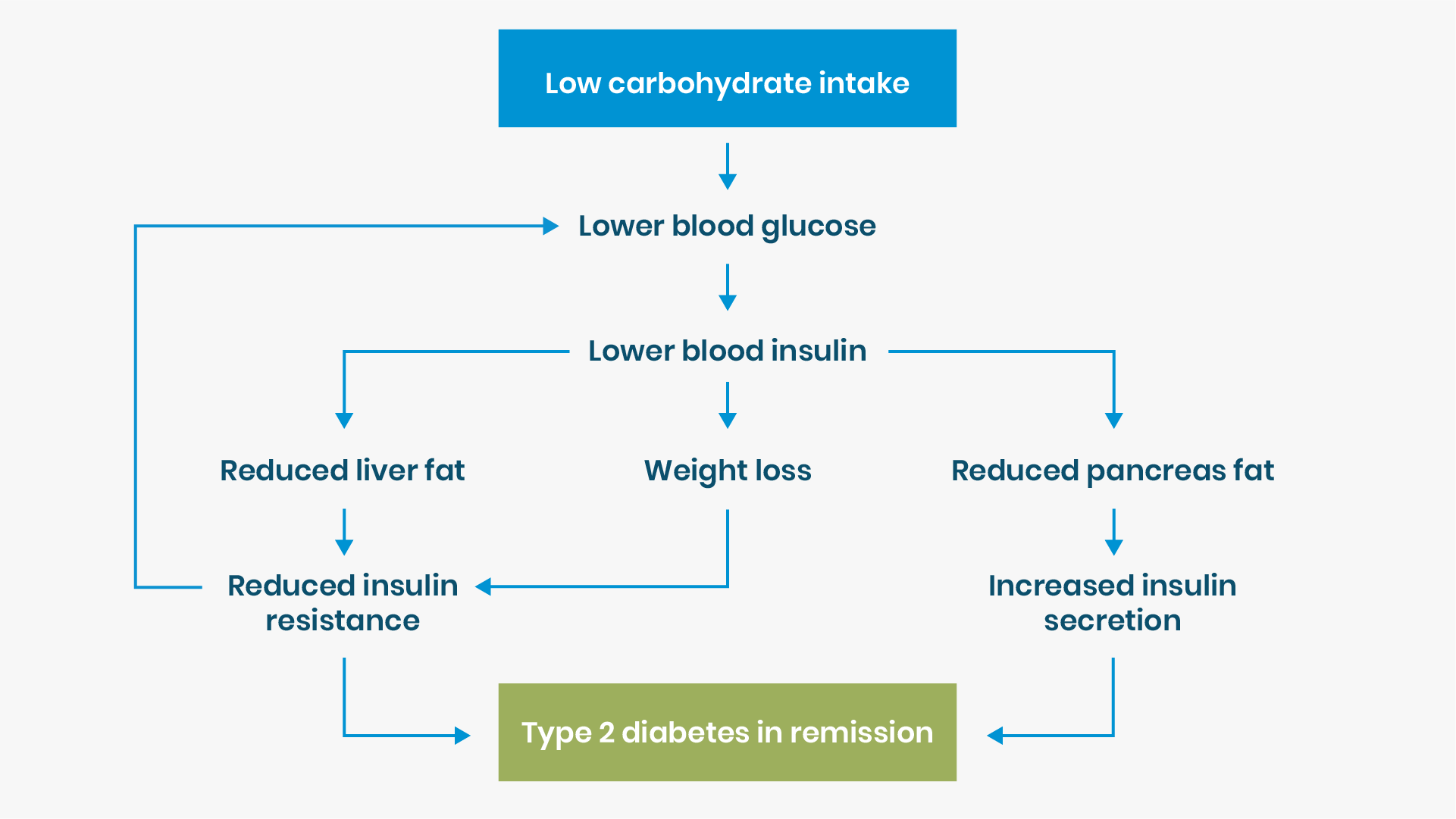
The biological mechanism most consistently linked to type 2 diabetes remission is the reduction of ectopic fat—specifically fat stored abnormally in the liver and pancreas. When excess fat is mobilized and cleared from these organs, normal insulin production by pancreatic beta-cells and normal insulin sensitivity in the liver can be restored. Several distinct clinical pathways facilitate this metabolic recovery.
Very-Low-Calorie Diets and Structured Weight Management
Intensive lifestyle intervention programs utilizing total diet replacement formulas represent one of the most thoroughly studied pathways to remission. These protocols typically involve a low-energy liquid diet phase (often between 800 and 850 kilocalories per day) for a designated period, followed by a structured, highly supervised food reintroduction phase.
- Phase 1: Rapid Weight Loss. Patients consume nutritionally complete meal replacements to induce a rapid caloric deficit, driving down liver fat content within weeks.
- Phase 2: Transition and Stabilization. Whole foods are systematically reintroduced while monitoring energy balance to prevent weight regain.
- Phase 3: Long-term Maintenance. Ongoing behavioral support, physical activity tracking, and routine HbA1c monitoring safeguard against metabolic relapse.
Bariatric and Metabolic Surgery
For individuals with class II or class III obesity (and increasingly those with lower body mass index thresholds under updated clinical guidelines), metabolic surgery—such as Roux-en-Y gastric bypass or sleeve gastrectomy—offers the highest documented rates of type 2 diabetes remission. Beyond simple caloric restriction, bariatric procedures induce profound hormonal shifts, including alterations in gut peptides like glucagon-like peptide-1 (GLP-1) and peptide YY (PYY), which rapidly improve insulin sensitivity and glucose homeostasis often before significant weight loss has occurred.
Pharmacological and Combined Approaches
While remission by definition requires the cessation of glucose-lowering medications, modern pharmacotherapy plays an instrumental role in facilitating the preparatory phases. The advent of advanced agents, such as GLP-1 receptor agonists and dual GIP/GLP-1 receptor agonists, has revolutionized weight-loss-driven care. These medications significantly suppress appetite and improve glycemic control, enabling patients to adhere more effectively to lifestyle modifications that pave the way for eventual medication withdrawal under physician supervision.
Comparing Interventions for Type 2 Diabetes Remission
Different therapeutic approaches yield varying success rates, sustainability profiles, and clinical requirements. The table below outlines the primary methods associated with achieving type 2 diabetes remission, detailing their typical efficacy rates, primary mechanisms, and general suitability.
| Intervention Type | Typical Remission Rate | Primary Mechanism | Key Suitability Factors |
|---|---|---|---|
| Intensive Primary Care Weight Management | Up to 46% (at 1 year in trial cohorts) | Substantial liver and pancreatic fat reduction via caloric deficit | Early disease duration, motivated patients, structured support |
| Bariatric Surgery (Gastric Bypass/Sleeve) | 30% to 63% (varies by duration and cohort) | Hormonal shifts, drastically reduced caloric intake, rapid metabolic reset | Higher BMI categories, inadequate response to non-surgical methods |
| Very-Low-Calorie Diets (VLCD) | 30% to 45% (short-to-medium term) | Rapid mobilization of ectopic visceral and pancreatic fat | Medical supervision required, nutritional compliance |
| Standard Lifestyle Counseling | Less than 5% | Gradual weight loss and increased physical activity | Mild or pre-diabetes stages, highly persistent lifestyle changes |
Eligibility, Prerequisites, and Patient Selection
Not every person diagnosed with type 2 diabetes has an equal probability of achieving remission. Clinical data consistently demonstrate that patient selection plays a vital role in determining outcomes. Evaluating eligibility requires a thorough clinical assessment conducted by an endocrinologist or primary care physician.
Key Predictors of Successful Remission
- Duration of Diabetes: Individuals diagnosed within the past six years have a significantly higher likelihood of achieving remission compared to those with a multi-decade history. Shorter duration correlates with preserved functional mass of pancreatic beta-cells.
- Baseline HbA1c Levels: Patients with moderately elevated HbA1c levels who are not yet dependent on complex insulin regimens achieve remission at higher rates than those with severely elevated, long-standing hyperglycemia.
- Absence of Insulin Therapy: Patients who have not yet required exogenous insulin injections demonstrate better beta-cell reserve and responsiveness to metabolic interventions.
- Magnitude of Weight Loss: Clinical trials show a clear dose-response relationship between weight loss and remission. Weight loss exceeding 10 to 15 kilograms is frequently required for sustained glycemic normalization off medication.
The Critical Importance of Medical Supervision
Attempting to achieve type 2 diabetes remission—particularly through extreme caloric restriction, rapid dietary changes, or the cessation of prescribed pharmaceuticals—must never be undertaken without direct medical oversight. Stopping medications such as sulfonylureas or insulin without professional guidance can lead to dangerous medical emergencies, including severe hyperglycemia or diabetic ketoacidosis.
Furthermore, healthcare providers must carefully manage medication adjustments during the weight loss phase. As insulin sensitivity improves, continuing previous doses of glucose-lowering drugs can trigger severe hypoglycemia. A structured tapering protocol managed by a clinical team ensures patient safety throughout the transition to a medication-free or reduced-medication state.
Sustaining Remission: Preventing Relapse
Achieving remission is not a permanent cure; rather, it represents a controlled state of metabolic health that requires ongoing vigilance. Clinical follow-up studies, such as extended-year evaluations of the DiRECT cohort, indicate that weight regain frequently leads to the return of hyperglycemia, necessitating the re-initiation of diabetes medications.
Long-term maintenance strategies mirror the disciplines required for initial success:
- Routine Biomarker Monitoring: Regular testing of HbA1c levels at least bi-annually ensures that any upward glycemic drift is caught early.
- Weight Stabilization Protocols: Continuous monitoring of body weight allows individuals to implement minor corrective dietary adjustments before significant fat reaccumulates in the liver and pancreas.
- Physical Activity Integration: Consistent aerobic and resistance exercise preserves lean muscle mass and supports long-term metabolic health.
Frequently Asked Questions
Is type 2 diabetes remission the same as a cure?
No. Remission means that blood glucose levels are within the normal range without the aid of medications for at least three months. However, the underlying genetic and physiological susceptibility to insulin resistance remains. If a person regains weight or experiences significant metabolic stress, the hyperglycemia can return, which is why ongoing monitoring is essential.
How long does remission typically last?
The duration of remission varies widely based on sustained lifestyle modifications and individual biology. Long-term studies show that individuals who maintain their weight loss can remain in remission for many years. Conversely, those who regain weight often experience a return of type 2 diabetes within several years.
Can anyone with type 2 diabetes achieve remission?
While anyone can experience metabolic improvements from weight loss and lifestyle changes, the statistical probability of achieving complete remission is highest for individuals within the first five to six years of diagnosis, those with lower baseline HbA1c levels, and those who do not require exogenous insulin.
What role do modern weight-loss medications play in remission?
Medications such as GLP-1 receptor agonists help patients achieve the substantial weight loss necessary to reduce ectopic fat in the liver and pancreas. While taking these medications actively keeps blood sugar down, they often serve as a bridge or foundational tool that enables patients to reach the physiological threshold required for true clinical remission.
What should I do if I want to attempt type 2 diabetes remission?
You should schedule a comprehensive evaluation with your primary care physician or an endocrinologist. Discuss your current medication regimen, disease duration, and safe strategies for structured weight management or dietary changes. Never discontinue prescribed diabetes medications independently.
Next Actions for Patients and Caregivers
For individuals living with type 2 diabetes who wish to explore remission, the most effective first step is a formal consultation with a qualified healthcare provider. Request a comprehensive metabolic panel, including a current HbA1c measurement and an assessment of liver function and beta-cell status. Working alongside a registered dietitian or certified diabetes care and education specialist can further ensure that any dietary interventions—such as structured meal replacements or very-low-calorie plans—are implemented safely, effectively, and sustainably.