360factors Predict360 is an AI-powered Governance, Risk, and Compliance (GRC) platform designed to streamline regulatory requirements and risk management for financial institutions. While primarily a GRC tool, it integrates with Customer Relationship Management (CRM) workflows to manage customer-centric risks, such as complaint handling, onboarding compliance, and Know Your Customer (KYC) protocols.
The landscape of financial services in 2026 demands a level of agility that manual spreadsheets and siloed legacy systems can no longer provide. As regulatory bodies like the Consumer Financial Protection Bureau (CFPB) and the Office of the Comptroller of the Currency (OCC) tighten oversight on digital assets and AI-driven lending, the intersection of GRC and CRM has become a critical focal point for operational resilience. 360factors addresses this by offering the Predict360 platform, which utilizes cognitive computing to bridge the gap between back-office compliance and front-office customer interactions.
Understanding the Role of 360factors in Modern Banking
360factors is a specialized software provider that focuses on "vertical GRC." Unlike horizontal platforms that attempt to serve every industry from healthcare to manufacturing, 360factors tailors its Predict360 platform specifically for banks, credit unions, and financial services firms. This specialization is vital because the risk profile of a financial institution is uniquely tied to its customer base and the regulatory environment governing those relationships.
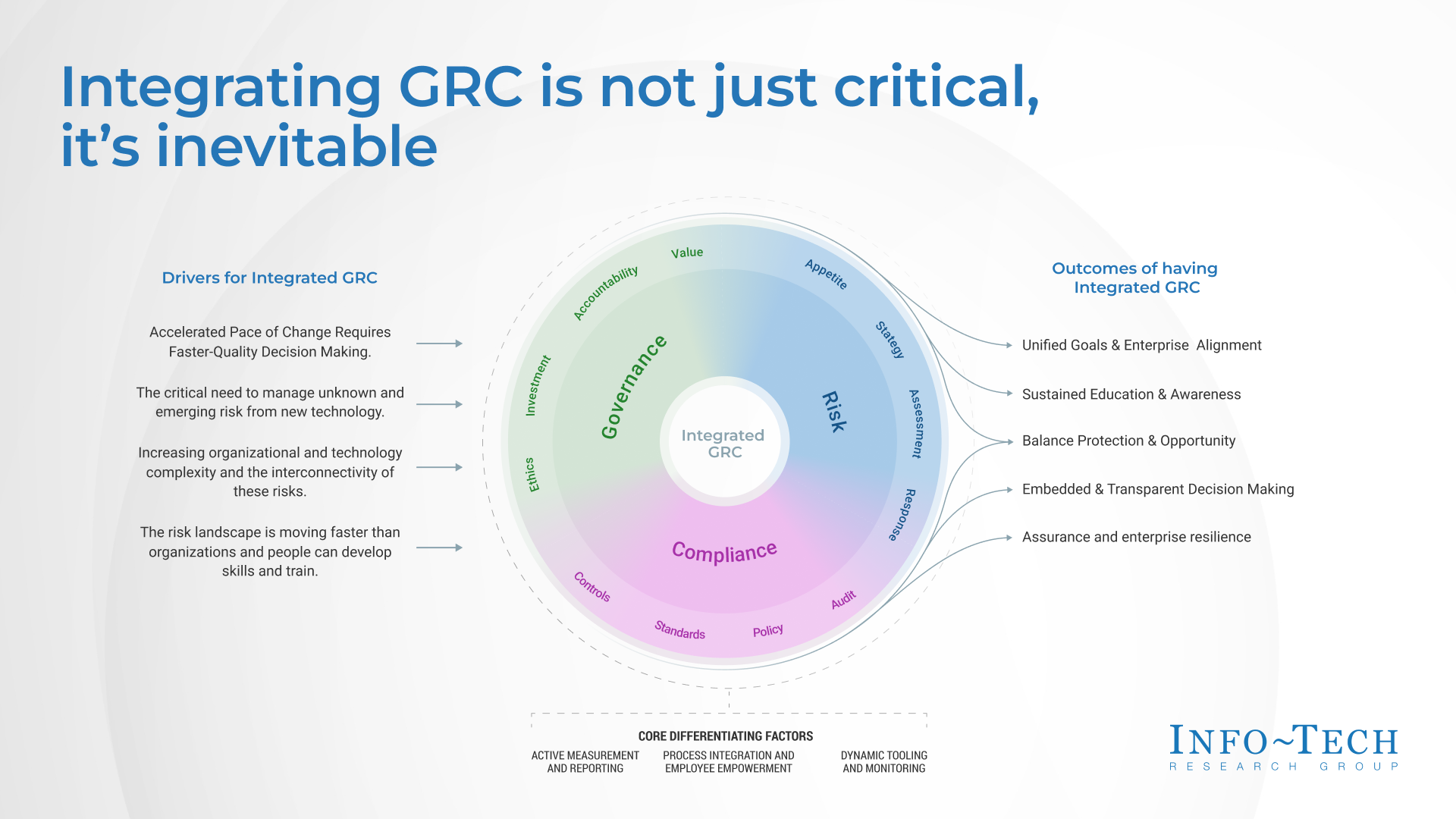
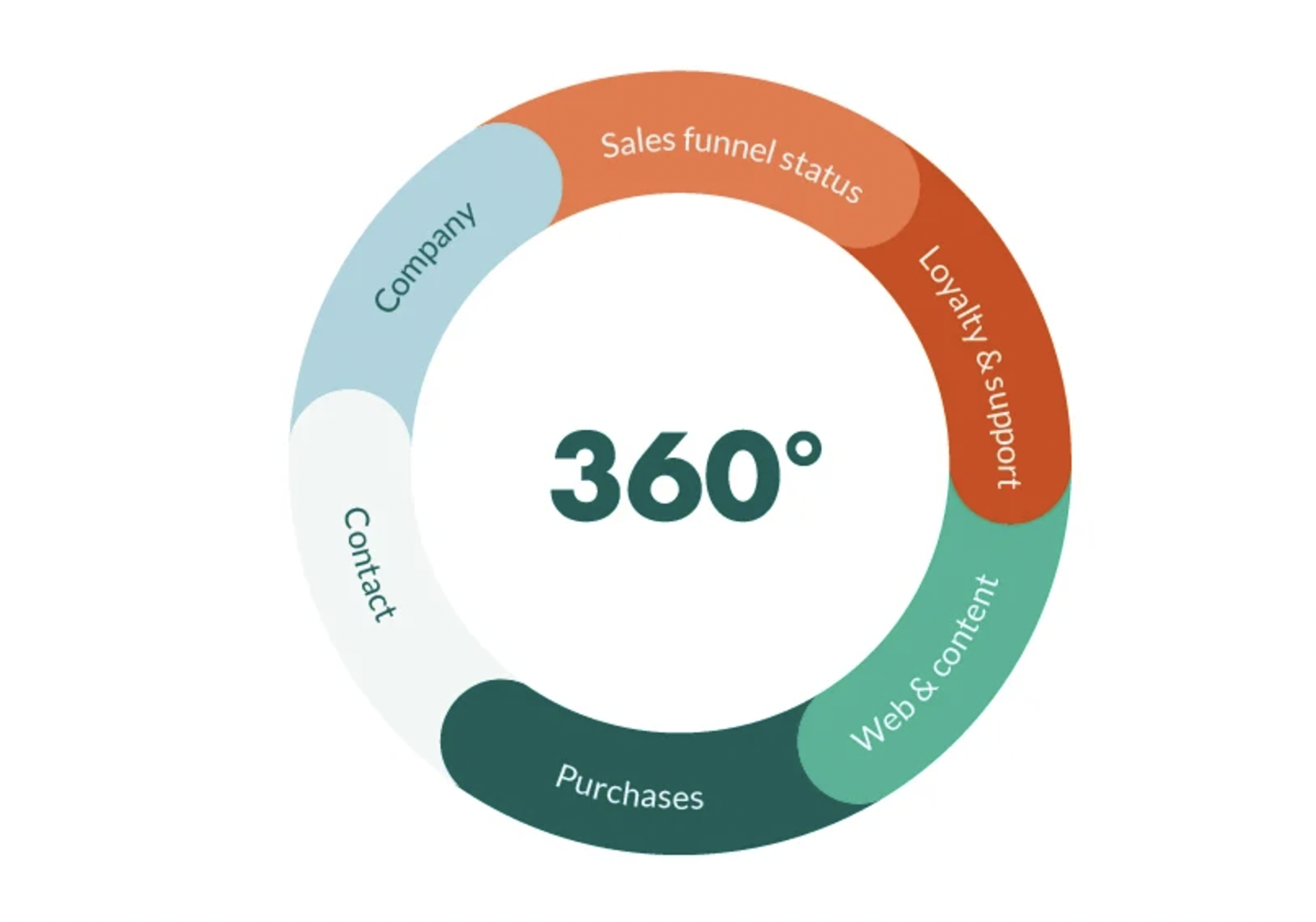
The core philosophy of 360factors is based on the concept of a "360-degree view" of risk. In 2026, this means understanding not just the financial risks of a loan portfolio, but the operational, reputational, and compliance risks associated with every touchpoint in the customer journey. This is where the integration of GRC and CRM becomes essential. By connecting these two systems, institutions can ensure that a customer complaint recorded in a CRM automatically triggers a compliance workflow in the GRC platform, preventing systemic issues before they escalate into regulatory fines.
The Convergence of GRC and CRM: Why It Matters
In traditional banking models, the CRM is the domain of sales and service, while the GRC platform is the domain of the Chief Risk Officer (CRO). However, modern regulations require these departments to speak the same language. The Predict360 suite acts as the connective tissue between these departments through several key integration points.
Complaint Management and Consumer Protection
One of the most direct overlaps between CRM and GRC is complaint management. When a customer registers a grievance through a CRM portal, 360factors Predict360 captures that data to perform trend analysis. Under current 2026 standards, regulators expect banks to identify "unfair, deceptive, or abusive acts or practices" (UDAAP) in real-time. Predict360 uses AI to categorize these complaints and determine if they represent an isolated incident or a systemic compliance failure.
KYC and Onboarding Compliance
CRM systems are the primary entry point for new customers. Integrating Predict360 allows for automated Know Your Customer (KYC) and Anti-Money Laundering (AML) checks during the initial onboarding phase. By embedding GRC requirements directly into the CRM workflow, banks can reduce the "time-to-yes" for new accounts while maintaining a rigorous audit trail that satisfies Financial Crimes Enforcement Network (FinCEN) requirements.
Unified Data for Risk Scoring
When CRM data (customer behavior, transaction history, interaction frequency) is fed into the Predict360 Enterprise Risk Management (ERM) module, it creates a more nuanced risk score. This allows the institution to move from reactive risk management to predictive modeling—anticipating which customer segments or products are likely to face regulatory headwinds.
Core Modules of the Predict360 Platform
To understand how 360factors manages the GRC-CRM relationship, it is necessary to examine the individual modules that make up the Predict360 ecosystem. Each module is designed to be standalone but offers maximum value when deployed as an integrated suite.
1. Compliance Management
This module is the heart of the platform. It includes a regulatory change management feature that monitors updates from thousands of global regulatory bodies. In 2026, the volume of regulatory updates has increased significantly due to the rapid evolution of fintech. Predict360 uses Natural Language Processing (NLP) to read these updates and map them to the specific policies and controls within the bank’s internal framework.
2. Enterprise Risk Management (ERM)
The ERM module provides a centralized dashboard for all risk types: credit, market, operational, and strategic. It allows risk managers to perform Risk and Control Self-Assessments (RCSA). By linking these assessments to CRM data, managers can see how operational risks in the branches or digital channels are impacting the overall risk appetite of the firm.
3. Audit Management
Predict360 streamlines the entire audit lifecycle, from planning and fieldwork to reporting and remediation. Because the system tracks all compliance activities in real-time, internal and external auditors can access a "single source of truth." This reduces the manual labor involved in gathering documents and evidence, which has historically been a major pain point for compliance teams.
4. Vendor Risk Management (VRM)
Banks increasingly rely on third-party fintech partners. The VRM module handles the due diligence, onboarding, and ongoing monitoring of these vendors. In an integrated environment, if a vendor provides a customer-facing service (like a mobile payment gateway), any downtime or security breach is logged both as a CRM service issue and a GRC vendor risk event.
5. Learning Management System (LMS)
Compliance is only as strong as the employees who implement it. 360factors includes a training module that ensures all staff are up-to-date on the latest regulations. If a CRM user consistently fails to follow proper disclosure procedures, the system can automatically assign remedial training through the LMS.
Technical Specifications and AI Integration
The "Predict" in Predict360 refers to its heavy reliance on AI and cognitive computing. As of 2026, the platform utilizes advanced machine learning models to identify patterns that human analysts might miss.
- Cognitive Mapping: The AI automatically suggests links between new regulations and existing internal documents. This reduces the time spent on manual mapping by up to 80%.
- Predictive Analytics: By analyzing historical data from both GRC and CRM sources, the platform can forecast potential "hot spots" for compliance breaches or operational failures.
- Cloud-Native Architecture: Predict360 is typically deployed as a SaaS (Software as a Service) solution, ensuring that institutions have the latest security patches and feature updates without needing extensive on-premise IT infrastructure.
- API-First Approach: The platform is built with an open API architecture, making it compatible with major CRM players like Salesforce, Microsoft Dynamics, and industry-specific banking cores like Jack Henry or Fiserv.
Comparison: Predict360 vs. Generic GRC Solutions
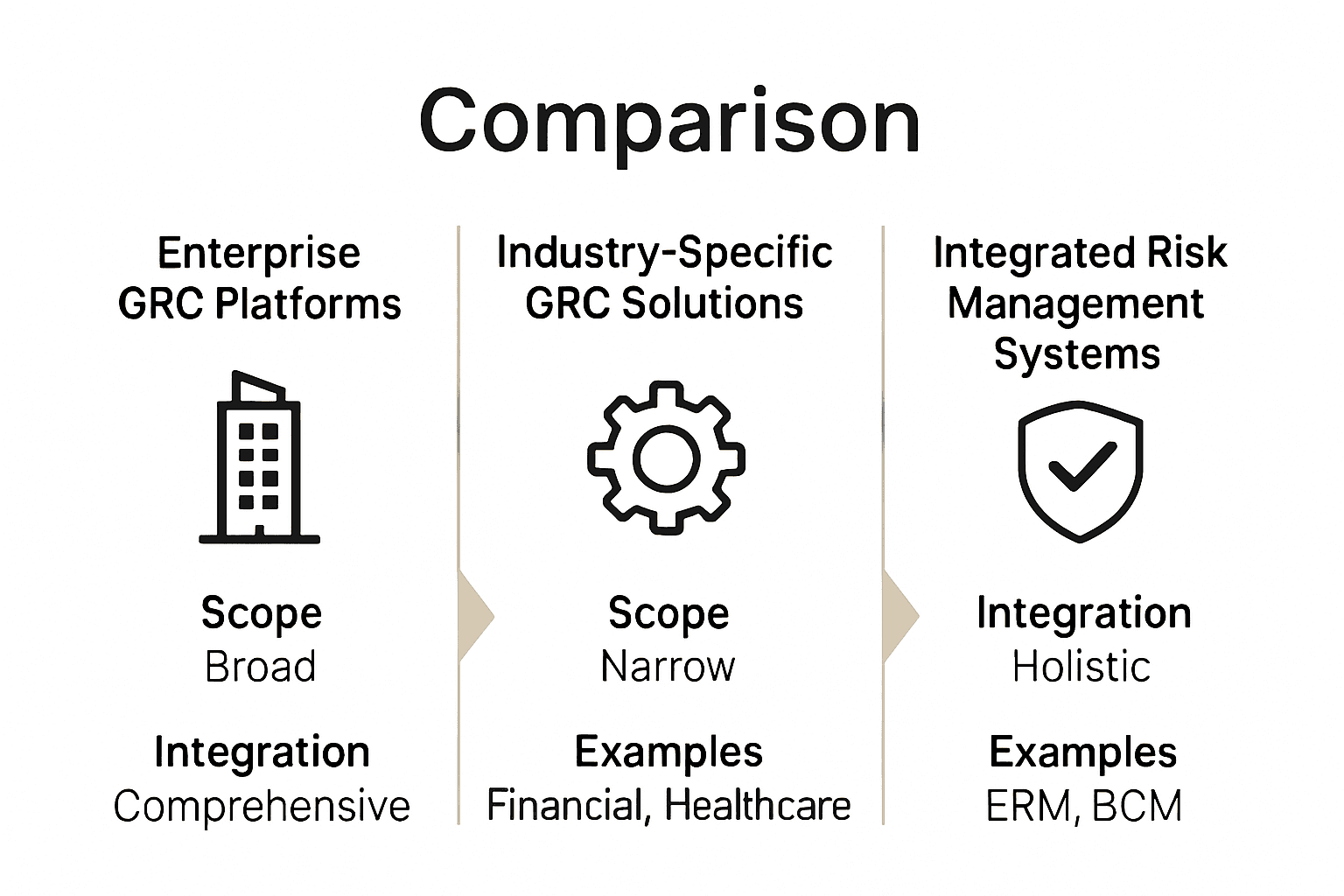
When choosing between a specialized tool like 360factors and a generic enterprise GRC platform, financial institutions must weigh the benefits of industry-specific logic against broader flexibility.
| Feature | 360factors Predict360 | Generic Enterprise GRC |
|---|---|---|
| Industry Focus | Banking & Financial Services | Multi-industry (Healthcare, Mfg, etc.) |
| Regulatory Feeds | Pre-mapped for Banking (FDIC, OCC, SEC) | Requires manual configuration |
| AI Capabilities | Native Cognitive Mapping & NLP | Often requires third-party AI add-ons |
| Implementation | Faster for Banks (Pre-built templates) | Longer (Needs heavy customization) |
| CRM Integration | Deep (Focus on Complaints & KYC) | Basic (API-dependent) |
| User Interface | Role-based for Bank Staff | General-purpose dashboard |
Implementation Strategies for 2026
Implementing an integrated GRC-CRM solution is a multi-phase process. For 360factors, this usually begins with the Regulatory Change Management module, as it provides the most immediate value by automating the tracking of laws and rules.
- Discovery and Mapping: The first step involves identifying the institution's existing risk taxomony and mapping it to the Predict360 framework.
- Data Integration: This is where the CRM and GRC systems are linked. Technical teams must ensure that data flows securely between the systems, maintaining data integrity and privacy standards such as GDPR or state-specific laws like the CCPA.
- Pilot Testing: Most institutions run a pilot program in a single department—often Internal Audit or Lending Compliance—before rolling the platform out across the enterprise.
- Continuous Monitoring: Once live, the AI begins to learn from the institution's specific data patterns, becoming more accurate over time in its risk predictions and mapping suggestions.
Common Challenges and Troubleshooting
Despite the sophistication of the software, organizations often face hurdles during adoption. One primary challenge is data quality. If the data in the CRM is inconsistent or incomplete, the insights generated by Predict360 will be flawed. Institutions must prioritize "data hygiene" before fully automating their risk assessments.
Another common issue is change management. Shifting from a manual, spreadsheet-based culture to an automated, AI-driven environment requires significant buy-in from staff. Training must focus not just on how to use the software, but on why the integration of CRM and GRC is necessary for the bank's long-term survival in a competitive market.
Frequently Asked Questions
Does 360factors Predict360 replace my current CRM?
No, Predict360 is not a replacement for a CRM like Salesforce or HubSpot. Instead, it is designed to work alongside your CRM. It pulls relevant data from the CRM (such as customer complaints or onboarding details) and applies compliance and risk management workflows to that data.
Is Predict360 suitable for small credit unions?
Yes. 360factors offers tiered solutions that are scalable. Smaller institutions often benefit the most from the automation features because they have smaller compliance teams and need the "force multiplier" effect that AI provides to keep up with larger competitors.
How does the AI handle "hallucinations" or errors in regulatory mapping?
Predict360 uses a "human-in-the-loop" model. While the AI suggests mappings between regulations and policies, these must be reviewed and approved by a compliance officer. The system learns from the officer's corrections, improving its accuracy for future updates.
What are the security standards for 360factors?
The platform typically adheres to SOC 2 Type II compliance and uses high-level encryption for data at rest and in transit. Since it hosts sensitive financial and customer data, it is built to meet the rigorous security standards required by global financial regulators.
Can I use Predict360 for ESG reporting?
Yes. As of 2026, Environmental, Social, and Governance (ESG) reporting has become a standard requirement for many financial institutions. Predict360 has updated its framework to include ESG risk factors and reporting templates that align with international standards.
Strategic Recommendation
For financial institutions looking to modernize their infrastructure in 2026, the goal should be operational convergence. Do not treat your CRM and GRC platforms as independent silos. By leveraging a tool like 360factors Predict360, you can turn compliance from a "cost center" into a strategic advantage.
The most effective next step is to conduct a "Gap Analysis" of your current complaint management and onboarding processes. If these processes require significant manual intervention to remain compliant, an integrated AI solution is likely the most viable path forward. Start by automating the most labor-intensive tasks—such as regulatory change tracking—and gradually integrate CRM data to build a truly proactive risk management culture.