If you encounter issues with 24 Hour Fitness, the most effective path to resolution involves documenting your specific grievance, contacting club management, and utilizing the company’s official member services portal to create a digital paper trail. Whether your concerns involve recurring billing errors, facility maintenance, or cancellation difficulties, maintaining clear documentation and following established corporate protocols is essential for a timely outcome.
Understanding the 24 Hour Fitness Membership Structure
To effectively resolve a complaint, it is necessary to first understand the nature of your agreement with 24 Hour Fitness. The company operates as a large-scale commercial gym chain, and most member complaints are rooted in the nuances of their membership contracts. These contracts are legally binding documents that dictate the terms of payment, the procedures for membership freezes, and the specific requirements for account termination.
Most disputes arise from a misunderstanding of these contractual obligations. For example, many members assume that failing to use the gym or updating a credit card will automatically result in the termination of a membership. However, 24 Hour Fitness policies typically require a formal cancellation request submitted through their official channels. Understanding your specific agreement—whether it is a monthly "pay-as-you-go" model or a pre-paid annual commitment—is the first step in determining the validity of your complaint.
Common Categories of Member Complaints
Member dissatisfaction generally falls into several predictable categories. Recognizing which category your issue belongs to will help you tailor your communication to the appropriate department.
Billing and Financial Discrepancies
Billing issues are the most frequent source of complaints. These often involve charges that continue after a cancellation request has been submitted, unexpected "annual fees" that the member claims were not disclosed, or errors in promotional pricing. When dealing with these, you must be prepared to provide evidence, such as confirmation emails or dated receipts.
Facility Maintenance and Cleanliness
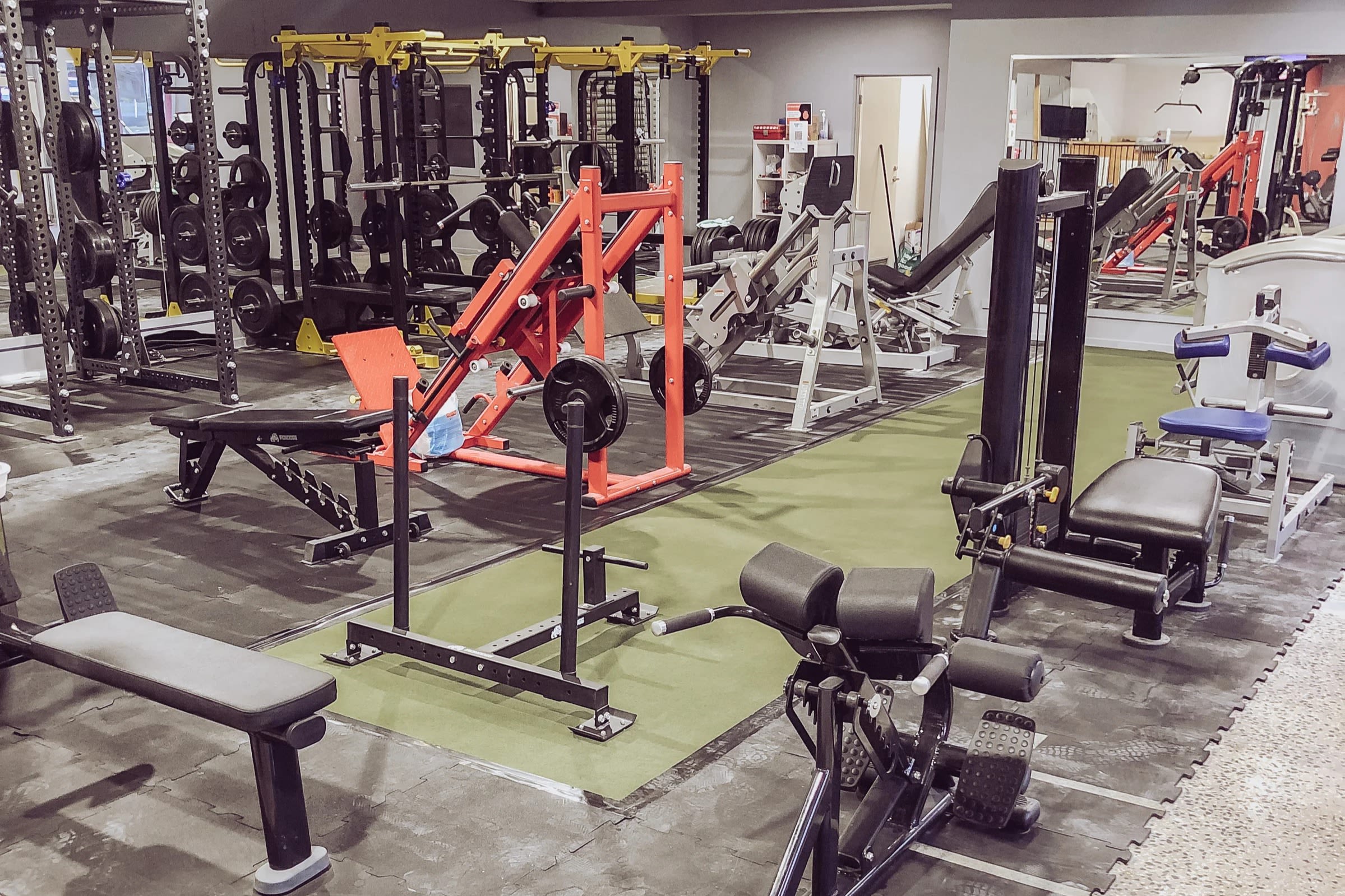
Complaints regarding the state of a club—such as broken equipment, poor climate control, or lack of sanitation—are best handled at the local club level. These issues are often operational and can be addressed by a General Manager if they are brought to their attention in a constructive, documented manner.
Cancellation and Contractual Disputes
Terminating a membership is a process governed by the specific terms of your contract. Common pain points include difficulty reaching the customer service department, rejection of cancellation requests due to notice periods, and disputes over pro-rated final payments.
Preparing Your Case: Evidence and Documentation
Before contacting customer support, you must consolidate your evidence. Do not rely on verbal promises made by staff members. Instead, collect the following items:
- Your Membership Agreement: Keep a digital or physical copy of the contract you signed. This document contains the legal terms governing your rights and the company’s obligations.
- Payment Records: Bank statements or credit card transaction histories that show the disputed charges.
- Communication Logs: Save copies of all emails sent to or received from 24 Hour Fitness. If you speak to a representative, note the date, time, the representative's name, and the summary of the conversation.
- Submission Confirmations: If you have submitted a cancellation request, ensure you have the confirmation number or timestamped email receipt provided by the system.
Channels for Escalation
When a local club manager cannot resolve a concern, or when the issue is specifically related to corporate billing, you should follow these escalation steps:
- Member Services Portal: The online portal is the primary channel for official requests. Using this system ensures that your issue is logged in the corporate database.
- Written Correspondence: For high-stakes disputes, sending a formal letter via certified mail can create an undeniable record of your intent to resolve the matter.
- External Consumer Protection Agencies: If internal efforts fail and you believe your contract has been breached or local consumer laws violated, you may contact the Better Business Bureau (BBB) or your state’s Attorney General’s office. These organizations facilitate a mediation process that can sometimes prompt a response from corporate entities that are otherwise unresponsive.
Comparison of Resolution Strategies
| Strategy | Speed | Effectiveness | Best Use Case |
|---|---|---|---|
| Local Club Manager | Fast | High (for facility issues) | Broken equipment, staff conduct |
| Member Services Portal | Medium | High (for billing) | Membership status, billing errors |
| Certified Mail | Slow | Moderate | Formal legal disputes, account closures |
| Third-Party Mediation | Slow | Low to Moderate | Unresolved contract disagreements |
Preventing Future Disputes
The best way to manage 24 Hour Fitness complaints is to minimize the likelihood of them occurring. Proactive management of your membership status is key. Always read the fine print regarding renewal terms, especially when signing up for a promotion. These promotions often convert to a higher "standard" rate once the introductory period ends.
Additionally, always request a written copy of any change made to your membership. If you freeze your account, ensure you have a confirmation email indicating the start and end dates of the freeze. If you cancel your membership, do so well in advance of your next billing cycle to account for any notice periods stipulated in your agreement.
Frequently Asked Questions
1. How do I formally cancel my 24 Hour Fitness membership? Cancellation must typically be completed through the official 24 Hour Fitness member services website or via a formal written request sent according to the instructions in your membership agreement. Do not rely solely on verbal notifications given at the front desk.
2. Can I get a refund for a charged annual fee? Whether you can receive a refund for an annual fee depends on your specific contract and whether the fee was disclosed at the time of purchase. Check your original agreement for the "Annual Fee" clause. If the fee was improperly applied, provide your proof of contract to the customer support team.
3. What should I do if my gym is consistently poorly maintained? First, address the specific items with the General Manager of your primary location. If the situation remains unresolved, use the "Contact Us" feature on the official website to submit a formal report. Providing specific dates and details about broken equipment or unsanitary conditions is more effective than making generalized complaints.
4. Why am I still being charged after I requested a cancellation? This often happens if the cancellation request was submitted after the notice period required by the contract. Review your agreement to confirm the required notice window. If you are certain you provided proper notice, provide the confirmation number or dated email receipt to the billing support team to dispute the charge.
5. Is it worth filing a complaint with the Better Business Bureau? Yes, if you have attempted to resolve the issue directly with the company and have been ignored or received an unsatisfactory response. Filing a complaint creates a public record that the company is often motivated to resolve to maintain its business standing.
Next Steps for Resolution
If you have an active dispute, do not delay. Begin by logging into your member account to verify your current status and recent activity. If you identify a billing error, capture a screenshot or print the record, then submit a detailed inquiry through the official support portal. Ensure you remain polite but firm in your communications, and always reference your membership number and the specific contractual clauses that support your claim. By approaching the situation as a formal process rather than an emotional reaction, you significantly increase the likelihood of a fair and timely resolution.