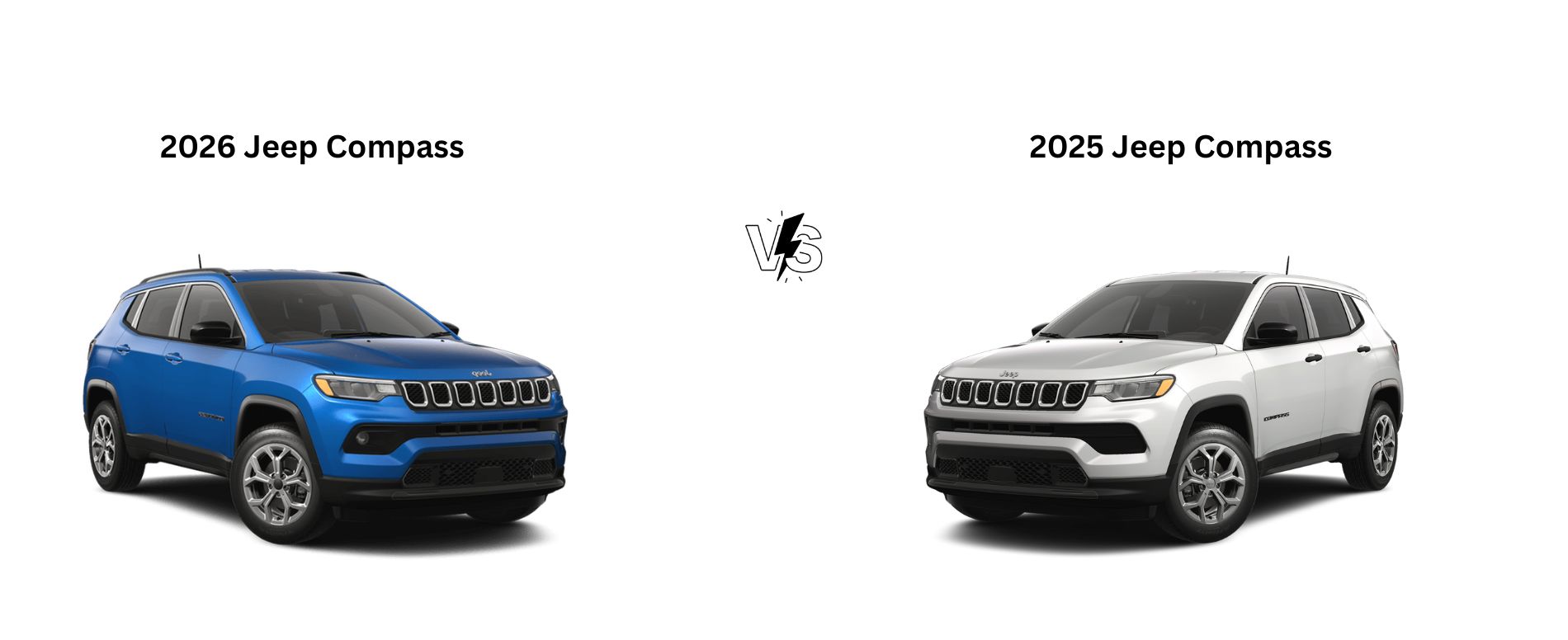
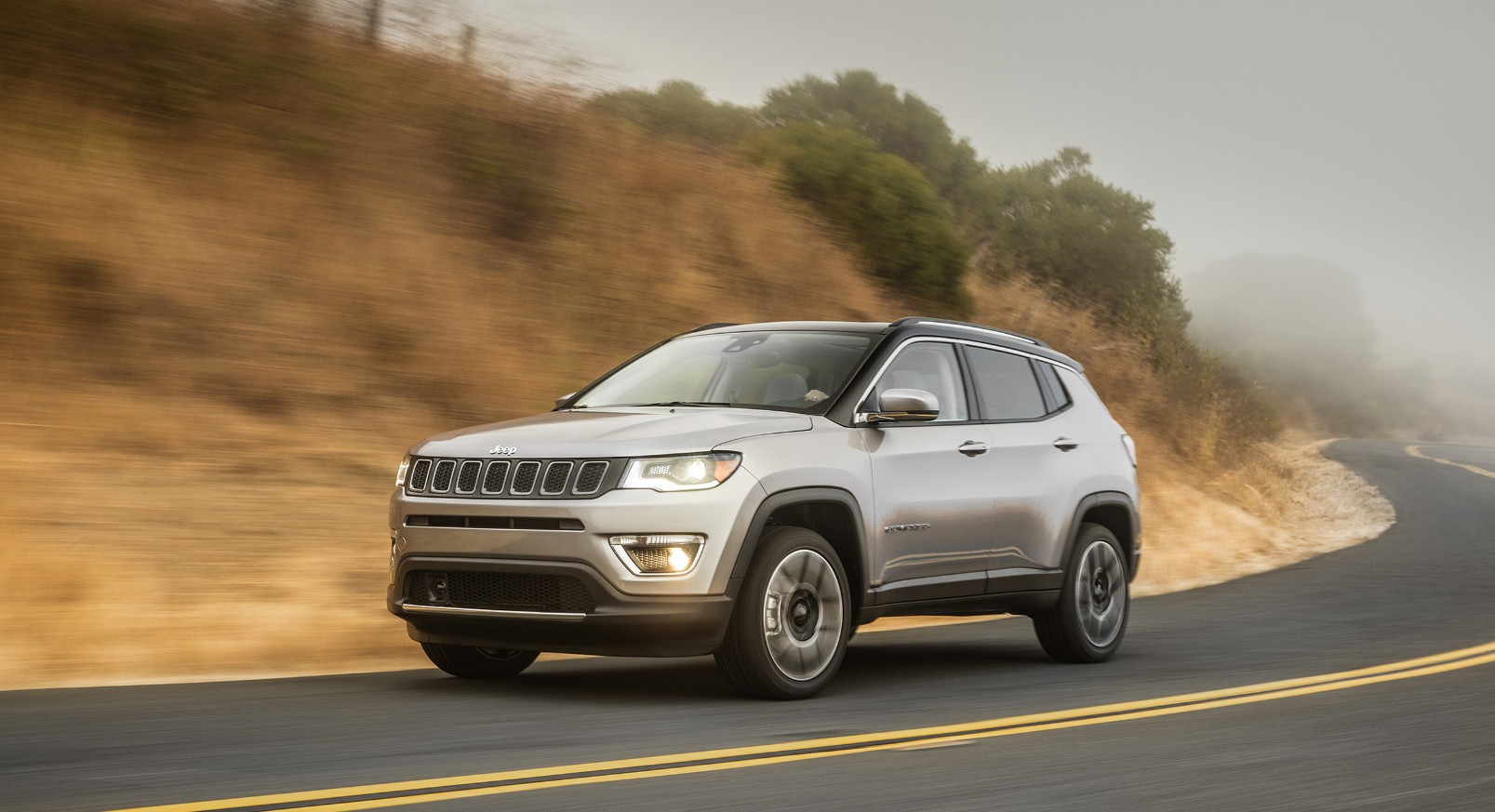
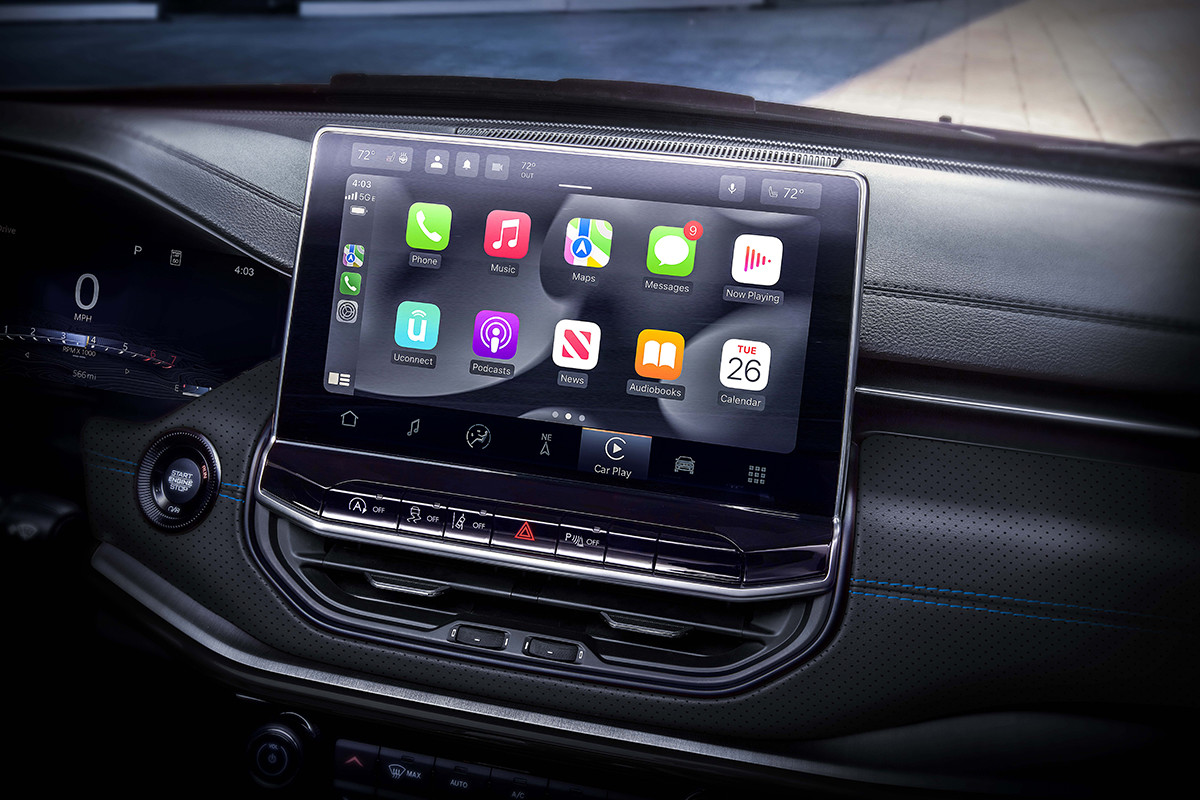
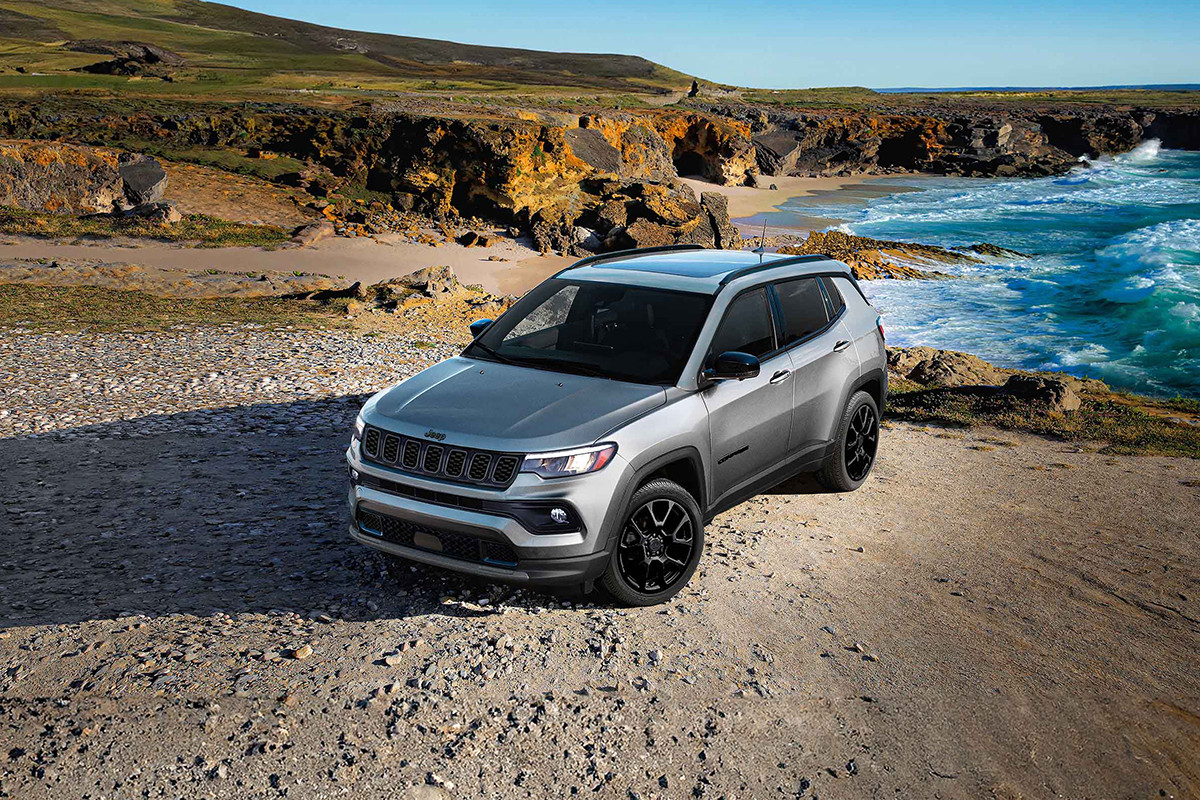
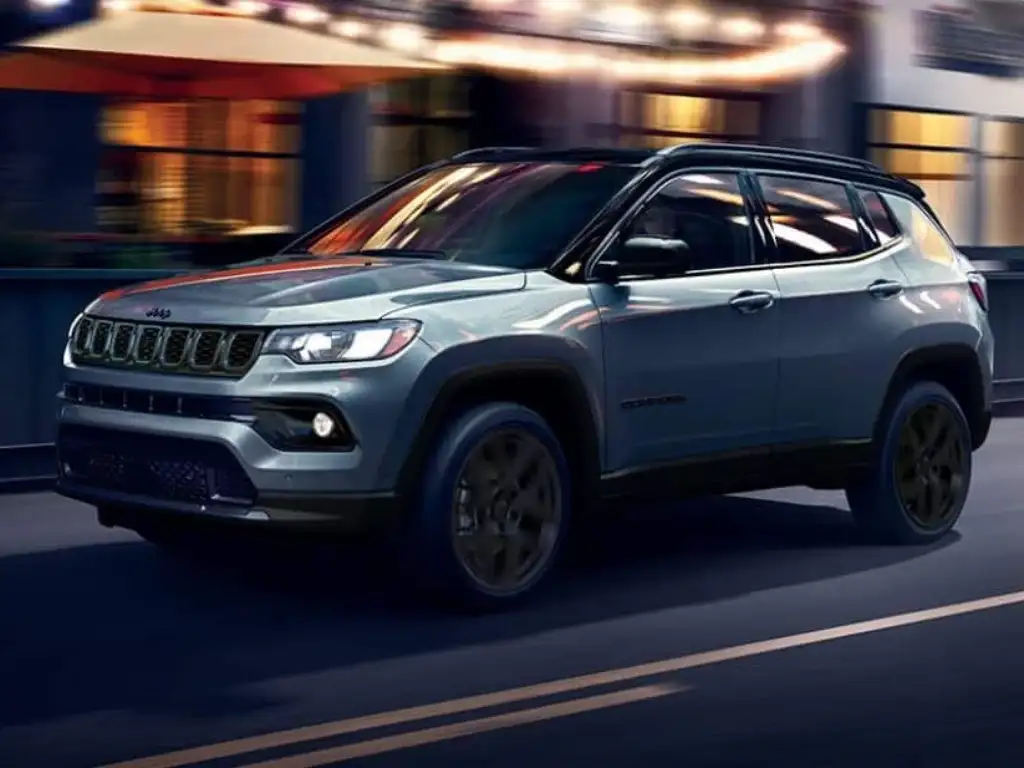
In 2026, the Jeep Compass continues its tradition of offering standard four-wheel drive (4WD) across its entire North American lineup. Every trim level, from the entry-level Sport to the off-road-focused Trailhawk, comes equipped with the Jeep Active Drive 4x4 system, ensuring consistent traction and utility without the need for optional upgrades.
The 2026 model year marks a significant point in the lifecycle of the Jeep Compass. As Jeep continues to refine its compact SUV segment, the decision to maintain 4WD as a standard feature serves as a primary differentiator against competitors that often gate all-wheel-drive (AWD) capabilities behind expensive packages or higher trim levels. This strategy reinforces Jeep’s brand identity as a manufacturer of rugged, adventure-ready vehicles, even in the "soft-roader" compact class.
The Core 4WD Architecture: Jeep Active Drive
For 2026, the primary mechanical foundation for the Compass is the Jeep Active Drive system. Unlike traditional, heavy-duty 4WD systems found on the Wrangler, which require manual engagement of a transfer case, the Active Drive system is an "on-demand" setup designed for the realities of modern commuting and light-to-moderate trail use.
Rear-Axle Disconnect Technology
One of the most critical components of the 2026 Jeep Compass 4WD availability is the inclusion of the rear-axle disconnect. This system addresses the primary drawback of four-wheel drive: fuel inefficiency. When the vehicle detects that extra traction is not required—such as on a dry, straight highway—it completely disconnects the power flow to the rear wheels.
This reduces parasitic drag on the drivetrain, allowing the Compass to operate essentially as a front-wheel-drive vehicle to maximize MPG. However, the system is designed to re-engage the rear axle seamlessly and instantaneously if it detects wheel slip, aggressive throttle input, or specific temperature triggers.
Seamless Engagement
The engagement of the 4WD system is managed by an onboard computer that monitors hundreds of sensor inputs per second. These include steering angle, throttle position, ambient temperature, and individual wheel speed. Because the system is standard on all 2026 models, Jeep has been able to calibrate the suspension and electronic stability control (ESC) to work in perfect harmony with the power distribution, providing a more stable driving experience in rain, slush, or light snow.
Availability by Trim Level
While 4WD is standard across the board, the type and sophistication of the 4WD system vary depending on whether you choose a standard trim or the Trail Rated Trailhawk.
Standard Trims: Sport, Latitude, and Limited
The Sport, Latitude, Latitude Lux, and Limited trims all feature the standard Jeep Active Drive system. This system is paired with the Selec-Terrain Traction Management System, which allows drivers to toggle between specific modes to optimize the 4WD performance:
- Auto: The default mode where the rear-axle disconnect is most active.
- Snow: Adjusts the transmission to start in second gear (where possible) and tunes the 4WD for limited-slip scenarios.
- Sand/Mud: Allows for more wheel spin to maintain momentum in soft surfaces.
The Specialist: Trailhawk and Jeep Active Drive Low
The 2026 Jeep Compass Trailhawk is the only trim level that receives the Jeep Active Drive Low system. While still based on the same architecture, the Trailhawk variant includes a 20:1 crawl ratio. This is achieved through a different final drive ratio and software tuning that mimics the behavior of a low-range transfer case.
The Trailhawk also adds a "Rock" mode to the Selec-Terrain dial, which is specifically calibrated for slow-speed technical maneuvers. This availability is exclusive to the Trailhawk, making it the necessary choice for buyers who intend to take their Compass beyond gravel roads and into genuine off-road territory.
Technical Specifications and Performance
The availability of 4WD is underpinned by the 2.0-liter turbocharged inline-four engine, which remains the sole powertrain for the internal combustion versions of the 2026 Compass.
| Feature | Standard 4WD (Sport/Limited) | Trailhawk 4WD (Active Drive Low) |
|---|---|---|
| System Type | On-Demand 4x4 | Full-Time 4x4 w/ Low Mode |
| Crawl Ratio | N/A | 20:1 |
| Rear Axle Disconnect | Yes | Yes |
| Selec-Terrain Modes | Auto, Snow, Sand/Mud | Auto, Snow, Sand/Mud, Rock |
| Ground Clearance | 8.1 inches | 8.6 inches |
| Approach Angle | 16.1 degrees | 30.4 degrees |
| Towing Capacity | 2,000 lbs | 2,000 lbs |
Power Delivery and Traction
The 2.0L Turbo engine produces 200 horsepower and 221 lb-ft of torque. In the 2026 4WD configuration, this torque is managed by an 8-speed automatic transmission. The first gear is specifically tuned for a short ratio to aid in off-the-line traction, which is particularly useful when the 4WD system is engaged on slippery inclines.
The 2026 Shift: 4xe Availability and eAWD
In 2026, Jeep is expanding the availability of the Compass 4xe, the plug-in hybrid (PHEV) variant. This represents a different approach to 4WD availability. In the 4xe, there is no mechanical driveshaft connecting the front engine to the rear wheels. Instead, it utilizes an "eAWD" system.
- Front Axle: Powered by the internal combustion engine and an electric motor-generator.
- Rear Axle: Powered exclusively by a dedicated electric motor.
This "Electric 4x4" setup allows for even more precise torque vectoring. Because the rear motor can be controlled independently of the front engine, the 2026 Compass 4xe can deliver instant torque to the rear wheels, which is often more effective in deep mud or snow than a mechanical linkage. The availability of this system is generally restricted to the higher-tier trims and the specialized 4xe Trailhawk.
Why Standard 4WD Matters in 2026
The decision to make 4WD standard on the 2026 Compass is a response to shifting consumer expectations. Historically, compact SUVs were marketed as urban commuters where 4WD was an expensive luxury. However, as the "adventure" lifestyle market has grown, Jeep has recognized that Compass buyers want the security of all-weather capability without navigating complex "build-your-own" configurations.
Resale Value Considerations
Standard 4WD availability significantly impacts the long-term value of the vehicle. In northern climates and mountainous regions, front-wheel-drive SUVs often depreciate faster because they are less desirable on the used market. By standardizing the Active Drive system, Jeep ensures that every 2026 Compass retains a higher baseline of utility and resale appeal.
Safety and Stability
While 4WD is often marketed for off-roading, its primary role in the 2026 Compass is safety. The system works in tandem with the Electronic Roll Mitigation (ERM) and the anti-lock brake system (ABS). If the vehicle senses an impending skid or loss of control during a high-speed maneuver, it can route power to the wheels with the most grip to help "pull" the vehicle back into the intended line of travel.
Comparing Jeep Active Drive to Competitors
When analyzing the availability of 4WD in the 2026 Compass, it is helpful to compare it to the AWD systems found in the Toyota RAV4 or the Honda CR-V.
Most competitors use a "slip-and-grip" AWD system. These systems often wait for the front wheels to lose significant traction before sending any power to the rear. Jeep’s Active Drive is more proactive. Because of its heritage, Jeep programs the 2026 Compass to be "pre-emptive." For example, if you are stopped on a steep hill, the system will automatically engage 4WD before you even take your foot off the brake, anticipating the need for maximum traction to prevent rolling or slipping.
Maintenance of the 2026 4WD System
Because 4WD is standard, owners must be aware of specific maintenance requirements to ensure the longevity of the system. The 2026 Compass requires:
- Rear Drive Module (RDM) Fluid Changes: While often labeled as "lifetime" fluid by some dealers, heavy use (especially towing or off-roading) necessitates fluid inspections every 30,000 to 50,000 miles.
- Power Transfer Unit (PTU) Care: The PTU is what sends power from the transmission to the rear driveshaft. It is a hardworking component that should be checked for leaks during every oil change.
- Tire Consistency: Like all 4WD vehicles, the 2026 Compass requires all four tires to be the same size and have similar tread wear. Significant differences in tire diameter can trick the 4WD sensors into thinking a wheel is slipping, causing unnecessary wear on the clutches.
Common Questions Regarding 2026 Compass 4WD
Is there a 2WD version of the 2026 Jeep Compass?
No, for the 2026 model year in North America, Jeep has discontinued the front-wheel-drive (2WD) configuration for the Compass. This move was made to streamline production and reinforce the brand's 4x4-only identity for its SUV lineup. Every 2026 Compass sold at dealership lots will feature the Jeep Active Drive 4x4 system as standard equipment.
How does the 2026 Trailhawk 4WD differ from the Limited 4WD?
The primary difference lies in the "Low" mode and the crawl ratio. The Limited uses Jeep Active Drive, which is excellent for snow and rain but lacks a dedicated low-range gear for technical climbing. The Trailhawk uses Jeep Active Drive Low, which adds a 20:1 crawl ratio and a "Rock" mode. Additionally, the Trailhawk features skid plates and increased ground clearance to protect the 4WD components during off-road use.
Can the 2026 Jeep Compass be flat-towed behind an RV?
Generally, no. The 2026 Jeep Compass with the standard Active Drive or Active Drive Low system does not have a "Neutral" setting for the power transfer unit that disconnects the transmission from the wheels entirely. Flat-towing a standard 4WD Compass can cause significant damage to the drivetrain. Owners looking for a "dinghy-towable" Jeep should look toward the Wrangler or Grand Cherokee models equipped with a two-speed transfer case that includes a true Neutral position.
Does the 4WD system affect fuel economy significantly?
Jeep has mitigated the fuel economy penalty through the use of the rear-axle disconnect. By reverting to front-wheel drive during highway cruising, the 2026 Compass achieves fuel economy figures that are very competitive with its AWD rivals. While a pure 2WD vehicle might be slightly more efficient, the difference is usually less than 1-2 MPG, a trade-off most Jeep buyers accept for the added capability.
What is the 4xe eAWD system?
The 4xe system available on select 2026 Compass models is an electric all-wheel-drive system. It lacks a mechanical link (driveshaft) between the front and rear axles. Instead, a rear-mounted electric motor provides the 4WD capability. This allows for near-instantaneous torque delivery and is particularly effective for "silent" off-roading and improved efficiency in urban environments.
Final Recommendation for Buyers
When choosing a 2026 Jeep Compass, the question is no longer if you should get 4WD, but which 4WD system fits your lifestyle. For the vast majority of drivers who face winter snow, rainy commutes, and occasional dirt roads, the standard Jeep Active Drive found on the Latitude or Limited trims is more than sufficient. It offers a transparent, "set it and forget it" experience that prioritizes safety and fuel efficiency.
However, if your weekends involve traversing rocky trails, deep sand, or steep inclines, the Trailhawk remains the essential choice. The inclusion of the 20:1 crawl ratio and the specialized Rock mode makes it one of the few vehicles in the compact SUV segment that can truly claim off-road "Trail Rated" status. Regardless of the trim, the 2026 Jeep Compass stands out by making 4WD a universal standard, ensuring every owner has the capability the Jeep brand is known for.