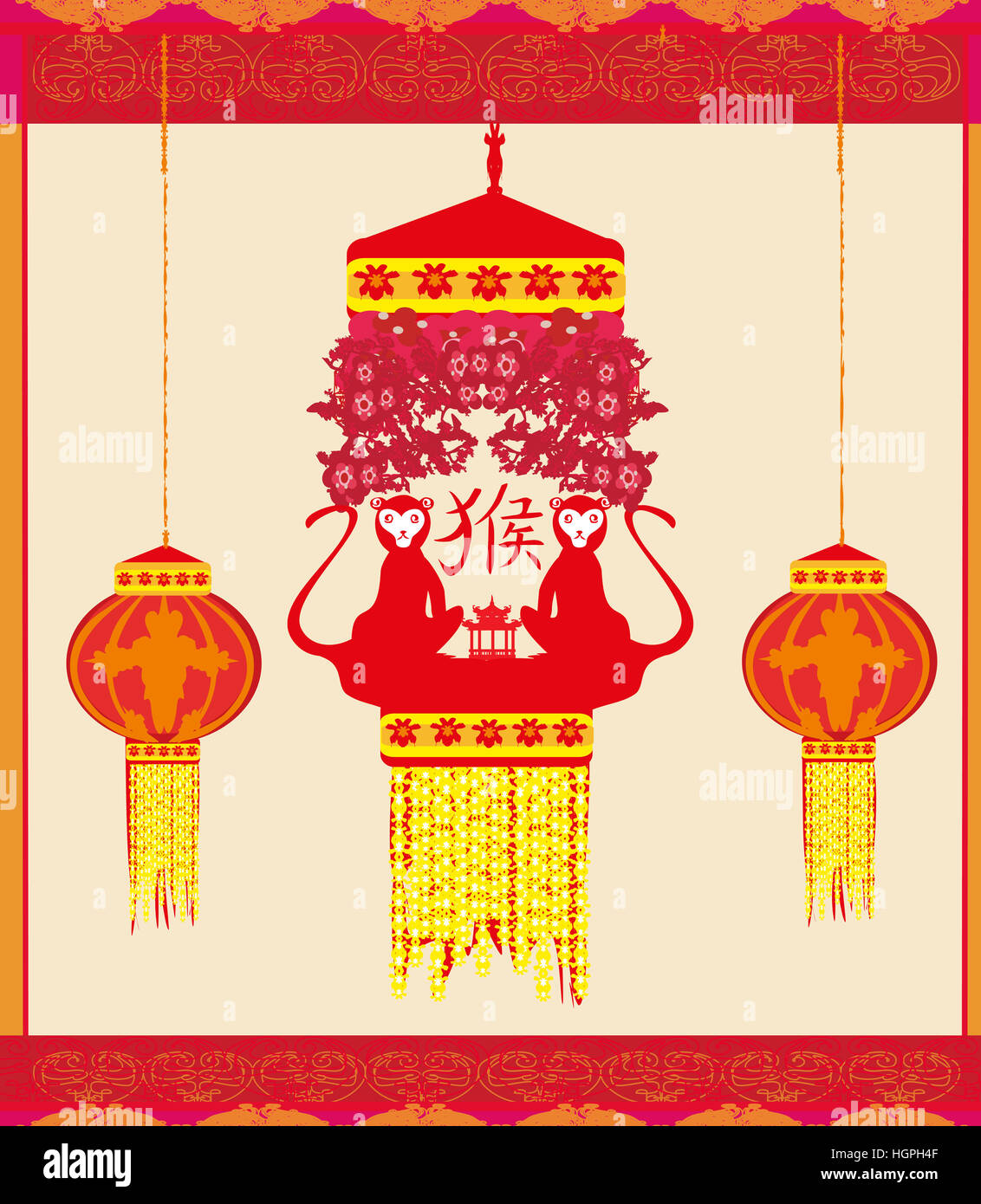
The 2026 Chinese New Year, which begins on February 17, 2026, marks the transition into the Year of the Fire Horse. While the "Monkey" is not the zodiac animal for 2026, many cultural enthusiasts and global celebrations incorporate the Monkey King, Sun Wukong, as a central figure due to his enduring popularity in Chinese folklore. Understanding how to participate in these celebrations requires balancing traditional lunar customs with the specific cultural narratives of the Monkey King often featured in parades and performances.
Understanding the Lunar Calendar and Zodiac Context
The Chinese New Year, also known as the Spring Festival, is determined by the lunisolar calendar. Each year is associated with one of twelve animals in the Chinese zodiac cycle: Rat, Ox, Tiger, Rabbit, Dragon, Snake, Horse, Goat, Monkey, Rooster, Dog, and Pig. Because 2026 is the Year of the Horse, it is a common misconception that the Monkey will be the focal point of the zodiac observances.
However, the Monkey—represented by the legendary figure Sun Wukong from the classic novel Journey to the West—remains a staple of festive performances. In many diaspora communities and urban centers, performers dressed as the Monkey King participate in lion and dragon dance troupes. Their role is to provide comedic relief, display acrobatics, and interact with the crowd, bridging the gap between historical literature and modern celebration.
Planning Your Participation: What to Expect
If you are looking to engage with festivities that feature Monkey-themed performances, it is essential to distinguish between official zodiac observances and the broader cultural displays.
- Parades and Street Festivals: Major metropolitan areas with established Chinatowns typically host grand parades. These events occur during the fifteen days following the New Year. Look for advertisements specifically mentioning "acrobatic troupes" or "theatrical performances."
- Cultural Center Events: Museums and community centers often host workshops on Chinese opera and mythology. These venues are the most likely places to find detailed educational exhibits regarding the Monkey King, independent of the current zodiac year.
- Regional Variations: Celebrations in East Asia often emphasize family rituals and temple visits. In contrast, international celebrations in cities like London, San Francisco, or Sydney are more public-facing, relying on visual spectacles where the Monkey King often makes an appearance as a crowd favorite.
The Role of Sun Wukong in Modern Celebrations
The inclusion of the Monkey King in 2026 celebrations is largely performative rather than astrological. In Chinese culture, the Monkey represents wit, intelligence, and agility. During public festivities, the Monkey King’s mask and costume are distinct; performers typically use a golden staff (Ruyi Jingu Bang) and exhibit quick, twitchy movements to mimic the character’s personality.
For those attending public events in 2026, these performances serve several purposes:
- Entertainment: The athleticism of the performers attracts younger audiences.
- Cultural Preservation: It maintains the tradition of bringing literary characters into the physical space of the streets.
- Community Engagement: Because the Monkey King is a mischievous yet heroic figure, he is often used to interact with children in the audience, making the festival more accessible.
Comparison of Festive Elements
When planning your schedule for the 2026 Spring Festival, it helps to identify which events prioritize specific aspects of the celebration.
| Feature | Lunar New Year Formal Rites | Public Parade/Performances |
|---|---|---|
| Primary Focus | Ancestral veneration and family unity | Public spectacle and community joy |
| Zodiac Animal | The Horse (2026) | Varies (Dragon, Lion, and Monkey) |
| Common Sights | Red envelopes, incense, family meals | Firecrackers, acrobatics, costumed dancers |
| Appropriate For | Private, family-oriented settings | Tourists and public cultural observers |
Practical Tips for Attendees
To ensure a respectful and rewarding experience during the 2026 Spring Festival, consider the following logistical advice:
1. Early Arrival for Parades: Popular public events in major cities reach capacity early. If you wish to photograph or see the performance troupes up close, arrive at least two hours before the scheduled start time. This is especially true for performances that include the Monkey King, as these are often positioned at the front of the procession.
2. Cultural Etiquette: Remember that the New Year is a time of renewal and luck. If you are invited to a family home or a private community event, it is customary to avoid discussing negative topics, death, or sickness. If you see a performer dressed as the Monkey King, it is generally acceptable to wave or offer a smile, but avoid touching their costume, as these are often handmade and delicate.
3. Digital Participation: If you cannot attend in person, many cultural organizations livestream their performances. Search for "2026 Spring Festival Gala" or local municipal parade streams. These broadcasts frequently feature theatrical segments where the Monkey King performs stylized movements representative of Peking Opera.
Addressing Common Misconceptions
One common error is assuming that the Monkey King’s presence implies a "Monkey Year." In 2026, you will see many decorations featuring horses. If you are specifically seeking "Monkey" decorations, you may find that availability is lower than in an actual Monkey year (the next occurrence being 2028).
Do not be discouraged by this. Many shops selling traditional Chinese goods maintain a stock of Monkey-themed items, such as figurines of the Monkey King, because of the character's status as a cultural icon. Purchasing these does not conflict with the Horse-themed decor of 2026; rather, it is viewed as a celebration of general Chinese folklore.
Frequently Asked Questions (FAQ)
1. Is 2026 the year of the Monkey? No, 2026 is the Year of the Fire Horse. The Monkey year will next occur in 2028.
2. Why do I still see Monkey King performers at 2026 events? The Monkey King is an iconic figure from Journey to the West. Performers often include him in parades because his acrobatic style is highly popular and entertaining for public audiences.
3. What are the best locations to see traditional performances? Large urban Chinatowns in cities like San Francisco, New York, Vancouver, and London host the most elaborate public parades, which are the most likely to include costumed character performances.
4. Can I buy Monkey-themed decorations for 2026? Yes. While the primary focus of 2026 is the Horse, the Monkey King remains a popular cultural icon and his imagery is widely available in shops and online throughout the year, especially during the Spring Festival season.
5. How can I learn more about the Monkey King's significance? The best way to understand the character is to read Journey to the West, one of the Four Great Classical Novels of Chinese literature. Academic centers and public libraries often hold reading groups or lectures surrounding this text during the festival period.
Next Steps for Enthusiasts
For those looking to deepen their appreciation of Chinese culture during the 2026 New Year, the best approach is to research your local community's schedule. Look for specific announcements from cultural associations rather than generic event lists. If your goal is to photograph performances, contact the event organizers in advance; they may grant access to designated media areas or provide information on the troupe's route, allowing you to capture the best images of the costumed performers in action.