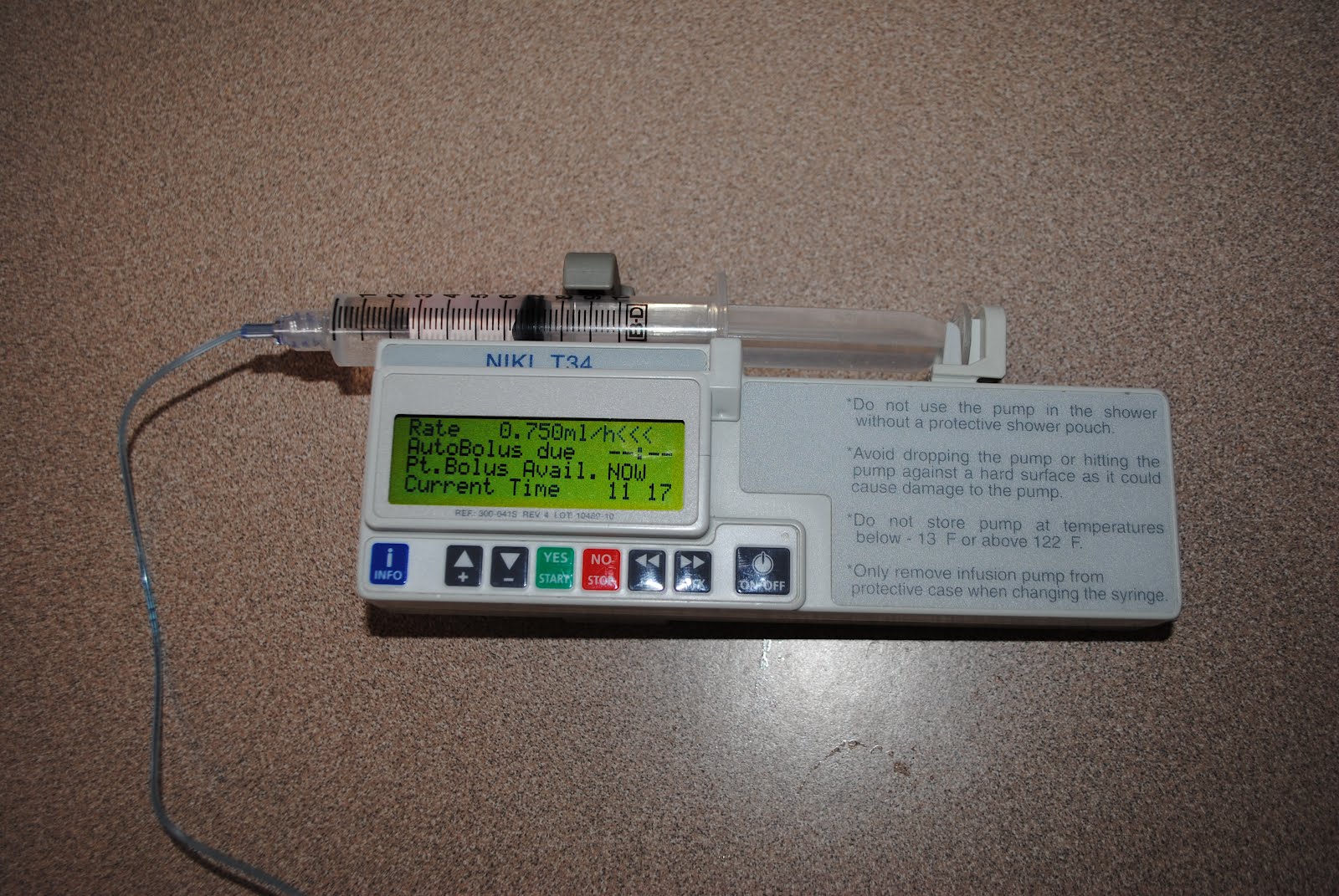
The 2020 Zofran pump timeline encompasses the clinical protocols, regulatory safety warnings, and patient advocacy milestones surrounding continuous subcutaneous or intravenous infusion of ondansetron via portable electronic pumps during pregnancy. While the Food and Drug Administration has not approved Zofran specifically for pump delivery or hyperemesis gravidarum, examining the historical record around 2020 requires analyzing how specialized compounding pharmacies, maternal-fetal medicine specialists, and litigation converged during that period.
Introduction to Zofran and Ambulatory Infusion Pumps
Ondansetron, widely recognized by its brand name Zofran, is an antagonist of the 5-HT3 serotonin receptor. It is primarily indicated for the prevention of nausea and vomiting associated with emetogenic cancer chemotherapy and postoperative nausea. However, for decades, clinicians have utilized ondansetron off-label to manage severe, intractable nausea and vomiting during pregnancy, specifically hyperemesis gravidarum (HG). When oral medications fail due to the patient's inability to keep fluids or pills down, alternative delivery routes—including intravenous (IV) and subcutaneous (SQ) infusion via portable ambulatory pumps—are sometimes considered by high-risk obstetric specialists.
The integration of Zofran with ambulatory infusion pumps became a subject of heightened clinical scrutiny, regulatory evaluation, and legal examination around 2020. Understanding this timeline requires separating standard pharmacological applications from off-label pump delivery methods, exploring the mechanics of ambulatory infusion devices, and reviewing the safety communications and legal developments that marked this period.
Clinical Rationale for Off-Label Pump Therapy in Severe Hyperemesis Gravidarum
Hyperemesis gravidarum affects a small percentage of pregnant individuals, characterized by severe, persistent nausea, vomiting, acute starvation, and electrolyte imbalances. When standard first-line and second-line antiemetics (such as pyridoxine-doxylamine combinations, promethazine, or metoclopramide) fail to control symptoms, patients often face repeated hospitalizations for intravenous rehydration.
To manage outpatient care and reduce hospital readmissions, maternal-fetal medicine (MFM) physicians occasionally turned to continuous subcutaneous or intravenous infusion pumps. The theoretical advantages of a pump delivery system include:
- Steady Plasma Concentrations: Continuous infusion avoids the peaks and valleys associated with intermittent bolus dosing, potentially providing more stable symptom control.
- Outpatient Management: Allowing patients to receive therapy at home helps maintain daily functioning and reduces the burden of inpatient admissions.
- Customized Basal Rates: Pumps can be programmed to deliver a precise continuous basal rate of medication, supplemented by patient-controlled bolus doses within safe clinical limits.
Despite these potential clinical benefits, the use of infusion pumps for delivering compounded ondansetron remained entirely off-label. The lack of standardized dosing guidelines, variations in compounding quality, and questions regarding optimal pharmacokinetics meant that pump therapy was typically reserved for refractory cases under strict specialist supervision.
Regulatory Landscape and Safety Warnings Leading Up to 2020
The safety profile of ondansetron during pregnancy has been evaluated in various epidemiological studies, focusing primarily on potential risks such as congenital malformations, oral clefts, and cardiac defects. While major regulatory agencies like the U.S. Food and Drug Administration (FDA) issued communications regarding observational studies yielding conflicting results on birth defect risks, specific attention turned toward the mechanisms of delivery.
Compounded medications used in ambulatory pumps do not undergo the same pre-market rigorous efficacy and safety evaluations as FDA-approved manufactured injectables or oral tablets. By 2020, heightened awareness among obstetricians, pharmacovigilance groups, and legal entities brought attention to several critical safety concerns regarding pump therapy:
- Infection Risks: Indwelling subcutaneous catheters or peripherally inserted central catheters (PICCs) used for continuous infusion carry inherent risks of localized skin infections, cellulitis, and systemic bloodstream infections (sepsis).
- Mechanical Malfunctions: Portable electronic infusion pumps can experience mechanical errors, battery failures, or programming mistakes, leading to either under-infusion of medication or accidental over-infusion.
- Drug Stability and Precipitates: Compounded ondansetron solutions must maintain chemical stability over extended periods at body temperature; precipitation within the catheter can lead to line occlusion or embolic events.
Key Milestones in the 2020 Zofran Pump Timeline
The year 2020 marked a confluence of ongoing product liability litigation, medical society guideline refinements, and shifting clinical practices regarding the management of hyperemesis gravidarum. While no single major FDA recall specifically targeted ambulatory pumps for Zofran in 2020, the period was characterized by significant legal and institutional milestones.
| Date / Period | Event Category | Description and Significance |
|---|---|---|
| Early 2020 | Clinical Guidance | Professional societies and high-risk pregnancy centers continued to re-evaluate institutional protocols, favoring safer outpatient hydration methods over continuous pump delivery unless strictly necessary. |
| Mid 2020 | Legal Proceedings | Federal and state court proceedings involving Zofran birth defect litigation continued active discovery and expert witness depositions, scrutinizing manufacturer marketing practices and the dissemination of off-label use information. |
| Throughout 2020 | Compounding Regulation | State boards of pharmacy maintained rigorous oversight over 503A and 503B compounding pharmacies preparing continuous infusion solutions, focusing on sterility, potency, and particulate matter testing. |
| Late 2020 | Pharmacovigilance | Continued post-market surveillance reports evaluated adverse event data related to catheter site infections and pump delivery failures in pregnant populations. |
Litigation and Legal Context Surrounding Pump Use
Much of the public awareness regarding the "Zofran pump" stems from extensive product liability litigation against manufacturers such as GlaxoSmithKline (GSK). Plaintiffs in these lawsuits generally alleged that the manufacturer promoted off-label use of ondansetron to pregnant women without adequate warnings regarding potential congenital risks.
Within the broader scope of this litigation, patients who utilized ambulatory infusion pumps frequently cited additional complications arising from the delivery method itself, including severe catheter-related infections, permanent scarring, and exacerbations of hyperemesis symptoms due to device failure. Legal scrutiny focused heavily on whether healthcare providers received adequate, balanced information regarding the risks and lack of FDA approval for continuous pump infusion during pregnancy.
Comparison of Delivery Methods for Antiemetic Therapy in Pregnancy
To understand why clinicians and patients weighed the risks of pump therapy, it is helpful to compare the primary methods of administering antiemetic medications during severe pregnancy-related nausea and vomiting.
| Delivery Method | Primary Advantages | Common Risks and Limitations |
|---|---|---|
| Oral Tablets / ODT | Non-invasive, easy to administer at home, no specialized equipment required. | Frequently ineffective in severe HG due to immediate vomiting of pills; variable absorption. |
| Intermittent IV Bolus | Rapid onset of action, administered in outpatient infusion centers or emergency departments. | Requires frequent clinic visits, does not provide continuous baseline control, repeated needle sticks or IV placements. |
| Ambulatory Infusion Pump | Continuous 24-hour symptom control, potential reduction in inpatient admissions. | High risk of line infections, mechanical pump errors, high cost, intensive nursing oversight required, strictly off-label. |
Current Clinical Standards and Safe Practices
In contemporary clinical practice—looking forward from the precedents established around 2020—the use of ambulatory infusion pumps for ondansetron is approached with extreme caution. Modern maternal-fetal medicine protocols emphasize multidisciplinary care, early nutritional support, and the utilization of newer FDA-approved combination medications specifically indicated for nausea and vomiting of pregnancy (such as doxylamine-pyridoxine) before considering advanced off-label interventions.
When continuous infusion is deemed clinically necessary by a specialist panel, rigorous safety checklists are implemented:
- Strict Patient Selection: Reserved exclusively for patients with documented, refractory hyperemesis gravidarum who have failed all standard outpatient therapies.
- Informed Consent: Detailed discussions regarding the off-label status of the pump and compounded medication, potential fetal risks, and device-associated infection hazards.
- Infection Control Protocols: Comprehensive patient education on sterile dressing changes, site inspections, and immediate reporting of localized erythema or systemic fever.
- Device Monitoring: Regular biomedical checks of the infusion pump and coordination with specialized home infusion nursing services.
Frequently Asked Questions
Was Zofran ever FDA-approved for use with an infusion pump during pregnancy?
No. The FDA has never approved ondansetron (Zofran) for administration via continuous ambulatory infusion pumps, nor has it approved the medication specifically for the treatment of hyperemesis gravidarum. All such uses are classified as off-label medical practice.
What are the main medical risks associated with ambulatory infusion pumps during pregnancy?
The primary medical risks include catheter-related bloodstream infections, localized skin cellulitis at the infusion site, mechanical pump malfunctions leading to incorrect dosing, and potential venous thrombosis associated with indwelling vascular access.
Why were infusion pumps considered for hyperemesis gravidarum around 2020?
Clinicians occasionally utilized pumps to deliver continuous medication to patients suffering from severe, intractable vomiting who could not keep oral medications down, aiming to maintain steady blood levels and prevent repeated hospital admissions for dehydration.
How did the 2020 legal environment affect Zofran pump usage?
The legal environment surrounding 2020 was characterized by ongoing product liability lawsuits examining the marketing and safety of ondansetron during pregnancy. This heightened awareness led many healthcare providers and institutions to adopt more conservative protocols, discouraging routine off-label pump usage in favor of safer, established alternatives.
Where can patients find reliable guidance on managing severe nausea in pregnancy?
Patients experiencing severe hyperemesis gravidarum should consult a board-certified obstetrician-gynecologist or maternal-fetal medicine specialist. Authoritative resources include guidelines from the American College of Obstetricians and Gynecologists (ACOG).