The 2019 Volkswagen Tiguan requires full synthetic engine oil that meets the Volkswagen 508 00 oil standard, typically with a viscosity grade of 0W-20. Utilizing the manufacturer-specified oil is critical for the long-term health of the turbocharged 2.0-liter TSI engine, ensuring optimal fuel economy, proper emission system function, and the protection of internal components under varying operating temperatures.
The Importance of Manufacturer Specifications
Volkswagen engineering is highly specific regarding the chemical composition and viscosity of lubricants used in their vehicles. For the 2019 Tiguan, which features the EA888 Gen3B engine, the use of a "certified" oil is not merely a recommendation; it is a mechanical necessity.
The VW 508 00 specification was developed to provide low-friction, high-protection qualities while simultaneously supporting the engine’s start-stop technology and advanced turbocharger cooling requirements. Using a conventional oil or an oil that does not meet the 508 00 standard can lead to increased friction, sludge buildup, and potentially premature wear of the variable valve timing system. Because modern engines are built with tighter tolerances than those of previous decades, the fluid film thickness provided by the correct 0W-20 synthetic oil is essential for maintaining efficient operation.
Identifying the VW 508 00 Standard
When shopping for oil for your 2019 Tiguan, you will notice that containers often feature a list of approvals on the back label. You must look for "VW 508 00" explicitly printed on the bottle.
This specific oil is often tinted green—a unique characteristic intended to help technicians distinguish it from standard motor oils during service. It is a low-viscosity, high-performance synthetic designed to reduce drag on internal components, which contributes directly to the fuel efficiency ratings of the 2019 Tiguan. If you are in an emergency situation where the oil level is critically low and you cannot locate 508 00, consult your owner's manual for emergency top-off procedures; however, the correct specification should be restored at the earliest opportunity.
Capacity and Fluid Requirements
For the 2019 Volkswagen Tiguan, the engine oil capacity is approximately 5.7 quarts (5.4 liters) including the oil filter. It is common for owners to buy a six-quart case to ensure they have enough for the drain and fill, as well as a small amount left over for any necessary top-offs between scheduled service intervals.
Essential Materials for Oil Service
| Material | Requirement/Specification |
|---|---|
| Oil Specification | VW 508 00 |
| Viscosity Grade | 0W-20 |
| Engine Type | 2.0L TSI (Turbocharged) |
| Total Capacity | ~5.7 Quarts (5.4 Liters) |
| Oil Filter Type | Cartridge Style |
| Drain Plug Torque | ~30 Nm (22 ft-lbs) |
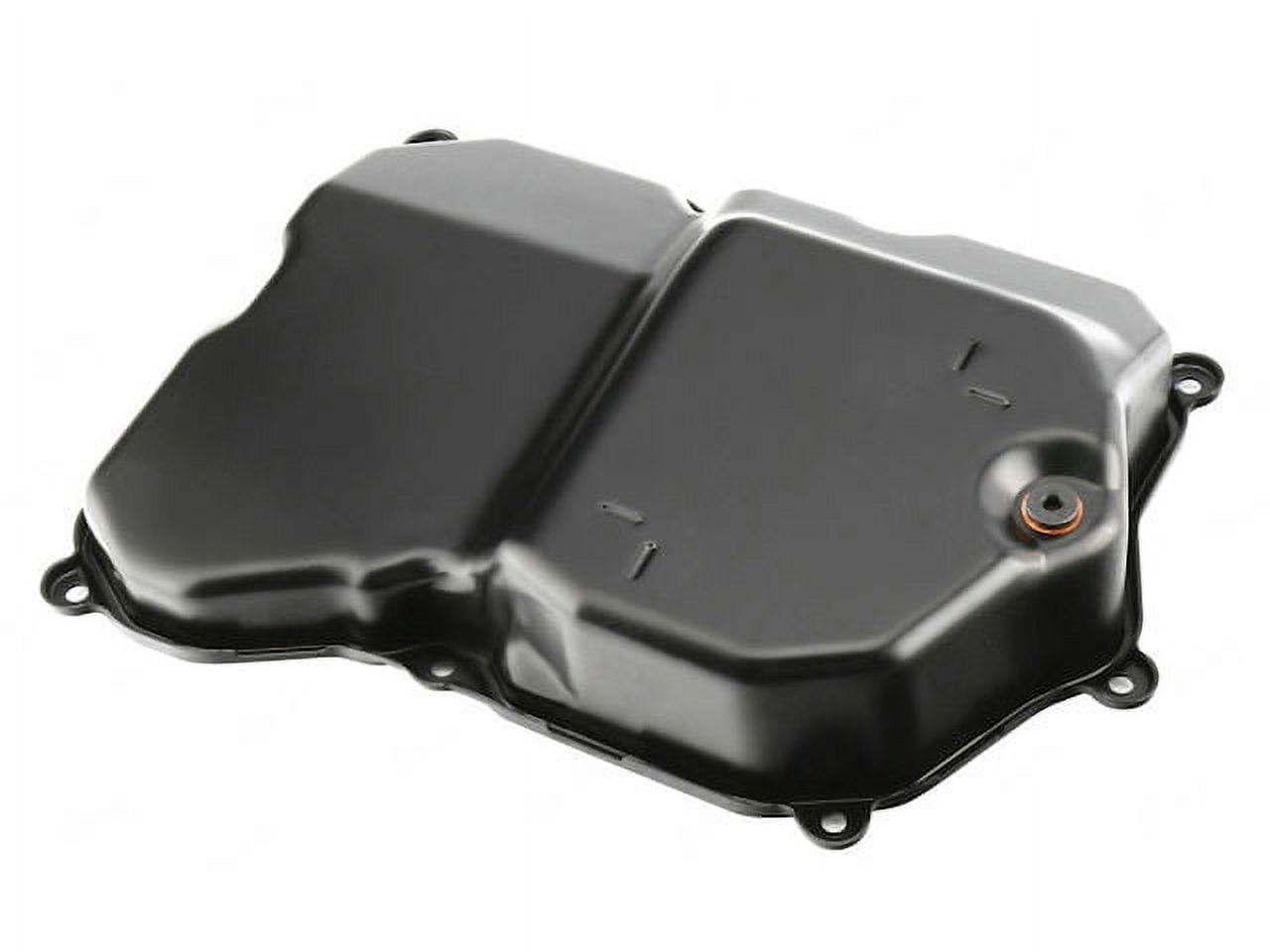
Note: Always verify the drain plug torque with a calibrated torque wrench, as over-tightening can damage the oil pan threads.
The Role of the Oil Filter
The 2019 Tiguan utilizes a cartridge-style oil filter rather than the traditional spin-on canister. This design requires a specific filter housing cap wrench for removal. When performing an oil change, you must replace the filter O-ring provided with the new filter element. Failure to seat this O-ring correctly or failing to replace it can lead to oil leaks that are often mistaken for internal engine failures. Always use an OEM-quality filter, as the bypass valve pressure and filtration media density are calibrated specifically for the 2.0L TSI engine’s oil pump pressure.
Signs Your Tiguan Needs an Oil Change
Monitoring your oil is a routine part of vehicle ownership. Even with modern synthetic oils, degradation occurs over time due to heat, combustion byproducts, and moisture accumulation.
- Service Interval Reminder: The 2019 Tiguan is equipped with an electronic maintenance minder. When the wrench icon appears on your instrument cluster, it indicates the vehicle has reached its mileage or time threshold for service.
- Oil Level Warning: If you see a low oil level notification, park on a level surface, wait for the engine to cool for at least 15 minutes, and check the dipstick. If the oil is consistently disappearing, have the engine inspected for leaks or oil consumption.
- Oil Appearance: While color is not a perfect indicator, oil that appears excessively gritty or has a milky, frothy consistency should be addressed immediately, as the latter can indicate coolant contamination.
Step-by-Step Overview: Performing an Oil Change
Performing an oil change on a 2019 Tiguan requires basic mechanical knowledge and proper safety equipment. Always lift the vehicle using jack stands; never rely on a hydraulic jack alone.
Preparation
- Gather Supplies: You will need 6 quarts of VW 508 00 0W-20 oil, an OEM oil filter kit (which includes the filter, O-ring, and a new crush washer for the drain plug), a 32mm socket for the filter housing, and an 8mm hex/Allen socket for the drain plug.
- Warm the Engine: A warm engine helps the oil drain more quickly and carry away more suspended debris. Run the engine for 3–5 minutes, then shut it off.
Execution
- Remove the Undertray: The Tiguan features a plastic aerodynamic shield covering the oil pan. You will need to remove several T25 Torx screws to access the drain plug.
- Drain the Oil: Position a drain pan under the plug. Carefully remove the plug and allow the oil to drain completely—this may take 10 minutes.
- Replace the Filter: Locate the filter housing at the top of the engine bay. Use the 32mm socket to loosen the cap. Remove the old cartridge, replace the O-ring on the cap with the new one provided in the kit, and snap the new filter into the cap before reinstalling.
- Finalize: Install the new crush washer on the drain plug and tighten it to the specified torque. Refill the engine with 5.4 to 5.7 liters of oil. Run the engine for a minute to circulate the oil, check for leaks under the vehicle, then shut it off, wait a few minutes, and verify the oil level on the dipstick.
Common Mistakes to Avoid
One of the most frequent errors is using the wrong oil specification. Many "universal" synthetic oils are marketed as "Euro-spec," but unless they explicitly list the VW 508 00 approval, they should not be used. Another common issue involves the drain plug. The plug is designed to be a single-use item or at least requires a new crush washer every time. Reusing the old washer frequently results in a slow drip that can create a mess on your driveway and potentially lead to low oil pressure if ignored. Finally, ensure you do not overfill the engine. Adding too much oil can cause the excess to froth or be pushed into the intake system, which may foul your spark plugs or damage the catalytic converter.
Frequently Asked Questions
Can I use 5W-30 instead of 0W-20 in my 2019 Tiguan?
No. You should strictly adhere to the 0W-20 viscosity grade and the VW 508 00 standard. Deviating from this, especially in the 2019 TSI engine, can negatively affect the variable valve timing and the efficiency of the oil pump, which is designed to handle low-viscosity fluids.
How often should I change the oil?
Volkswagen typically recommends an oil change every 10,000 miles or once per year, whichever comes first. However, if you drive primarily in "severe" conditions—such as frequent short trips, heavy stop-and-go city traffic, or extremely dusty environments—consider changing your oil every 5,000 to 7,500 miles.
Is it necessary to go to a dealership for an oil change?
You are not required to go to a dealership to maintain your warranty, provided you keep receipts and documentation showing that you used the correct oil specification and OEM-quality filters. You can perform the work yourself or use an independent shop, but meticulous record-keeping is vital.
Why is my oil green?
The VW 508 00 0W-20 oil is often dyed green by manufacturers to help technicians ensure the correct product was used. This is a factory-intended feature and is not a cause for concern.
Can I mix two different brands of 508 00 oil?
While it is chemically safe to mix two different brands that both carry the VW 508 00 approval, it is best practice to stick with a single brand and product line for your vehicle’s maintenance history to ensure consistent performance.
Next Steps for Maintenance
To ensure your 2019 Volkswagen Tiguan remains reliable, establish a consistent service schedule. Check your oil level every 2,000 miles, even if you do not notice any leaks, as modern engines can consume small amounts of oil between changes. Keep a folder of all your receipts for oil and filters; this documentation serves as your primary proof of maintenance should you ever need to address a warranty claim or provide history for a potential buyer. If you are uncomfortable performing the service yourself, ensure your service provider is specifically aware that your vehicle requires the VW 508 00 0W-20 specification before they begin work.