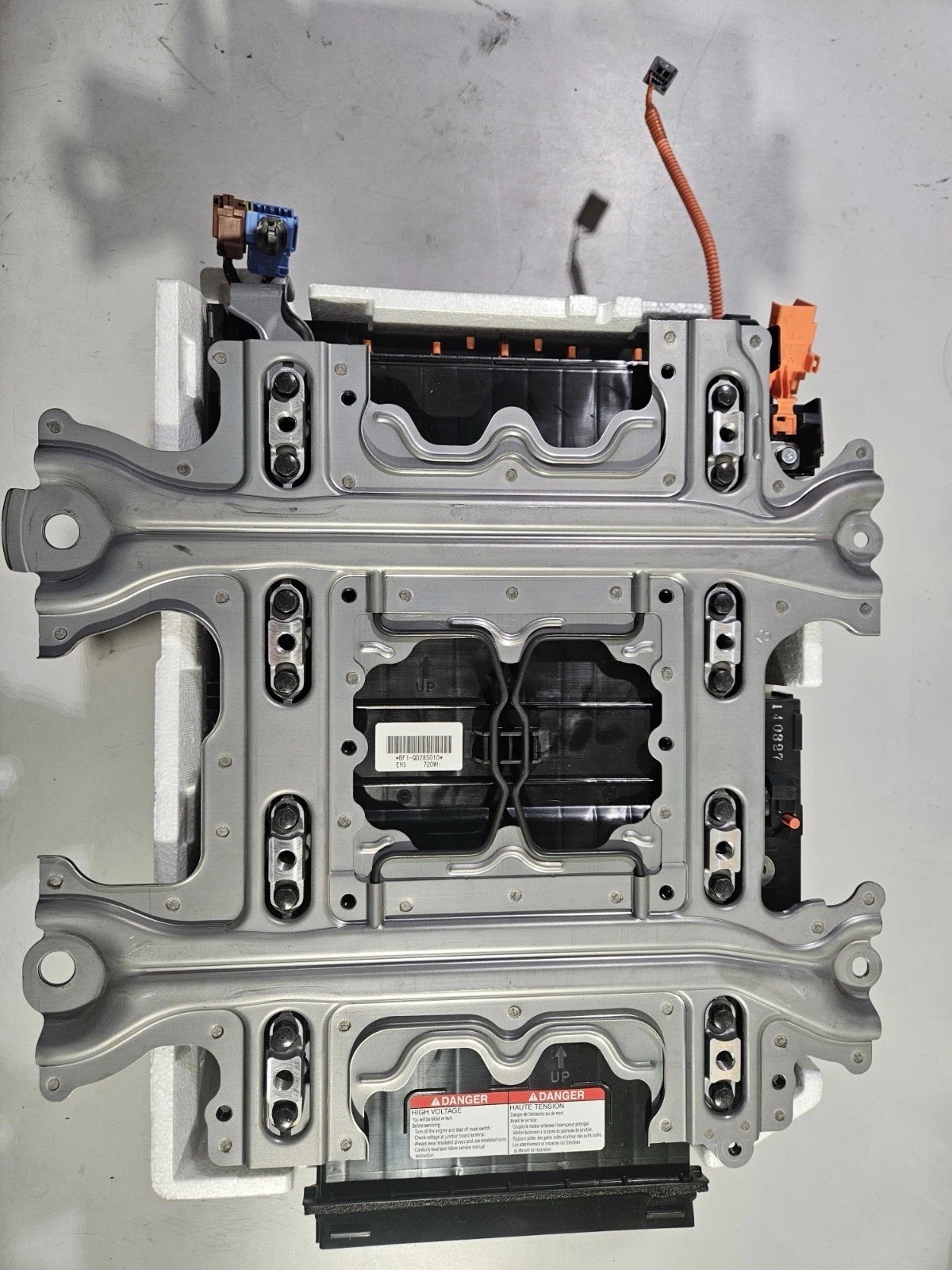
The 2013 Honda Civic Hybrid utilizes a high-voltage Lithium-ion (Li-ion) battery pack as part of its Integrated Motor Assist (IMA) system. As of 2026, most original units have surpassed their expected 10-year lifespan, necessitating replacement or specialized repair. Owners can expect replacement costs to range between $1,800 and $4,000 depending on whether they choose aftermarket or OEM components.
Understanding the 2013 Honda Civic Hybrid Battery System
The 2013 model year represents a significant phase in the ninth-generation Honda Civic. Unlike earlier generations of the Civic Hybrid, which relied on Nickel-Metal Hydride (NiMH) chemistry, the 2013 model features a more advanced Lithium-ion battery. This shift was designed to provide better energy density, lighter weight, and improved efficiency for the Integrated Motor Assist (IMA) system.
The IMA system is a "mild hybrid" setup. Unlike "full hybrids" that can propel the car on electricity alone for extended periods at high speeds, the 2013 Civic Hybrid uses its electric motor primarily to assist the 1.5-liter internal combustion engine during acceleration and to capture energy through regenerative braking. The Li-ion battery is the heart of this system, stored in the Intelligent Power Unit (IPU) located behind the rear passenger seat.
Technical Specifications
The 2013 battery pack operates at a nominal voltage of 144V. It consists of multiple modules containing Li-ion cells. The transition to Lithium-ion allowed Honda to reduce the physical footprint of the battery compared to the 2006–2011 models while increasing the power output. The battery manages a peak output of approximately 20 kW (23 hp), which provides a noticeable boost to the relatively small gasoline engine, especially when merging onto highways or climbing inclines.
Symptoms of a Failing Hybrid Battery
By 2026, a 2013 Honda Civic Hybrid is roughly 13 years old. For vehicles still running on their original factory battery, degradation is likely. Recognizing the symptoms of a failing battery can prevent secondary damage to the 12V charging system or the electric motor itself.
The IMA and Check Engine Lights
The most common indicator of failure is the illumination of the IMA light on the dashboard. This is often accompanied by the Malfunction Indicator Lamp (MIL) or "Check Engine" light. When these lights appear, the car’s onboard computer has detected a "deterioration" code, such as P0A7F (Hybrid Battery Pack Deterioration) or P0A80 (Replace Hybrid Battery Pack).
Decreased Fuel Economy
The primary purpose of the IMA system is to reduce the load on the gasoline engine. When the Li-ion cells lose their capacity to hold a charge, the gasoline engine must work harder and run more frequently. Owners typically notice a drop in MPG from the mid-40s down to the low 30s or high 20s as the battery fails.
Erratic State of Charge (SoC) Meter
If you observe the battery level meter on your dashboard jumping from full to nearly empty within a few minutes of driving, the battery is likely suffering from high internal resistance. This "recalibrating" behavior indicates that the cells can no longer stabilize voltage under load.
Sluggish Performance and Lack of Auto-Stop
The "Auto-Stop" feature, which shuts off the engine at stoplights to save fuel, relies heavily on the hybrid battery's health. If the battery is weak, the car will disable this feature to ensure the engine stays running to provide power to the 12V system. Furthermore, the loss of "electric assist" makes the car feel significantly slower during acceleration.
Replacement Options and Costs in 2026
When the battery finally fails, owners generally face three paths: purchasing a new unit from a Honda dealership, buying an aftermarket replacement, or attempting a repair/reconditioning.
OEM (Original Equipment Manufacturer) Units
Purchasing a brand-new battery from a Honda dealer is the most expensive but most reliable option. In 2026, the cost for a new OEM Li-ion pack typically ranges from $3,000 to $4,500, including labor. The advantage of OEM parts is the guaranteed compatibility and the standard Honda parts warranty, which usually covers 3 years or 36,000 miles.
Aftermarket Replacements
Several specialized companies produce replacement Li-ion packs for the 2013 Civic. These are often built with new, high-quality cells that may even exceed the original factory specifications. Aftermarket units generally cost between $1,800 and $2,600. These companies often provide "white-glove" installation services where a technician travels to your location to swap the battery.
Used or Salvage Batteries
While cheaper (often under $1,000), buying a battery from a salvaged 2013-2015 Civic Hybrid is highly risky. Lithium-ion batteries degrade both through use and through time (calendar aging). A battery that has been sitting in a salvage yard for months without being charged may have permanent cell damage.
| Option | Estimated Cost (2026) | Warranty | Best For |
|---|---|---|---|
| New OEM (Honda) | $3,500 - $4,500 | 3 Years / 36k Miles | Long-term reliability, high resale value. |
| New Aftermarket | $1,800 - $2,600 | 1 - 3 Years | Best balance of cost and performance. |
| Remanufactured | $1,200 - $1,700 | 6 Months - 1 Year | Budget-conscious owners. |
| Used (Salvage) | $500 - $900 | None / 30 Days | Temporary fix or vehicle trade-in prep. |
The Role of the 12V Auxiliary Battery
A common mistake among 2013 Civic Hybrid owners is confusing a failing 12V auxiliary battery with a failing high-voltage IMA battery. In the Civic Hybrid, the 12V battery (located under the hood) is responsible for powering the car's electronics and "booting up" the hybrid computer system.
If the 12V battery is weak or old, it can trigger false IMA codes. Because the 2013 Civic Hybrid does not have a traditional alternator—it uses a DC-DC converter to charge the 12V battery from the high-voltage pack—a failing high-voltage battery can eventually cause the 12V battery to die. Conversely, a bad 12V battery can prevent the IMA system from engaging. Before spending thousands on an IMA battery, always have the 12V battery load-tested and ensure the terminals are free of corrosion.
Installation and Safety Considerations
Replacing the hybrid battery in a 2013 Civic is not a standard DIY job for a novice. The battery pack operates at 144 volts, which is more than enough to cause lethal electrical shock if handled improperly.
Safety Gear and Procedures
Professional technicians use high-voltage insulated gloves (Class 0, rated for 1,000V AC) and insulated tools. The process begins with the removal of the rear seat cushion and the metal IPU cover. Once exposed, a dedicated Service Disconnect Switch must be flipped to the "OFF" position. This breaks the circuit and isolates the high voltage within the battery pack, making it safer to remove the mounting bolts and electrical connectors.
Weight and Logistics
The Li-ion pack in the 2013 model is lighter than the previous generation's NiMH pack, weighing roughly 45–60 pounds. However, it is awkwardly positioned. Removing it requires careful maneuvering to avoid damaging the high-voltage cables or the cooling fan ducting. If the cooling fan is clogged with dust or pet hair, this is the ideal time to clean it, as overheating is a primary cause of premature Li-ion degradation.
Maximizing Battery Longevity
Whether you have just replaced your battery or are trying to stretch the life of an original one, certain driving and maintenance habits can influence the lifespan of Lithium-ion cells.
- Manage Heat: Heat is the enemy of Li-ion chemistry. Ensure that the air intake for the battery (usually located on the rear parcel shelf or near the seat bolsters) is never blocked by clothing, groceries, or sunshades.
- Regular Use: Hybrid batteries perform best when they are cycled regularly. If a 2013 Civic Hybrid sits unused for several weeks, the self-discharge of the cells can lead to an imbalance, which triggers the IMA light. Aim to drive the vehicle at least once a week for 20 minutes.
- Avoid Deep Discharges: While the car's computer manages the state of charge, frequent aggressive driving followed by long periods of idling can stress the battery. Smooth, regenerative braking helps keep the cells within their optimal voltage range.
- Update Software: Occasionally, Honda releases PGM-FI or IMA software updates that optimize how the battery is charged and discharged. Check with a dealer to ensure your vehicle has the latest firmware updates applied.
Frequently Asked Questions
Can I drive my 2013 Civic Hybrid if the IMA light is on?
Yes, in most cases, the vehicle will still operate using the gasoline engine. However, you will experience significantly reduced power, lower fuel economy, and the 12V battery may not charge efficiently. If the "12V Charging System" light (the red battery icon) comes on, you should stop driving immediately, as the car may stall once the 12V battery is depleted.
Is there a "bypass" kit for the 2013 model?
Unlike the 2003-2005 models, bypassing the battery on a 2013 Civic Hybrid is much more complex. The DC-DC converter relies on the high-voltage bus to provide power to the rest of the car. Without a functional battery or a sophisticated electronic bypass (which is rarely available for this specific year), the car will not reliably maintain the 12V charge needed for headlights, power steering, and engine management.
How long should a replacement battery last?
A high-quality aftermarket or OEM Li-ion battery should last between 8 and 10 years, or approximately 100,000 to 150,000 miles, provided the cooling system is maintained and the car is driven regularly.
Does cold weather affect the 2013 Civic Hybrid battery?
Yes. Lithium-ion batteries are less efficient in extreme cold. You may notice that the IMA assist is limited until the cabin (and thus the battery, which draws air from the cabin) warms up. Conversely, extreme heat is more damaging to the long-term health of the battery than cold.
Is the battery covered under warranty in 2026?
Standard factory warranties (8 years/80,000 miles) have expired for all 2013 models. Even in states that follow California Air Resources Board (CARB) mandates, which extended the warranty to 10 years or 150,000 miles, the 10-year time limit has passed. Unless you have a specific third-party extended warranty, you will likely be responsible for the full cost of replacement.
Final Recommendation
For owners of a 2013 Honda Civic Hybrid in 2026, the decision to replace the battery depends on the overall condition of the vehicle. If the car has been well-maintained and has fewer than 150,000 miles, investing $2,000 in a high-quality aftermarket Lithium-ion battery is a sound financial decision that can extend the life of the vehicle for another decade. However, if the vehicle has significant suspension wear, transmission issues (CVT), or high mileage, it may be more cost-effective to trade the vehicle in, even with the IMA light on, as the cost of the battery may exceed 50% of the car's total market value.