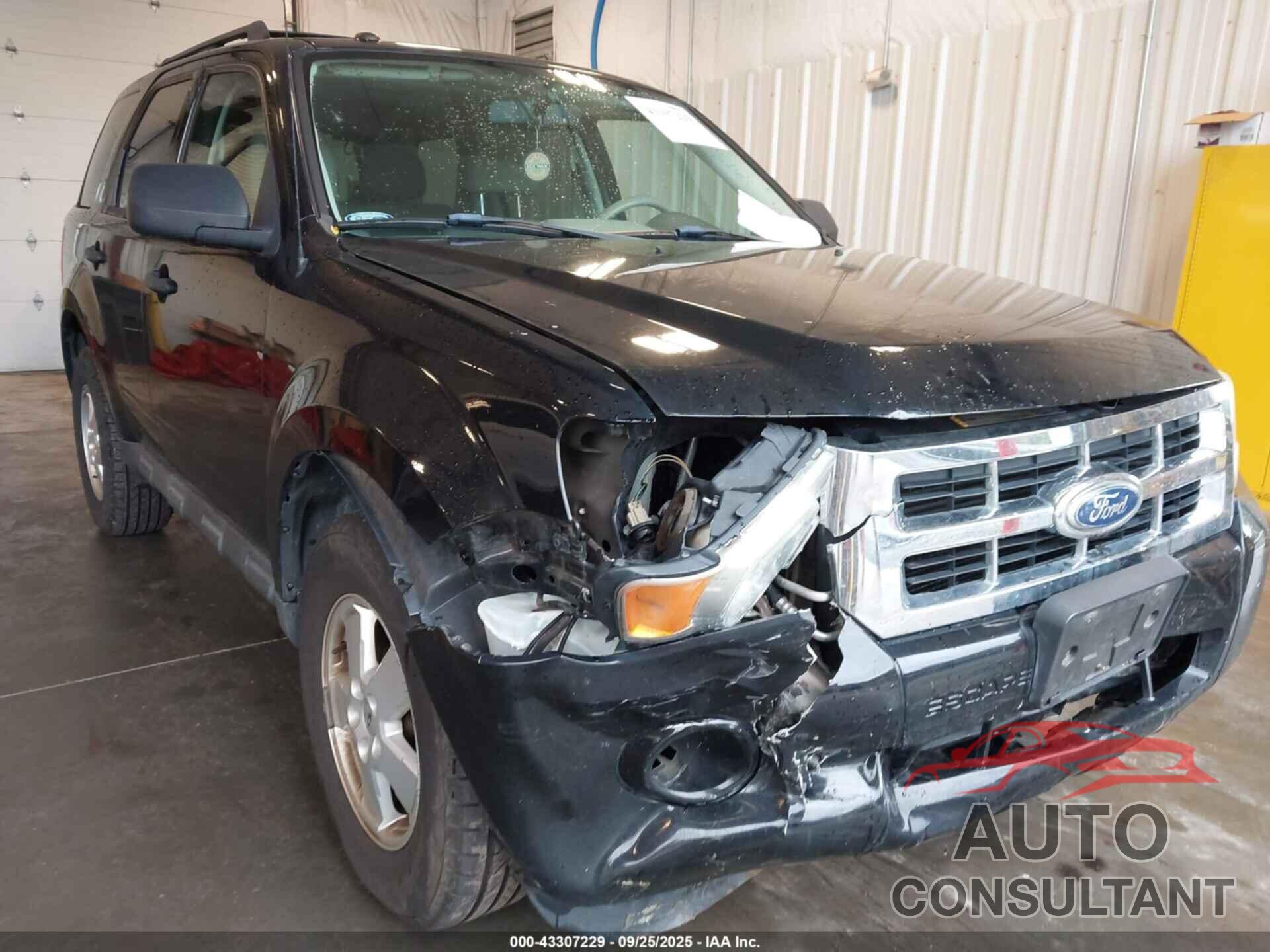
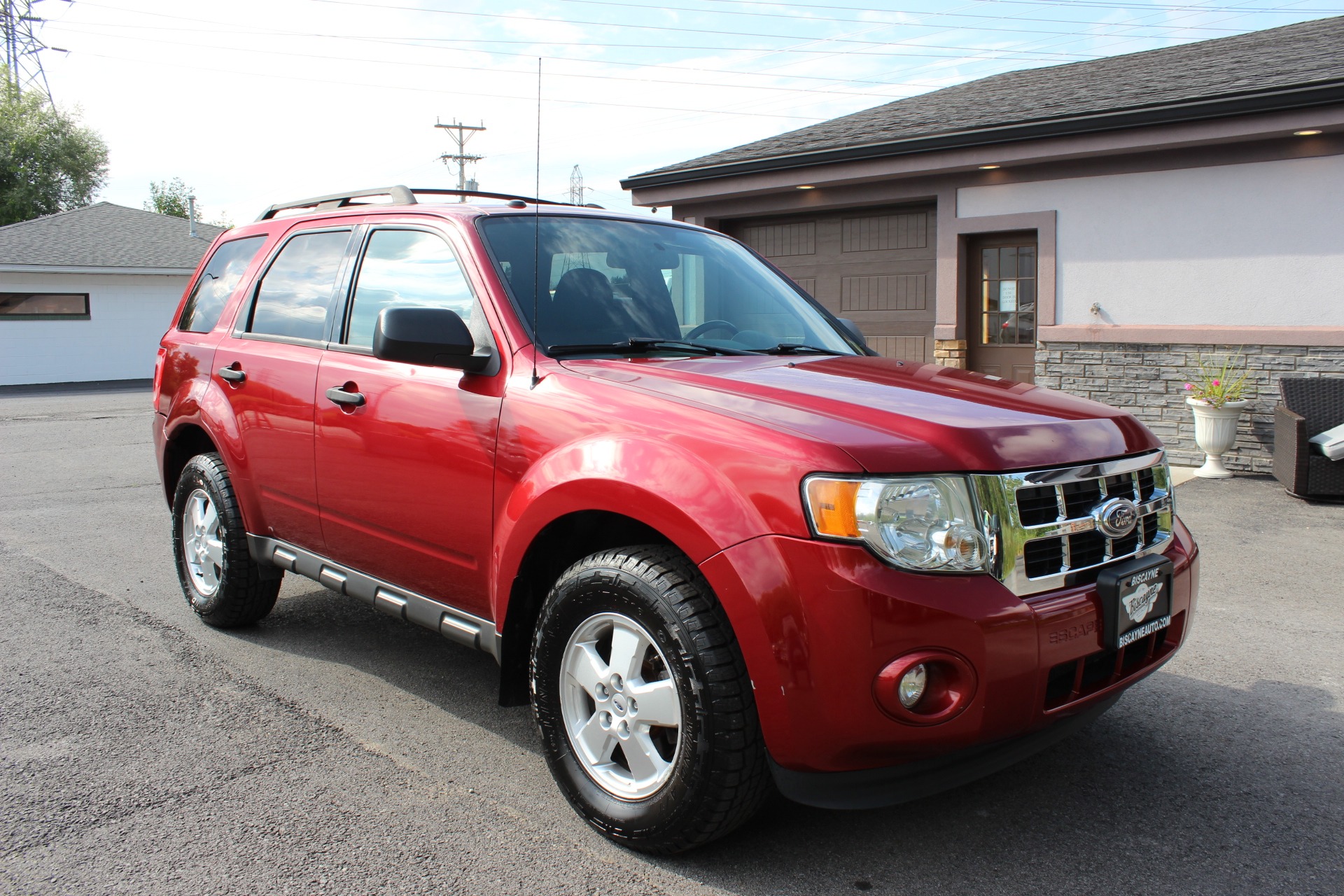
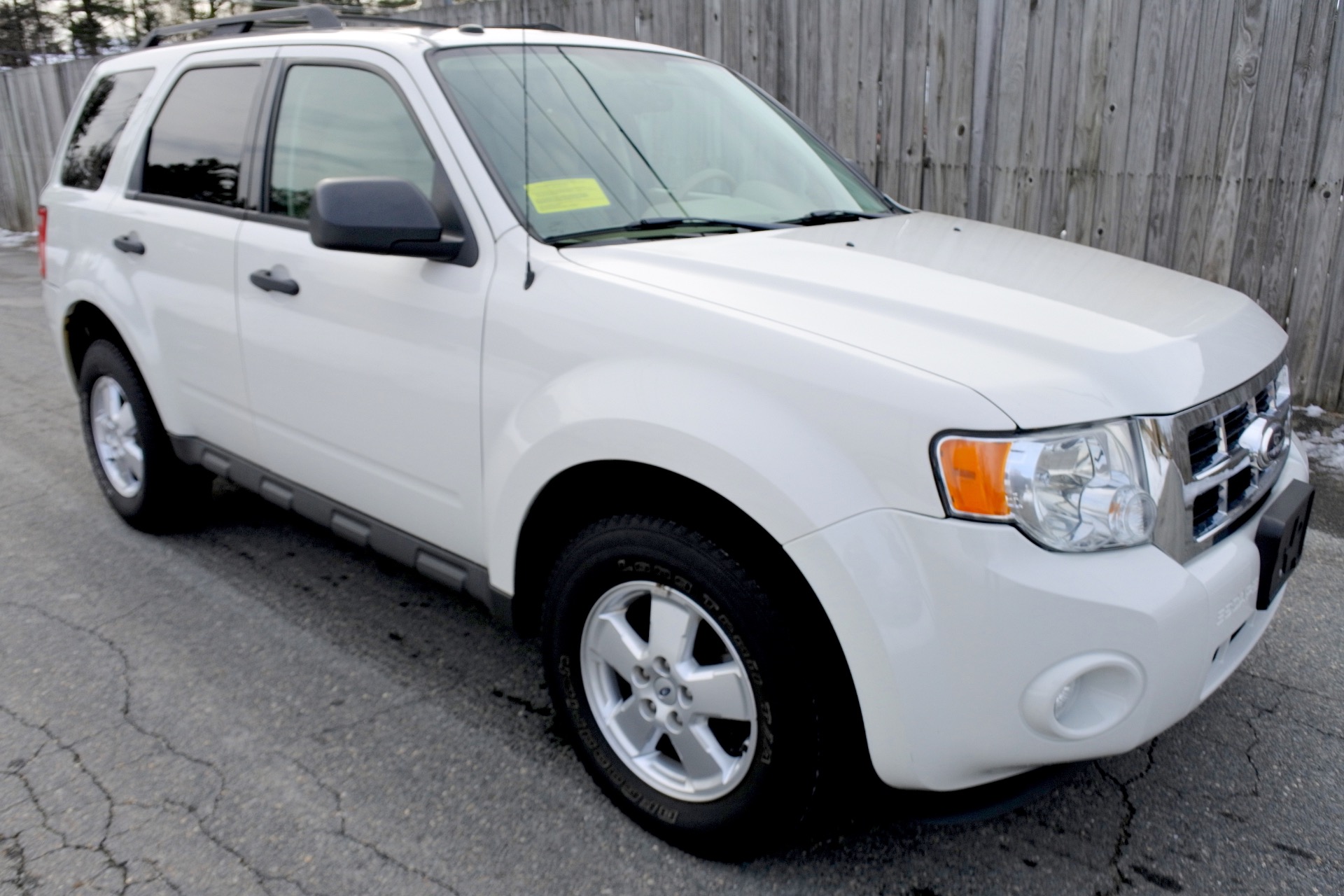
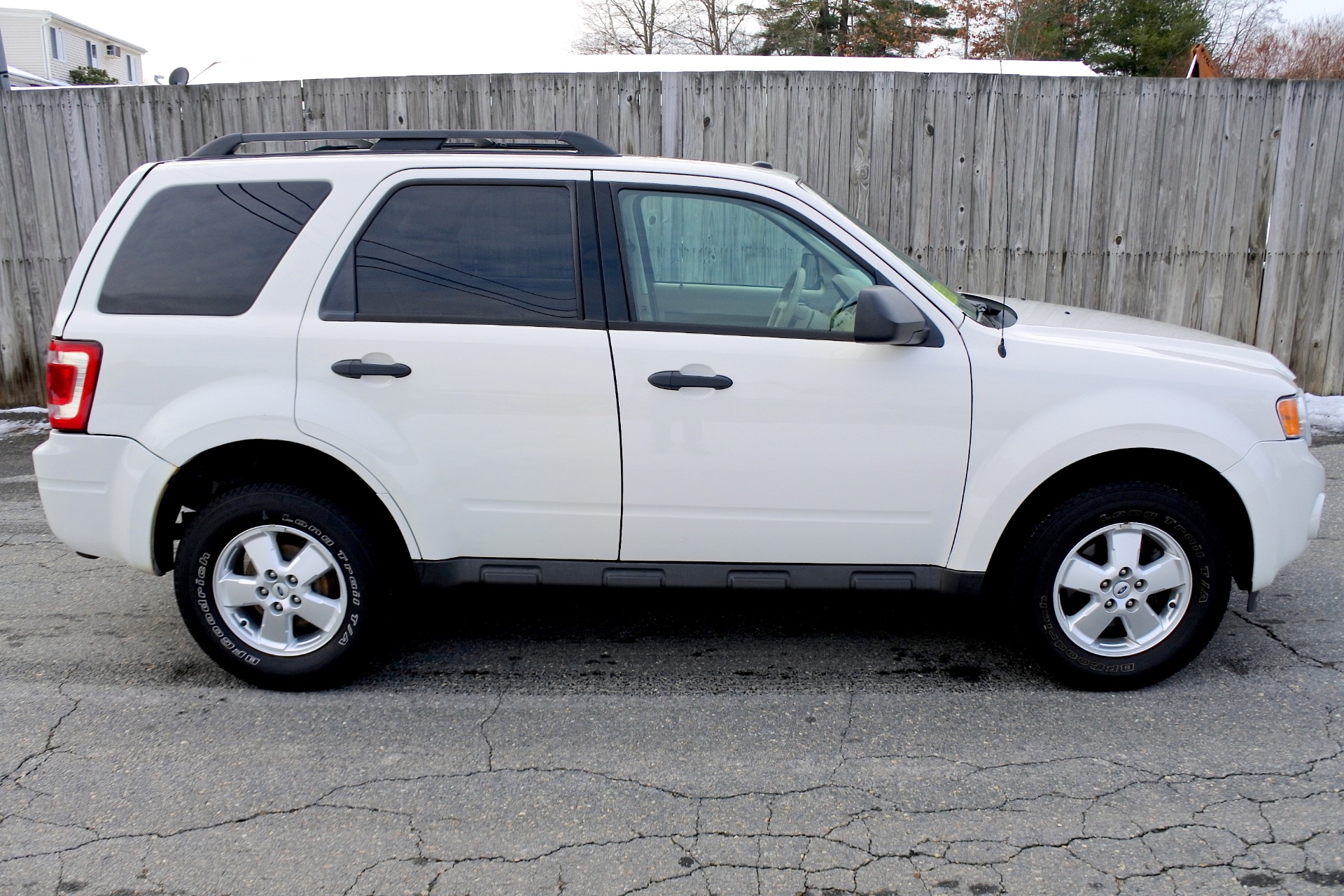
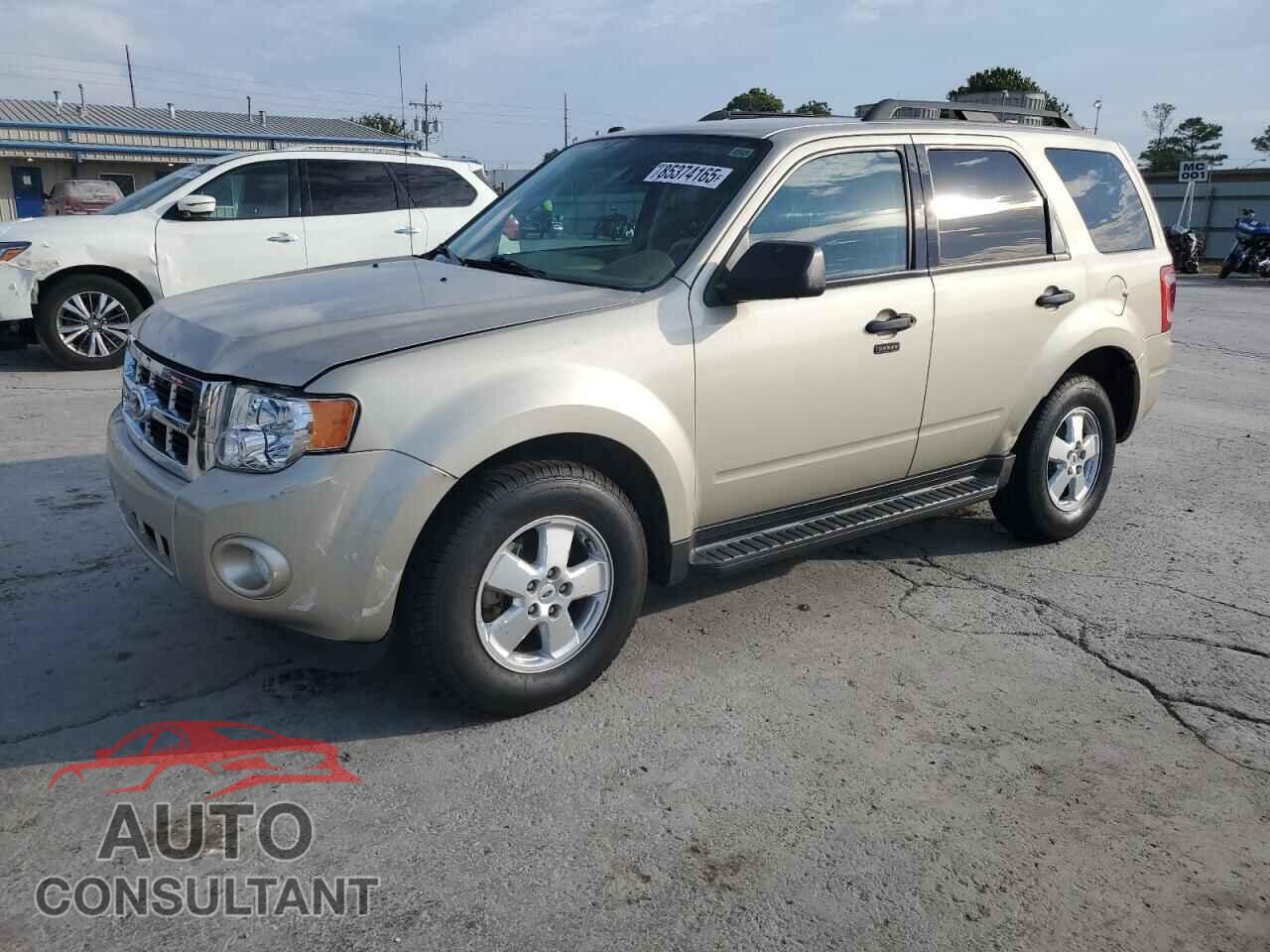
The 2012 Ford Escape 4WD XLT is a compact SUV that represents the final production year of the model's second generation, characterized by its classic "boxy" silhouette and rugged utility. It features an Intelligent 4WD system, a choice between a 171-hp 2.5L four-cylinder or a 240-hp 3.0L V6 engine, and a suite of mid-range comforts including the SYNC infotainment system and a power driver's seat.
As we look at this vehicle from the perspective of 2026, the 2012 Escape XLT has transitioned from a standard suburban commuter into a popular choice for budget-conscious buyers seeking a mechanical, non-complex AWD platform. Because 2012 was the "lame duck" year before Ford shifted to the more aerodynamic, car-like third generation (2013), this specific model year is often cited by enthusiasts as the most refined version of the traditional Escape design. It avoids many of the early EcoBoost engine growing pains that plagued its successor, making it a staple of the secondary market for those who prioritize visibility and straightforward maintenance.
The Mechanical Foundation: Engine and Drivetrain
The 2012 Ford Escape XLT was offered with two primary powertrains, and the choice between them significantly alters the driving experience and long-term ownership costs.
The 2.5L Duratec 25 I4
The base engine for the XLT trim was the 2.5-liter four-cylinder. Producing approximately 171 horsepower and 171 lb-ft of torque, this engine was designed for efficiency rather than speed. In the 4WD configuration, this engine can feel somewhat taxed when fully loaded or climbing steep grades. However, it is widely regarded as a highly durable "workhorse" engine. In 2026, many of these engines are still on the road with well over 200,000 miles, provided the cooling system and oil change intervals were strictly maintained.
The 3.0L Duratec 30 V6
For those requiring more capability, the 3.0-liter V6 was the preferred option. It produces 240 horsepower and 223 lb-ft of torque. The V6 significantly improves the Escape’s merging and passing capabilities. More importantly for utility-focused owners, the V6 allows for a maximum towing capacity of 3,500 pounds when equipped with the Class II Trailer Tow Package—a high figure for a compact SUV of this era.
Intelligent 4WD System
The "4WD" badge on the 2012 Escape is technically an Intelligent All-Wheel Drive system. Unlike a traditional 4x4 with a low-range transfer case, this system is front-wheel-drive biased. It uses an electromagnetic clutch to monitor wheel speed and throttle position, automatically sending torque to the rear wheels before slippage occurs. While it is not designed for heavy rock crawling, it provides excellent stability in snow, slush, and light trail conditions, which remains its primary draw for used car buyers today.
XLT Trim Specifications and Features
The XLT trim was the "sweet spot" of the 2012 lineup, sitting above the base XLS and below the luxury-oriented Limited. It offered a significant jump in daily-driver convenience without the high price tag of the leather-clad top trim.
Exterior Styling and Equipment
The XLT is easily identified by its 16-inch alloy wheels and standard fog lamps. Unlike the base model, the XLT includes black roof rack side rails, which enhance its "mini-Explorer" aesthetic. One of the most praised features of this generation is the liftgate with flip-up glass. This allows users to drop small items into the cargo area without opening the entire heavy hatch—a feature that many modern SUVs have unfortunately abandoned.
Interior Amenities and Tech
Inside, the XLT replaced the basic cloth of the XLS with a higher-quality "premium" cloth upholstery. In 2026, these interiors are noted for their durability, though the plastics are famously hard and prone to scratching.
Key standard features for the XLT include:
- Power Driver’s Seat: Six-way adjustment with manual lumbar support.
- Steering Wheel Controls: Integrated audio and cruise controls.
- SYNC Infotainment: Ford’s first-generation voice-activated system, allowing for Bluetooth hands-free calling and music streaming (via USB).
- Keyless Entry Keypad: The signature Ford SecuriCode keypad on the driver’s door, allowing entry without a key fob.
Performance and Fuel Economy
When evaluating the 2012 Ford Escape 4WD XLT, performance is best described as "functional." The suspension utilizes MacPherson struts in the front and a multi-link independent setup in the rear. This gives the Escape a more car-like ride than a body-on-frame truck, though it is noticeably stiffer than the 2013+ models.
Fuel Consumption Realities
According to EPA historical data, the fuel economy varies notably between the two engines:
- 2.5L I4 4WD: Approximately 20 mpg city / 27 mpg highway.
- 3.0L V6 4WD: Approximately 18 mpg city / 23 mpg highway.
In 2026, these numbers are considered low for the compact SUV segment, but for many owners, the trade-off is the lower purchase price and the lack of complex, expensive-to-repair turbocharged components found in newer vehicles.
Braking and Handling
The 2012 Escape uses front disc brakes and rear drum brakes. While this setup was becoming dated even in 2012, it is inexpensive to service. The electric power-assisted steering (EPAS) helps with fuel economy and makes the vehicle easy to maneuver in parking lots, though it lacks the communicative feel desired by enthusiast drivers.
Safety Ratings and Equipment
Safety was a major selling point for Ford in 2012. The Escape comes standard with the Personal Safety System, which includes dual-stage front airbags, front-seat side airbags, and "Safety Canopy" side-curtain airbags with roll-fold technology.
Crash Test Performance
The Insurance Institute for Highway Safety (IIHS) gave the 2012 Escape a "Good" rating (the highest possible) in frontal-offset and side-impact tests. However, it received a "Marginal" rating in the roof strength test, which is a consideration for those prioritizing rollover protection.
The vehicle also features AdvanceTrac with Roll Stability Control (RSC). This system uses two gyroscopic sensors to monitor both yaw and roll rates, automatically applying brakes or reducing engine power to help prevent a rollover during emergency maneuvers.
2012 Ford Escape 4WD XLT: Technical Summary Table
| Feature | Specification (2.5L I4) | Specification (3.0L V6) |
|---|---|---|
| Horsepower | 171 hp @ 6,000 rpm | 240 hp @ 6,550 rpm |
| Torque | 171 lb-ft @ 4,500 rpm | 223 lb-ft @ 4,300 rpm |
| Transmission | 6-Speed Automatic (6F35) | 6-Speed Automatic (6F35) |
| Towing Capacity | 1,500 lbs | 3,500 lbs (w/ Tow Package) |
| Ground Clearance | 8.1 Inches | 8.1 Inches |
| Cargo Volume | 31.4 cu.ft (Seats Up) | 31.4 cu.ft (Seats Up) |
| Max Cargo Volume | 67.2 cu.ft (Seats Down) | 67.2 cu.ft (Seats Down) |
| Fuel Tank Capacity | 17.5 Gallons | 17.5 Gallons |
Known Issues and Reliability Concerns
As this vehicle enters its 14th year of service in 2026, potential owners should be aware of specific mechanical trends. The 2012 model solved many issues present in the 2008–2010 versions, but it is not without faults.
1. Transmission Shudder (6F35)
The 6-speed 6F35 transmission is the most common point of failure. Owners often report "hunting" for gears or a shuddering sensation during the 2-3 shift. In 2026, most surviving Escapes have either had a transmission software update or a full rebuild. Prospective buyers should check for smooth shifting and ensure the transmission fluid has been changed every 30,000 to 50,000 miles.
2. Rear Wheel Well Rust
A significant issue for vehicles in the "Salt Belt" is corrosion on the rear wheel arches and the shock towers. In extreme cases, the rust can compromise the structural integrity of the rear suspension mount. It is critical to inspect the inner fender wells of a 2012 Escape before purchase.
3. Electric Power Steering (EPS) Sensor
The torque sensor within the steering column is known to fail, leading to a sudden loss of power steering assist. While Ford issued recalls and extended warranties for this in the past, many vehicles in 2026 may fall outside those windows, making it a potentially expensive out-of-pocket repair.
4. Throttle Body Issues
The electronic throttle body (ETB) can accumulate deposits or suffer electronic failure, causing the vehicle to enter a "Limp Home" mode. This is usually characterized by a sudden loss of power and a wrench icon on the dashboard. Replacing the ETB is a relatively simple DIY task, but it is a common occurrence.
Long-Term Value and Maintenance in 2026
In the current market of 2026, the 2012 Ford Escape 4WD XLT is valued for its mechanical simplicity. Unlike newer SUVs that rely heavily on complex touchscreens for climate control and integrated telematics that may no longer be supported, the 2012 Escape uses physical buttons and knobs.
Parts Availability
Because Ford sold hundreds of thousands of these units, and because it shares a platform with the Mazda Tribute and Mercury Mariner, parts are incredibly abundant and affordable. Whether you are sourcing a replacement alternator from a local parts store or a body panel from a salvage yard, the 2012 Escape is one of the easiest vehicles to keep on the road in the mid-2020s.
Modernizing the XLT
Many owners in 2026 choose to modernize their Escape XLT by replacing the factory SYNC head unit with an aftermarket Apple CarPlay/Android Auto compatible double-DIN stereo. Since the dashboard uses a standard format, this upgrade is straightforward and significantly refreshes the vehicle’s interior utility.
Frequently Asked Questions
Is the 2012 Ford Escape 4WD good in the snow?
Yes, the Intelligent 4WD system is highly effective for winter driving. It reacts quickly to front-wheel slip and provides enough ground clearance (8.1 inches) to clear unplowed side streets. Combined with a set of dedicated winter tires, it remains one of the more capable compact SUVs for snowy climates.
What is the difference between the 2012 Escape XLS and XLT?
The XLT adds several "quality of life" features over the XLS, including 16-inch alloy wheels, fog lights, a 6-way power driver’s seat, premium cloth upholstery, the SecuriCode keyless entry keypad, and automatic headlamps. Mechanically, both were available with 4WD, but the V6 engine was much more common on the XLT trim.
How many miles will a 2012 Ford Escape XLT last?
With proper maintenance, specifically focusing on the 6-speed transmission and rust prevention, the 2.5L and 3.0L engines can easily reach 200,000 to 250,000 miles. The drivetrain is robust; the body’s resistance to corrosion is usually the limiting factor for the vehicle's lifespan.
Does the 2012 Ford Escape XLT have a backup camera?
A backup camera was not standard on the XLT in 2012. It was available as part of an optional package that usually required the upgraded navigation system. Most used XLT models found today will not have one unless it was installed as an aftermarket addition.
Why is the 2012 model year preferred over the 2013?
The 2012 model is the last of the "old school" Escapes. It uses naturally aspirated engines rather than the smaller, turbocharged EcoBoost engines found in the 2013 redesign. Many buyers prefer the 2012 for its better visibility, simpler mechanical layout, and the classic SUV aesthetic.
Final Recommendation
The 2012 Ford Escape 4WD XLT is a pragmatic choice for those who need a reliable, all-weather vehicle without the high price tag or complexity of a modern SUV. Its strength lies in its "known entity" status; by 2026, every common fault is well-documented, and every repair is relatively affordable.
If you are considering a purchase, prioritize a V6 model for the added towing capability and better highway manners, but ensure a thorough pre-purchase inspection is performed on the transmission and the rear shock towers. If the frame and body are free of significant rust, this vehicle can serve as an excellent primary commuter or a secondary "utility" car for years to come.