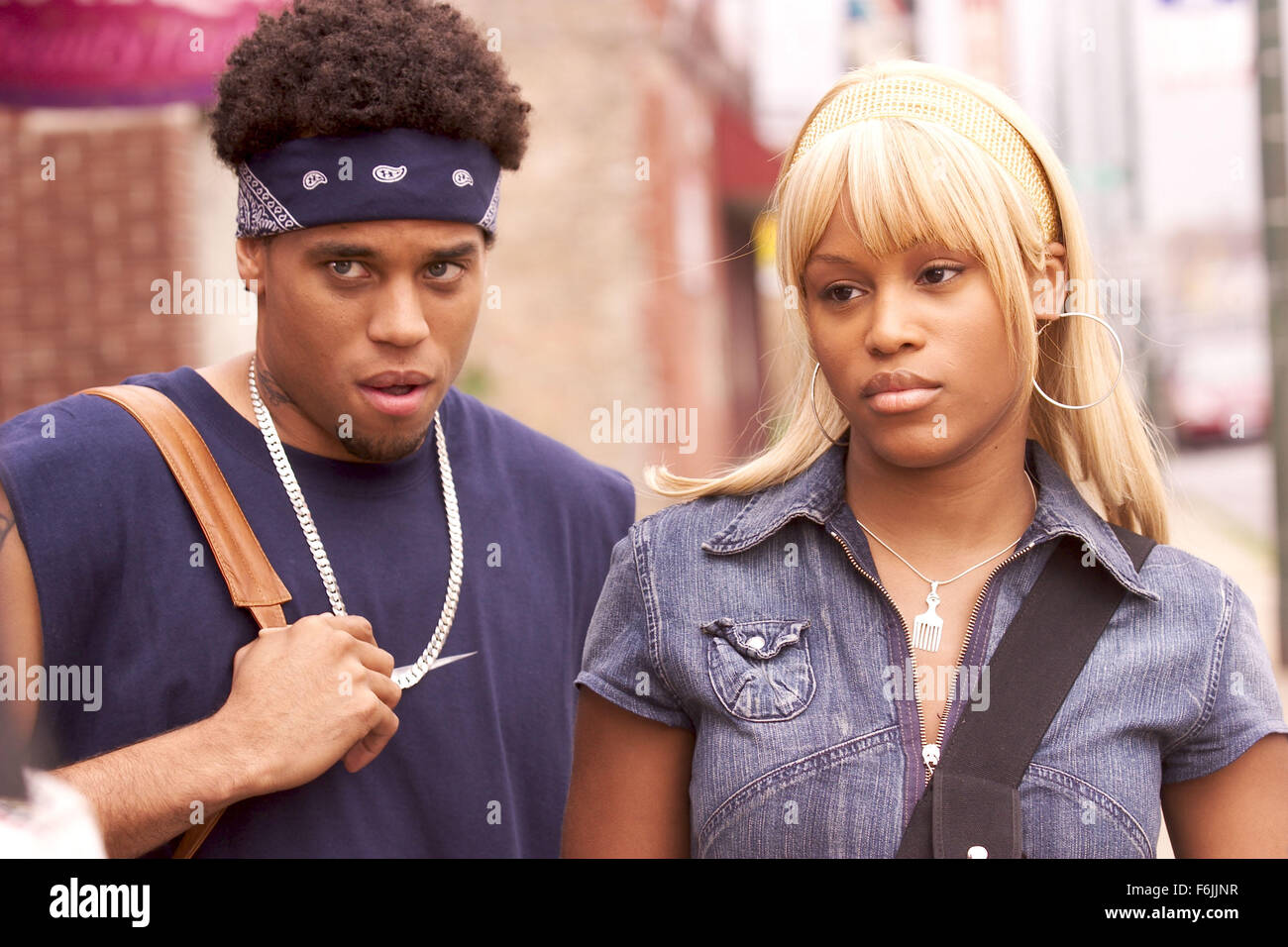
The film Barbershop 2: Back in Business features a dynamic ensemble cast that blends returning legacy actors from the original 2002 hit with prominent new additions, expanding the narrative universe of Calvin's barbershop on the South Side of Chicago. This comprehensive analysis breaks down the key actors, their characters, and how their performances shaped the cultural resonance of the 2004 sequel.
Introduction to Barbershop 2: Back in Business
Released in February 2004, Barbershop 2: Back in Business directed by Kevin Rodney Sullivan serves as the direct sequel to Tim Story’s sleeper hit Barbershop. While the original film focused on Calvin Palmer Jr. grappling with the legacy of his father's shop and the pressures of selling it, the sequel shifts its focus toward community preservation, economic gentrification, and the complex historical roots of Black entrepreneurship.
At the center of this narrative is an expanded roster of performers. Returning favorites brought continuity and comedic rhythm, while new actors injected fresh conflict, generational friction, and sharp social commentary. Understanding the actors behind these iconic chairs requires looking at both their career trajectories at the time and the narrative weight their characters carried.
Returning Cast: The Core Ensemble
The strength of Barbershop 2 relies heavily on the returning core cast members who established the barbershop as a cultural micro-community in the first film. Their established chemistry anchors the sequel's comedic and dramatic beats.
Ice Cube as Calvin Palmer Jr.
Ice Cube (born O'Shea Jackson) returned as Calvin Palmer Jr., the shop’s owner. By 2004, Ice Cube had successfully transitioned from pioneering gangsta rap icon to a bankable leading man and producer. In Barbershop 2, Calvin faces a new existential threat: a sleek, corporate franchise named "Nappy Cutz" opens across the street, threatening to put his traditional neighborhood shop out of business. Ice Cube plays Calvin with a grounded weariness mixed with fierce community loyalty, serving as the moral anchor of the film.
Cedric the Entertainer as Eddie
Cedric the Entertainer reprised his breakout role as Eddie, the unfiltered, opinionated, and fiercely opinionated elder statesman of the shop. Eddie’s character provides the film's most controversial and humorous social commentary, famously tackling historical figures, civil rights leaders, and modern pop culture with unapologetic bluntness. Cedric’s performance balances rapid-fire stand-up delivery with genuine emotional vulnerability, particularly during flashbacks depicting his younger years.
Eve as Terri Jones
Grammy-winning recording artist Eve returned as Terri Jones, the shop's sharp-tongued, no-nonsense female barber. In the sequel, Terri’s storyline deepens as she navigates professional ambition, romantic tension with newcomer Isaac, and the everyday microaggressions of maintaining her space in a male-dominated environment. Eve’s performance showcases a matured dramatic range compared to the first installment.
Sean Patrick Thomas as Jimmy James
Sean Patrick Thomas returned as Jimmy, the intellectual, college-educated barber whose political aspirations and philosophical waxing often clash with the practical realities of the neighborhood. Jimmy’s character acts as a vehicle for discussing class mobility and the friction between upwardly mobile youth and the working-class community they leave behind.
Michael Ealy as Dinka
Michael Ealy reprised his role as Dinka, the soft-spoken, politically conscious Nigerian barber whose observant nature provides a steady baseline for the shop's more chaotic personalities.
New Actors and Expanding Characters
To elevate the stakes, the sequel introduced several high-profile actors who brought fresh narrative conflict and expanded the fictional geography of the neighborhood beyond the walls of the barbershop.
Queen Latifah as Gina Norris
One of the most consequential additions to the Barbershop universe was Queen Latifah (Dana Owens) as Gina Norris, a fiercely independent stylist who runs a beauty salon down the street. Latifah brought immense star power fresh off her Academy Award nomination for Chicago (2002). Her character, Gina, is fiercely protective of her turf, leading to sharp, hilarious verbal sparring matches with Eddie and the barbers.
Industry Note: Queen Latifah’s role in Barbershop 2 was so well-received by audiences and studio executives at Metro-Goldwyn-Mayer (MGM) that it directly launched her own spin-off film franchise, Beauty Shop, released in 2005.
Kenan Thompson as Kenard
Kenan Thompson, already a rising comedic star from All That and Kenan & Kel and in his second season on Saturday Night Live, joined the cast as Kenard, a young, ambitious up-and-coming barber attempting to learn the trade. Kenard represents the next generation entering the craft, bringing youthful eagerness and physical comedy to the ensemble.
Robert Wisdom as Leon Ford
Veteran character actor Robert Wisdom joined the cast as Alderman Leon Ford, the political antagonist of the film. Wisdom portrays Ford as a slick, corporate-backed politician who partners with gentrifying forces to buy up local property, putting him in direct conflict with Calvin and the community's historical roots.
Harry Lennix as Quentin Leroux
Harry Lennix played Quentin Leroux, the smooth, sophisticated owner of Nappy Cutz, the corporate franchise threatening Calvin. Lennix portrayed Quentin not as a cartoon villain, but as a businessman who believed modernizing the neighborhood was progress, adding ideological nuance to the conflict.
Character Dynamics and Ensemble Breakdown
The interplay between the original actors and the new additions is what defines the narrative structure of Barbershop 2. The table below outlines the primary characters, their respective actors, and their functional roles within the film's plot.
| Character Name | Actor | Primary Role / Narrative Function |
|---|---|---|
| Calvin Palmer Jr. | Ice Cube | Shop owner fighting gentrification and corporate competition. |
| Eddie | Cedric the Entertainer | Veteran barber providing historical context and unfiltered humor. |
| Gina Norris | Queen Latifah | Salon owner across the street; rival-turned-ally (led to Beauty Shop spin-off). |
| Terri Jones | Eve | Skilled stylist navigating romance, career, and respect. |
| Jimmy James | Sean Patrick Thomas | Intellectual barber wrestling with community loyalty and politics. |
| Isaac | Troy Garity | White barber navigating cultural integration within the shop. |
| Kenard | Kenan Thompson | Young trainee representing the next generation of tradespeople. |
| Alderman Leon Ford | Robert Wisdom | Corrupt or misguided local politician tied to gentrification. |
Flashback Sequences: Exploring the Past
A distinct narrative element of Barbershop 2 is its use of flashback sequences to explore the 1970s history of the barbershop and the neighborhood. These sequences required a secondary casting effort to portray younger versions of established legacy characters.
- young Eddie was portrayed with uncanny physical and vocal mannerisms by actor/comedian Lahmard Tate, allowing audiences to understand the formative experiences that shaped the older Eddie's worldviews.
- These historical vignettes serve to ground the modern struggles of gentrification in a multi-generational continuum, emphasizing that the battle to preserve Black-owned neighborhood institutions has deep historical roots in Chicago.
Cultural Impact and Legacy of the Cast
The assembly of actors in Barbershop 2: Back in Business represents a unique cross-section of Black Hollywood talent from the early 2000s, blending hip-hop royalty (Ice Cube, Eve, Queen Latifah), veteran stage and screen performers (Cedric the Entertainer, Robert Wisdom), and emerging television stars (Kenan Thompson, Michael Ealy).
By bringing these talents together, the film successfully avoided the sophomore slump often associated with comedy sequels. Instead, it expanded a single-location bottle-episode dynamic into a sprawling neighborhood ecosystem that examined real-world socio-economic issues—such as property taxes, urban displacement, and franchise monopolization—without sacrificing its comedic heart.
Frequently Asked Questions
Why didn't Michael O'Keefe return for Barbershop 2?
Michael O'Keefe played Joe Hollander in the first film, but scheduling conflicts prevented his return for the sequel. His absence was managed by shifting the narrative focus onto new neighborhood conflicts and introducing fresh characters like Queen Latifah's Gina and Kenan Thompson's Kenard.
Is Queen Latifah's character in Barbershop 2 the same one from Beauty Shop?
Yes. The character Gina Norris introduced in Barbershop 2: Back in Business is the exact same protagonist featured in the 2005 spin-off feature film Beauty Shop, which follows her journey opening her own independent salon in Atlanta.
Who directed Barbershop 2: Back in Business?
Kevin Rodney Sullivan directed Barbershop 2, taking over directorial duties from Tim Story, who directed the original 2002 film. Sullivan is also known for directing films like Guess Who (2005) and How Stella Got Her Groove Back (1998).
Were any scenes filmed on location in Chicago?
Yes, while much of the production utilized soundstages and studio lots, principal photography and establishing B-roll captured authentic streetscapes on the South Side of Chicago to maintain the cultural authenticity established in the first film.
Conclusion and Next Actions
Understanding the cast of Barbershop 2: Back in Business reveals how deliberate casting choices—pairing established box-office leads with powerhouse guest stars like Queen Latifah—can elevate a neighborhood comedy into a culturally enduring piece of urban cinema. To fully appreciate the film's narrative structure, viewers should watch the original 2002 Barbershop first to grasp the initial character dynamics before experiencing how the sequel expands its scope and social commentary.