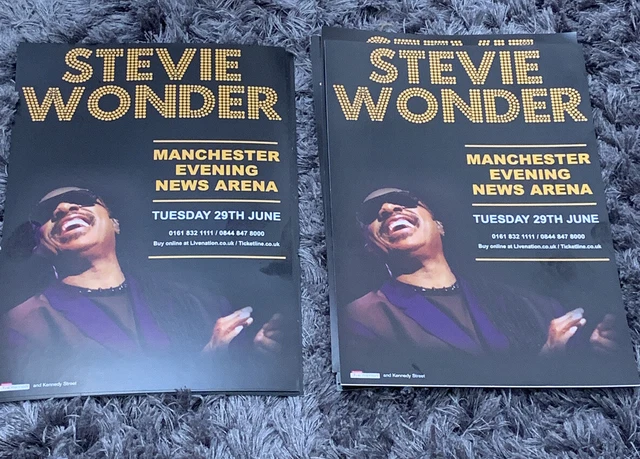
Stevie Wonder’s 2019 concert schedule, highlighted by a tightly curated 18-date performance strategy, showcased the legendary artist's enduring musical impact through special venue residencies, festival headlining appearances, and rare live engagements across North America.
Introduction to the 2019 Stevie Wonder Concert Schedule
In the realm of modern live music, few performers command the reverence and historical legacy of Stevie Wonder. For decades, the multi-instrumentalist, singer, and songwriter has selectively chosen his live engagements, prioritizing cultural resonance and musical precision over relentless, grueling cross-country schedules. The 18-date touring footprint associated with his late 2019 activities reflects this intentional approach. Rather than undertaking a traditional, continuous multi-month arena tour, Wonder structured his live appearances around specific conceptual runs, major festival headlining slots, and select metropolitan engagements.
Understanding the mechanics, dates, and operational nature of this 18-date concert sequence requires examining the broader context of Wonder's live career during this period. For fans, music historians, and industry observers, documenting these performances provides essential insight into how legacy artists manage large-scale productions, venue logistics, and setlist curation. This analysis details the structure of the tour, the notable geographic stops, ticket purchasing parameters, logistical considerations, and the enduring legacy of Wonder's live performances during this era.
Strategic Framework of the 18-Date Performance Run
To fully comprehend the 2019 live schedule, it is vital to analyze why legacy acts deploy limited-run itineraries. Touring at the highest level of professional audio and production demands significant physical stamina, especially for an artist managing a massive ensemble of backing vocalists, horn sections, and rhythm players.
Rather than standard routing—where a tour moves sequentially from city to city over a compressed six-week window—Wonder's 2019 performances were distributed across distinct calendar blocks. This model serves several operational and artistic functions:
- Production Quality: Concentrating performances allows the touring crew to maintain arena-level sound, lighting, and accessibility standards without the strain of daily load-ins and tear-downs.
- Exclusivity and Demand: Limiting total performances to a specific figure, such as an 18-date window over a designated period, concentrates fan demand and drives high attendance rates.
- Health and Longevity: Protecting the artist's vocal cords and overall well-being ensures that every performance meets the rigorous standards expected of a Motown icon.
The Evolution of the Setlist Architecture
A hallmark of a Stevie Wonder live performance is the extended runtime and dynamic setlist flexibility. Unlike contemporary pop tours locked into strict time-coded backing tracks and rigid video cues, Wonder's 2019 shows relied on the spontaneous interplay between the artist and his sprawling backing orchestra.
Audiences attending dates during this period routinely experienced sets spanning well over two hours. These performances typically traversed his classic 1970s golden era—drawing heavily from albums like Songs in the Key of Life, Innervisions, Talking Book, and Fulfillingness' First Finale—while incorporating contemporary commentary, audience call-and-response segments, and unexpected covers of contemporaries such as Prince, Bob Marley, and John Lennon.
Chronological Overview and Venue Selection
The routing for Wonder's 2019 live engagements featured a mix of traditional indoor arenas, iconic outdoor amphitheaters, and high-profile festival stages. The choice of venue dictated the ticketing capacity, acoustic treatment, and overall fan experience.
| Venue Type | Representative Cities/Locations | Primary Acoustic & Logistical Considerations |
|---|---|---|
| Major Metropolitan Arenas | New York, Los Angeles, Chicago | High capacity, advanced house sound systems, complex transit and parking logistics. |
| Boutique Amphitheaters | Select regional festival grounds | Open-air environment, weather contingencies, lawn seating dynamics. |
| Special Event Centers | Private or corporate gala settings | Highly restricted access, intimate sightlines, VIP-heavy audience demographics. |
Notable Geographic Focus Areas
While global audiences continually petition for international dates, Wonder's 2019 routing remained predominantly centered in North America. Major cultural hubs served as anchor points for the schedule. For instance, performances in the New York metropolitan area drew patrons from across the Tri-State region, while West Coast dates in California capitalized on regional proximity to the artist's home base and deep historical fanbases.
Venue selection also emphasized accessibility. Given Wonder's well-documented advocacy for disability rights and accessible public spaces, venues hosting these 18 dates were subjected to strict verification regarding ADA (Americans with Disabilities Act) compliance, sightline clarity, and specialized seating accommodations.
Ticketing Protocols, Pricing, and Secondary Market Dynamics
Securing access to a limited-run Stevie Wonder tour presented unique challenges for ticket buyers. With only 18 dates available to global demand, primary ticketing inventories depleted within minutes of public on-sale times.
Primary Sale Mechanics and Verified Fan Programs
Ticketing platforms utilized during the 2019 season heavily relied on verified fan registration protocols. These systems were designed to curb automated bot purchases and ensure that tickets reached genuine consumers rather than aggressive scalpers. Key components of this process included:
- Pre-Registration Windows: Buyers were required to register their accounts days in advance of the ticket drop, linking their identities to specific email addresses and phone numbers.
- Code Distribution: Unique access codes were distributed via text message immediately prior to pre-sale events, granting entry to designated seating tiers.
- Dynamic Pricing Implementation: In alignment with modern industry standards, many premier seats utilized dynamic pricing models, where face values fluctuated based on real-time market demand.
Secondary Market Inflation
Due to the scarcity inherent in an 18-date schedule, secondary ticket marketplaces experienced severe price inflation. Floor seats and lower-bowl locations for high-demand metropolitan dates routinely commanded multiples of their original face value. Buyers navigating resale platforms were advised to verify ticket transferability, utilize trusted brokers, and confirm mobile-entry requirements enforced by the primary box offices.
Production Logistics and Touring Personnel
Executing a live Stevie Wonder concert requires an immense logistical undertaking. Behind the legendary frontman stands a collective of elite musicians, technicians, and tour management personnel who ensure seamless execution across every date.
The Live Band Structure
Wonder's touring ensemble—often referred to in music circles as one of the tightest units in contemporary rhythm and blues—features multiple keyboardists, a powerful horn section, lead and rhythm guitarists, a multi-percussion setup, and a roster of powerhouse background vocalists who frequently share lead duties on classic refrains.
- Musical Direction: The band operates under strict musical direction, allowing Wonder to pivot songs into different keys, alter tempos, or transition into unscripted medleys mid-performance.
- Stage Setup: Wonder's primary performance station typically features a rig of multiple acoustic and electronic keyboards, allowing him to shift fluidly from grand piano ballads like "Isn't She Lovely" to synthesizer-driven funk tracks like "Superstition."
Comparative Analysis: 2019 Routing vs. Historic Tours
To understand the significance of the 2019 schedule, it is informative to compare it with previous monumental outings, most notably the celebrated Songs in the Key of Life Tour which ran across multiple legs between 2014 and 2015.
| Tour Metric | Songs in the Key of Life Tour (2014-2015) | 2019 Select Date Run |
|---|---|---|
| Total Scope | Extensive multi-leg, multi-year arena tour | Curated, limited 18-date performance window |
| Core Concept | Full album playthrough from start to finish | Dynamic, career-spanning retrospective setlists |
| Geographic Spread | Comprehensive national and international routing | Concentrated domestic and high-impact regional stops |
| Ticketing Demand | Exceptionally high, sustained over months | Hyper-concentrated, intense short-term demand |
While the Songs in the Key of Life era was defined by its thematic structure and expansive length, the 2019 performances offered a more fluid, unpredictable concert experience that prioritized spontaneous musical exploration over a single recorded work.
Common Challenges and Attendee Guidance
Fans attending live music events of this magnitude frequently encounter logistical hurdles. Proper preparation ensures an optimal concert experience.
Venue Entry and Security Protocols
Major arenas hosting high-profile acts enforce strict security regulations. Attendees during the 2019 tour were subject to standard bag-size limitations (typically prohibiting large backpacks and non-transparent totes), metal detector screenings, and mobile-only ticket scanning. Arriving at the venue at least ninety minutes prior to ticketed showtime is standard best practice to bypass security bottlenecks and locate seating comfortably before the opening notes.
Accessibility and Special Accommodations
For patrons requiring accessible seating or hearing assistance devices, coordinating directly with the venue’s box office well in advance of the concert date remains essential. Because Stevie Wonder is a lifelong advocate for the visually impaired and disabled communities, venue accessibility standards are closely monitored by tour management to ensure equitable access for all ticket holders.
Frequently Asked Questions
What was the significance of the 18-date schedule for Stevie Wonder in 2019?
The 18-date timeframe reflected a selective, quality-focused touring model. Rather than engaging in an exhaustive world tour, Wonder focused on high-impact, curated performances that protected his artistic energy while satisfying intense fan demand in key markets.
Where did the majority of the 2019 performances take place?
The concerts were primarily concentrated in major North American cultural centers, utilizing prominent indoor arenas, elite amphitheaters, and major festival stages that could accommodate large-scale production and sound equipment.
How long did a typical Stevie Wonder concert last during this run?
Performances routinely exceeded two hours in length. Wonder is well-known for unscripted setlist expansions, extended musical jams, and deep cuts alongside his massive catalog of chart-topping hits.
Were tickets difficult to secure for these limited dates?
Yes. Due to the scarcity of only 18 dates, primary ticketing inventories sold out rapidly. This high demand led to significant activity on secondary resale markets, with premium seating commanding elevated prices.
What kind of music did Stevie Wonder play during these shows?
The setlists were career-spanning retrospectives, drawing heavily from his classic 1970s albums while incorporating improvisational segments, audience participation, and select cover songs honoring musical peers.
Conclusion and Next Actions
Stevie Wonder's 2019 concert engagements stand as a testament to the enduring power of a true American musical pioneer. By opting for a focused, 18-date strategy rather than a relentless global itinerary, the artist maintained peak performance standards and delivered unforgettable live experiences to select audiences. For fans researching historical tour data or analyzing the touring patterns of legacy acts, examining these dates provides a clear blueprint of how artistic integrity and large-scale live production successfully intersect. When preparing to attend or study future performances by legacy artists, always verify primary ticketing portals, review venue accessibility guidelines early, and monitor official artist announcements to secure verified access.